

The pandemic revived Sri Lanka’s beloved Choon Paan vans, turning their nostalgic melodies into an essential community service.
Through the rearview, Colombo’s modern towers dissolve into mist as I head north towards ancient Anuradhapura. But before I can settle into the monotony of highway miles, Beethoven’s Für Elise stops me in my tracks, as bread trucks painted like carnival floats cruise the drowsy neighbourhoods. These are the Choon Paans, and these rolling bakeries serve up more than just breakfast — they carry a slice of Sri Lankan history, their story of revival as layered as the butter cakes they sell.
Doors creak open, and locals and bleary-eyed tourists alike succumb to this morning convention, following their noses to these humble trucks where steam still curls from golden buns. In Sinhala, Choon Paan translates to ‘music bread,’ a fitting name for the melodic vans that offer everything from warm rolls to spicy fish buns — much like ice cream trucks in the West. Once on the decline, hindered by regulatory and social challenges, including a 2017 ban on loud music, the Choon Paan vans made an unexpected resurgence during the Covid-19 pandemic. With businesses shuttered under curfew, the familiar door-to-door sales of freshly baked goods carried on, prompting many entrepreneurs to transform their vehicles into Choon Paan trucks.

For veteran Choon Paan driver Manula Liyanage (54), his bread van is more than a livelihood. As he says, “It’s not just about selling bread; it’s about being part of people’s routines.”
Sharing how this mobile bakery service has reshaped his life and countless Sri Lankans, he recalls, “Originally, the bread used to be delivered through bakeries. When the Choon Paan industry began in the early 2000s, it impacted bakery owners’ incomes. To adapt, many of us, including myself, transitioned to running Choon Paan vans to sustain our businesses.” What sets Choon Paan apart is its charm and mobility. “Kids are especially drawn to it — the moment they hear the music, they rush out to meet the van,” adds Liyanage with a smile.
“Unlike bakery shops where customers have to visit a specific location, these vans bring fresh bread, buns and snacks right to people’s doorsteps. It’s convenient, efficient and has become an essential part of daily life for most households.”
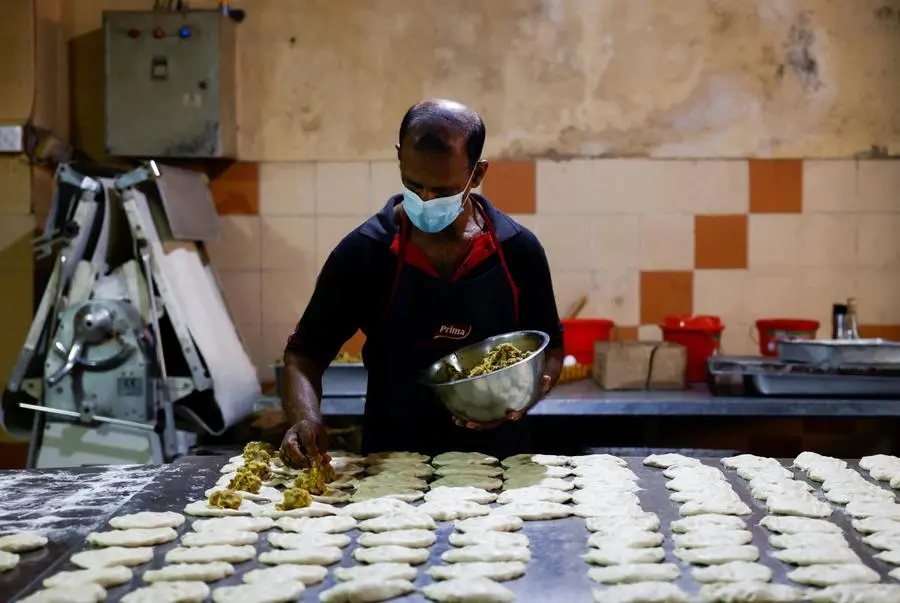
However, the success of a Choon Paan operation, according to Liyanage, goes beyond just delivering goods. “We have specific routes and a loyal customer base, which ensures steady business. A Choon Paan is a community service,” he adds. “Sure, we’re selling bread, but what we’re really offering is convenience in an increasingly chaotic world.”
Liyanage runs a small bakery in Kaduwela, selling buns for LKR 50 (US$0.16) through his van. “It’s heartwarming to see familiar faces return,” he says, “and reconnecting with old school friends during my rounds is a joy that never fades.”
Sunanda Perera (47), another familiar face behind the wheel of a Choon Paan vehicle for over a decade, talks about the freshly baked treats that fill these vans. “We usually stick to traditional recipes passed down from our previous bakery owners,” he explains. “People want quick, convenient foods, so we focus on items that are easy to grab and eat. Staples like malu pan (fish bun) and kibula banis (sweet bun) are always in high demand. Sweet and savoury buns are always a hit with the kids, so we make sure they’re a staple on the menu. We continuously refine our offerings, listening to feedback, so we can strike the perfect balance between tradition and the everyday favourites that people love.”
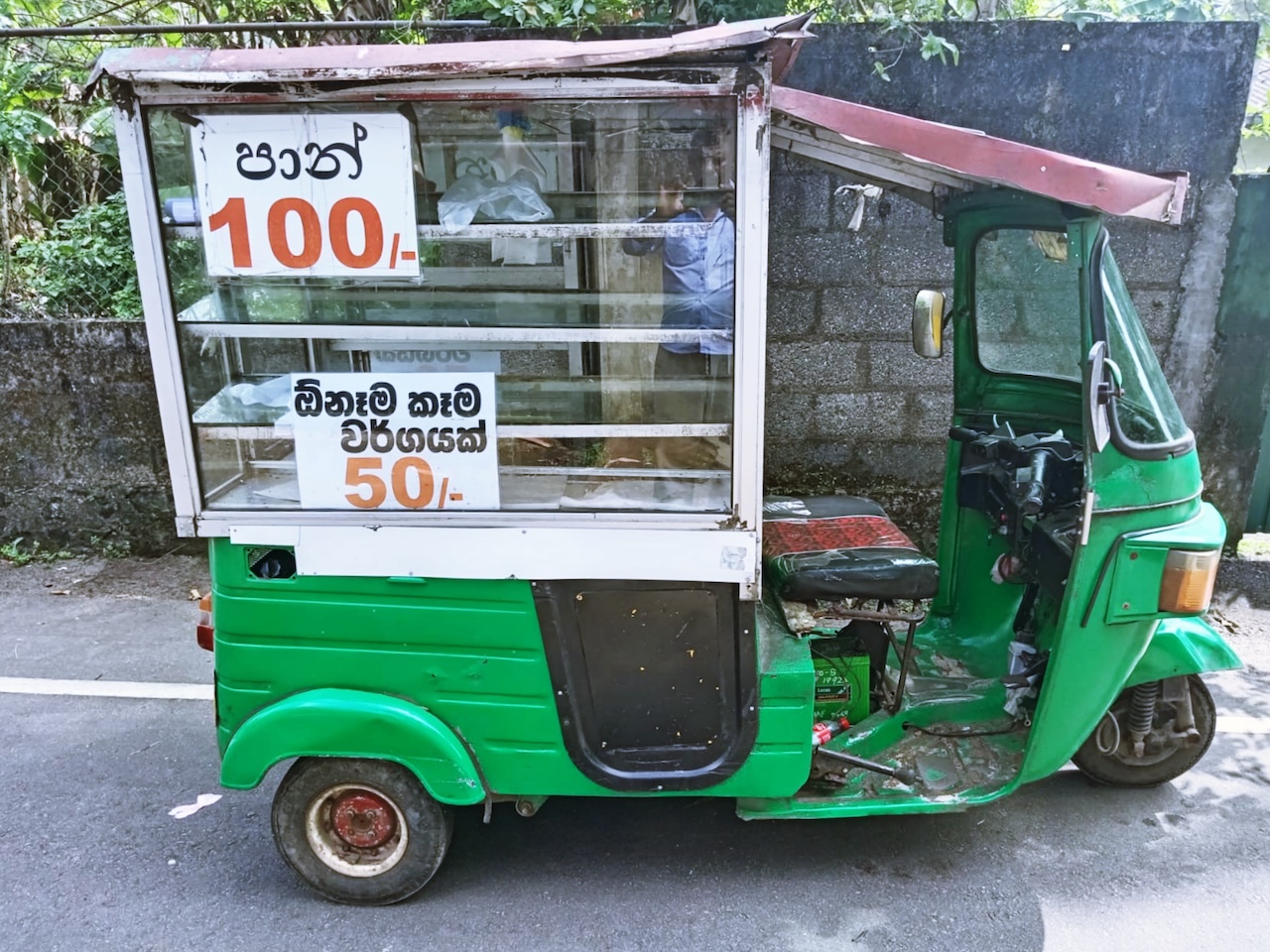
“Managing a mobile bakery is a constant balancing act,” says Perera. “We navigate shifting customer tastes and surging ingredient costs — when flour prices climb, our prices must follow, often at the expense of sales. Weather can be brutal; rain means empty streets. We survive by focusing on staples like bread and keeping the wheels turning, no matter what.”
From dawn to dusk, Sri Lanka’s Choon Paan vans ferry tradition through neighbourhoods, as vendors like Liyanage and Perera bridge cultures, with Beethoven’s timeless melody connecting hearts, one street and one bun at a time.