

Hong Kong vs Singapore is an age-old debate. Two of Asia’s most dynamic cities offer a wealth of world-class experiences—but with very different vibes. For travellers, especially, choosing between the two can be tricky. So, how to choose?
Both cities offer so much to enjoy—incredible food culture that ranges from street food to fine dining, rich histories and cultures, plenty of shopping, and lots of luxury. But each offers very different atmospheres and strengths, which will appeal to different travellers. Hong Kong is frenetic, urban, and requires a bit of steel, while Singapore is ordered, clean, multicultural, and easy to enjoy.
To help you choose between these two iconic cities, this article will break down different important factors, including their relative affordability, cultural insights, range of attractions, safety, and general ease of travel. By the end, you’ll have everything you need to decide which city will be the right fit for your travel style.
Affordability: Which City Costs More?
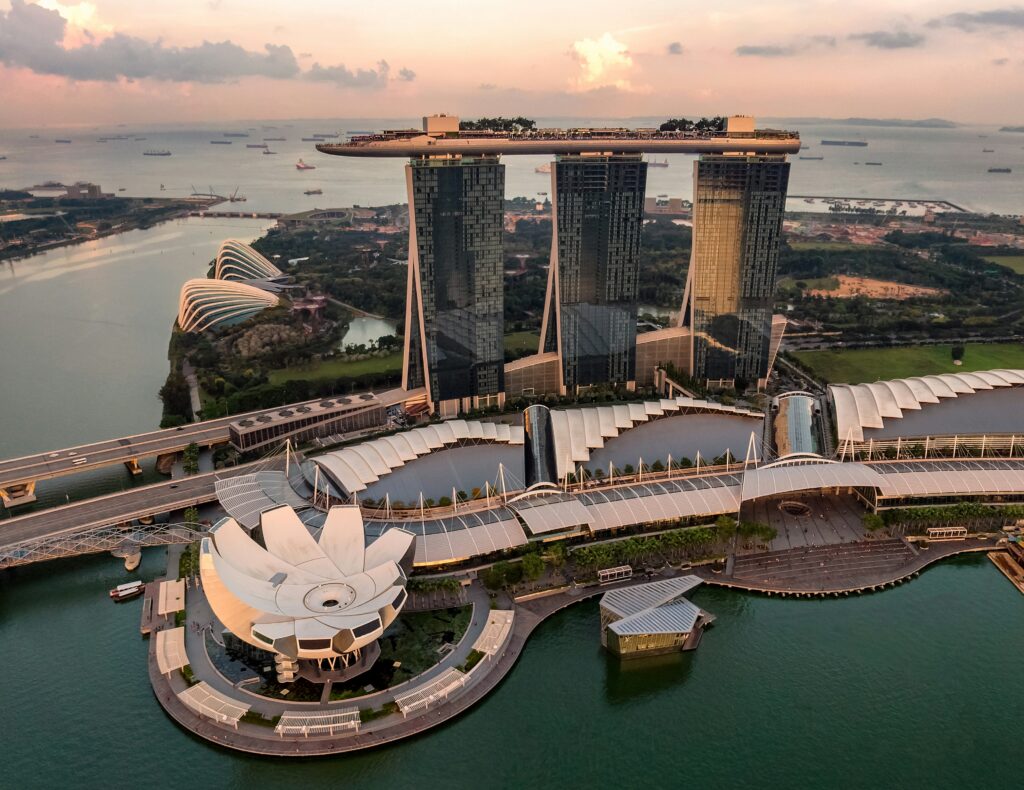
Let’s not mince words: Singapore and Hong Kong are two of the world’s most expensive cities, with the former arguably pricier for travellers than the latter. But, in each place, your trip can be as expensive or budget-friendly as you make it—it’s simply a matter of making the right choices.
Hong Kong
Hong Kong is a city of dichotomies. There are Michelin-starred restaurants and delicious street food stalls; luxury shopping and market bargains; glamorous hotels and hole-in-the-wall accommodations. So naturally, affordability varies greatly depending on your travel style.
Book a suite at the uber-luxe Rosewood or Four Seasons (or chic boutique hotel), grab a meal at award-winning Caprice or The Chairman, and drink with a view at Salisterra or Argo, and you’ll easily splash out over HK$10,000/day.
But bed down in a budget hotel in Mong Kok, grab authentic, affordable meals at small local eateries (hello dim sum, noodles, and egg waffles), and enjoy free attractions like the country parks, and you’ll manage on HK$1,000/day. However, one thing that’s consistently reasonable in Hong Kong is public transport. MTR fares are usually between HK$5-HK$30, trams are HK$2.50, and cabs start at HK$29
Singapore
Singapore used to balance relative affordability and high standards. Now, though, the quality is still high, but prices seem to be rising exponentially.
If you want to live the Crazy Rich Asians life (no judgment here!), check into Marina Bay Sands, Raffles, or one of Singapore’s top boutique hotels, enjoy Michelin-starred meals at Jaan and Candlenut, and entertain yourself with outings to the designer shops on Orchard Road and the city’s many museums. You’ll just need to plan to spend at least SG$1,000/day (and sometimes far more).
Still, if you’re smart, you can enjoy the city on a budget—most Singaporeans live far more frugally.
For example, on about SG$100/day, you could stay at a budget hostel in Chinatown or Little India, tuck into authentic local dishes at Singapore’s hawker centres, and wander through its multicultural neighbourhoods and free natural attractions (try East Coast Park or the Botanic Gardens).
One thing that’s incredibly expensive is drinking—Singapore’s high alcohol tax means you’ll pay a premium for booze. However, public transport is always affordable, with MRT and bus fares ranging between SG$1.50 and SG$3 per ride.
Verdict
Affordability is an equaliser in the Hong Kong vs Singapore debate—they can both be very expensive, though there are ways to be smart with your money in each. In general, Hong Kong seems to offer more value for dining (especially in street food) and transport, while Singapore has better options for affordable lodging.
While both cities are certainly costly by overall Asian standards, Hong Kong seems to deliver more bang for buck.
Entry Requirements and Visas
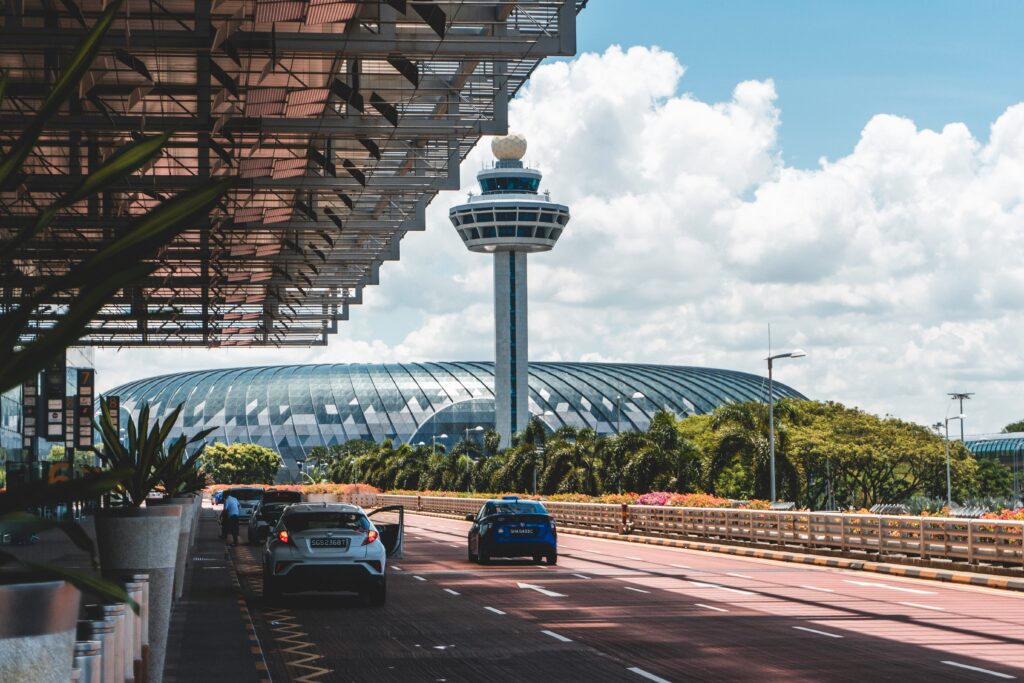
So what about weighing up entry requirements for Hong Kong vs Singapore? Getting into both cities is relatively straightforward for international visitors. Both offer visa-free entry to many nationalities, but require six months’ passport validity, and proof of funds, onward travel, and insurance on request.
Hong Kong
Hong Kong maintains one of the most open entry policies in Asia, giving visitors from over 170 countries visa-free access—lengths of stay vary by nationality and range between 14 and 180 days.
The city has also done away with fussy formalities—no arrival cards here, and visitors registered with the Immigration Department can use automated clearance.
Singapore
Singapore’s airport border control is one of the most efficient in the world—and they’re consistently trying to improve. Citizens of over 150 countries can enter the country visa-free for short stays of 30 to 90 days (depending on nationality).
But, even those who need a visa—such as those from certain South Asian, African, and Middle Eastern countries—can apply for a tourist eVisa and receive it within a few days.
Changi Airport now allows all incoming passengers to use e-gates for immigration, making arrivals quick and seamless. However, all passengers must complete the SG Arrival Card form online before clearing immigration.
Verdict
Both Singapore and Hong Kong offer modern airports and streamlined entry for travellers. Hong Kong’s system is slightly simpler and often allows generous visa-free stay durations, making it marginally easier for travellers seeking short-term visits.
However, while Singapore has somewhat more stringent requirements for some nationalities and requires the completion of the SG Arrival Card, immigration clearance is faster and easier.
Culture, Food, and Daily Life
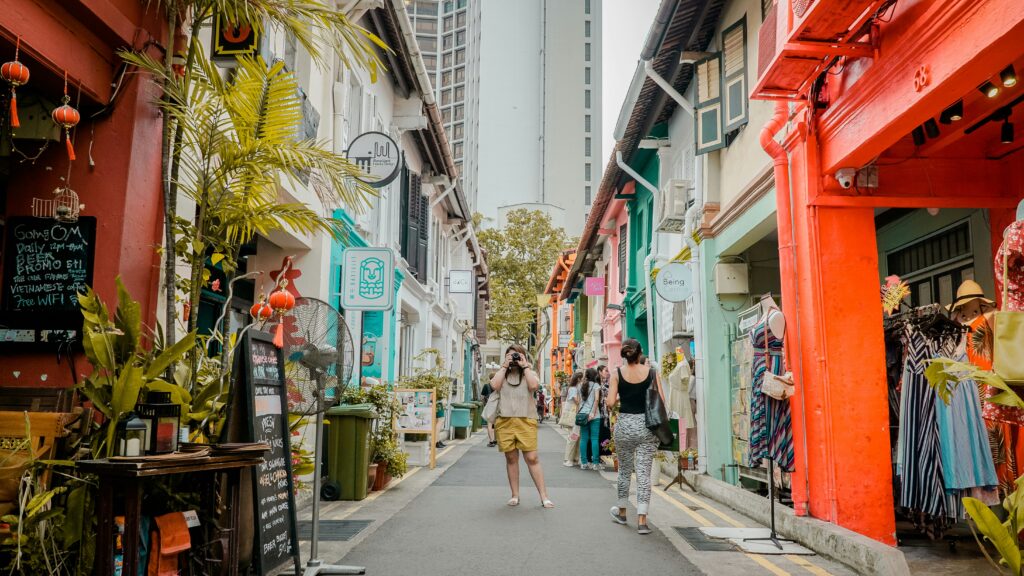
The threads of daily life are similar, albeit different, between Hong Kong vs Singapore. In the former, fast-paced urbanity and a focus on Cantonese and east-meets-west cuisine and traditions are obvious; in the latter, its multicultural past and orderly efficiency are clear. However, both place a major focus on food.
Hong Kong
Hong Kong is a fascinating blend of east and west, shaped by its Cantonese roots and colonial past. This duality can be seen in every aspect of the city, from its architecture and festivals to its snacks and daily routines. Throughout the city, traditional Chinese temples sit next to sleek modern skyscrapers, while festivals like Chinese New Year and Christmas are celebrated with equal enthusiasm.
Away from this, bustling street markets capture the city’s vibrant, hustler energy, while the city’s famous rooftop dining scene showcases iconic skyline and harbour views alongside elevated meals.
Locals balance long work hours with lively social lives, sharing meals in casual restaurants and enjoying the outdoors. It’s this dynamic blend that gives Hong Kong its unique rhythm and cosmopolitan character.
Singapore
Singaporean culture is characterised by its well-integrated multiculturalism, a harmonious blend of Chinese, Malay, Indian, and Peranakan influences reflected in its four official languages, many festivals, and diverse local cuisine. Unique, culturally appropriate architecture of Chinatown, Little India, and Kampong Gelam creates compelling contrasts to the gleaming buildings of the CBD, while people from all cultures interact freely.
Food is central to the Singaporean identity, and both a social and cultural experience—people come together at world-famous hawker centres to enjoy affordable feasts of culturally diverse dishes like laksa and rojak.
Daily life here is orderly, marked by cleanliness, punctuality, and efficiency, and despite Singapore’s modern pace, traditional customs and community remain strong, creating a well-balanced charm.
Verdict
Hong Kong and Singapore are both vibrant cities, but differ significantly in pace and atmosphere.
Hong Kong’s east-meets-west charm offers enriching immersive experiences, while its frenetic pace can be chaotic. By contrast, Singapore is more culturally diverse and nuanced, and daily life here is more structured and systematic.
Hong Kong will appeal to those seeking energetic, sensorial journeys, while Singapore is more approachable, accessible and polished and will appeal to all, especially first-time travellers and families.
Key Attractions and Experiences
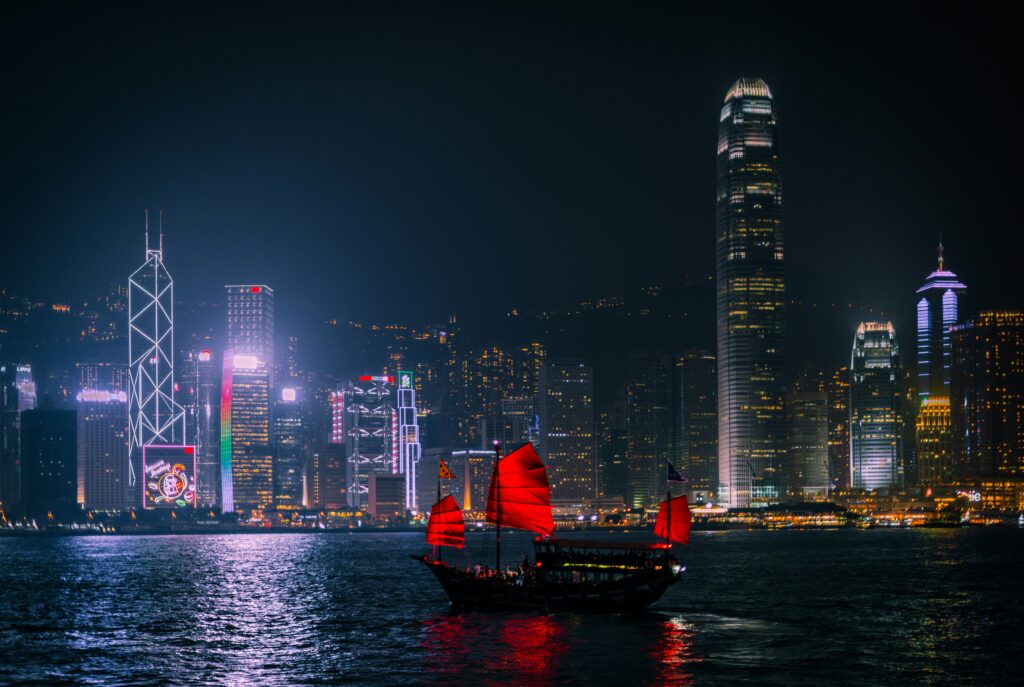
Singapore and Hong Kong offer different types of experiences, though all kinds of travellers will find something to enjoy. Food, nature, and family fun are abundant in both cities, but Hong Kong has a uniquely frenetic vibe while Singapore’s offerings are more curated, multicultural, and accessible.
Hong Kong
Hong Kong’s attractions cater to all travellers and every type of itinerary, blending natural beauty, cultural richness, and modern entertainment. There are iconic views of Victoria Harbour and the skyline from Victoria Peak; nostalgic journeys between Hong Kong Island and Kowloon on the Star Ferry; and cultural explorations at places like Wong Tai Sin Temple and the Goldfish Market, to start.
Foodies can sample dim sum at traditional teahouses and refined plates at Michelin-starred restaurants, while adventure seekers can hike through the many peaks, explore the Outlying Islands—like Cheung Chau and Lantau—and revellers can enjoy the thriving nightlife.
Families will enjoy trips to classic theme parks like Disneyland and Ocean Park, while those looking to relax can enjoy a beach day at Sai Wan or Pui O, or slip into a local spa for a foot massage.
Singapore
Like the rest of the city, Singapore’s attractions are diverse and polished—many offer rich cultural and historical insights. The big-hitters are Marina Bay Sands, the futuristic Gardens by the Bay, shopping on Orchard Road, and the stunning National Gallery.
But there’s plenty more. The city’s cultural enclaves offer incredible immersion into specific histories and societies—try Kampong Gelam for Arab influence, Chinatown and the Chinatown Heritage Centre for Chinese history, and Little India for aspects of the subcontinent—while history buffs will love the exhibitions at Battlebox and Changi Museum for the city’s WWII insights.
For families, Sentosa Island, with its Universal Studios park and plentiful leisure attractions and beaches, is a big draw, as are the Singapore Zoo, Night Safari, and Science Museum. There’s even something for nature lovers—the Singapore Botanic Gardens is UNESCO-listed, while the Southern Ridges and MacRitchie Reservoir offer peaceful greenery.
And, don’t forget one of the most eclectic events in all of Asia, F1 Singapore, which rolls into town every September or October.
Verdict
For travellers, both Singapore and Hong Kong have plenty of memorable attractions.
Hong Kong excels at iconic views, bustling markets and abundant nature, alongside a chaotic urban energy.
Singapore, meanwhile, offers thoughtful, polished, and easy-to-navigate experiences that run the gamut from modern to historic and multicultural, and it has plenty for families, too.
Transport and Getting Around
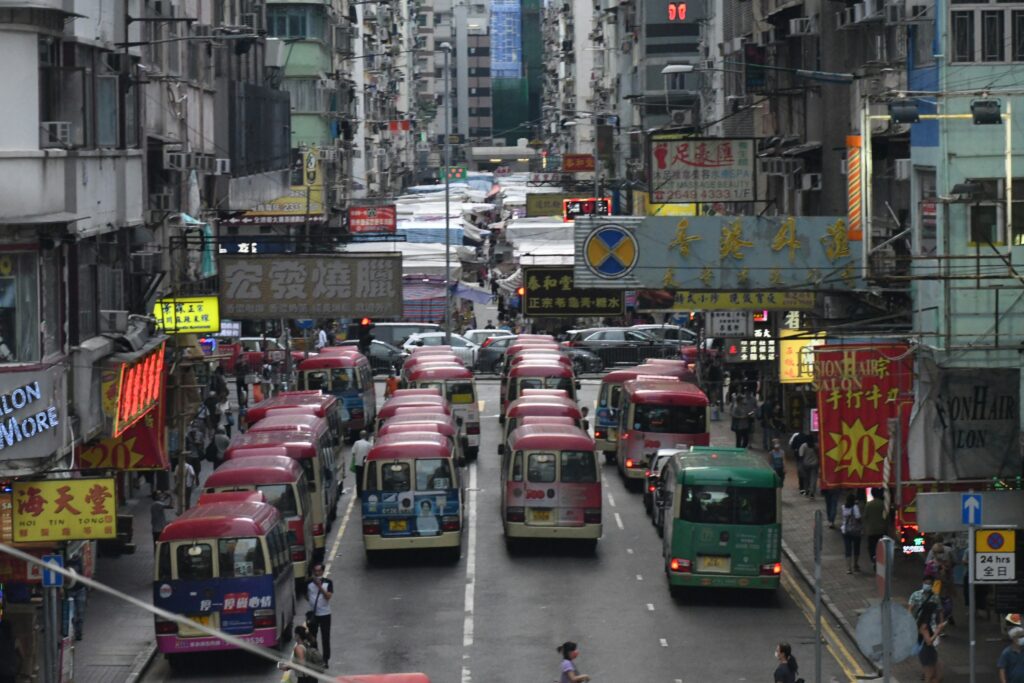
What’s the lowdown on getting around in Hong Kong vs Singapore? In both, the local transport network is the best way of getting around the city. While both countries have efficient, affordable transport, visitors will likely find Singapore’s easier.
Hong Kong
Hong Kong has a diverse, efficient, and dense public transportation system. The MTR (subway) covers most of the city, offering fast, reliable services. Buses offer connections to all of Hong Kong, though stops can sometimes be tricky to locate and navigating routes can be challenging.
Ferries are a scenic way to move across Victoria Harbour, while double-decker trams are a fun way to move between east and west (if you have the time). Cabs are ubiquitous—though many only take cash—and Uber, while available, currently operates in a grey area (legislation to legalise is imminent).
Most residents use a reloadable Octopus Card for seamless payments, though most now also take digital payments. Walking’s an option, though not always comfortable—streets are crowded and sidewalks aren’t always well-maintained. Plus, the Hong Kong Express connects the airport to the city in under 25 minutes.
Singapore
Singapore’s transport system is highly efficient, clean, safe, and easy to navigate. The MRT (metro) provides fast, reliable, affordable travel between major districts and attractions. This is supplemented by an extensive (air-conditioned) bus network that puts everything else within a few minutes’ walk.
Taxis are useful (they take cash and cards), though the Grab rideshare service is more convenient.
To get around, locals often use a reloadable EZ-LINK card, though contactless payment is available everywhere.
And, if you can withstand the heat, Singapore is extremely walkable. Best of all, Changi Airport is directly connected to the MTR network, and taxis and Grab cars are available in abundance.
Verdict
The transport networks in both Hong Kong and Singapore are world-class. They’re efficient, reliable, and safe— but they differ in feel and convenience. However, Singapore wins out due to cleanliness, more modern infrastructure, less density, and easier navigation.
Safety, Language and Ease of Travel
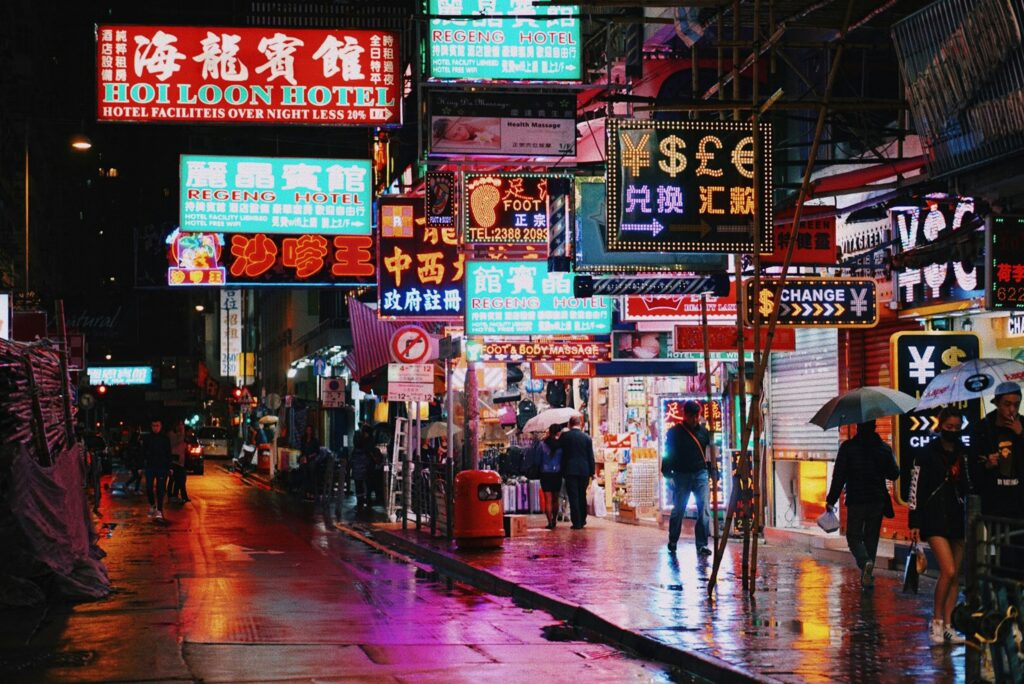
Safety can be a deal-breaker for travellers— but that’s not a consideration in either Hong Kong or Singapore. Both Asian cities are extremely safe and well-connected, though how easy they are to navigate will come down to the individual traveller.
Hong Kong
Hong Kong’s low crime rates and well-developed infrastructure make it generally safe for tourists. While the city does make the news occasionally, prompting some travellers to avoid it, this is unnecessary—Hong Kong is far safer than other major cities like London, New York, or Sydney. Simply take the standard precautions.
Additionally, English is widely spoken, especially in hotels and most restaurants (though not as often in taxis), making communication manageable. But, while the city’s busy energy creates a vibrant, fast-paced experience, it can be overwhelming for some.
Singapore
Singapore is renowned for its safety. Strict law enforcement means extremely low crime rates, ensuring a very safe environment for travellers at all times of day. The city is also exceptionally clean, with well-maintained streets, public transport, and public spaces, creating a comfortable travel experience.
English is the main language, so you’ll see it everywhere, making it easy for international visitors to navigate and interact. Additionally, Singapore’s multiculturalism makes it welcoming to travellers of diverse cultural and religious backgrounds. Together, these factors make Singapore a highly accessible, comfortable, and safe place for tourists.
Verdict
Hong Kong and Singapore are both very safe and traveller-friendly, but they offer slightly different experiences. The former’s urban pace can be overwhelming for first-timers, while Singapore feels easy for all travellers with its ultra-safe, clean environment, wide use of English, and cultural acceptance.
When to Go: Weather and Seasonality
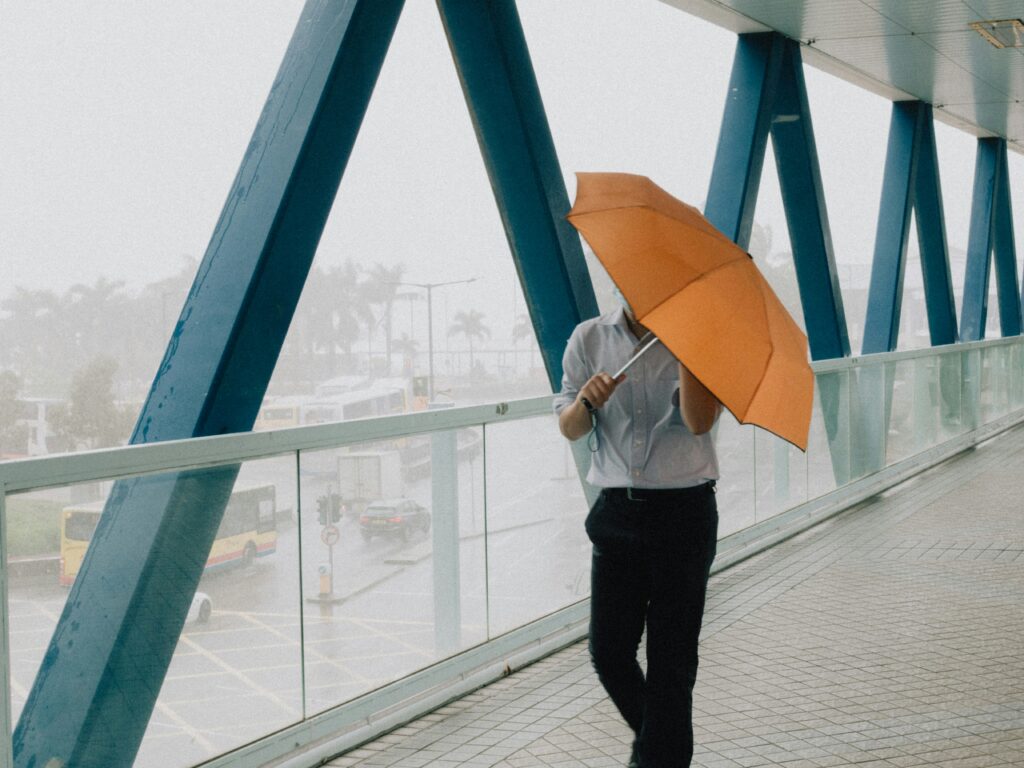
Weather can make or break your travel experience, so it’s important to choose the right time to visit. Surprisingly, this is the one part of the Hong Kong vs Singapore debate you’ll need to consider. Both have vastly different climates, so figure out which will work best for you.
Hong Kong
Hong Kong experiences all four seasons, albeit to a lesser extent than other parts of the world. Summers (June-August) are sweltering, with high temperatures and humidity, while winters (December-February) are dry, cool, and comfortable—bring a coat.
Spring and autumn are a nice in-between, offering milder temperatures and the occasional rain shower. Typhoons can arrive between July and September, occasionally disrupting travel—these are becoming more frequent. Spring and autumn are generally considered the best times to visit.
Singapore
Singapore’s equatorial climate means it’s hot and humid all year round. Temperatures generally range between 25°C and 32°C, while humidity is consistently high. Light, breathable clothing in cotton and linen is essential.
Rainfall is frequent year-round, but tends to come in short, heavy showers in the late afternoon. Singapore’s extensive air-conditioned spaces and lush greenery offer respite while exploring.
Verdict
Arguably, the climate is the biggest point of difference between Hong Kong and Singapore.
The former has a four-season subtropical climate and a distinct typhoon season; the latter, by contrast, has a consistent climate of equatorial heat and humidity.
Overall, Singapore offers more predictability with its weather, while Hong Kong offers more pleasant conditions during specific months.
Hong Kong vs Singapore: Which is Right for You?
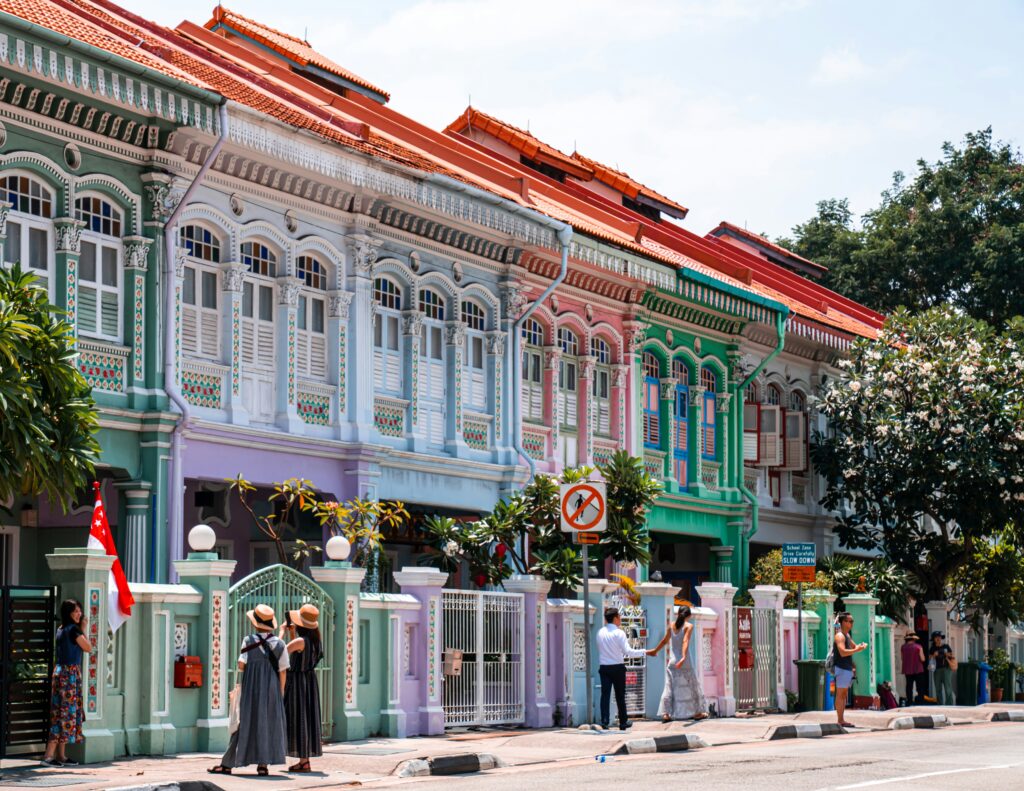
Hong Kong and Singapore are both world-class cities in Asia, offering incredible experiences. But the right choice for you depends on your interests and travel style.
Hong Kong delights with its dramatic vistas and vibrant urban energy, while Singapore impresses with its multicultural richness, cleanliness, and seamless infrastructure. Here are a few things to think about before you go:
- If you want dramatic skylines, island escapes, dense urbanity, and east-meets-west vibes – choose Hong Kong.
- If you’re looking for a spotless, multicultural foodie capital with easy-to-navigate infrastructure – choose Singapore.
- If you want affordable accommodation – both cities have plenty of options, though hotels are slightly cheaper in Singapore, while transport and dining are marginally more affordable in Hong Kong.
- For first-timers in Asia – Singapore is a softer, easier experience, but Hong Kong is dramatic and energetic.
- If you want culture and history – both cities have plenty to offer, though Singapore’s offerings are more curated, diverse, and easier to engage with.
- If you want decent weather all year round – choose Singapore.
- If you want nightlife – Singapore offers polished glam, while Hong Kong is more raucous.
Ultimately, both cities deliver world-class experiences that are similar, though presented slightly differently—Hong Kong thrills, while Singapore soothes.