

Hong Kong is truly a city of contrasts. On every corner here, old meets new, chaos on the streets meets serenity in the skyline, and of course, east meets west. The same applies to the city’s many neighbourhoods. Each little pocket of Hong Kong is its own little world. Because of this, the Hong Kong neighbourhood you choose to stay in can shape your entire experience of the city.
Stay in bustling Tsim Sha Tsui, Mong Kok, or Wan Chai, and you might get a taste of local life and the city’s bustling 24/7 pace. But, base yourself in beachside Sai Kung, quiet Tai Hang, or hipster Wong Chuk Hang, and you’ll discover the city’s nature, tranquillity, and cultural cred.
So, whether you’re a foodie, art lover, luxury hotel fan, or nightlife explorer, you can be sure you’ll find the best neighbourhood to stay in Hong Kong. To help you pick your perfect place, we’re breaking down 10 of the best Hong Kong neighbourhoods to show you what to see, where to eat, how to get around, and where to stay.
Sheung Wan – Best For: Local Vibes and a Convenient Location
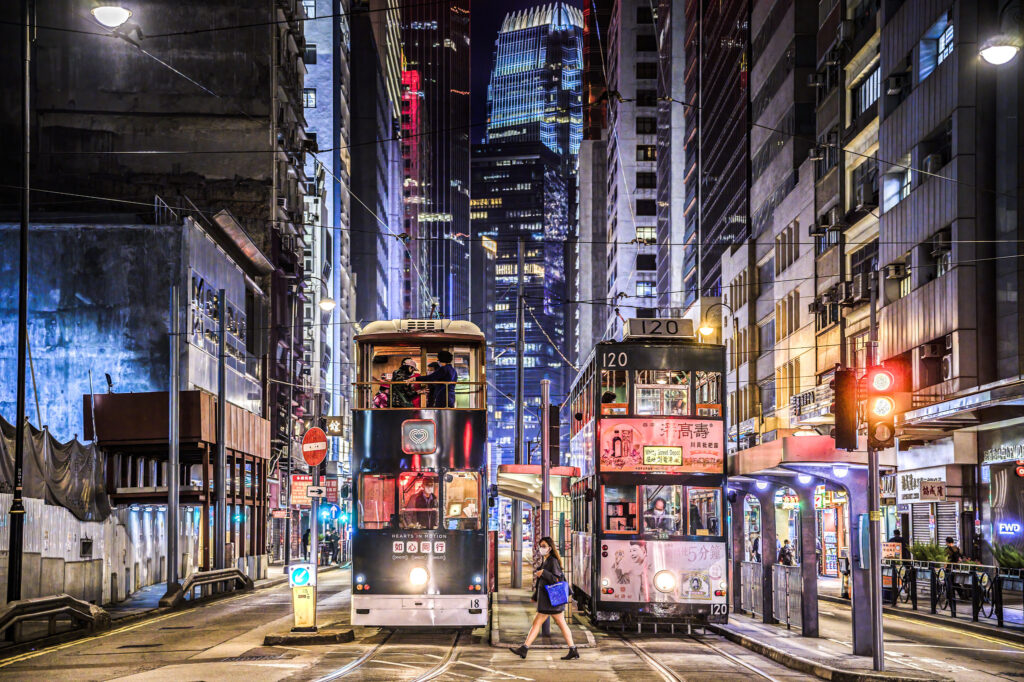
A compelling blend of indie charm and convenience that draws as many locals as tourists, Sheung Wan is easily one of the best neighbourhoods in Hong Kong. This is a place that blends east and west, tradition and modernity, and a diverse selection of food and drink. Take a quick stroll and you’ll spot hipster cafes, modern galleries, and glass-and-steel buildings tucked between local dried seafood stores, old buildings, and even the occasional coffin shop.
It’s easy to explore Sheung Wan on foot, so explore the antique stores along Hollywood Road and browse the knick-knacks at Cat Street Market on Upper Lascar Road, stop in at Man Mo Temple for a glimpse of Chinese traditions, and follow the Dr Sun Yat-Sen Historical Trail.
If you want to venture further, convenient transport options and an accessible location just west of Central mean you’re a stone’s throw from everything the city has to offer. Whether you catch the trams that wind up and down Des Voeux Road West, jump on a bus west towards Kennedy Town or East through Central and Wan Chai, or catch the MTR from Sheung Wan Station, you’ll be just minutes away from the city’s best. There are even buses to take you to the Airport Express station in Central for a quick train transfer to the airport.
While you’re here, be sure to grab coffee at one of the many popular cafes like Elephant Grounds, NOC, and Barista Jam. If you’re hungry, there’s a wide range of small restaurants offering an international range of food, from southern French at Nissa La Bella and Asian-influenced Nordic plates at Frantzén’s Kitchen to wildly popular Michelin-starred izakaya menus at Yardbird and fiery northern Thai cuisine at ChaChaWan.
Feeling thirsty? Grab a drink at award-winning bars like agave specialists COA, neighbourhood Italian Bar Leone and neighbourhood spots like CORKS and La Cabane. Or pop up to PoHo and snag an ice-cold beer Craftissimo.
Need somewhere to crash? Try The Jervois or The Figo for boutique stays in easy locations, or Weave Suites for cosy apartment-style living.
Wan Chai – Best For: Being in the Thick of It
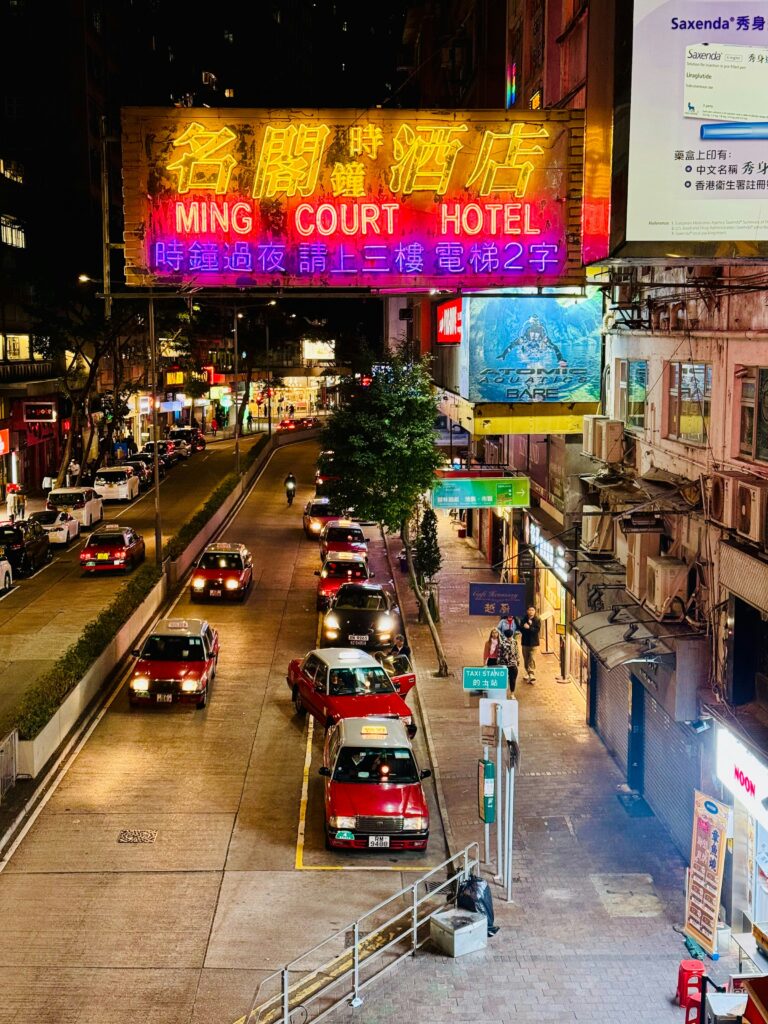
This Hong Kong neighbourhood is known as the setting of Richard Mason’s 1957 book The World of Suzie Wong, and while it was once famous for its seedy nightlife, it’s now an eclectic spot. Whether you’re a devout foodie, boutique shopper, or history buff, you’ll find it all in Wan Chai’s uniquely characterful streets.
On Hong Kong Island, just west of Central, Wan Chai is easily accessible thanks to a plethora of transportation options. Trams, buses, and the MTR Wan Chai stop connect the neighbourhood to nearly everywhere else in the city; the Star Ferry even operates a lesser-known route from here to Tsim Sha Tsui if you want to get to Kowloon.
While you’re here, explore Wan Chai’s rich past alongside its modern-day creativity. Start at the famous Blue House – built in the 1920s – and stroll up Stone Nullah Lane towards Pak Tai Temple; walk down Lee Tung Avenue, which was once full of wedding card printers; then wander up the Wan Chai Waterfront Promenade to take in a view of the Hong Kong Convention and Exhibition Centre. Fancy some shopping? Try the boutiques around St Francis Yard and Star Street.
Sheung Wan also has plenty of opportunities for gustatory indulgence. Bakehouse is one of the city’s most popular spots for pastries and brunch; chef Oliver Elzer dishes up French fine-dining at L’Envol; Samsen is a sought-after table for casual Thai, while Francis specialises in Middle Eastern cuisine. Pre-game your meal with highballs at Mizunara: The Library, sky-high cocktails at Wooloomooloo’s rooftop bar, or casual wines at LVQ.
You’ll also be spoilt for choice for hotels in Wan Chai. Go luxe at The St. Regis Hong Kong for sleek rooms and gourmet dining, or book a room at The Fleming or The Hari Hong Kong for a chic boutique experience with foodie extras.
Causeway Bay – Best For: Shopping Mavens
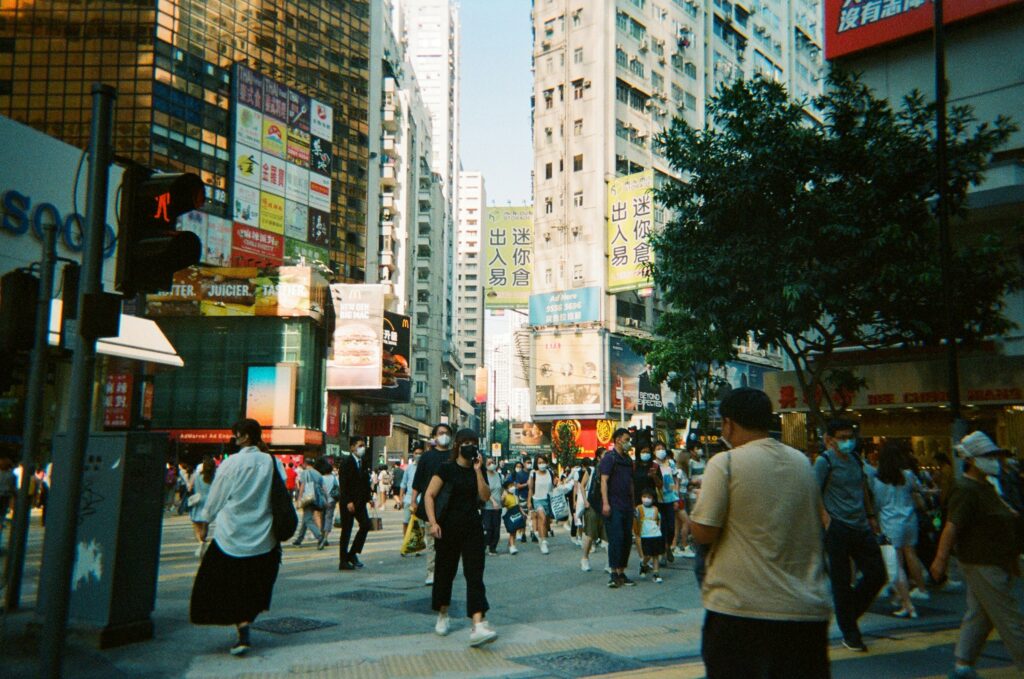
Crowded and chaotic, Causeway Bay is a Hong Kong neighbourhood that can be a lot to handle. But if you really want to experience Hong Kong’s frenetic pace and hidden depths, this is the best place to do it. This neighbourhood is Hong Kong’s shopping mecca, but if you know where to look, you’ll also find Michelin-starred dining and local eats, wellness retreats and hair spas, and even rooftop bars.
Situated on Hong Kong Island, just east of Wan Chai, this is easily one of the city’s best-connected pockets. There’s the sprawling MTR station that has exits at many different parts of the neighbourhood; a plethora of bus routes that run across the island; and even tram lines.
While here, check out Causeway Bay’s smorgasbord of shopping malls – Times Square, Sogo, Hysan Place, and Fashion Walk have everything from high street stores to designer boutiques. If your credit card needs a break, have a wander through Victoria Park – one of the city’s biggest green spaces – check out the massive Central Library, or just wander along the waterfront promenade by the Causeway Bay Typhoon Shelter.
Shopping might be Causeway Bay’s biggest draw, but its food scene more than holds its own. Roganic serves creative plates made of seasonal ingredients; Leela explores the complexities of India’s cuisines; while Forum is frequently hailed as the city’s top Chinese fine-dining. For something more casual, there are popular noodles and dumplings at Din Tai Fung.
Looking for a drink? Try Skye for alfresco tipples with views, Corks for wines, Draft Land for cocktails on tap, and Japanese-inspired sips at Takumi Mixology Salon.
If you plan to stay in Causeway Bay, The Park Lane Hong Kong – newly part of Marriott’s Autograph Collection – is the neighbourhood’s top suite and has a stellar rooftop bar. For something a little more boutique, Lanson Place offers a stay that blends hotel convenience with apartment-style living.
Tai Hang – Best For: Quiet Hipster Vibes
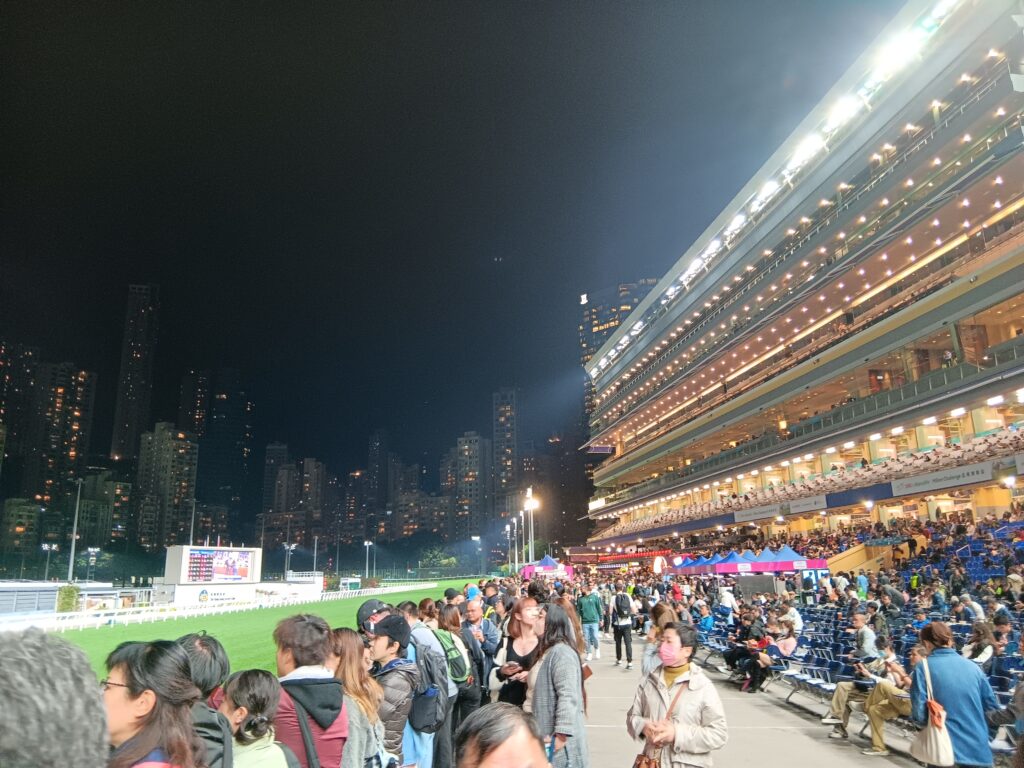
The weekly Happy Wednesday horse races at the Happy Valley Racecourse are just a stone’s throw from Tai Hang!
Tai Hang may be located just next to Causeway Bay on Hong Kong Island, but it feels a world away. Arguably the coolest of Hong Kong’s neighbourhoods, this is a quiet, calm spot filled with plenty of Instagrammable cafes, restaurants, and bars. This is the place to spend a few hours wandering, sunlit laneways lined with traditional tong lau (Hong Kong’s low-rise local buildings).
While it’s trendy and easy to explore on foot, Tai Hang can be a little quiet for visitors looking to explore the city. Luckily, there are plenty of easy transport options: the MTR’s Tin Hau stop is nearby, and lots of buses – both classic double-deckers and local minibuses.
Tai Hang is probably the best neighbourhood to stay in Hong Kong if you’re looking for high-quality eats that won’t break the bank. Dough Kitchen offers Japanese-inspired Italian dishes that mimic Tokyo’s famous Italian eateries; Chin Jor Fan Tong serves unbeatable soup noodles served by creative young Hongkongers; while Moto brings an Izakaya experience to the area.
Need a caffeine fix? Sip a quality brew in Scandi-chic surrounds at Heyday Café, or slip into Sonne CAD for serious single-origin brews in a pre-war tenement building.
This Hong Kong neighbourhood may fly under the radar of most tourists, but it’s actually a great spot to explore local traditions. The Tai Hang Fire Dragon Heritage Centre brings the eponymous dance and Hakka culture to roaring life in a Grade III historic building; Lin Fa Kung is a monument-grade temple; and Lai Tak Tsuen, a public housing estate, is the first example of cylindrical architecture in the city.
Given its largely residential nature, there aren’t too many hotels in this neighbourhood. If you want to stay here, Little Tai Hang is your best bet. The hotel is a collection of three smaller buildings featuring apartment-style rooms.
Tsim Sha Tsui – Best For: Hong Kong’s Big Hitters
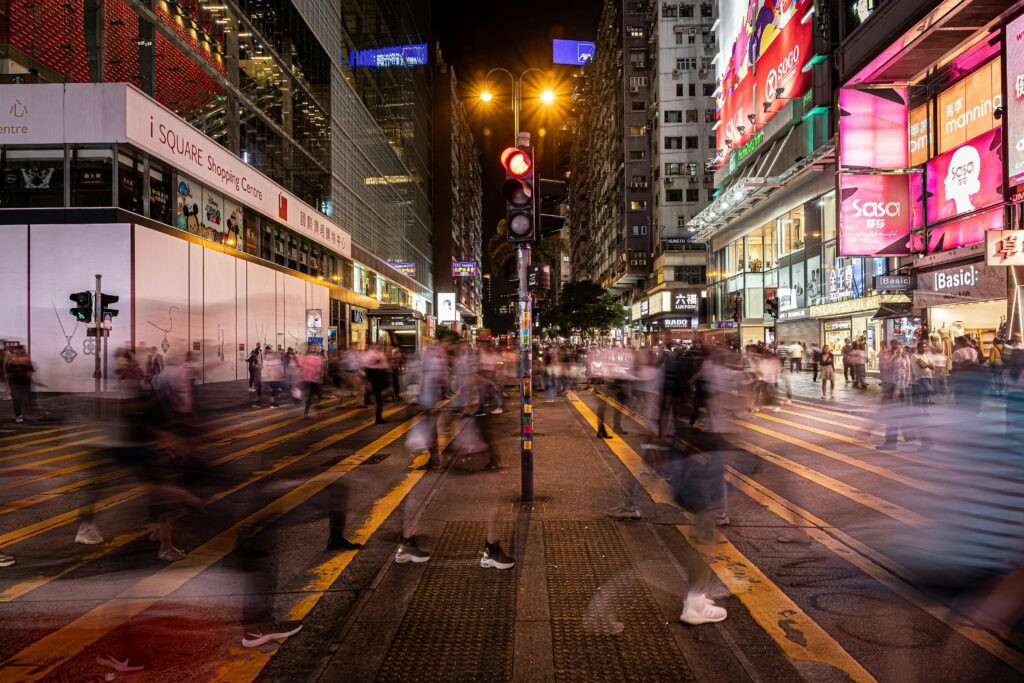
The beating heart of Kowloon, Tsim Sha Tsui, is a real 24/7 Hong Kong neighbourhood. Here, you’ll find everything from popular Hong Kong snacks (and street eats) to award-winning fine-dining, luxury retail and bespoke tailors to cheap local stores and traditional crafts, along with cultural attractions and glimpses of local life.
It’s also got unparalleled transport links. The many exits of Tsim Sha Tsui MTR station stretch to all corners of the area and quickly link you to other must-visit areas. There are also numerous buses to get you across the neighbourhood, and its location on the northern shores of Victoria Harbour also means you’ll have immediate access to the Star Ferry (an essential for any Hong Kong itinerary) and its routes to Central and Wan Chai.
Tsim Sha Tsui is also a great spot to explore Hong Kong’s street food. Sample cheong fun (steamed rice noodle rolls) and sui mai (steamed dumplings) at Hop Yik Tai; try Shanghainese-style crispy pan-fried soup buns at Cheung Hing Kee; and bite into the famous egg waffles at Mammy Pancake. For something fancier, dine on exquisite Cantonese at Spring Moon or enjoy hearty steaks at Carna or The Steak House. For drinks with a view, grab a table at Avoca or Aqua – or slip into Darkside for creative cocktails with a side of jazz.
You’ll find plenty of shopping around Tsim Sha Tsui – from street markets to luxury malls like Harbour City – but you’re better off spending your time here exploring the area’s cultural attractions. Check out the Former Marine Police Headquarters at 1881 Heritage, take in the exhibitions at the Hong Kong Museum of Art, and stroll along the promenade and the Avenue of Stars.
Tsim Sha Tsui is arguably one of the best neighbourhoods in Hong Kong for hotels. For a luxe stay with all the trimmings, try The Peninsula, The Regent, or Rosewood. If you want something with a bit of personality, check into Mondrian Hong Kong for locally-inspired design with cultural programming, or FWD HOUSE 1881 for a history-infused stay.
Wong Chuk Hang – Best For: Hipsters
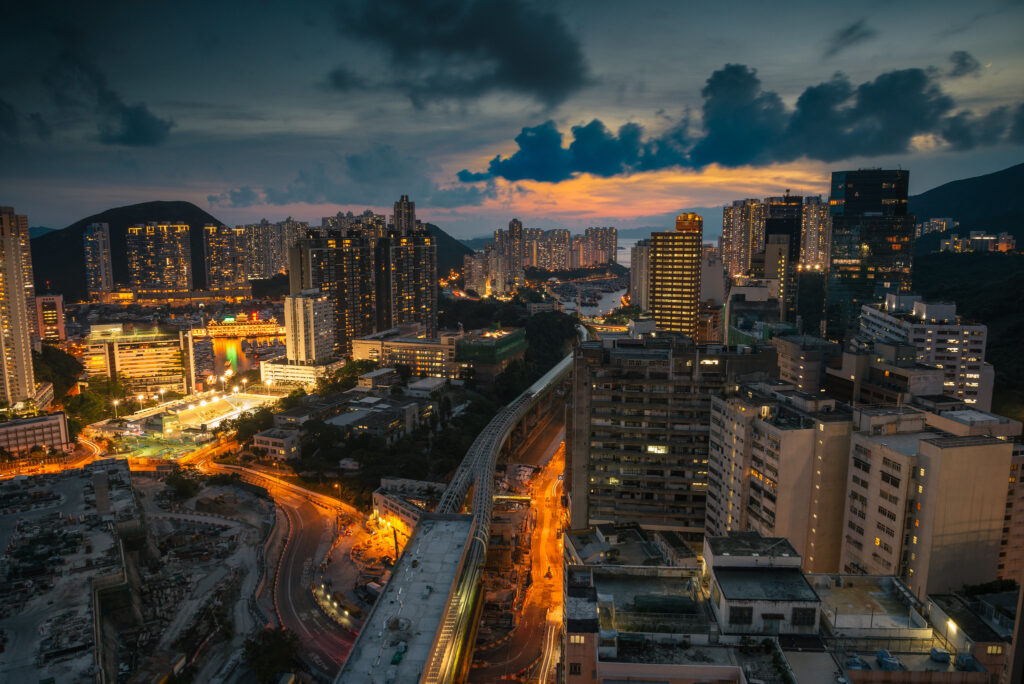
Think of this Hong Kong neighbourhood as the city’s answer to New York’s Williamsburg. What was once a bustling industrial district has undergone a renaissance to become one of the coolest areas on Hong Kong Island. Former factory buildings have been given a new lease on life by housing offices, restaurants, studios, galleries, distilleries, and in one case, even a hotel. This isn’t necessarily the busiest of all Hong Kong’s neighbourhoods, but that only makes it more attractive.
The addition of a dedicated MTR station means the area is now easily connected to the rest of the city – you can be in Central about 15 minutes, and in Tsim Sha Tsui in about 25. As with the rest of Hong Kong, there is also a wealth of buses and cabs if you want to venture further afield.
When it comes to food, Wong Chuk Hang isn’t quite as blessed as other districts of the city. But that hardly means you’ll go hungry. You’ll find South American-inspired vegetarian plates – and a lovely terrace – at Komune, delicious tacos at Te Quiero Mucho, and single-origin coffee and Ugandan “Rolexes” (rolled egg wraps) at Africa Tea & Coffee. Wash it all down with the locally-brewed craft beers at Young Master Ales (they do brewery tours on Saturdays).
Need something to do? Shop for pre-loved designer pieces at Hula, create your own masterpiece at Artjamming, and indulge in sound healing or meditation at Red Door Studio. There are also numerous art galleries to explore – try de Sarthe, Blindspot, Rossi & Rossi, Pékin Fine Arts, and Gallery Exit.
Staying overnight? Book a room at Southside by Ovolo or industrial-chic style with great vegetarian food or The Arca for a boutique stay with harbour views.
Sai Kung – Best For: Beach Living
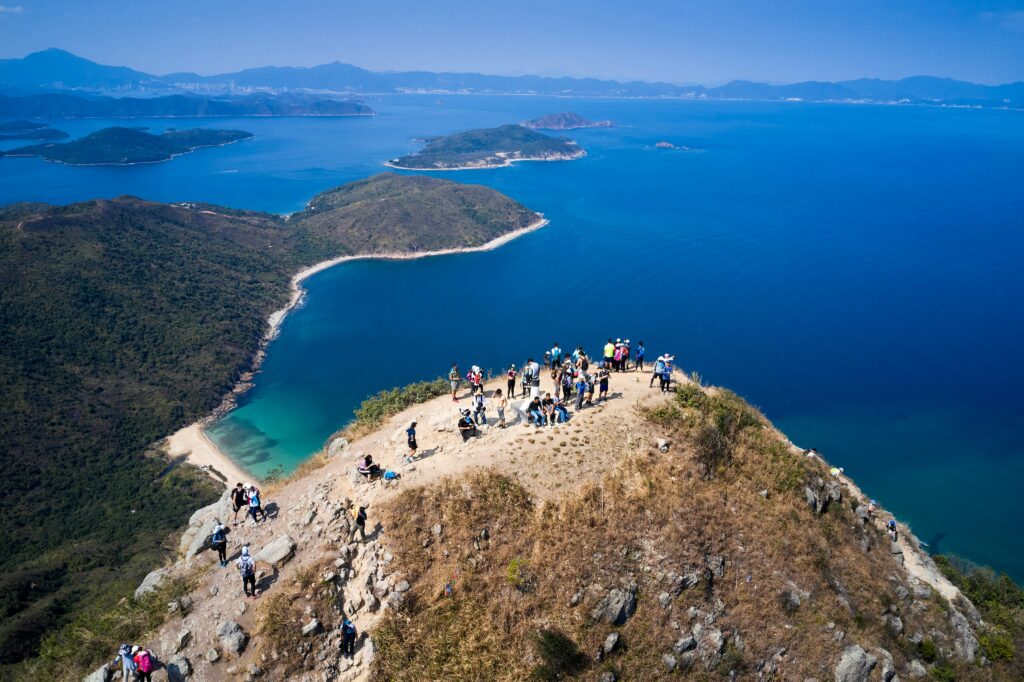
A waterfront stay far from the maddening crowds? Sign us up! Sai Kung is one of the best neighbourhoods in Hong Kong for oceanside living, complete with cute cafes and restaurants, quirky bars, and plenty of beaches. It’s not as lively as more central areas of the city, but that just means it’s more tranquil and relaxing.
Sai Kung is a peninsula on the eastern front of Hong Kong’s New Territories, northeast of Kowloon. If you don’t mind being a little further out and have a little more time, you can jump on a bus and MTR (usually Hang Hau, Diamond Hill, or Mong Kok) to access the rest of Hong Kong. There are also green cabs, but they won’t go into Kowloon or Hong Kong Island – you’ll need to transfer to a red cab or to the MTR.
Eating and drinking in Sai Kung is very relaxed and casual. Residents love a weekend brunch at the Scandinavian-style Little Cove Espresso, lazy Mediterranean lunches at the breezy Conservatory, or mouth-watering burgers at Big Pink. If you need something for an occasion, there’s Michelin-starred Cantonese food at Loaf On, while Seafood Street (on the waterfront) is a go-to for fresh seafood and ice-cold Blue Girl beers.
Hanging out in Sai Kung is all about soaking up the great outdoors. There are numerous beaches to enjoy – Tai Long Wan, Long Ke Wan, and Trio are among the best. There are also lots of hiking trails if you’re feeling active. Sai Wan Pavilion and Sharp Island are good for beginners, but if you want a challenge, try tackling Tai Long Wan (you’ll reach the beach at the end) or Short Peak.
Fancy staying in Sai Kung to soak up the laidback vibes? Check into the modern WM Hotel, which has a rooftop infinity pool, or try The Pier Hotel for great views of (what else?) the pier and ocean.
Jordan – Best For: Buzzy Local Life
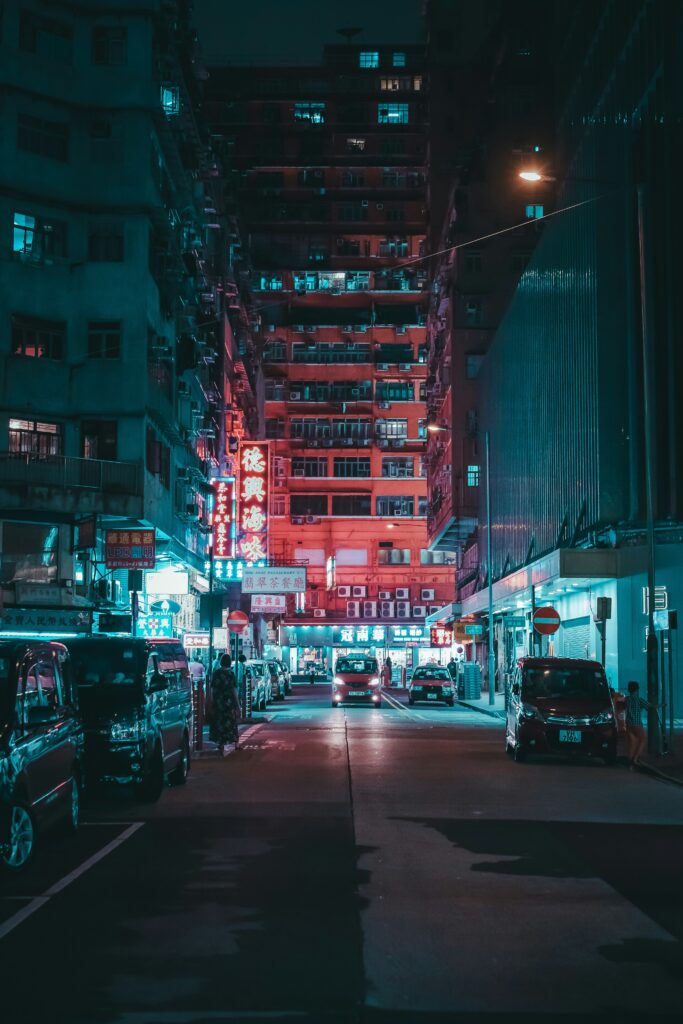
Always bustling and a microcosm of Hong Kong culture, Jordan is the Hong Kong neighbourhood to check out for a slice of local life. Here, the city’s history, culture, and traditions are rendered in vivid colour. Technically, it’s a residential district, but you’ll find plenty of attractions here, too.
Nestled in Kowloon, just north of Tsim Sha Tsui, Jordan is a small enclave that’s easily walkable – and this is the best way to explore its busy streets. If you’re tired, buses and minibuses run through the area’s main arteries. And, if you want to visit other parts of the city, there are two MTR stations: Jordan on the east side, and Austin in the west.
But as a visitor, you’ll want to spend some time in the area. The famously vibrant Temple Street Night Market, with its hodge-podge of stalls, Cantonese opera singers, and street food vendors, while Tin Hau Temple is an architectural gem – you can even get your fortune told by the many tellers and palm readers outside. Yue Hwa Chinese Products Emporium is a temple to local products, from mahjong tiles and silk scarves to calligraphy and ceramics.
Jordan’s also one of the best Hong Kong neighbourhoods to indulge in local eats. Sample stir-fried noodles and fresh seafood at Temple Street Spicy Crab; try local baked claypot rice at Hing Kee or Four Seasons Pot Rice; and indulge in a cha chaan teng (local diner) experience at the Australian Dairy Company. For something more refined, feast on classic Cantonese at Michelin-starred Yat Tung Heen. For drinks, try the craft cocktails at Terrible Baby, or sips with a view at Horizontal Lounge.
For a comfortable, affordable stay, Eaton Hong Kong is one of the best boutique hotels in Hong Kong, infused with creativity and community.
West Kowloon – Best For: Culture Vultures
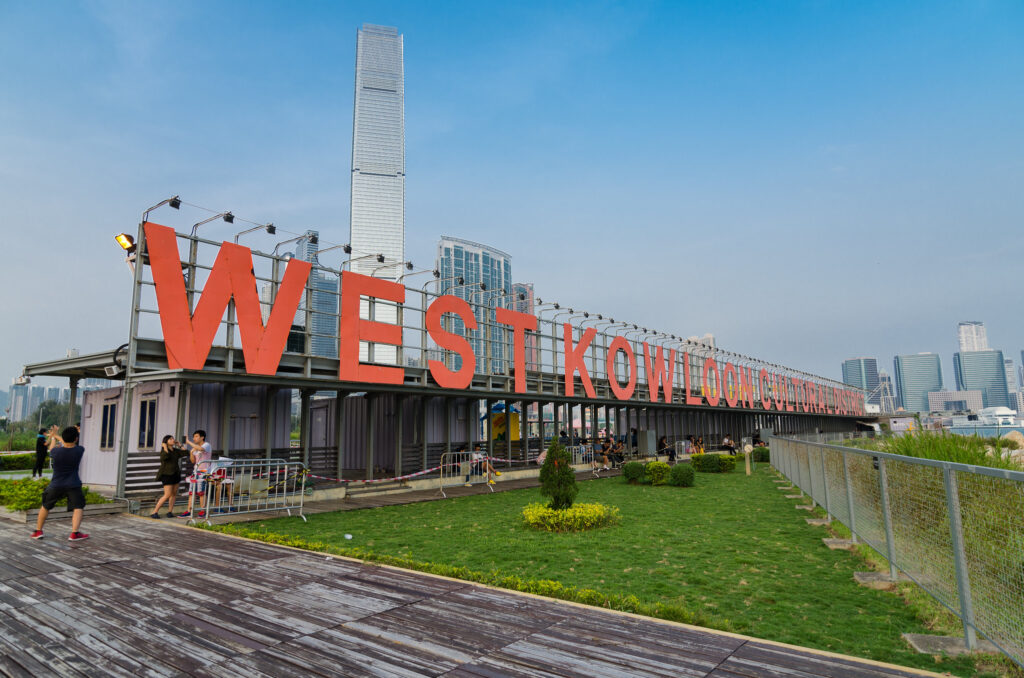
One of the newest Hong Kong neighbourhoods, West Kowloon, is attracting locals and visitors alike with its many cultural attractions. The area does tend to get a little quieter at night, but that’s probably a good thing. Throw in some great outdoors, and you’ve got an enclave that’s interesting and reasonably well-connected.
Situated along the waterfront of the Kowloon Peninsula, to the west of Tsim Sha Tsui, West Kowloon is a great place to explore under your own steam. But, if you’re pressed for time, there are always buses to get you from A to B. The MTR’s Kowloon station is at the heart of the district, while Austin is in its east. The High-Speed Rail station here connects the neighbourhood to the Chinese mainland in 15 minutes.
Culture is West Kowloon’s main draw, so be prepared to soak it all up. The massive West Kowloon Cultural District houses the M+ Museum and the Palace Museum, while the Art Park often hosts concerts, outdoor festivals, and other events, and also has plenty of manicured lawns and bike paths. Nearby, the Xiqu Centre is dedicated to Cantonese opera. If you need a break, the Elements mall has plenty of shopping.
While food isn’t the focus in West Kowloon, this Hong Kong neighbourhood’s no slouch when it comes to dining. There’s Asian-French fine-dining with panoramic views at Pano; authentic Cantonese cuisine at Agate; and classic wonton noodles at Mak’s Noodle. For elevated fare, there’s Michelin-starred Cantonese at Tin Lung Heen and much-lauded Italian at Tosca. Stop at Ozone for drinks at the world’s highest bar.
Stays in West Kowloon are all about luxury, so be prepared to splash out a little. The Ritz-Carlton Hong Kong offers a sky-high luxury experience with exquisite drinking, dining, and wellness, while W Hong Kong brings a cheeky attitude to opulence.
Mong Kok – Best For: Local Immersion
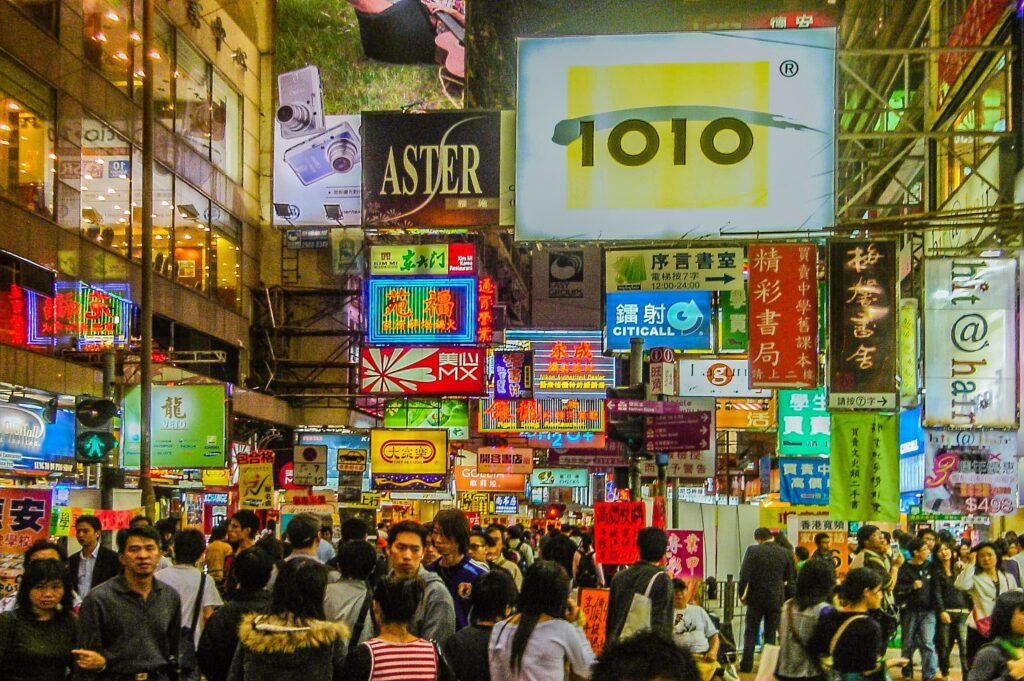
Arguably the best neighbourhood to stay in Hong Kong if you want real local immersion, Mong Kok brings traditional Hong Kong to life. The Cantonese phrase for “crowded corner”, Mong Kok, features dystopian multistory structures (that have featured in Hollywood films), residential buildings, bright neon lights, and bustling streets. If you think New York doesn’t sleep, you haven’t been here.
Walking is the best way to get around Mong Kok, but if you’re looking for speed, buses and cabs will be useful. There are also three MTR stations (Prince Edward in the north, Mong Kok in the centre, and Yau Ma Tei in the south).
Most visitors head to Mong Kok to visit the famous Ladies Market, which sells everything under the sun, but there are also markets dedicated to goldfish (and other amphibious animals), flowers, birds, and even sneakers. There’s also a historic tong lau called Lui Seng Chun, and lots of quirky stores – try Zoo Records for vinyls, or head to 66 Sai Yeung Choi Street South, where you’ll find an indie bookshop, a camera store, an antique store, and more.
Chinese food of all types is the mainstay of Mong Kok’s dining scene. Chuan Palace offers fiery Sichuan dishes; Ming Court offers Cantonese fine-dining; Ju Xing Home specialises in homey Cantonese fare; and Miu Kee serves steaming bowls of congee. Be sure to stop at Knockbox Coffee Company for a caffeine hit, and The Madhouse Taproom for local craft beers.
Mong Kok’s hotel scene strikes a good balance between affordability and comfort. Michelin-recommended Cordis Hong Kong offers sumptuous rooms with Chinese-infused style, while Hotel Madera Hong Kong has nature-inspired aesthetics in a boutique experience.
Which Neighborhood Is Right for You?
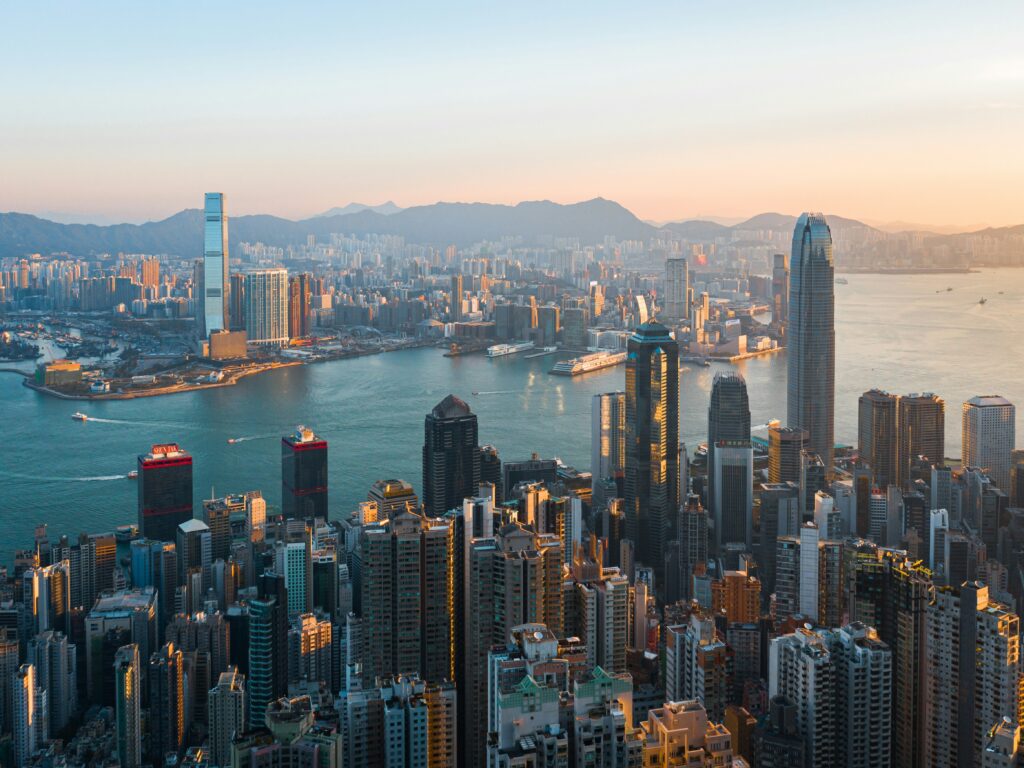
So, how do you choose the best neighbourhood to stay in Hong Kong? It comes down to your priorities and preferences.
Here are a few things to consider.
- Do you want to walk or have access to transport links?
- What kind of vibe are you looking for? Do you want a quiet stay or to be in the thick of the action? Are you looking for somewhere modern, or a slice of local life?
- Would you prefer a luxury hotel with all the trimmings or a local boutique stay?
- What budget are you working with?
- What sort of things do you want to do? Will you be shopping ‘til you drop, eating all day, soaking up some culture, or perhaps lazing on a beach?
- Are you travelling by yourself, with a partner, with friends, or perhaps with kids?
These are our suggested neighbourhoods, based on what you’re looking for:
- First-time visitors: Tsim Sha Tsui, Sheung Wan, Central, Wan Chai
- Shopping enthusiasts: Tsim Sha Tsui, Causeway Bay
- Foodies: Wan Chai, Mong Kok, Sheung Wan
- Laidback vibes: Sai Kung, Tai Hang
- Budget-conscious: Wan Chai, Mong Kok, Jordan