

Did you know that we have over 250 islands in Hong Kong – some of which are uninhabited?
The outlying islands of Hong Kong offer a rare window into the city’s wilder side, extending well beyond the skyscrapers and harbor views that so often define its image.
Beyond the incredible shopping malls, acclaimed restaurants, and vibrant arts and culture scene, the city’s quieter side involves mist-shrouded mountains, ancient temples, and tranquil fishing villages where life moves at its own unhurried rhythm.
Think of them as Hong Kong’s antidote to the urban rush: equally suited to a spontaneous day trip or a leisurely multi-day escape. You don’t need to be a hardcore trekker or wilderness purist to enjoy them either — these islands reward food lovers, culture seekers, families, and casual strollers just as much as adrenaline junkies.
In this guide, we’ll help you navigate the practicalities first, then dive into the character of each island, with insider tips on what to see, eat, and experience once you’re there. Happy island hopping!
Planning Your Outlying Islands Adventure
Hong Kong’s landscapes offer a unique mix of city and nature.
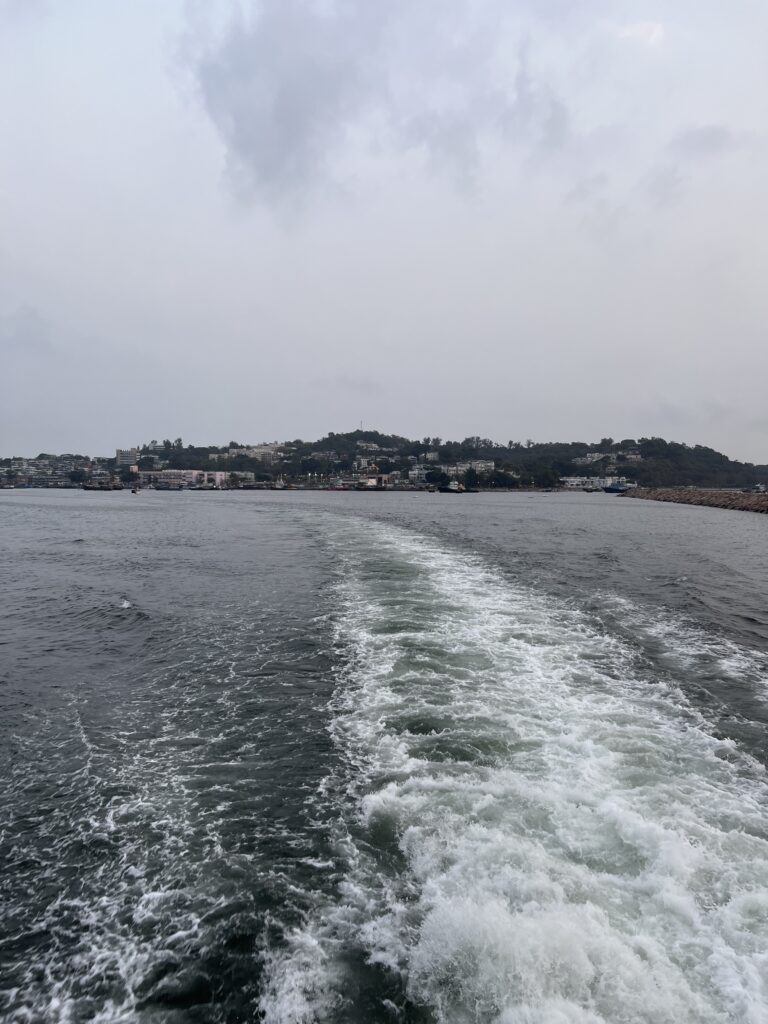
Visiting Hong Kong’s outlying islands is refreshingly simple — efficient, inexpensive, and only a short hop from the city center — though it certainly helps to plan ahead (a must for any proper Hong Kong itinerary). Ferries, sampans, kaito boats and, for the luxury traveler, a yacht charter, are the main arteries, and with a little foresight, you can even stitch together a multi-island adventure in a single day.
Timing, however, makes all the difference. Summer (May to October) draws the biggest crowds, especially in June and July during the school holidays, when locals and travelers flock to the beaches for a swim. It’s also peak humidity — think steam-room conditions — and the season carries the added gamble of typhoons, with Hong Kong averaging five to six each year.
A weekday visit can ease the crush, but if you’d rather skip the sweat and the storm warnings, winter (November to February) is cooler, drier, and far less crowded. Swimming may be off the cards, but the crisp air makes hiking and exploring infinitely more pleasant. While we don’t have a “traditional” spring and fall season, March to May and October to November strike an ideal balance when it comes to weather: balmy enough for a dip, yet cool enough for long rambles.
No matter the season, dress for comfort. Trainers are best for walking, light clothing will serve you well, and sun cream is essential. Toss a hat and a small umbrella (come rain or shine!) in your bag, a bottle of water to stay hydrated, swimwear if you plan to take the plunge, and a bit of cash — some vendors are yet to embrace contactless payments. If you’re staying in Hong Kong more than a few days, invest in an Octopus card; it’s the city’s transport lifeline and doubles as a wallet for countless shops and cafés.
Cheung Chau — A Colorful Foodie Haven
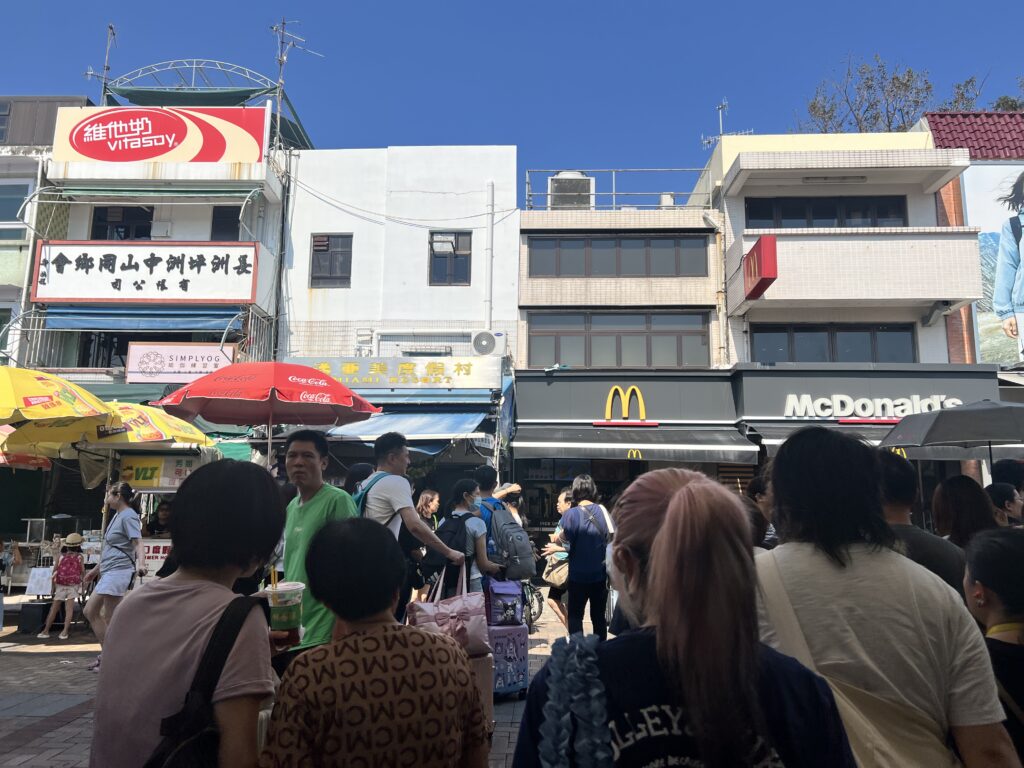
Cheung Chau can be super busy during the summer months — especially on weekends.
Cheung Chau is Hong Kong at its most laid-back and whimsical: an artsy, colorful island where giant fishballs and mango mochi (some of the city’s favorite irresistible snacks) are practically a food group. Street vendors line Tai Hing Tai Road and Tai San Praya Road, tempting passersby with skewers and sweets, while the island’s annual Bun Festival sees competitors scramble up a 14-meter tower in pursuit of good luck (and buns).
When you’re not snacking, there are leisurely biking trails — complete with multi-person bikes if you fancy teamwork — as well as hikes like the Cheung Chau Family Walk and the so-called Mini Great Wall. Cultural stops include Pak Tai Temple, and beach lovers will find Tung Wan, a crescent-shaped stretch of sand perfect for an afternoon dip.
The island’s creative streak runs through its boutiques, too. Browse Tung Wan Road for shops like Myarts and Island Workbench, or head to San Hing Back Street for Sugarman Shop’s quirky candy-blowing finds. Dining is equally varied: tuck into seafood at New Baccarat Seafood Restaurant, Vietnamese fare at Ba Chi Em, or artisan loaves at Cheung Chau Sourdough. But honestly, the best way to explore Cheung Chau is to wander without an agenda — the island rewards curiosity at every turn.
Getting there is simple. From Central or Hong Kong MTR stations, follow the signs through the IFC Mall to the Central Ferry Piers. Pier 5 is your gateway to Cheung Chau, with ferries running every 30 minutes. The fast service takes 35 minutes, the slow ferry just under an hour, and both offer plenty of harbor views en route (check the ferry timetable here). There’s also an inter-island ferry linking Mui Wo (Lantau), Peng Chau, and Cheung Chau — ideal if you’re keen to hop between them. Traveling with a group? Consider hiring a private junk boat for a more flexible (and far less crowded) journey.
Lamma Island — Hipster Beach Vibes
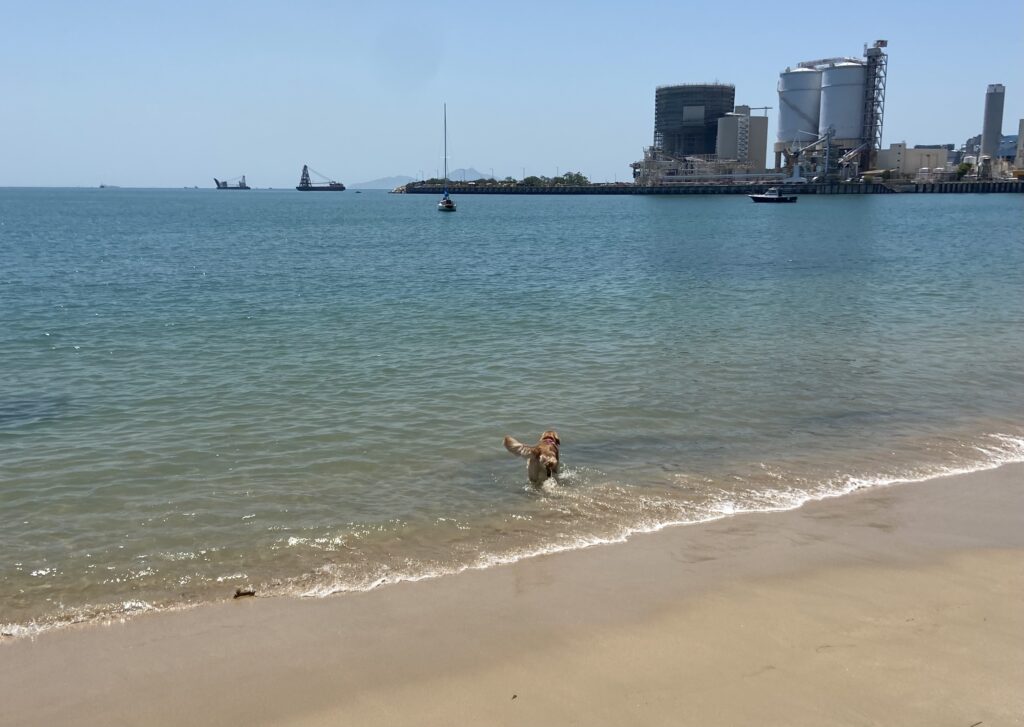
Lamma Island is popular among locals — and their pets — and tourists alike.
Sleepy, sun-dappled, and endlessly laid-back, Lamma Island sits just 25 minutes by ferry from Central yet feels worlds apart. Inhabited since the Bronze Age, this former fishing hub has evolved into a multicultural enclave where locals and expats live side by side, fueling a thriving creative scene.
The island’s two main villages — Sok Kwu Wan and Yung Shue Wan — frame its personality: the former quieter and more traditional, the latter livelier with cafés and boutiques. Linking the two, the Lamma Island Family Walk offers not only sweeping coastal views but also glimpses into the island’s heritage. History buffs can stop at Lamma Fisherfolk’s Village to learn about the life of traditional fisherfolk and even step aboard an authentic junk boat. Along the way, you’ll also find Tin Hau Temple, a nod to the sea goddess still revered by many, and the wartime Kamikaze Cave, believed to have sheltered Japanese boats during World War II.
For beach lovers, Hung Shing Yeh remains the island’s most popular swimming spot, while Lo So Shing and Mo Tat Wan promise quieter shores. Refueling is easy: Jaybird serves up hearty fish and chips, Terracotta Lamma delivers a Mediterranean spread, and stalwarts like Rainbow Seafood keep the island’s maritime roots alive. Casual cafés such as Banyan Bay invite you to linger, while The Beer Shack caters to the craft brew crowd.
Lamma’s artistic spirit shines through in its many studios and shops. Drop by the Lamma Art Collective for classes and workshops, browse Lamma Brand for island-inspired souvenirs, or explore Liz Fry Design for sustainable gifts and homeware. Festivals are another highlight: the Tin Hau Festival brings lion dances and Cantonese opera, while the Lamma 500 International Dragon Boat Festival turns the island’s waters into a spectacle of speed and color. For a quieter escape, Herboland — an organic farm and teahouse — offers a serene weekend retreat.
Getting to Lamma Island is straightforward. Ferries to Sok Kwu Wan (the calmer side) and Yung Shue Wan (the busier hub) depart from Central Pier 4, a short walk from Hong Kong Station via IFC Mall, with journeys taking around 30 to 40 minutes. Alternatively, a ferry from Aberdeen makes the trip in about 35 minutes.
Peng Chau — An Artsy Island Getaway
Peng Chau is an easily accessible beach destination.
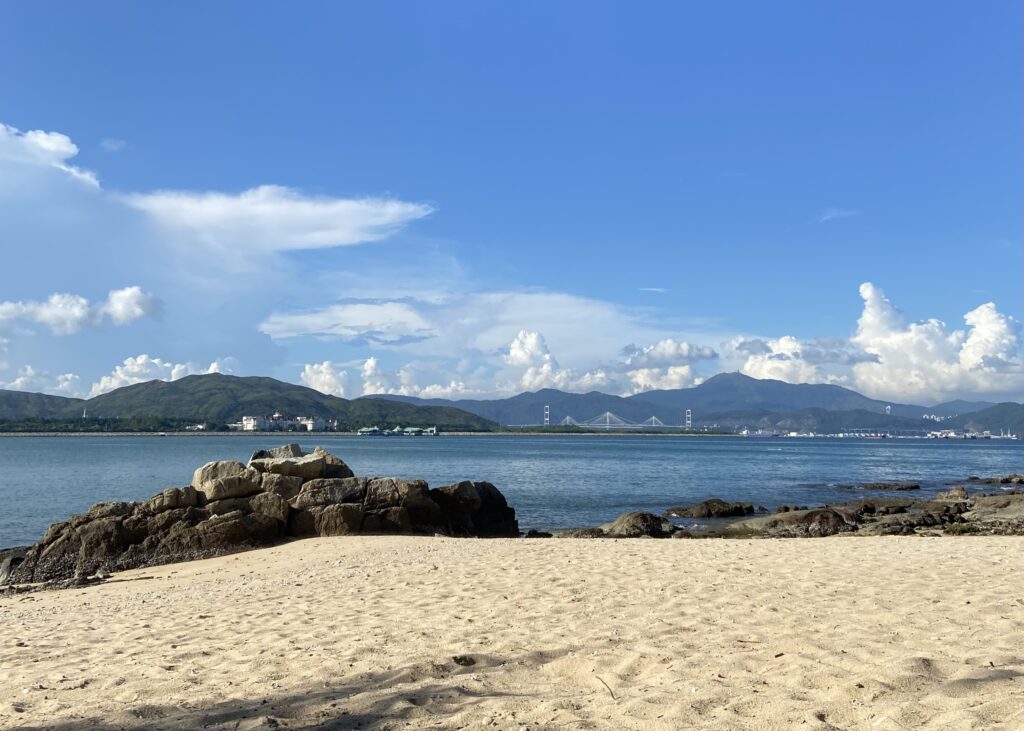
Peng Chau — literally meaning “flat island” in Cantonese — may measure just a single square kilometer, but what it lacks in size it more than makes up for in charm. Less than half an hour from Central, this rustic, quietly quirky outpost offers a slower rhythm of life, with scenic walking trails, heritage temples, and a surprising undercurrent of arts and culture.
Chief among its curiosities is the Fook Yuen Leather Factory, established in the 1930s and now a Grade III historic building where industrial relics meet Instagram-friendly backdrops. Temples dot the island too, including the Lung Mo Temple and a Tin Hau Temple rebuilt in 1972. For those craving a stroll, the “peak” tops out at just 96 meters — hardly Everest, but the views reward the effort and underscore the island’s walkable appeal!
Despite its sleepy image, Peng Chau has cultivated a buzzy café culture. Island Table Grocer Café, Second Serve, and The Edible Projects are among the favorites for a caffeine fix or a leisurely bite. Dining runs the gamut from the no-frills, cash-only Hoi King Seafood Restaurant to Hakata-style tonkotsu ramen at Shinn Meikann, comforting cha chaan teng classics at Hoho Kitchen, and fresh bakes at Today Bakery.
Artisans and collectors have found a natural home here, too. Browse House of Craft for locally made handicrafts, or hunt through A Lit Corner for antiques and one-of-a-kind curios. When the sun’s out, Tung Wan Beach beckons with its soft sands, and bikes are easily rented if you prefer to explore the island on two wheels.
Getting there couldn’t be simpler: from Hong Kong MTR Station, follow the signs through IFC Mall to Central Pier 6. Ferries to Peng Chau run frequently and take between 25 and 40 minutes (check the timetable here). Return the same way, or extend your adventure by hopping on an inter-island ferry to Cheung Chau.
Po Toi Island — A Geological Masterpiece
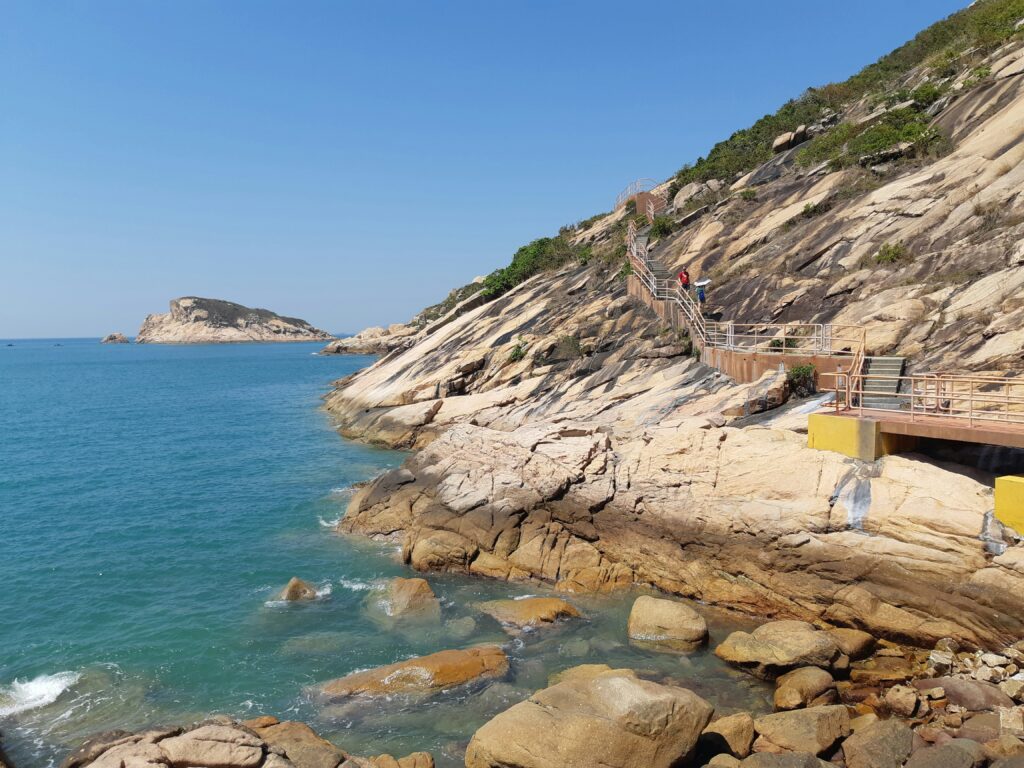
Po Toi Island is a geologist’s dream.
Geologists, day-trippers, and lovers of peculiar landscapes will find their fix on Po Toi, Hong Kong’s southernmost island, famed for its surreal rock formations. Early settlements here stretch back some 3,500 years, though for much of its history, Po Toi was a humble fishing village. Today, its permanent population hovers around twenty, yet its sculptural rocks and ancient carvings continue to lure weekend adventurers to its rugged 3.7-square-kilometer shores.
Highlights abound. Mo’s Old House — an atmospheric, long-abandoned dwelling once occupied by one of the island’s earliest families — comes with whispered tales of pirates and attempted kidnappings. Along the coastline, nature has carved its own gallery: the Supine Monk, Tortoise Rock, and Palm Rock (often compared to a Buddha’s Hand) are among the most striking, with Po Toi’s lighthouse standing sentinel nearby. The island’s Tin Hau Temple is another focal point, still hosting Cantonese opera performances during festivals.
Most visitors refuel at Tai Wan Village, home to Po Toi’s small community. This is also the only place to find toilets, drinking water, and simple meals — instant noodles with luncheon meat and seaweed are a local classic. Beyond the practical, the village offers a glimpse into island life, and, like much of Po Toi, no shortage of photogenic corners.
Getting here requires a little planning. Kaito ferries run from Aberdeen Pier (Tuesdays, Thursdays, Saturdays, Sundays, and public holidays; about one hour) or from Stanley’s Blake Pier (weekends and public holidays; about 30 minutes). Services are infrequent, so check schedules carefully to avoid a long and unintended stay (find out more here).
Tung Ping Chau Island — UNESCO Global Geopark
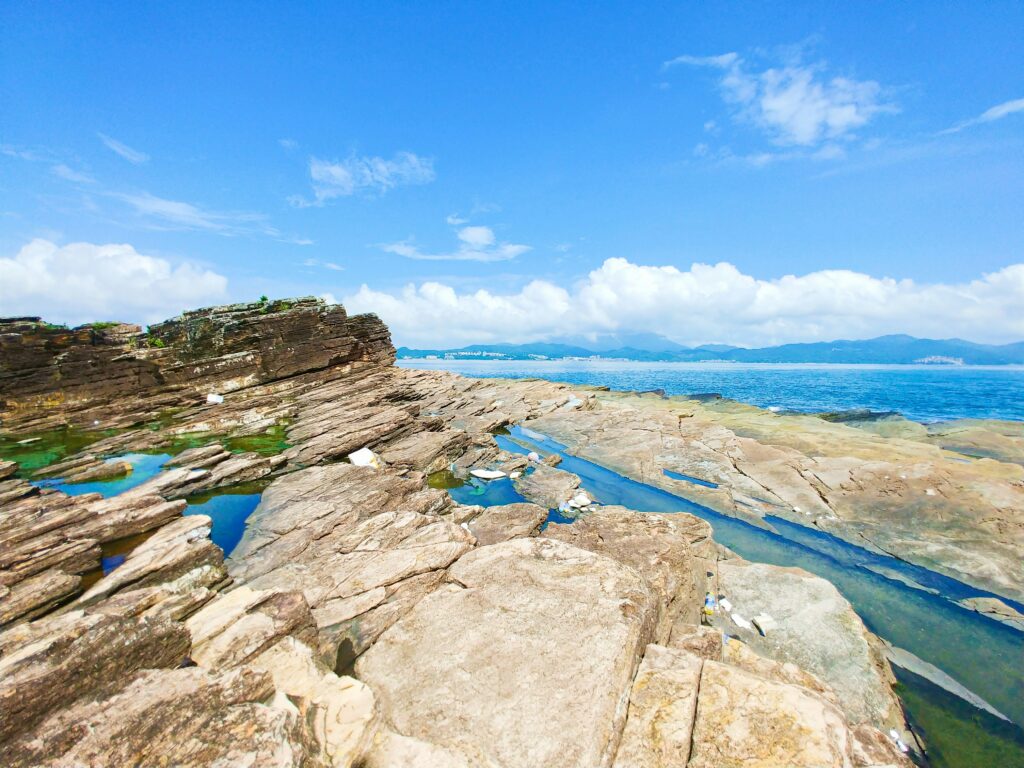
Tung Ping Chau Island is not easy to get to, but it’s well worth the effort once you’re there.
Another geological wonder, Tung Ping Chau, is a must for anyone fascinated by Hong Kong’s wilder edges. The island is famed for its striking geosites and paper-thin layers of sedimentary rock — fine laminated siltstone that tells stories millions of years old. Remarkably flat, its highest point rises just 48 meters above sea level, yet what it lacks in altitude it more than makes up for in natural drama.
Part of the UNESCO Global Geopark, Tung Ping Chau is celebrated for its vibrant coastal and marine ecology as well as its otherworldly landscapes. Chief among them are its wave-cut platforms, where twin rock columns rise like ancient watchtowers above the sea. Other highlights include the once-intact Tofu Rock, the honeycombed surface of Honeycomb Rock, the narrow gorge of Cham Keng Chau, and Lung Lok Shui, a raised siliceous rock strata that resembles a dragon stretching toward the water. Cheung Sha Wan Beach, with its gentle crescent of sand, offers a quieter pause between explorations.
Though a couple of small restaurants exist, facilities are limited, so it’s wise to pack snacks and water for your walk.
Reaching Tung Ping Chau requires a little effort. From MTR University Station, take a five-minute taxi or bus 272K to Ma Liu Shui Ferry Pier. From there, Kaito ferries run to the island on Saturdays, Sundays, and public holidays only, with the journey taking about 90 minutes (find out more here).
Tsing Yi — Where City Meets Nature
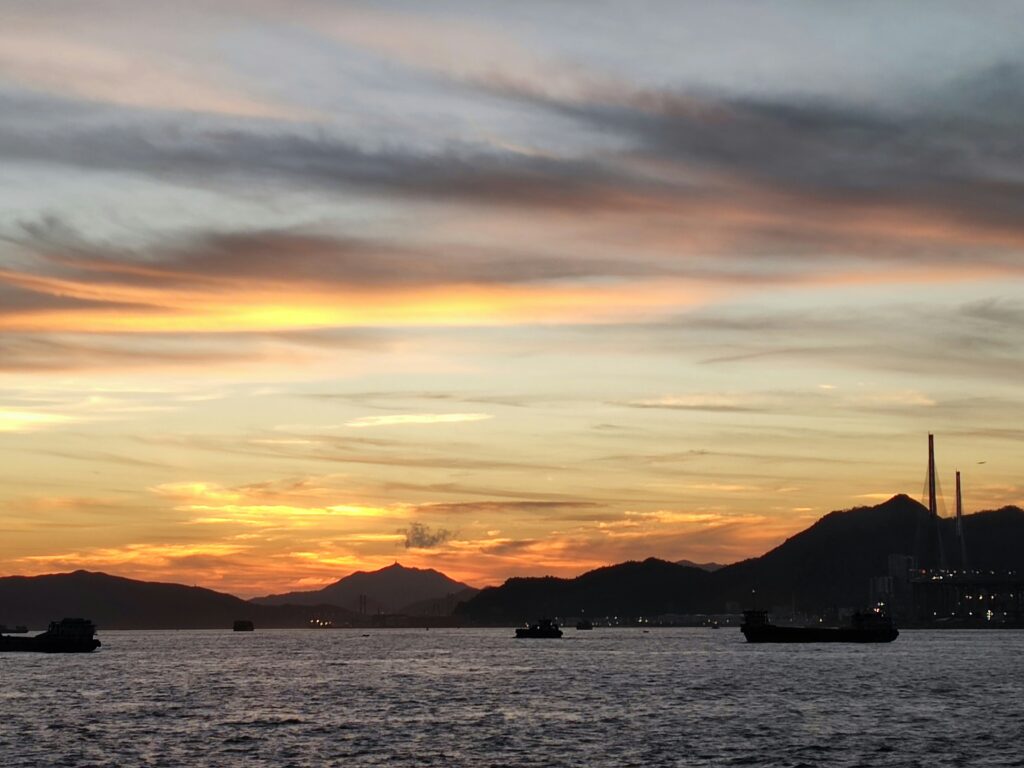
A look at Tsing Yi Island from the promenade of West Kowloon Cultural District.
Yup, technically Tsing Yi is an island! Sitting in the New Territories, it merges urban bustle with natural escapes. Here, you’ll find that hiking trails and fishing-village remnants coexist with shopping malls and chain restaurants.
For a dose of nature, the Tsing Yi Nature Trails offer a manageable three-kilometer climb — about an hour’s walk — with sweeping views of the sea and the island’s impressive web of bridges. On gentler days, the Tsing Yi Promenade makes for a leisurely waterfront stroll, while Tsing Yi Park is particularly pretty in the fall when the foliage burns gold and crimson. Come April or May, the Tin Hau Festival transforms the island with fireworks, incense, and Cantonese opera performed in a makeshift bamboo theatre, keeping a centuries-old tradition alive.
Dining runs from glossy mall staples like Paradise Dynasty and Beans The Rambler to more authentic fare in the island’s older villages, where the fishing-village spirit still lingers.
Getting here couldn’t be easier: Tsing Yi has its own MTR station, and numerous bus routes connect it to many parts of the city. Apps like Citymapper or Google Maps will steer you toward the most convenient option, wherever you are.
Kat O — The “Crooked Island”
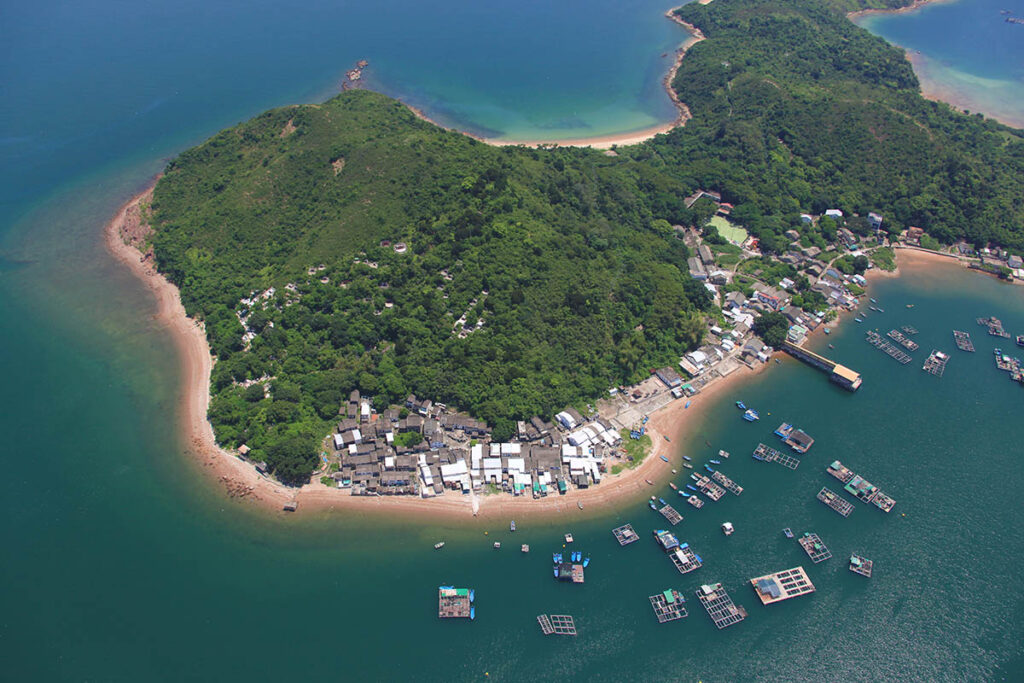
Kat O is one of the most secluded islands in Hong Kong. Image courtesy of Hong Kong Geopark’s website.
Kat O — also known as “Crooked Island” or, more poetically, “Lucky Harbor” — rests in the northeastern waters of the New Territories, its sheltered bay giving the island both its name and its character. Once a bustling marketplace for the Mirs Bay region, Kat O was far more than a fishing village: Hakka settlers and fisherfolk coexisted here, building a reputation for hospitality and always lending a hand to travelers passing through.
Today, the island is quieter, but its history still lingers. A 20-minute climb brings you to Ko Tei Teng viewing point, where panoramic vistas stretch across Kat O, Double Haven, and even the resort skyline of Shenzhen. Another excellent lookout, Ko Pang Teng, opens to Tung Wan O Beach and Pui Tong. Back in the 1950s and 1960s, Kat O’s main street brimmed with more than 60 shops; while the numbers have dwindled, you can still find traditional Hakka snacks — turnip cakes among them — and the unmissable Yik Man Restaurant, famed for its cuttlefish balls. If your timing aligns, the Tin Hau Festival parade is a spectacle of color and tradition.
Reaching Kat O is a bit complicated and lengthy, but it’s also rewarding. From MTR University Station (Exit B), walk to Ma Liu Shui Ferry Pier, where kaito ferries depart on weekends and public holidays; the journey takes around two hours. On Tuesdays and Thursdays, a service also runs from Tai Shui Hang (Shatin Area 77 Landing). Find out more here.
Given the limited schedules, many visitors opt to hire a boat or join a local tour for a more seamless journey.
Yim Tin Tsai — Hong Kong’s Revived Saltfarming Island
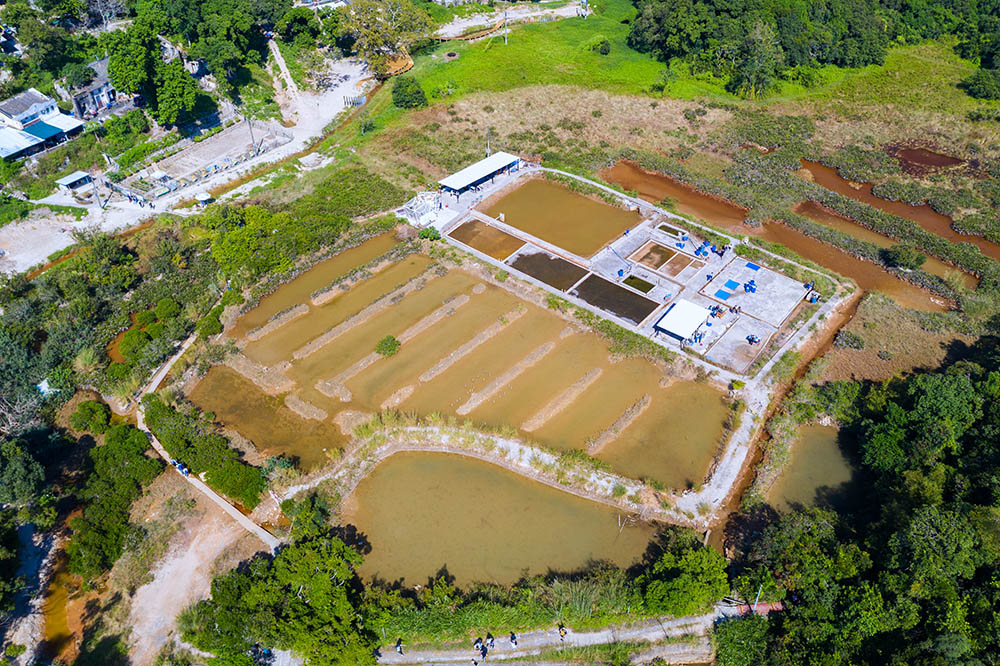
Yin Tin Tsai is the only salt production farm in Hong Kong. Image courtesy of Hong Kong Geopark website.
Translating to “little salt pan” in Cantonese, Yim Tin Tsai is a pocket-sized island just 15 minutes by boat from the laid-back seaside district of Sai Kung. Its story stretches back to the 1600s, when a Hakka clan settled here and began producing salt, selling it across Sai Kung and neighboring villages. By the late 19th century, European missionaries had introduced Catholicism, and the villagers built St Joseph’s Chapel in 1890 — a landmark that still stands today.
The island later fell into decline, but a revival in the early 2000s saw its saltpans restored and traditions carefully preserved. Today, Yim Tin Tsai is often described as an “open-air museum,” where visitors can join guided heritage tours, take part in hands-on sea salt workshops, and wander past relics of village life. The Spring of Living Water — the only functioning well for the community in its heyday — remains a poignant reminder of the island’s past. More recently, the Yim Tin Tsai Arts Festival has added a contemporary edge, blending cultural heritage with creative installations. If you’re hungry, stop by Chef de Yim Tin, a small restaurant by the pier (reservations recommended).
Getting to the island is simple: take the 1A minibus from Choi Hung MTR to Sai Kung town. Along the waterfront, you’ll spot “ferry ladies” selling tickets — look for the sampan (a traditional fishing boat) to Yim Tin Tsai.