

Hong Kong is a serious foodie city, where every corner offers something special. From the bustling street markets of Sham Shui Po, where vendors call out and dim sum carts roll through traditional diners, to the rich aromas of street food filling the air in Mong Kok, it’s a full sensory experience.
Growing up here, I’ve been fortunate to try almost everything on the menu, though not all snacks are created equal. What counts as the best snack in Hong Kong varies from person to person, especially given how deeply these foods reflect the city’s unique identity and diverse cultural influences. While debates about favorites are common, certain Hong Kong snacks remain undeniable local legends.
Here are some of the most beloved treats worth seeking out, including classic bites and street-side gems that truly capture the Fragrant Harbour’s flavor.
Oh, and no we didn’t forget about the buttery, flaky, and sweet Portuguese egg tarts that are found at most bakeries across the city, we just consider them ubiquitous and an already mandatory part of the Hong Kong snack experience.
Curry Fish Balls (咖喱魚蛋) — Spongy, Saucy, Street-Side Perfection
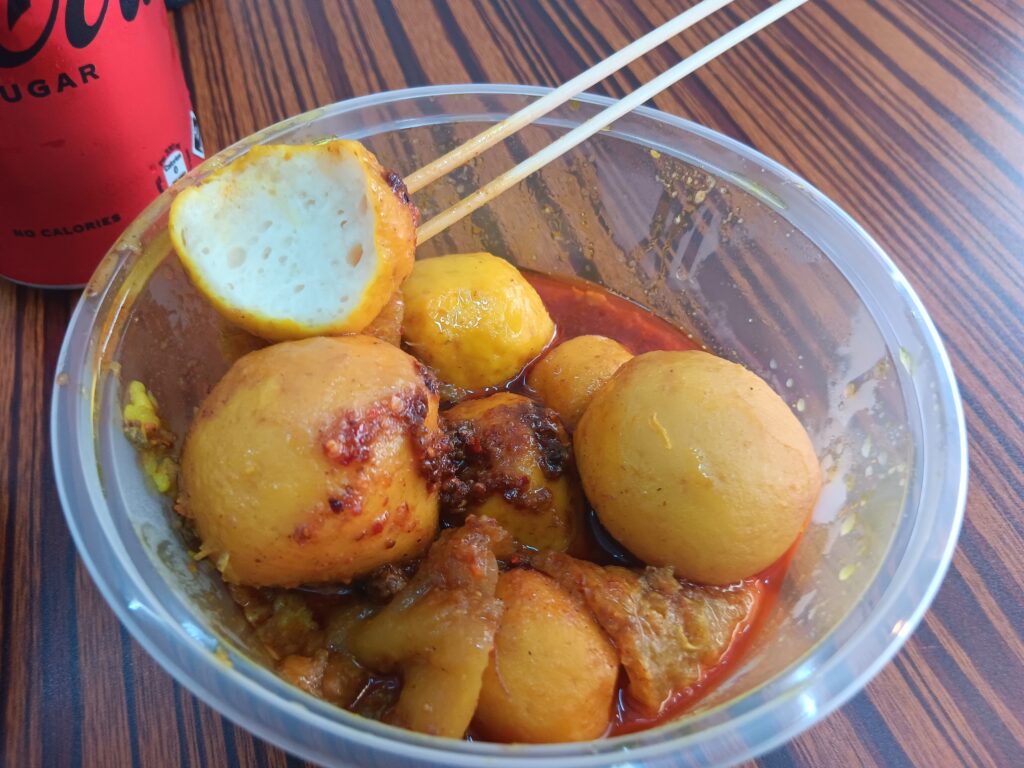
Curry fish balls are a quintessential Hong Kong snack.
The words “curry fish balls” might not sound very glamorous, but one bite will change your mind — and life. Served piping hot on skewers and drenched in rich, golden curry sauce, they’re an iconic Hong Kong street snack you grab between errands or late-night strolls.
Fish balls, originating from the Chiu Chow (Chaozhou) and Fujian regions of Mainland China, became a beloved street food in Hong Kong during the 1950s.
Vendors would stretch affordable fish paste – surimi — mixed with starch, then dunk the balls into spicy curry, crafting a flavorful and budget-friendly snack.
Soft, bouncy, and chewy, fish balls are tiny flavor bombs. Each bite offers a satisfying squeak, soft yet springy, like a mix of marshmallow and meatball, followed by warm, fragrant spice that lingers on your tongue.
Where to Find It in Hong Kong
You’ll find curry fish balls all over Hong Kong, but standouts include Fishball Man in To Kwa Wan and King of Fish Ball in Mong Kok, known for its fiery, numbing kick.
The best Hong Kong neighborhoods to hunt them down are Mong Kok, Sham Shui Po, and Tsim Sha Tsui.
Siu Mai (燒賣) — The Yellow Bite-Sized Icon That Hits Every Time
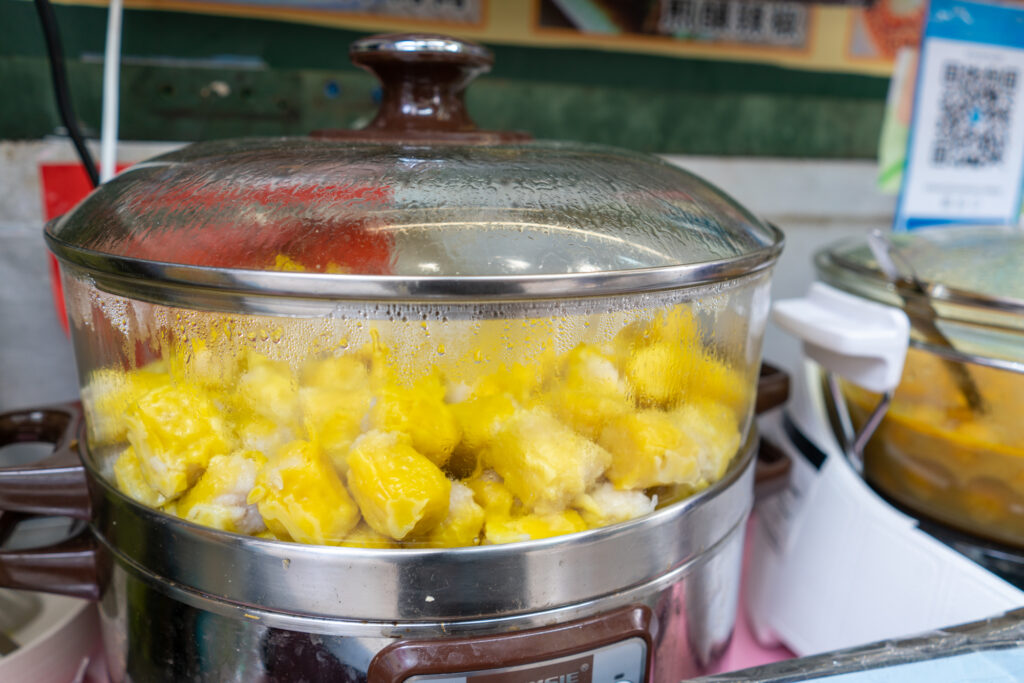
Siu mai is my favorite childhood snack.
Some kids crave fries or candy. Me? I grew up loving siu mai. Whether after school or on the way home, these yellow dumplings have always been my comfort food.
Siu mai is believed to have originated from Inner Mongolia. While the dim sum parlor version typically uses pork and shrimp, the street snack version substitutes fish paste, served bite-sized for easy consumption on the go.
Popular all day, whether in the morning, afternoon, or late night, it became a staple in the 1970s as quick and affordable street food for busy workers.
Classic siu mai is soft, juicy, and comforting. You can also try the deep-fried salt-and-pepper version available at some street vendors.
Where to Find It in Hong Kong
Siu mai is everywhere in Hong Kong, especially in busy snack districts like Sham Shui Po, Mong Kok, and Causeway Bay.
For classic dim sum siu mai bites, try Tim Ho Wan for affordable Michelin-starred bites, Joyous Gate for family-friendly favorites, or Celestial Court for a more elegant experience.
Pineapple Bun with Butter (菠蘿油) — Sweet and Buttery (No Pineapples Involved)
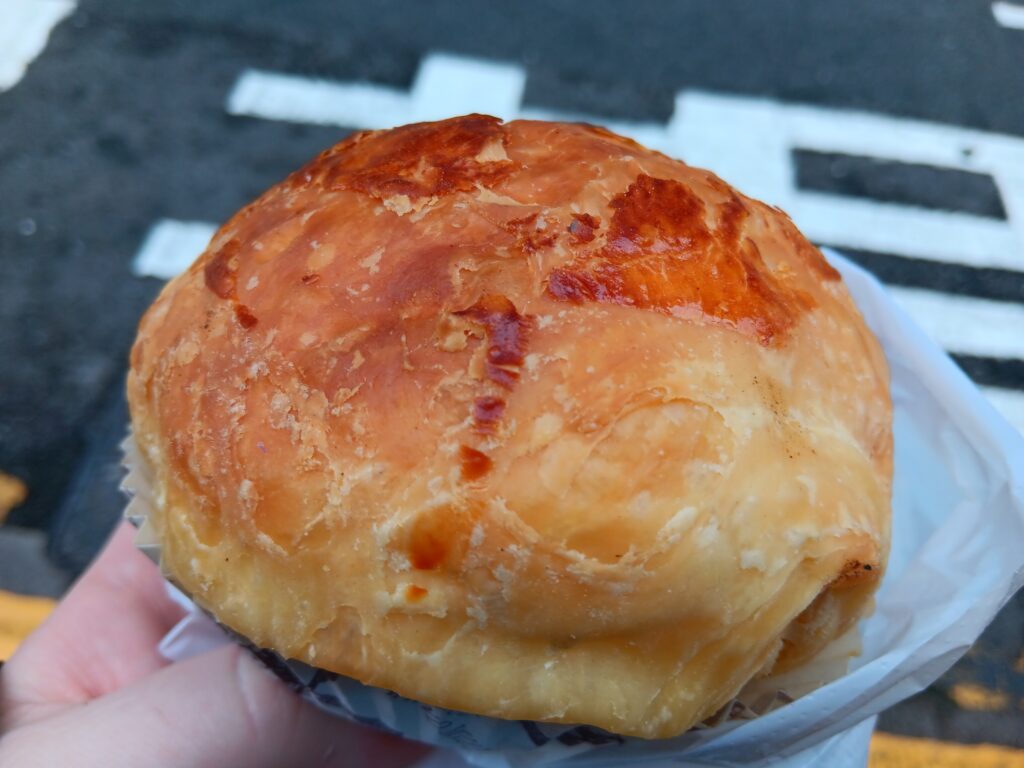
Pineapple buns can be found at pretty much every local bakery in Hong Kong.
Fun fact: there’s no pineapple in a pineapple bun. The name comes from its golden, crackly crust, which looks like the fruit’s skin. I used to have them all the time after school — they’re warm, fluffy, and pure comfort.
This Hong Kong bakery icon dates back to the 1940s. Imagine pillowy-soft bread crowned with a sweet, crumbly crust made of butter, sugar, and egg yolk. A cold slab of butter is tucked inside, so it melts into the bun as you bite in.
It’s a texture dream: crisp and crunchy on the outside, soft and airy on the inside, with rich, salty-sweet butter oozing through. For me, no croissant or brioche comes close to it.
Where to Find It in Hong Kong
Kam Wah Café in Prince Edward has perfected it since 1973 — arrive early, as they sell out quickly. For a seaside twist, Sai Kung Bakery & Café draws long lines for its stellar version.
However, if you want a pineapple bun that’s pushing the limits and actually incorporates its namesake fruit (some might consider this sacrilegious), consider heading to Legend Bakeology in Wan Chai or Yamazaki Bakery (locations spread across Hong Kong Island and Kowloon).
Egg Waffles (雞蛋仔) — Bubbly Goodness
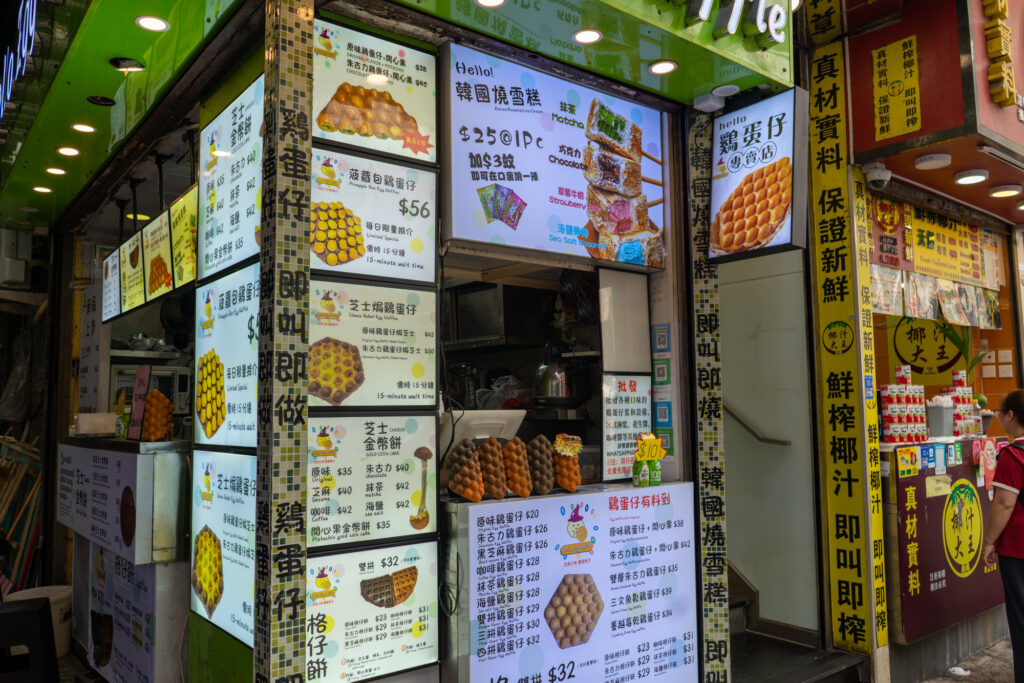
Egg waffles are widely popular in Hong Kong.
I’ll pick an egg waffle over a regular waffle any day. I still remember munching on them as a kid, so it holds a deep nostalgia for me.
Born in the 1950s, egg waffles were a clever way for street vendors to use cracked eggs. The batter, consisting of eggs, flour, sugar, and evaporated milk, is poured into a honeycomb mold and cooked until each bubble puffs up.
The magic is in the texture: crunchy shells giving way to soft, cake-like centres. It’s light yet satisfying — way more fun than your standard waffle.
Where to Find It in Hong Kong
Try Mammy Pancake for playful twists like matcha or double cheese. For classic perfection, hit Lee Keung Kee in North Point or Hung Hom Pancake.
Ham Macaroni Soup with Egg Toast (火腿通粉) — Classic Breakfast Combo
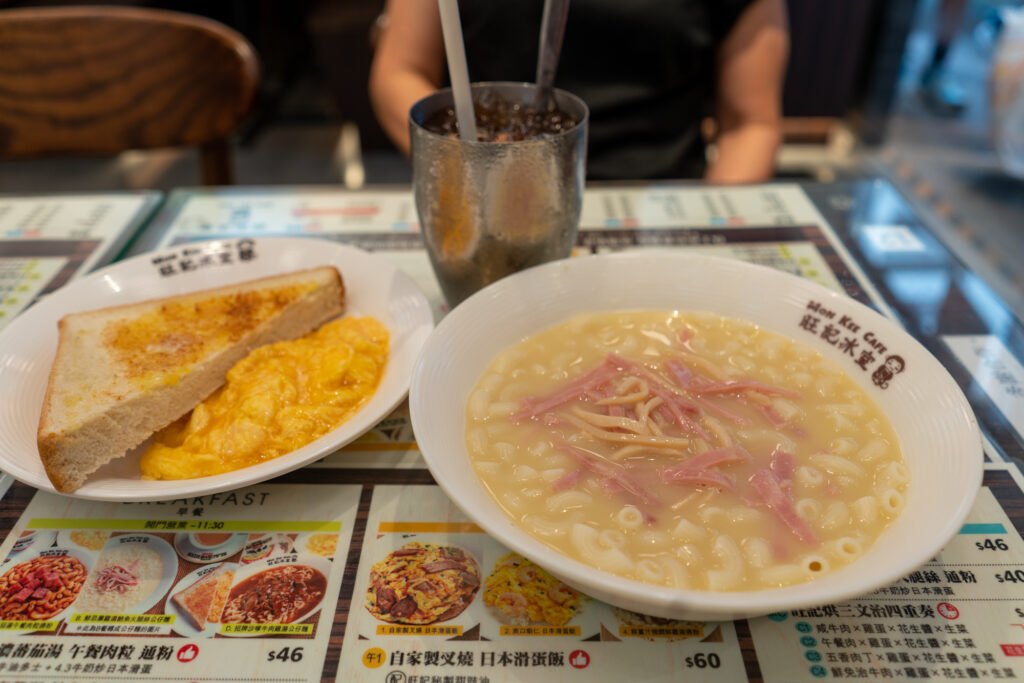
I love tucking into a hearty ham macaroni soup in the mornings.
One dish I always crave — especially when I’m under the weather — is macaroni soup with ham. It’s gentle on the stomach, soothing for the soul, and served with silky scrambled eggs and golden toast on the side.
This dish was traditionally fuel for workers — macaroni in a clear broth, topped with soft slices of ham. It’s a post-war mashup of affordable ingredients, such as Campbell’s chicken soup and pantry staples, now a breakfast icon.
It’s pure nostalgia in a bowl — warm, light, and quietly addictive. Pair it with buttery toast and the fluffiest eggs you’ll ever taste.
Where to Find It in Hong Kong
Head to any cha chaan teng, a Hong Kong British Colonial-era cafe (or diner). Favorites? Australian Dairy Company, Mido Cafe, or Tai Hing. And don’t be alarmed, service isn’t ‘rude’ at these places, it’s just efficient.
Fried Gluten (麵筋) — Crispy, Chewy Clouds of Joy
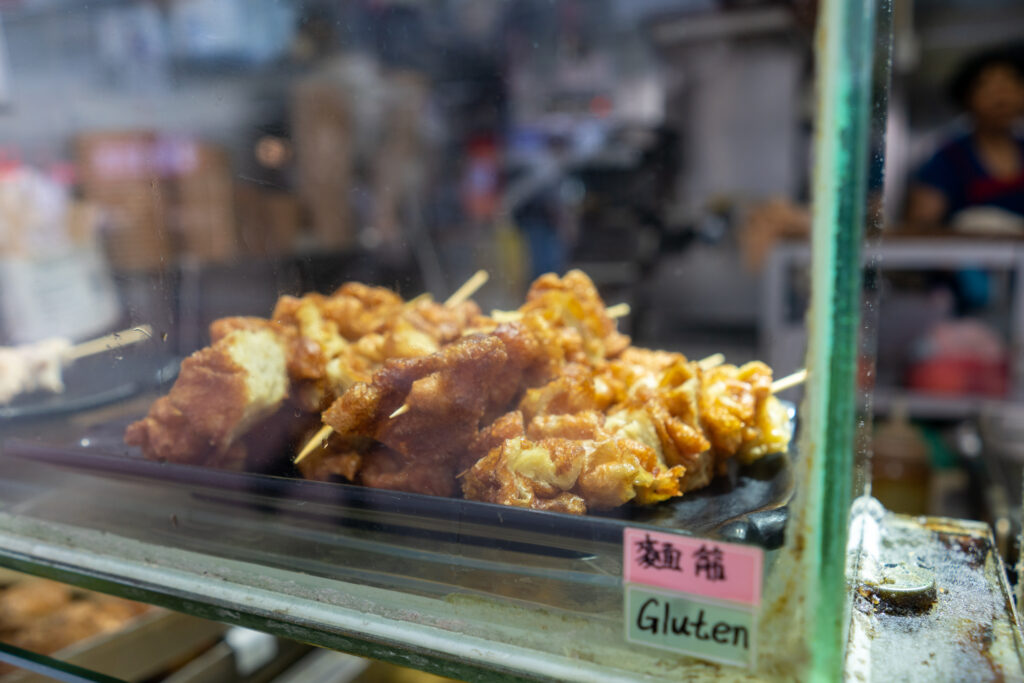
Fried gluten isn’t as popular as street food classics like siu mai and fish ball, but it’s also very delicious.
When I’m feeling peckish but want something bold and satisfying, fried gluten is my go-to. It’s rich, a little indulgent, and honestly best shared, unless you’re ready for a serious snack coma.
Made from gluten, they’re deep-fried until the outside is crisp while the inside stays spongy and delightfully chewy, soaking up any sauce you dip them into.
It’s lightly crunchy at first bite, then bouncy and airy inside. Salty and savory, it’s the kind of snack you can’t stop popping. As they’re fried, they can be very filling, though.
Where to Find It in Hong Kong
You won’t see it everywhere, but hunt down the street food stalls near the end of Mong Kok’s Ladies’ Market for a freshly fried batch. Best eaten hot, straight from the paper bag.
Hong Kong-Style French Toast (西多士) — Golden, Gooey Indulgence
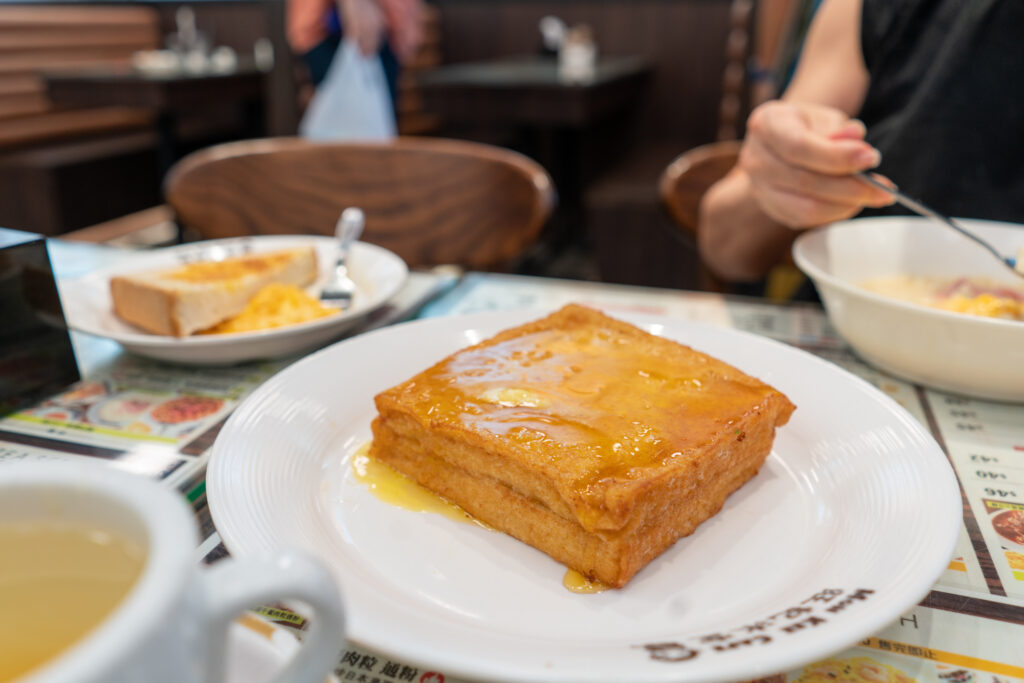
Hong Kong-style French toast is on many, if not all, cha chaan teng menus.
If you like French toast, you’re going to fall in love with the Hong Kong version. I can’t step into a cha chaan teng without ordering one — and I’m not even much of a dessert person.
This sweet-meets-savory treat dates back to the 1950s, inspired by British colonial tastes but reinvented with a local twist.
Thick, fluffy crustless milk bread is dipped in egg and milk, then deep-fried until golden. Crispy on the outside, soft and custardy on the inside, it’s drizzled with syrup or honey and sometimes filled with peanut butter, condensed milk, or kaya.
Where to Find It in Hong Kong
Almost every cha chaan teng serves it, but Chau Kee in Sai Ying Pun is legendary. On Cheung Chau island, Red Point makes a dreamy version worth the ferry ride.
Mango Pomelo Sago (楊枝甘露) — Refreshing Summer Treat
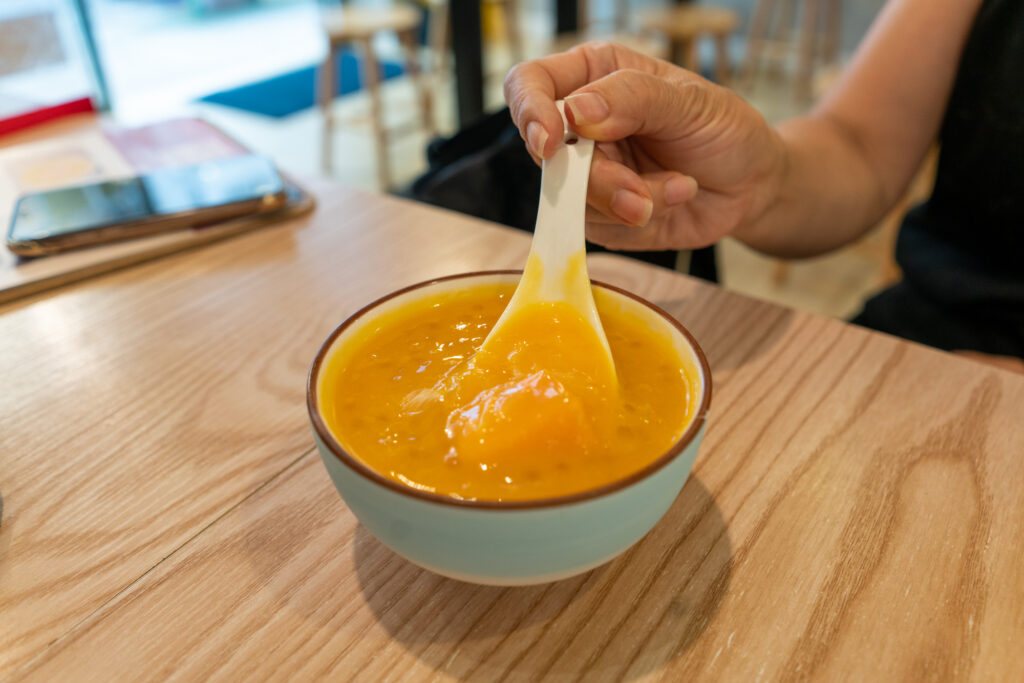
Mango is a beloved ingredient in Hong Kong desserts.
I’m obsessed with mango, and luckily, Hong Kong loves to use it as an ingredient in its snacks. It’s a staple in many traditional desserts, like this refreshing mix with pomelo and sago.
Mango pomelo sago originated in Singapore and Hong Kong. It’s credited to Wong Wing-chee, former head chef of Hong Kong’s Lei Garden restaurant, who combined the three tasty ingredients in Singapore.
This cold, refreshing dessert is lightly sweet (and for me, definitely better than chocolate pudding) and packed with mango goodness. The pomelo adds a tangy twist, while the sago provides a squishy, chewy texture. Hongkongers love to eat fruit, so traditional desserts tend to taste lighter in general.
Where to Find It in Hong Kong
I grew up in Sai Kung, the birthplace of Honeymoon Dessert — though its flagship has moved, outlets remain — and the iconic mango sago pomelo. You can also splurge on one at Lung King Heen in the Four Seasons Hotel Hong Kong.
Mango Mochi (芒果 糯米糍) — Squidgy, Gooey Deliciousness
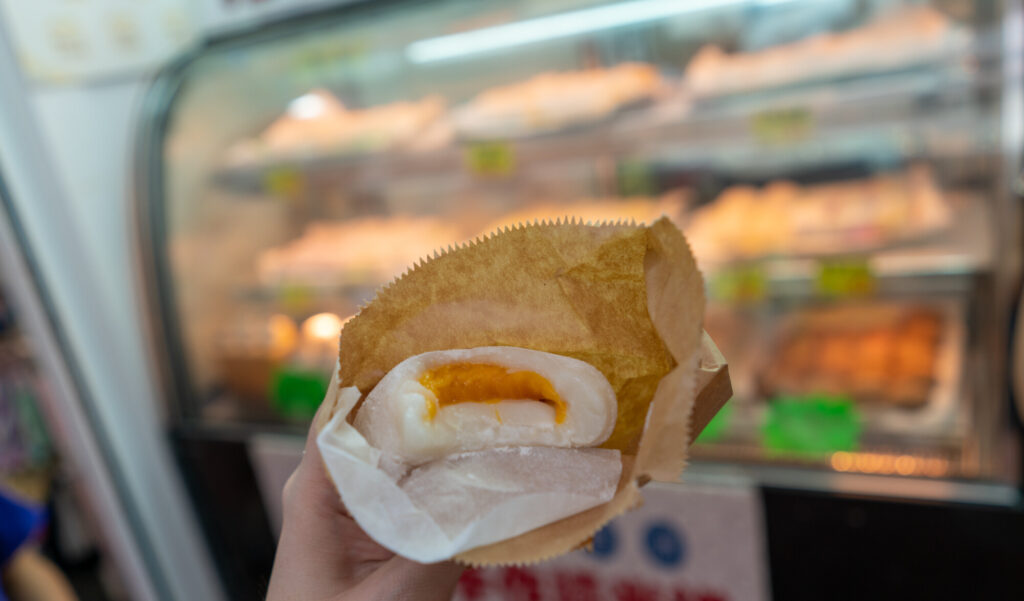
Mango mochi offers a squishy, bouncy texture with a cold interior.
All hail mochi and Hongkongers’ love for it, which gave rise to two of my favorite treats — mango and mochi. This roadside snack is pure gooey, juicy goodness.
Though mochi originates from Japan, Hongkongers have truly embraced and love it.
This squishy snack has a cool, icy mango filling, making it a perfect summer treat. Crafted from rice flour dough, it’s usually stuffed with sweet fillings like mango, strawberry, or red bean. It’s gooey, sticky, and absolutely delicious.
Where to Find It in Hong Kong
While Wa Sing Dessert and 志寶記 on the Outlying Island of Cheung Chau are popular spots, mango mochi can be found across the city — in trendy cafés, dessert shops, and throughout Mong Kok as well.
Shake Shake Fries — The Hong Kong McDonald’s Legend

I am a long-time superfan of McDonald’s Shake Shake Fries.
Okay, McDonald’s is obviously not a traditional Hong Kong thing, but as many of us know, no two McDonald’s are the same, and I’m super proud of the fact that the all-mighty Shake Shake Fries originated in Hong Kong (at least according to McDonald’s fan pages).
I remember going to the UK for university and bringing little bags of Shake Shake seasoning so I could DIY them with their fries there. That’s how addictive they are.
Originating in Hong Kong around 2005, Shake Shake Fries are regular McDonald’s fries tossed with special seasoning powders inside a bag that you literally “shake” to coat the fries evenly. The seasoning flavors have varied over time but commonly include seaweed, honey BBQ, and wasabi. The concept is simple but genius: it transforms familiar fries into a flavor explosion with just a quick shake.
You’ll never look at McDonald’s fries — or maybe fries in general — the same again. The seasoning adds a whole new dimension of flavor: sweet, savory, umami, with a subtle kick depending on the powder. My personal favorite is honey BBQ, but honestly, I love all of them.
Where to Find It in Hong Kong
Any McDonald’s in Hong Kong is your best bet. Just a heads-up: Shake Shake Fries can be seasonal, so availability may vary depending on the time of year. The craze has spread to other Asian countries as well.
Iced Lemon Tea (凍檸茶) — Refreshing on a Hot Summer’s Day
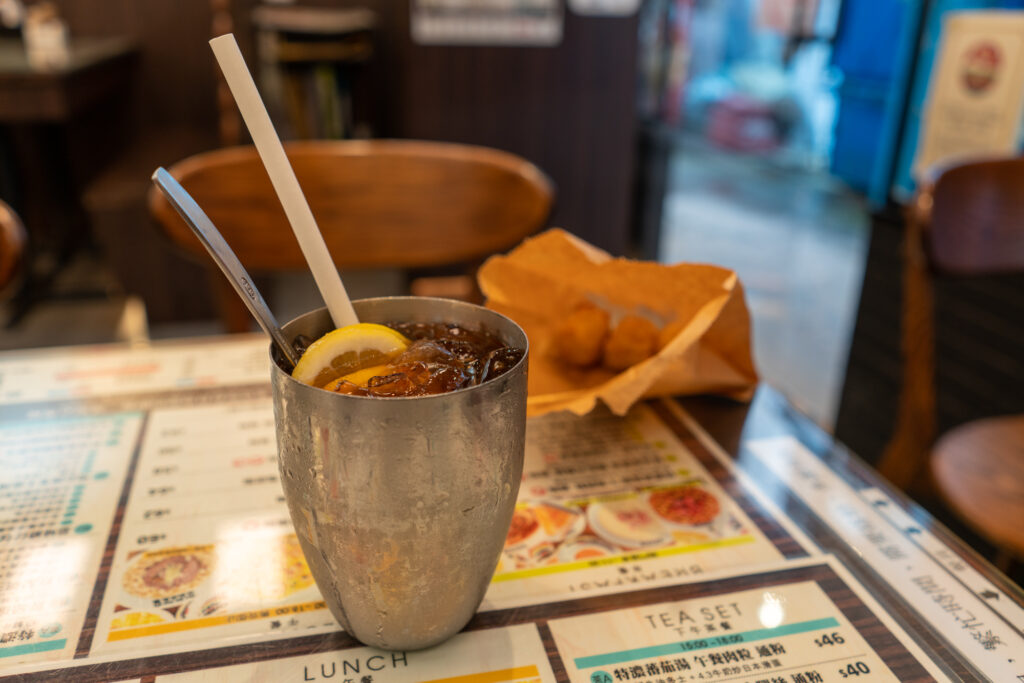
An iced lemon tea tastes so good on a hot summer’s day.
The iced lemon tea is iconic in Hong Kong. I drink it more as a treat; it’s super refreshing and pairs perfectly with your cha chaan teng dishes.
Legend has it that lemon tea was first introduced when Britain colonized the island in the 1800s, creating a unique fusion of Eastern and Western tea traditions. The sweet, tangy, and slightly bitter flavors have made it a beloved staple ever since.
Traditional Hong Kong-style lemon tea, known locally as dong ling cha (凍檸茶), is a refreshing beverage made from strong black tea, fresh lemon slices, and sugar or syrup. You can enjoy it hot or iced, but iced is the true Hong Kong classic, especially on humid days.
Where to Find It in Hong Kong
Everywhere! From convenience stores like 7-Eleven to your favorite local cha chaan teng. In recent years, “hand-crushed lemon tea” has gained popularity, with spots like LMM Hand Crushed Lemon Tea building cult followings for their ultra-refreshing versions.
Cart Noodle (車仔麵) — Hong Kong’s Hearty, Customizable Comfort Food
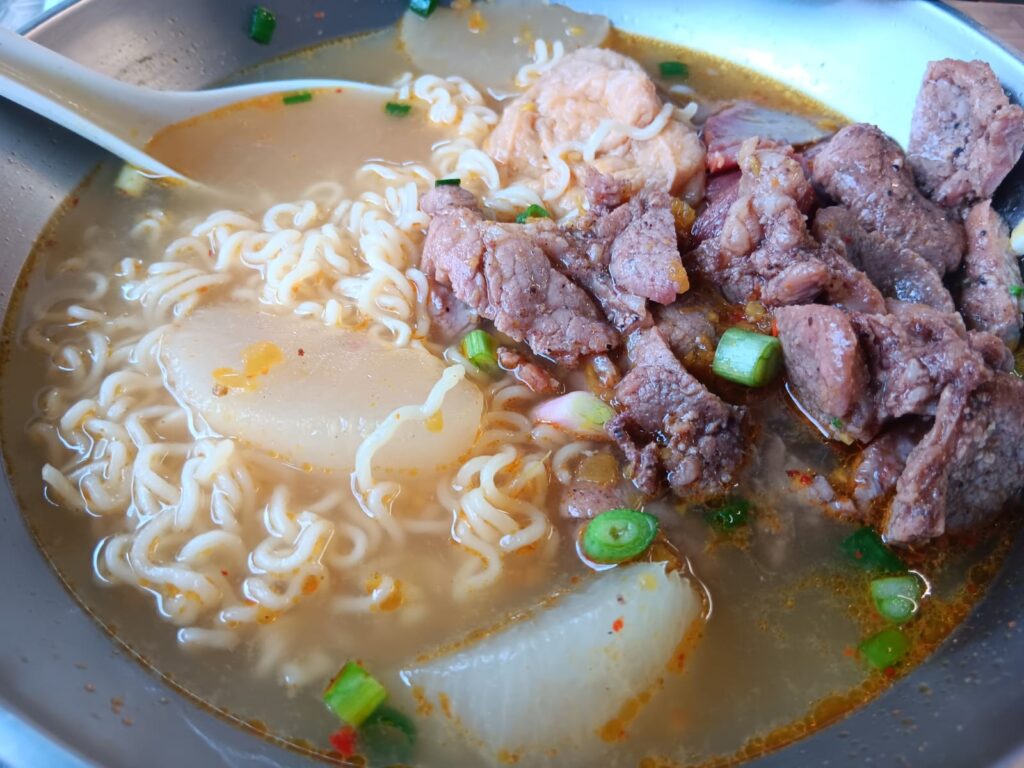
Cart noodles are a fun and unique way to explore Hong Kong snacks.
Probably the heaviest snack on this list, cart noodles are a must-try on your visit to Hong Kong.
Dating back to the 1950s, cart noodles originated from humble mobile carts pushed by street vendors. They served as a quick, filling meal for working-class Hongkongers who could pick and choose their preferred noodles and toppings.
It’s a fun, personable experience. You get to customize everything — from the type of noodles (thick, thin, egg noodles, rice noodles) to toppings like braised meats, dumplings, fish cakes, or crab sticks, all swimming in a comforting soup base of your choice. It’s hearty, warming, and deeply satisfying, making it perfect for a chilly or rainy day.
Where to Find It in Hong Kong
Although street cart noodles have mostly disappeared due to government regulations, you can still enjoy the dish at restaurants.
For a classic experience with a view, head to Peony Garden. For authentic, no-frills cart noodles, Man Kee Cart Noodle in Sham Shui Po and Wing Kee Noodle in Causeway Bay come highly recommended.
Another favorite is Dao Dao Noodles (多多麵) on Cheung Chau, hidden several alleys back from the ferry pier!
How to Snack Like a Local in Hong Kong
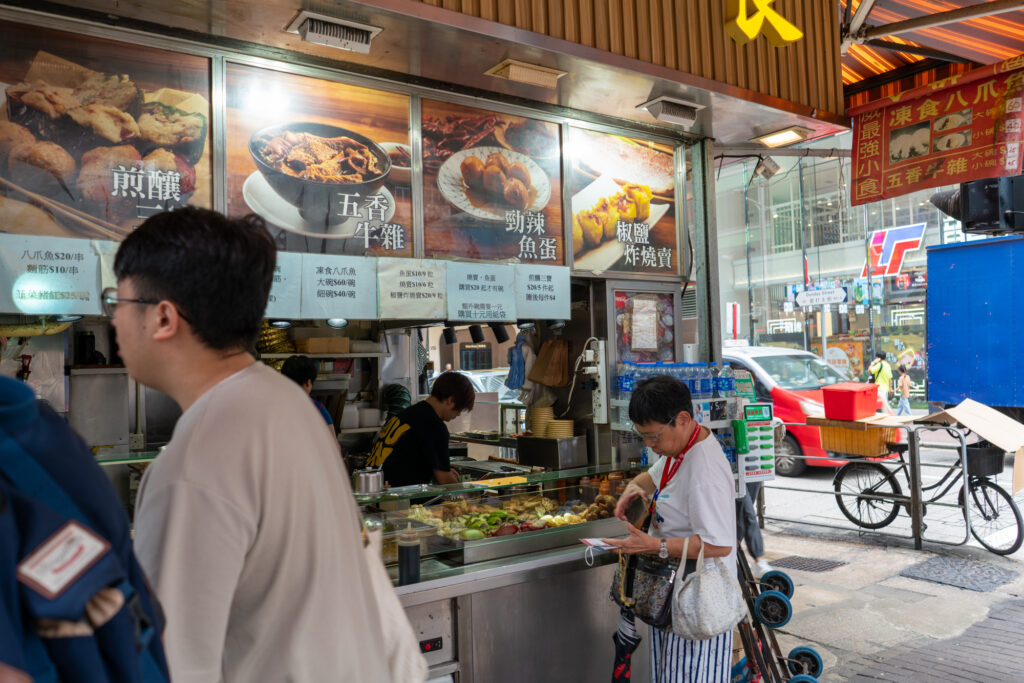
Hong Kong is full of street food surprises.
Hong Kong snacks are some of my absolute favorites. Here are a few quick tips to help you snack like a true local (and essential part of any Hong Kong itinerary).
Best Areas For Local Hong Kong Snacks
Mong Kok, Sham Shui Po, Causeway Bay, and Jordan’s Temple Street are top spots for iconic local snacks, usually street food.
You’ll find cha chaan tengs everywhere, and old-school dai pai dongs in places like Central and Sai Ying Pun.
There are bakeries on nearly every street and in pretty much every MTR station.
When to Snack Like a Local
For the freshest bakery treats, mornings are best. Lunchtime can be busy, so try just after peak hours.
In the afternoon, many restaurants and diners offer affordable “tea sets” that include a starter, main course, and drink or dessert — a very popular option with locals.
How to Order Like a Pro
My tip? Try ordering in Cantonese — even just a few words like “lee gor” (this one) and “mm goi” (thank you) — it always wins smiles and better service. Expect fast, sometimes loud service — it’s normal and not rude. Pointing at items works well if you’re unsure.
Budget and Cash Tips
Carry cash, especially for dai pai dongs (open-air food stalls) and other street stalls, though many accept Octopus cards. Snacks usually cost HK$10-15; heartier dishes like cart noodles run HK$50-80.
Snacking locally never gets old — or expensive!