
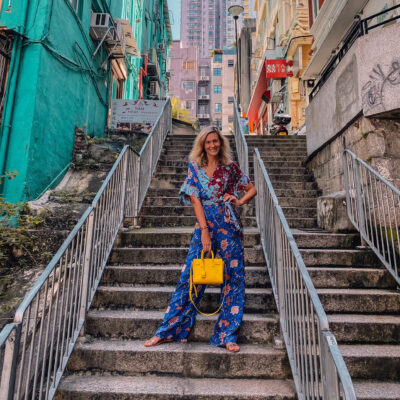
Once infamous for the lawless labyrinth of the Kowloon Walled City, today Kowloon City stands as one of Hong Kong’s most fascinating neighbourhoods — a place where history, culture, and reinvention collide. It’s the beating heart of Kowloon: rawer, more lived-in, and deeply local compared to the polished districts across the harbour.
Walk its streets and catch its unique rhythm — family-run teahouses beside minimalist cafés, Thai eateries humming next to Cantonese bakeries, and the futuristic Kai Tak development rising where planes once grazed rooftops.
This Kowloon City guide reveals the district’s layers— from historic temples and neon-lit markets to Michelin-starred dining and design-forward spaces. Whether you’re here to taste, wander, or simply understand the city beyond its skyline, Kowloon City rewards curiosity — a crossroads of past and future, tradition and transformation.
Exploring the Culture of Kowloon City
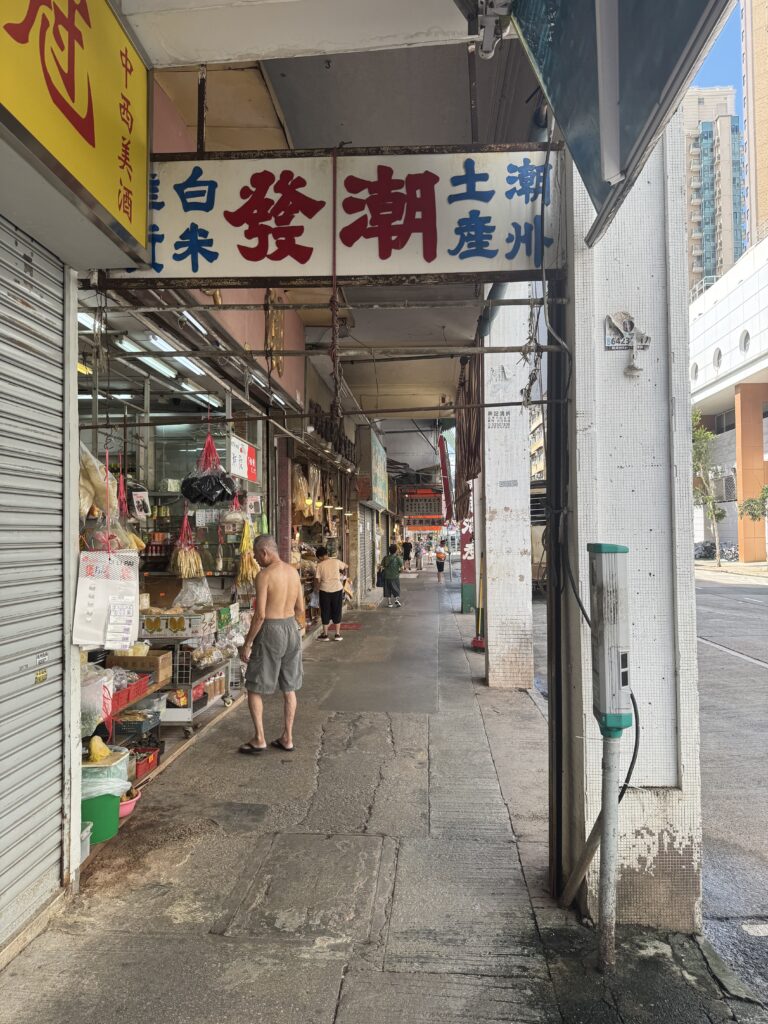
Kowloon City invites you to slow down and look closer. Beyond its lively markets and steaming food stalls lies a Hong Kong neighbourhood where heritage still shapes daily life — from century-old temples to tenement façades untouched by time. It’s a place that rewards curiosity, offering a glimpse into Hong Kong’s soul before the high-rises took over.
Kowloon City’s History and Heritage

Few parts of Hong Kong carry a story as dramatic as Kowloon City’s. The area was once home to the Kowloon Walled City, a lawless yet thriving enclave that stood as one of the most densely populated places on earth before its demolition in the 1990s. The serene Kowloon Walled City Park now honours that legacy with tranquil gardens, preserved foundations, and a small museum that pays tribute to the walled community’s intricate social fabric.
Beyond the park, traces of old Hong Kong linger in tong lau tenement buildings, traditional markets, and historic temples such as Hau Wong Temple, believed to have been built in the 1730s and still active today. The scent of incense, the chatter from street vendors, and the faded typography of shop signs tell a story of continuity — one that bridges colonial-era resilience with post-war adaptation. Here, time doesn’t erase the past; it simply folds it into the present.
The Energy of Modern Kowloon City
But Kowloon City is far from a relic. Walk a few blocks and you’ll find hip cafés beside soy-milk shops, Thai eateries buzzing with lunchtime crowds, and the futuristic Kai Tak district — once the site of Hong Kong’s old airport, now reborn as a hub of world-class entertainment with the newly opened Kai Tak Sports Park, luxury hotels and malls, and rooftop bars overlooking Victoria Harbour.
It’s this blend of grit and gloss that defines the area’s modern identity. Kowloon City moves to its own rhythm — more organic and unpredictable than the corporate pulse of Hong Kong Island. Between its temples and teahouses, you’ll glimpse a version of Hong Kong that’s evolving on its own terms: creative, confident, and deeply rooted in its community.
Where to Eat in Kowloon City
Kowloon City may not boast the Michelin-starred dining rooms of Central or Tsim Sha Tsui, but it more than makes up for it with an eclectic mix of authentic local and Thai eateries. This neighbourhood is home to Hong Kong’s Little Thailand, a vibrant enclave born in the 1970s when Thai migrants set up street stalls near the old Kai Tak Airport.
Today, the area is packed with Thai restaurants and grocery stores offering a slice of Bangkok alongside Kowloon City’s time-honoured local classics. Add in new developments like Kai Tak Sports Park and Dorsett Kai Tak, and you’ll also find a sprinkle of international flair.
Lok Yuen – Cha Chaan Teng Classics
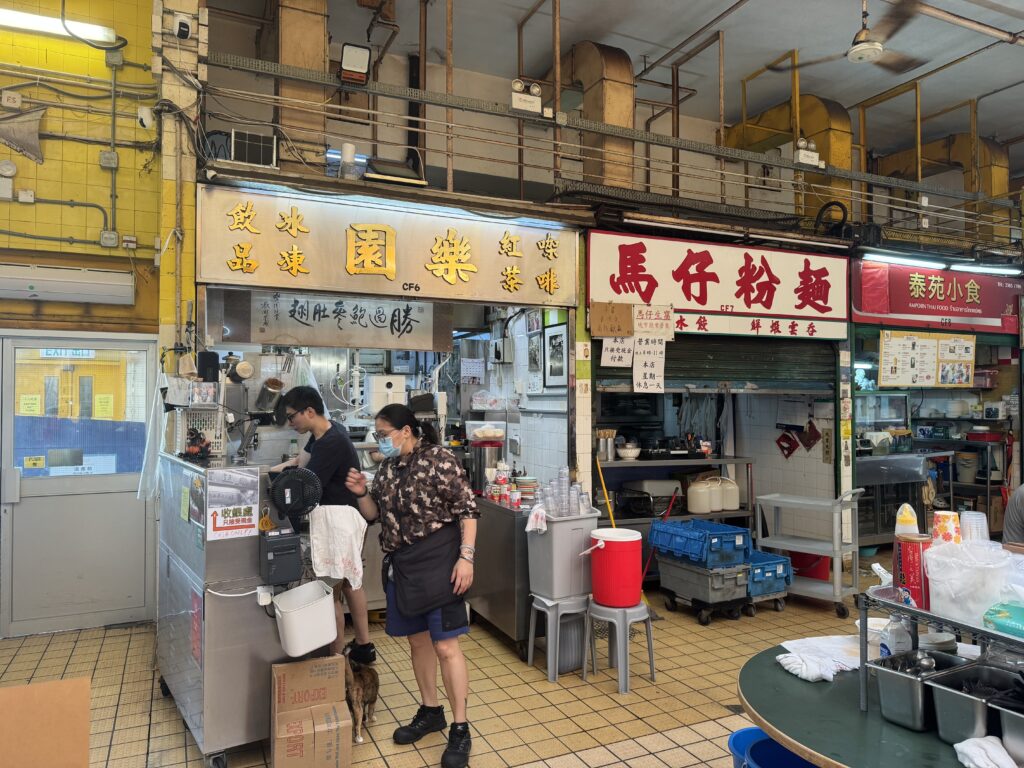
A quintessential Hong Kong-style diner tucked inside the Kowloon City Municipal Services Building’s Cooked Food Centre. Locals flock for French toast drenched in condensed milk (voted the best in Hong Kong by yours truly), scrambled eggs on thick-cut toast, and milk tea — served amid a bustling, no-frills atmosphere.
Islam Food – Halal Street Eats
A neighbourhood institution established in the 1980s (and moved to its current address in the 2000s), Islam Food is famous for its halal pan-fried beef buns with a thin, crispy crust and juicy filling.
Curry lovers will also enjoy mutton, ox tongue, and beef brisket vermicelli, all prepared with devotion to flavour that keeps a loyal following (including many foodies who do not follow a halal diet).
Lok Hau Fook – Vintage Cantonese with Cinematic Flair
Traditional Chiu Chow fare in a dining room steeped in 1950s nostalgia and local film history. Must-order dishes include rare city treats like Shi Liu chicken — dumplings filled with chicken, ham, mushrooms, and bamboo shoots — and the Teochew-style pan-fried oyster pancake. The old décor adds to the retro charm.
Fong Wing Kee – Hearty Hotpot
Here’s another long-standing spot, established in 1952. Expect fresh ingredients, robust broths, and the lively energy of diners gathered around bubbling pots — with the signature rich satay broth considered one of the first, and best, in town.
Originating as a hawker stall and now an established restaurant, Fong Wing Kee maintains a no-fuss atmosphere that speaks to authenticity.
Tei Mou Koon – Sweet Comforts
A classic dessert shop serving traditional Hong Kong-style treats. From silky tofu pudding to chilled sweet soups, every dish recalls old-school flavours done exceptionally well.
Golden Thai BBQ – Bangkok-Style Grills
An unassuming eatery delivering authentic Thai barbecue and street-style dishes. Skewered meats, sticky rice, and punchy salads transport you straight to the streets of Bangkok.
Cheong Fat Thai Noodle House – Thai Noodle Staple
A casual spot renowned for its vibrant, flavour-packed Thai noodles. Expect rich curries, stir-fried classics, and a bustling local vibe that keeps the tables full.
Kai Fuk Lau – Refined Cantonese
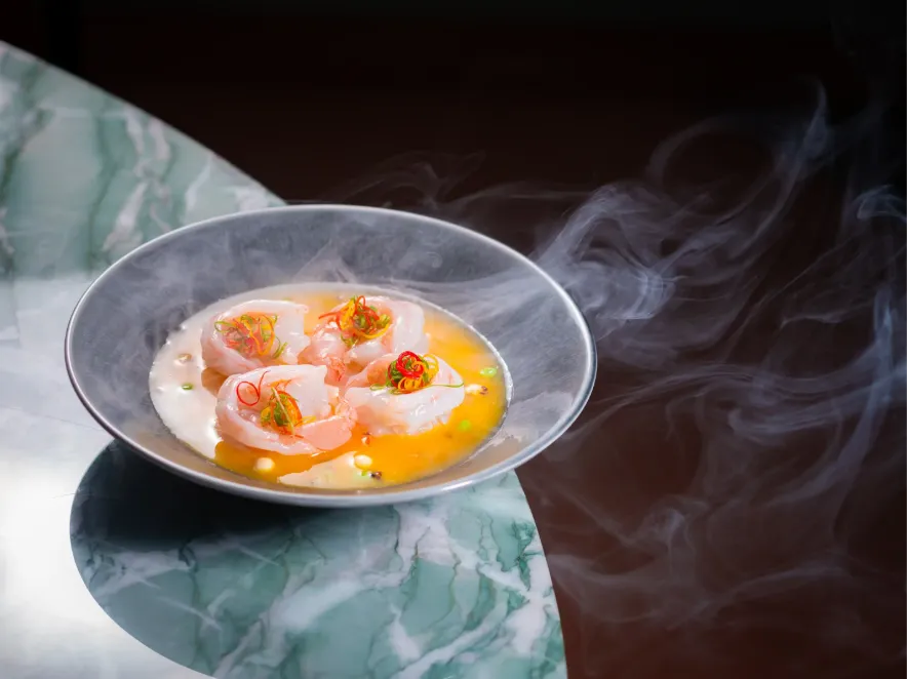
Opened in September 2024, Dorsett Kai Tak hotel brings fine dining flair to the neighbourhood, including elevated Cantonese classics with contemporary plating at Kai Fuk Lau. Think barbecued goose, delicate dim sum, and double-boiled soups.
Siete Ocho – Sichuan-Spanish Fusion Flair
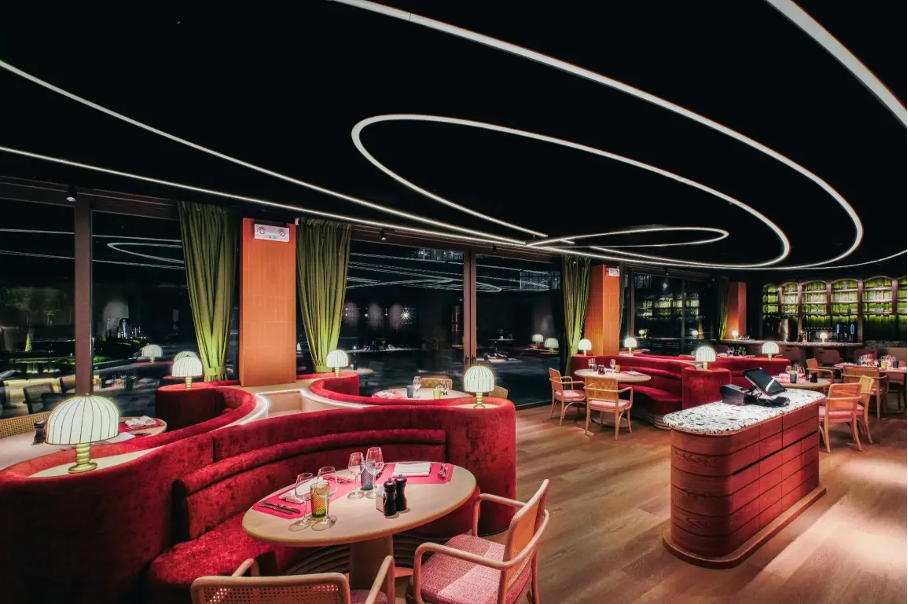
Another Dorsett Kai Tak’s dining outlet, Siete Ocho, surprises with a Sichuan–Spanish menu that marries spice with Mediterranean sophistication. Small plates, inventive pairings, and a stylish interior make it a striking modern counterpoint to Kowloon City’s traditional eateries.
Authentic Snacks Galore

Kowloon City’s charm also lies in its family-run shops, which play host to countless venerated Hong Kong snacks. Yi Heung Tofu offers silky tofu pudding and soy-based treats; Kwai Yue Tai Wo Kee Lung specialises in flaky Teochew pastries; Ming Heung Tea Co. roasts oolong and pu’erh over charcoal, preserving a craft that feels increasingly rare.
Where to Drink in Kowloon City
While not as developed as neighbouring districts like Mong Kok or Sham Shui Po, Kowloon City’s coffee scene is quietly gaining momentum — and doing so in a way that’s deeply rooted in the area’s character.
Here, cafés aren’t just about caffeine fixes; they’re vessels of history. You’ll sip tea in a restored Chinese farmhouse, enjoy your latte beside an antique medicine cabinet, or chat over cold brew in what was once a family hardware store.
The bar scene, on the other hand, remains modest — milk tea still reigns supreme over pints and cocktails — but a handful of spots prove that Kowloon City’s nightlife is slowly stirring to life.
Stone Houses Café – Heritage Charm
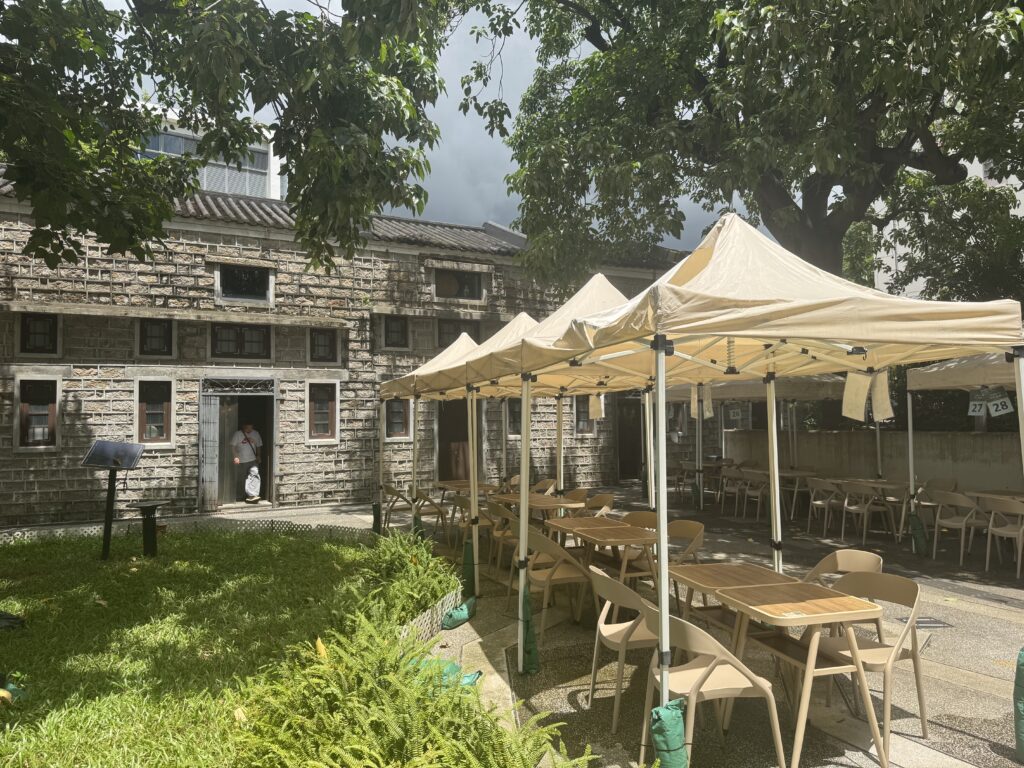
Housed within the restored Stone Houses complex, built in the 1940s during the Japanese occupation, this café blends history and hospitality. Its leafy courtyard and vintage interiors make it an atmospheric spot for brunch or an afternoon coffee, especially after a stroll through the neighbouring Kowloon Walled City Park.
Don’t miss the small museum next door — it offers a glimpse into the lives of Chinese immigrants who settled in Kowloon City after the war.
Tai Wo Tang Café – A Dose of Nostalgia
Set inside a former Chinese medicine shop dating back to 1932, Tai Wo Tang artfully fuses old and new. The preserved wooden cabinets and jars of herbs line the walls.
At the same time, the menu serves everything from artisanal coffee to continental brunch plates and innovative takes on local classics — think fried chicken on egg waffles and foie gras pineapple buns.
Nan Kok – Retro Reinvention
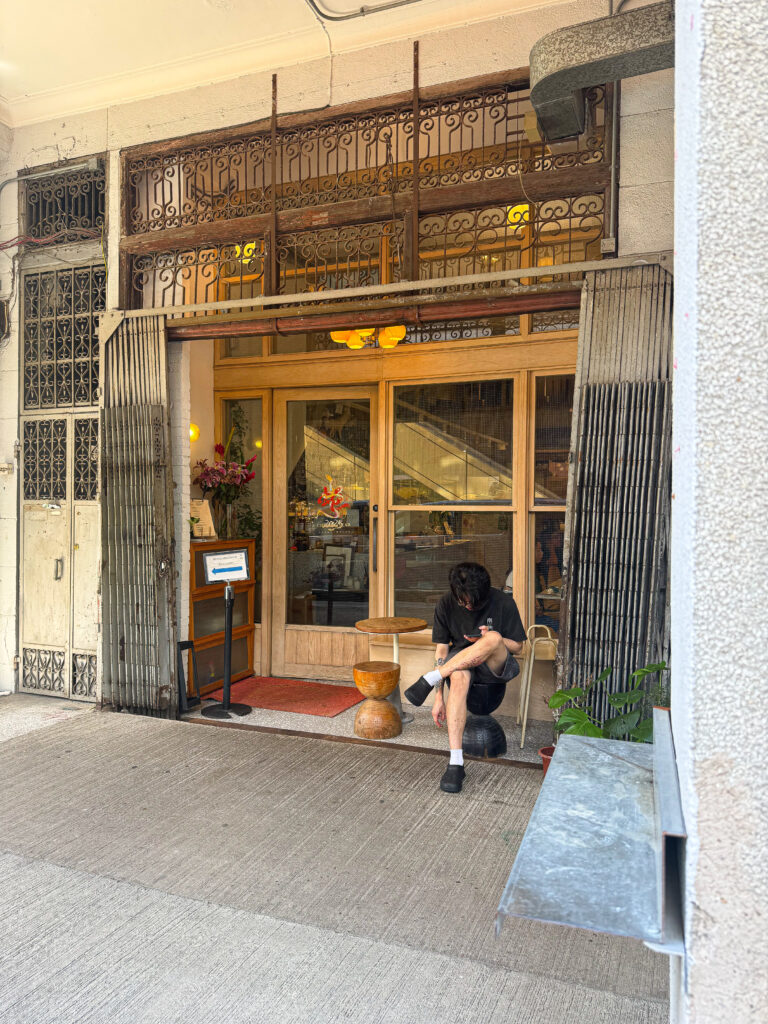
Once a hardware store in a pre-war tenement building, Nan Kok keeps the vintage vibe alive with tiled walls and classic signage, now paired with specialty brews — including the tried-and-tested iced pandan coffee and the signature sweet fermented rice dirty — plus locally inspired bites as well as Thai-influenced plates, a subtle nod to the area’s Little Thailand roots.
Blossom – Minimalist and Modern
This serene little café also leans into the vintage aesthetic, where design and coffee meet in perfect balance. Expect minimalist interiors, clean lines, a focus on quality beans, and Japanese influences from the unagi don and beef donburi to the Kyoto Matcha latte.
Save some space for the signature tiramisu or the Uji Kintoki waffle with Matcha ice cream.
Root Café – Neighbourhood Warmth in Kai Tak
If you’re into minimalistic design rather than vintage eclecticism, you’ll love Root Café. The space features a stunning central trunk made from 800 pieces of bark assembled to form a new tree.
They’ve also collaborated with local craftsmen to create striking wood tables symbolising the balance between water and trees in nature. Perfect for when you need a slower, quieter moment.
Lento – Specialty Coffee and Slow Living
As the name suggests, Lento is all about taking it slow. This understated café champions handcrafted coffee, comforting bites, and calm vibes — a reflection of the slower rhythm that still defines Kowloon City.
Jin Bo Law – Sky-High Sophistication
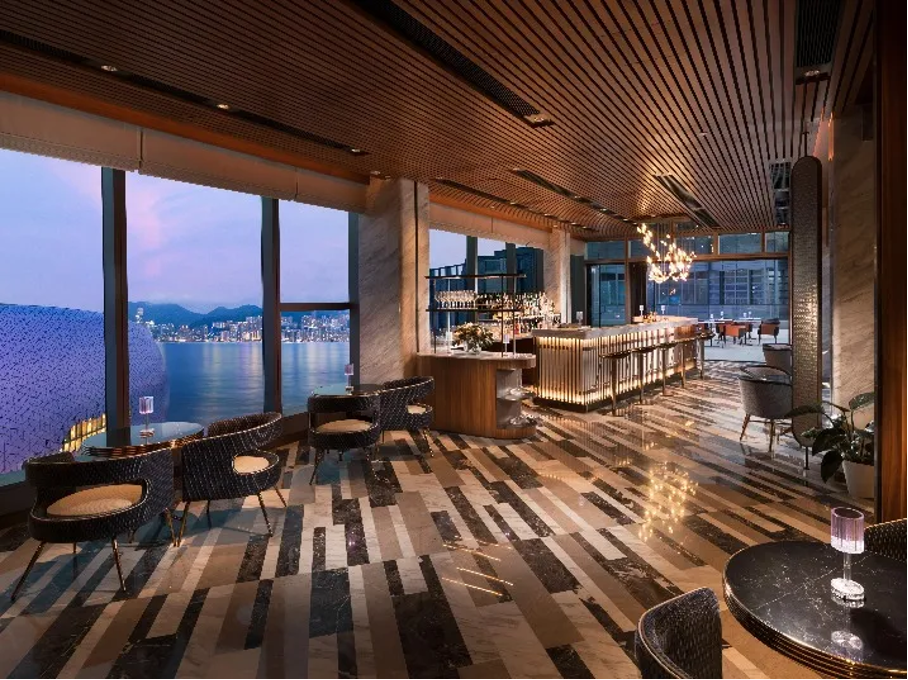
Perched atop the Dorsett Kai Tak, Jin Bo Law brings elevated drinking to Kowloon City — literally. Expect skyline views, refined cocktails — I recommend the East – West Synergy selection combining Western-style mixology with Chinese spirits like Baijiu and Moutai — and a plush setting that feels like a slice of Central transplanted to the city’s quieter side.
Present Café & Bar – Easygoing Evenings
A relaxed all-day space that transitions seamlessly from café to bar as the sun sets. Come for a draught beer paired with western bites and stay for the easygoing, unpretentious vibe.
The Champion, Sports Bar & Bites – Game On
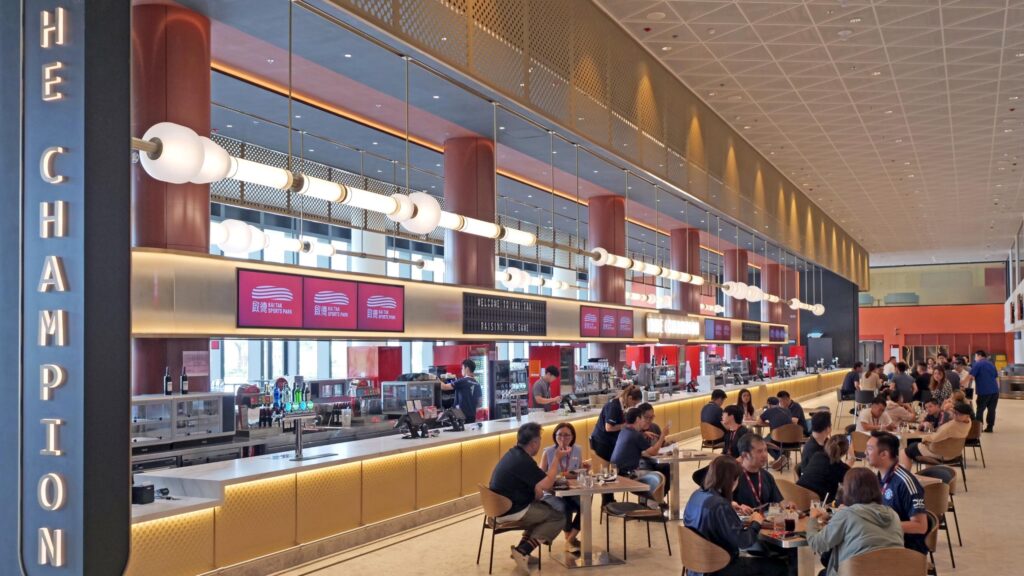
Located within the Kai Tak Sports Park complex, The Champion delivers casual fun with a sports bar edge. Big screens, pub-style eats, and local craft brews make it an easy choice for game nights or post-match drinks. Fun fact: it’s the longest sports bar in Asia (100 metres) and even offers views inside the stadium.
What to Do in Kowloon City
Kowloon Walled City Park – From Chaos to Calm
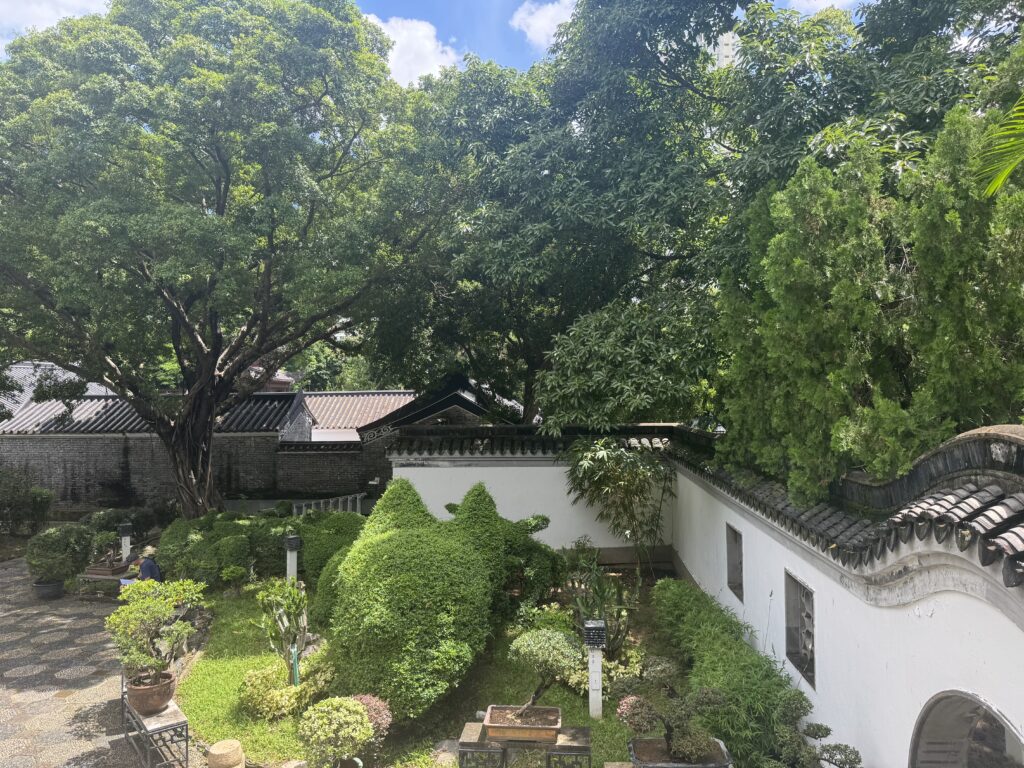
Once the world’s most densely populated enclave, the Kowloon Walled City was a place of vertical chaos — over 30,000 people crammed into a few acres of narrow alleys, overlapping rooftops, and densely packed homes and workshops, buildings stacked so tightly that daylight barely reached ground level.
Originally a Chinese military fort, it evolved (through decades of informal construction, minimal regulation, and population growth) into a self-contained community both infamous and admired for its resilience.
Demolished in the early 1990s, it has been reborn as a tranquil park. Today, Kowloon Walled City Park blends traditional Chinese landscaping with preserved fragments of its past — from the granite South Gate and Yamen (the old administrative office) to remnants of the city’s walls and narrow pathways that trace where homes once stood.
For a deeper dive into its fascinating history, check out the Kowloon Walled City: Cinematic Journey, a multimedia exhibition that explores how this extraordinary enclave inspired filmmakers and artists across the world — capturing the humanity, creativity, and density that once defined life here.
Hau Wong Temple – A Testament to Faith
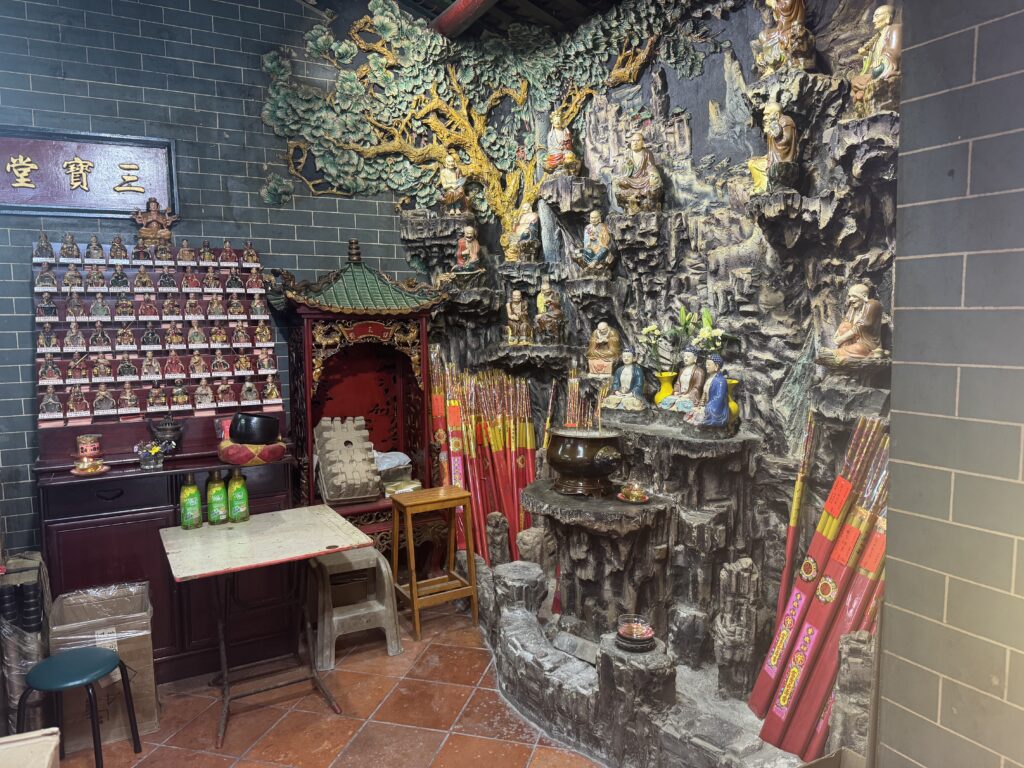
Hau Wong Temple offers a quiet glimpse into Kowloon City’s spiritual roots. Built in the 18th century, it’s dedicated to a loyal Song dynasty general and filled with details that reward a closer look — coiled incense hanging from the ceiling, weathered guardian lions, and intricate wood carvings that speak to centuries of craftsmanship and devotion.
Little Thailand – A Cultural Crossroads

Little Thailand isn’t just about food — it’s a story of migration and community. Since the 1970s, many Chiu Chow–Chinese families who had lived in Thailand settled in Kowloon City, opening restaurants, grocery stores, and florists that bridged the two cultures. Today, the area remains one of Hong Kong’s most distinctive enclaves: Thai-language signage mingles with Chinese shopfronts, the scent of lemongrass and grilled pork fills the air, and colourful phuang malai flower garlands hang from café doors.
On weekends, the streets come alive with Thai music and locals stocking up on ingredients you’d expect to find in Bangkok. But change is coming — a major Urban Renewal Authority project will soon reshape parts of the neighbourhood. Many long-time Thai-Chinese shopkeepers have expressed plans to return once construction is complete, determined to preserve Little Thailand’s warmth and cultural identity, even as it evolves.
Kai Tak Sports Park – Kowloon’s Next Chapter
Where planes once skimmed rooftops to land at the old Kai Tak Airport, a new landmark is taking shape. Kai Tak Sports Park features a world-class stadium, harbourfront promenade, lush parklands, and dining spaces — reshaping this corner of Kowloon into a hub for recreation and entertainment.
Cycling and Family Fun – A Breath of Fresh Air
Across from the Walled City Park’s South Entrance sits a small but well-loved circular bike track, perfect for a Hong Kong family vacation and casual riders. The loop takes just a few minutes to complete, offering a cheerful counterpoint to the park’s serene gardens.
You can rent bikes for around HK$25 per 90 minutes, and the gentle inclines and curves make it approachable for younger cyclists. Families often switch between pedalling loops and wandering the park’s pavilions, ponds, and shaded paths — a rare green pocket in the heart of Kowloon.
Shopping in Kowloon City
AIRSIDE – Sustainable Style
The newly opened AIRSIDE mall at Kai Tak is redefining Kowloon shopping with a focus on design, sustainability, and community. Inside, you’ll find a mix of international brands, local lifestyle boutiques, art installations, and eco-conscious cafés.
With its rooftop garden and harbour views, AIRSIDE feels more like a destination than a mall. What’s more, it’s a pet-friendly mall with several dedicated shops and services such as pet stroller lending and supply of pet waste bags.
Traditional Shops and Local Finds

The neighbourhood is filled with old-school stores that double as cultural treasures. Stock up on teas at Ming Heung Tea Co. or bring home traditional Chiu Chow pastries from Kwai Yue Tai Wo Kee Lung. The Kowloon City Market is also worth a visit — lively, colourful, and filled with everything from fresh produce to nostalgic snacks.
It’s mostly famous for its Southeast Asian fruit selection and is a well-known destination for Durian lovers.
Getting Around Kowloon City
Kowloon City is surprisingly easy to explore. The Sung Wong Toi and Kai Tak MTR stations (on the Tuen Ma Line) put you within walking distance of key attractions. The area is mostly flat and walkable (I even took my newborn in her stroller on my last exploration), though a few streets can get narrow and busy.
If you’re coming from Hong Kong Island, take the MTR from Admiralty or Central — it’s around 20 minutes. Taxis are plentiful and affordable, while buses connect to Mong Kok, Tsim Sha Tsui, and the Southside.
Insider Tips for Visiting Kowloon City
- Visit at different times of day: Mornings are perfect for exploring temples and the Walled City Park, while evenings bring Little Thailand alive with sizzling street food and neon glow.
- Blend old and new: Pair a visit to Ming Heung Tea Co. or Lok Yuen with cocktails at Jin Bo Law for a true taste of the neighbourhood’s evolution.
- Bring cash: Many traditional shops and food stalls still don’t accept cards.
- Avoid weekends for major attractions: The park and markets can get crowded, especially with local families (something to keep in mind with any Hong Kong itinerary).
- Come hungry and curious: Kowloon City rewards wanderers. Each corner reveals a story — from the scent of roasting tea leaves to the buzz of Kai Tak’s renewal.