

Circling the planet is probably the ultimate dream for any travel enthusiast. It’s this same fantasy that saw Amelia Earhart take flight back in 1937 in an attempt to become the first female pilot to circumnavigate the world.
For the modern traveller, this dream of circling the globe has evolved from a Jules Verne fantasy into a tangible, thrilling travel style. The key to unlocking this adventure lies in a Round-the-World air ticket – a single, elegant booking that effortlessly connects multiple continents and far-flung dream destinations. Also known as a “ticket Round-the-World” or “round world flight tickets”, this isn’t just a complex string of individual flights. Instead, it’s a structured product built on the networks of global airline alliances, offering a unique set of rules, routing requirements, and incredible perks.
The appeal is threefold: the convenience of a single purchase, surprising cost efficiency compared to booking long-haul legs separately, and the pure magic of weaving together iconic cities and remote escapes on a single itinerary, often with access to premium airline services.
Our comprehensive guide will demystify the entire process, walk you through how these tickets work, which alliances offer them, and provide the insider strategies you need to plan and book your own dream-come-true journey around our beautiful planet.
What is a Round-the-World Ticket?
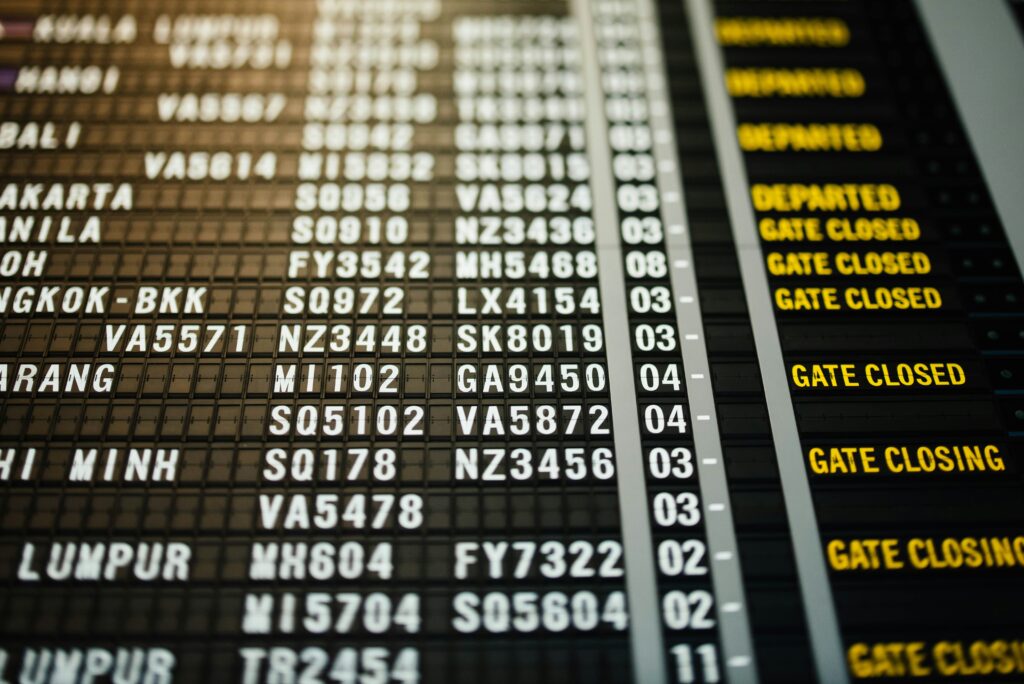
A Round-the-World (RTW) ticket is a single airfare package that allows you to circumnavigate the globe on a single, continuous journey, typically valid for up to one year.
Unlike a standard multi-city booking, which is simply a string of individual flights, an RTW ticket is a structured product with specific, logical rules designed to facilitate a true global itinerary.
Think of it as a travel pass for the planet, offering a streamlined and often more cost-effective way to link multiple continents under one booking.
How Does a Round-the-World Ticket Work?
It’s actually quite simple if you know your geography. When you purchase a RTW ticket, you are buying a set number of flight segments (usually between 3 and 16) with a maximum number of stopovers.
The core rules require you to travel in one continuous direction (eastbound or westbound) and to cross both the Atlantic and Pacific Oceans once. Your journey must also begin and end in the same country, though not necessarily the same city. Pricing isn’t based on individual routes.
Instead, it is often calculated by the total mileage flown, the number of continents visited, or simply the cabin class you select. These tickets are primarily offered by the major global airline alliances like Star Alliance, Oneworld, and SkyTeam, giving you access to their extensive networks of premium carriers.
You may see this product referred to as a “Round-the-World air ticket,” “round world flight tickets,” or most commonly, by its abbreviation: an RTW ticket.
Who is a Round-the-World Ticket Perfect For?
Flying across the globe may sound like a dream come true for many, but this massive commitment may be more suitable for certain types of travellers.
Digital Nomads and Slow Travellers
The year-long validity allows for deep immersion in multiple global hubs, with the convenience of a pre-planned core itinerary.
Affluent Gap-Year and Sabbatical Travellers
Whether it’s a student on a luxury-style gap year or a professional on an extended career break, an RTW ticket provides a structured yet flexible framework to explore the world using premium airline networks.
Luxury Honeymooners and Couples
For the ultimate “bucket-list” trip, couples can string together dream destinations like the Maldives, Bali, and Italy into one effortless, romantic itinerary.
High-Net-Worth Bucket-Listers
Executives, retirees, and established travellers looking for that one monumental trip of a lifetime will appreciate the ability to book in premium cabins and incorporate exclusive stopovers in major hubs.
Frequent Flyers and Loyalty Maximisers
An RTW journey is an excellent way to accumulate a significant number of air miles and status credits with a single alliance, all while enjoying the associated benefits like lounge access throughout your trip.
Who Offers Round-the-World Tickets?

When it comes to booking a Round-the-World (RTW) ticket, you have two primary avenues: the major airline alliances themselves or independent specialist agencies. Each offers a distinct approach to creating your global journey.
Booking Through Airline Alliances
The most structured RTW tickets are provided by the global airline alliances Oneworld and Star Alliance. These alliances bundle their member airlines into a single, bookable fare, allowing for an all-in-one journey across their collective networks.
Oneworld offers the Oneworld Explorer fare, which is priced based on the number of continents you visit, and the more mileage-based Global Explorer. You can book these directly on their website. With member airlines such as British Airways, American Airlines, Qantas, and Cathay Pacific, their network is particularly strong across the Atlantic and in Australasia.
Star Alliance provides a Round-the-World Fare, typically priced by total mileage, which is bookable through their website or via member airlines like Lufthansa, SWISS, and Singapore Airlines. Their network is exceptionally comprehensive, particularly its deep coverage in Asia and Europe.
The Pros of Alliance Tickets
- Simpler Booking: Both alliances provide online planning tools that automatically enforce routing rules, flagging invalid itineraries as you build your trip.
- Loyalty Benefits: You can accumulate frequent flyer miles and tier points with your preferred airline, making this an excellent choice for those into airline rewards and their associated perks like lounge access.
The Cons of Alliance Tickets
- Network Restrictions: You are confined to the airlines within that alliance. For instance, Oneworld has more limited coverage within Africa, while Star Alliance may have fewer options in certain parts of South America.
- Rule Rigidity: The tickets have strict rules on direction, mileage, and the number of stops, which can limit spontaneity.
- Cost: While often cost-effective versus booking long-hauls separately, alliance tickets can be a significant upfront investment and may not always be the cheapest option.
Booking Through Independent Travel Specialists
For maximum flexibility, companies like AirTreks, Trailfinders, and Travel Nation specialise in building custom RTW itineraries. They act as brokers, piecing together tickets from multiple airlines, often mixing alliances and even including non-alliance carriers.
The Pros of Specialist Agencies
- Maximum Flexibility: You are not bound by alliance rules. You can travel in any direction, backtrack, and combine flights with overland travel more freely.
- Broader Destination Access: These agents can access a wider array of airlines, allowing you to reach cities not served by a particular alliance.
- Potential for Savings: By creatively combining fares, they can sometimes build complex itineraries for less than a traditional alliance RTW ticket, especially if your route is unconventional.
The Cons of Specialist Agencies
- Complex Planning: The process is less automated and requires more back-and-forth to create a coherent and logistically sound itinerary.
- Fewer Loyalty Benefits: As your flights are on various airlines from different alliances, you won’t consolidate a large amount of miles or status credits with a single programme. Fare rules may also be less flexible for changes.
How Do Round-the-World Tickets Work?

Understanding the core mechanics of a Round-the-World ticket is the most important aspect of planning a successful trip. While they certainly offer incredible freedom, they also operate within a logical framework of rules designed to ensure a continuous global journey.
The Fundamental Rules
At their heart, all RTW tickets share a set of non-negotiable principles. Your journey must follow one continuous direction—either eastbound or westbound—without significant backtracking across continents. A cornerstone rule is that you must cross both the Atlantic and Pacific Oceans exactly once.
Furthermore, your adventure must begin and end in the same country, creating a true circumnavigation.
Finally, the number of stops is not unlimited; tickets come with a set number of flight segments (typically between 3 and 16) that dictate how many cities you can visit.
Pricing Models: Mileage vs. Continent-Based
The cost and structure of a Round-the-World (RTW) ticket are typically governed by one of two primary pricing models. The first is a mileage-based system, used by alliances like Star Alliance, where you purchase a specific mileage “bucket” and your total flight distance must stay within that limit, with fares increasing for higher tiers.
The second is a continent-based model, like the Oneworld Explorer fare, where the price is determined by the number of continents you visit, moving into a new pricing tier with each additional continent, irrespective of the specific miles flown.
Validity and Duration
The clock starts ticking on your RTW adventure from the date of your first flight. The standard validity for most tickets is 12 months, giving you a full year to complete your journey. It’s important to note that while you can often change flight dates later, all flights must be initially booked before you depart.
Common Restrictions to Consider
Despite their inherent flexibility, Round-the-World tickets are governed by several important limitations.
Travellers must be mindful of potential blackout dates during peak seasons or major holidays, where travel may be restricted or require an additional surcharge. Route limitations are common, as alliances often cap the number of stops permitted within a single region or country to prevent the ticket from being used for multiple deep dives into one area.
And while they’re more adaptable than a standard economy or business fare, changes to your itinerary, like adjusting dates, routes, or destinations, are not free and will typically incur hefty change fees on top of the difference in fare.
The Pros and Cons of Round-the-World Tickets
A Round-the-World ticket is a powerful tool for the global traveller and a dream-come-true for many, but it’s not a one-size-fits-all solution.
Weighing its advantages against its limitations is vital in deciding if it’s the right choice for your adventure or not.
The Advantages: Why a RTW Ticket Shines
A RTW ticket is a once-in-a-lifetime journey that blends convenience, value, and structure in some of the world’s most exciting and underrated destinations.
Simplified Planning and Convenience
Perhaps the greatest benefit is the streamlined process. Instead of juggling multiple separate bookings, you manage one single itinerary with a single booking reference. This centralises administration and provides a clear, cohesive travel framework from the outset.
Potential for Cost Savings
By bundling several long-haul flights, a RTW ticket can be significantly cheaper than purchasing each leg individually, especially when travelling in premium cabins or during peak seasons. The pricing models are designed for extensive travel, offering a level of predictability that fragmentary booking often lacks.
Earn Frequent Flyer Miles
As your journey typically stays within one airline alliance, you can accumulate all your air miles in a single frequent flyer programme, accelerating your progress towards elite status and its perks like lounge access and priority boarding.
Smooth Multi-Continental Travel
The ticket is structurally designed to facilitate a logical global journey, making it remarkably easy to string together dream destinations across several continents in one fell swoop.
Visa and Onward Travel Proof
For countries that require proof of onward travel for entry, a RTW ticket provides incontrovertible evidence of your future travel plans, which can simplify border crossings and visa applications.
The Drawbacks: Important Considerations
While a RTW ticket certainly comes with its perks, like most things in life, it also has its fair share of constraints.
Limited Flexibility
You are committed to a pre-defined route and must travel in one continuous direction (east or west). Spontaneous backtracking or significantly altering your itinerary mid-trip is typically not permitted without incurring additional fees.
Complex Rules and Restrictions
Navigating the rulebook is essential. You must adhere to strict conditions on the number of stopovers, total mileage, and ocean crossings. This complexity can feel restrictive for travellers who prefer a more organic, unplanned approach.
Not Always the Cheapest Option
For travellers on a tight budget or those whose itineraries heavily feature regional, low-cost carriers, a DIY approach of piecing together individual flights can sometimes be more economical than a structured RTW fare.
Potential for Hidden Costs
While changes are certainly possible, they are seldom free. Altering flight dates or destinations after your ticket has been issued will likely incur change fees plus any fare difference, which can add up quickly.
How to Plan Your Round-the-World Route

Planning the perfect Round-the-World itinerary is an art form that balances grand ambition with meticulous logistics. This is where your dream journey is transformed from a vision into a tangible, flowing route.
The process requires you to be both an inspired dreamer and a pragmatic planner, weaving together your bucket-list destinations with the practical and sometimes annoying realities of global travel.
Choosing Your Starting Hub
Your first and most crucial decision is selecting your starting hub, a choice with significant financial and logistical implications. Major international gateways such as London, Singapore, or Bangkok often provide the most competitive RTW fares and superior routing flexibility due to their extensive network of flights.
It’s worth investigating whether beginning your journey from a different country than your own could earn you substantial savings. But of course, this must be balanced against the cost and convenience of reaching that initial departure point.
Balancing Destinations
With your launchpad secured, the true architecture of your journey finally begins.
The most successful itineraries are not just lists of places, but geographically intelligent pathways that follow a natural, flowing arc across the globe. This involves clustering destinations by region to minimise wasteful backtracking and tedious transit days.
Perhaps you will trek Southeast Asia from Vietnam down to Indonesia before hopping to Australia, or weave through South America from Colombia to Brazil and then south to Argentina. This strategic grouping is the backbone of an efficient trip.
What’s Your Travel Style?
At the same time, you need to define the rhythm of your adventure by choosing between deep cultural engagement and a broader, faster glimpse of destinations. A deep travel style, spending two to four weeks in each location, allows for genuine connection, language acquisition, and uncovering hidden local gems.
In contrast, a faster pace of three to seven days per city offers somewhat of a greatest hits experience – a thrilling whirlwind of highlights. However, many seasoned travellers find a hybrid approach most rewarding, blending longer, restorative stays in culturally rich regions with shorter, more intense bursts of sightseeing in compact urban cities.
Practical Considerations
None of this dreaming matters, however, without a firm grounding in practicalities. A flawless global journey is unfortunately underpinned by thorough administrative preparation. This means meticulously researching visa requirements many months in advance, with some application processes being lengthy and complex.
It involves charting your course to align with favourable weather patterns, skilfully avoiding the monsoon season in Asia or the bitter cold of a European winter.
Of course, it also means securing comprehensive travel insurance tailored for long-term, multi-destination trips and ensuring all necessary vaccinations and health precautions are addressed well before your departure.
Ultimately, the most memorable Round-the-World journeys are those that find harmony between structure and spontaneity. While a well-researched plan provides an essential framework and cost control, the true magic often lies in the unplanned detours and unexpected discoveries. So make sure you plan an itinerary that is robust but not overly rigid, leaving room for some spontaneous opportunities.
What a Round-the-World Ticket Looks Like in Practice
To truly understand the value and appeal of a Round-the-World ticket, it helps to see an actual itinerary.
Below are two distinctly different examples: one a more strategic, budget-conscious approach, while the other showcases the ultimate globe-trotting dream getaway, if money were no option.
Example 1: The Cost-Conscious Continental Tour

Perfect for the traveller seeking maximum value, this Oneworld Explorer itinerary delivers a taste of four continents by following a logical, efficient eastbound path that minimises both mileage and cost.
The Route: Eastbound on Oneworld
- Start: Los Angeles (LAX)
- Stopover 1: Tokyo (HND), Japan: A dazzling blend of hyper-modern districts and serene ancient temples.
- Stopover 2: Bangkok (BKK), Thailand: An exotic base for exploring Southeast Asia’s culture and cuisine.
- Stopover 3: Dubai (DXB), UAE: Several days of futuristic architecture and desert adventure.
- Stopover 4: Cape Town (CPT), South Africa: Stunning landscapes, from Table Mountain to the Winelands.
- Stopover 5: Rio de Janeiro (GIG), Brazil: Iconic beaches and the towering Christ the Redeemer.
- End: Miami (MIA)
Why This Route is a Masterclass in Efficiency
This itinerary is a masterclass in efficiency. Its tight, circular routing avoids backtracking, which keeps the total mileage within a lower and more affordable pricing tier on the Oneworld Explorer fare structure.
Connecting through major alliance hubs like Tokyo, Dubai, and Bangkok ensures smooth connections. Focusing on four continents instead of five or six is also a lot cheaper without sacrificing the overall global experience.
Estimated Cost: USD 3,600 – USD 6,900 in economy, and USD 11,500 – USD 17,500 in Business Class.
Example 2: The Ultimate Bucket-List Journey

For those with the time and budget for a once-in-a-lifetime adventure, this Star Alliance route is the pinnacle of RTW travel.
It spans six continents, world-famous cities, paradise islands, and one trip of a lifetime you’ll never forget.
The Route: Westbound on Star Alliance
- Start: New York (JFK)
- Stopover 1: London (LHR), UK: A perfect opening act of royal history and cosmopolitan energy.
- Stopover 2: Istanbul (IST), Turkey: Where East meets West in a city of grand bazaars and mosques.
- Stopover 3: Dubai (DXB), UAE: A luxurious pause for a desert safari and high-end shopping.
- Stopover 4: Maldives (MLE): The quintessential island experience for a fraction of the usual cost.
- Stopover 5: Singapore (SIN): An efficient and delicious hub for further exploration in Southeast Asia.
- Stopover 6: Sydney (SYD), Australia: Sun, surf, and the iconic Sydney Opera House.
- Stopover 7: Auckland (AKL), New Zealand: A natural paradise for seasoned hikers and adventurers.
- Stopover 8: Santiago (SCL), Chile: The gateway to otherworldly Patagonia and famous vineyards.
- End: New York (JFK)
Why This Route is the “Dream”
This itinerary taps the global reach of Star Alliance to its fullest. It delivers epic scope, touching six continents and blending urban wonders with top-tier natural splendours. The inclusion of the Maldives showcases the magic of RTW tickets, where a typically expensive destination becomes surprisingly viable.
While the upfront cost is higher, the value per destination is exceptional, especially when you consider the staggering individual cost of flights from the US to destinations like Australia or the Maldives.
Estimated Cost: USD 4,000 – USD 10,000+ in economy, and USD 14,000 – USD 22,000+ in Business Class.
Booking Tips and Insider Strategies For Your Round-the-World Trip

Planning a Round-the-World ticket is like solving the world’s most rewarding travel puzzle. While the concept is simple – to circle the globe on a single ticket – navigating the booking process requires savvy strategy.
If you love the intricacies of planning trips and secretly wish you could moonlight as a travel agent, then this is certainly for you.
Here’s how to transform your dream itinerary into a confirmed booking, all while keeping your sanity and budget intact.
Draft a “Dream Itinerary,” Then Refine with Reality
Begin by plotting your must-visit destinations on a map. This is your unfiltered wish list. The next step is introducing this dream to the logical, though sometimes strict, rules of airline alliances.
RTW tickets require you to travel in one continuous direction (east or west), so avoid backtracking across continents, and adhere to limits on the total number of flights.
Use your initial list as a starting point, but be prepared to refine the order of cities or even swap a destination to create an efficient, elegant route that arcs smoothly across the globe.
Befriend the Alliance Booking Engines
Before contacting an agent, empower yourself with data. The official online tools, like the Star Alliance RTW Planner and the Oneworld Explorer Fare Calculator, are your virtual flight simulators. Input your desired route to instantly see how it fits within an alliance’s framework, including the total cost based on mileage or continents travelled.
These platforms are vital for testing different scenarios and understanding the financial impact of adding another stop, allowing you to optimise your itinerary before you even speak to a consultant.
Master the Art of the Stopover
This is the golden rule of RTW travel. Don’t view a stopover (a stay of more than 24 hours) merely as a pesky layover, but instead as a bonus city included in your ticket price.
Major airline hubs are designed for this. Instead of just transiting through Singapore, plan a three-day stopover to explore its hawker centres and gardens.
Use Doha as a gateway to the Middle East or Tokyo for some deep cultural immersion. Strategically placing these extended stops in hubs like Dubai or Istanbul can dramatically increase the value and richness of your journey, ultimately giving you several mini-vacations in one.
Choose Your Booking Path: Direct vs. Specialist
As previously mentioned, you have two primary avenues for booking your journey, each with distinct advantages. Booking directly with an airline alliance offers maximum control, allowing you to manage your itinerary online, and is best suited for confident travellers with a straightforward route.
On the other hand, using a specialist RTW agency is highly recommended for more complex trips, as their agents are skilled at navigating intricate alliance rules, finding obscure routing options, and can often secure more convenient and optimised connections.
Let Flexibility Be Your Guide
If your travel dates are immovable, your options and savings will be limited. Flexibility is the single most powerful tool for crafting a superior RTW ticket. Being open to shifting your departure by a few days or travelling during a shoulder season can unlock significantly lower fares and better flight availability.
It can also open the door to serendipitous stopovers you hadn’t previously considered. The rigid traveller gets from A to B, but the flexible traveller discovers C, D, and E along the way … and often for less.