

So, you’ve whittled away your list of incredible Southeast Asian destinations for your next trip and it’s all come down to this: Vietnam vs Malaysia. You’re not alone.
Both corners of the continent have experienced surges in tourism in recent years – Malaysia welcomed a whopping 25 million people in 2024, while Vietnam saw a visitor bounce of 21% in just the first two quarters of 2025. To put it simply: These are two seriously alluring countries.
And while you can expect taste-bud-tingling food (hello pho!) and eye-watering natural scenery, electrifying cityscapes and come-laze-on-me-beaches in both locations, they also have stacks of differences. From the cost of travel to the ease of bagging a visa, the seasons to whether you’ll be wandering tea fields or rice paddies, there’s a whole load in the balance. Cue this guide, which runs through the pros and cons of Malaysia and Vietnam to help you pick the Southeast Asian destination that’s right for you.
Of course, there is a third way. Flight times between Ho Chi Minh City and Kuala Lumpur are only a whisker over two hours. If the schedule allows, there’s no reason you couldn’t start your day with a zingy laksa and end it with a banh mi, if you catch my drift?
But if doing both in a single swoop isn’t an option…Here’s how to choose between Malaysia and Vietnam for your next Southeast Asia adventure.
Affordability: Which One Gives You More for Less?
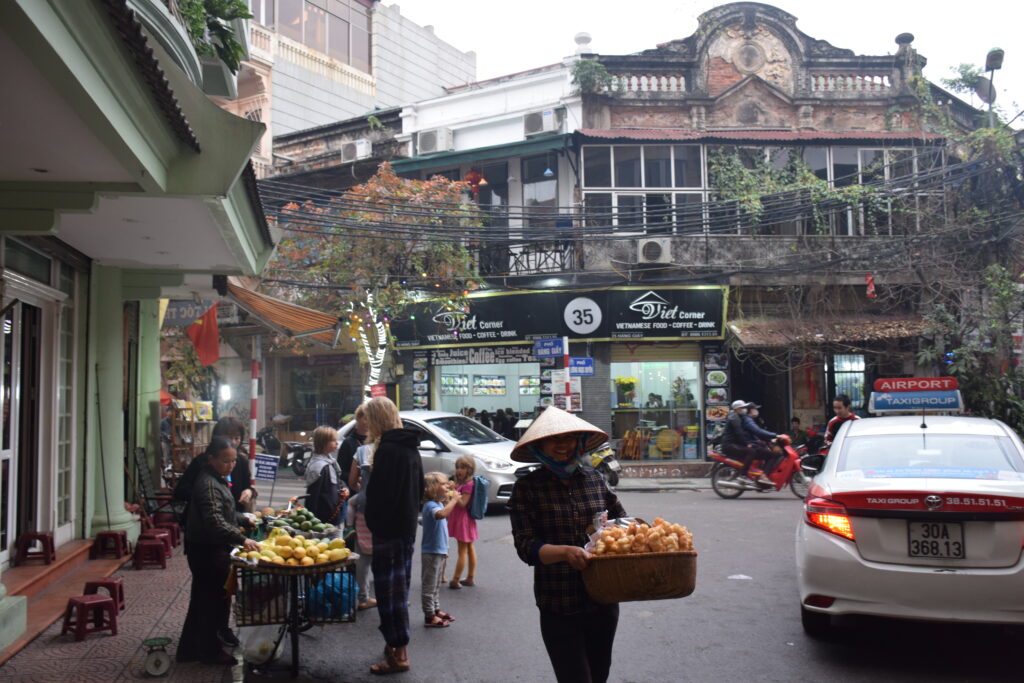
There isn’t anything wrong with thinking about the budget! Recent polling from YouGov showed that nearly a third of travellers considered cost as a deciding factor when it comes to picking their next destination.
The good news is that both Malaysia and Vietnam are often ranked among the cheaper spots on the globe, though there’s one definite standout that’s sure to tempt anyone on the hunt for wallet-friendly adventure this year.
Vietnam
Vietnam is a budget traveller’s dream.
Humour my anecdote for a moment: There’s me, deciding to abstain from beer for a whole month, jetting into Da Nang for a stint on the sunny beaches, only to discover that you can get a refillable glass of the good stuff for a mere 12 cents. Yep, a measly 12 cents!
I’ve since learned not to do dry months while in Vietnam. Even if the price of beer has noticeably crept up in the last decade, it’s still one of the cheapest out there.
And that’s just drinking. The truth is that everything from hotels to bus trips is generally easy on the wallet in Vietnam. Combine that with highly favourable FX rates as of the start of 2025 and you’ve got yourself a region-leading country on the ‘cost front’.
Here are just a few example prices (in USD) you can expect to encounter:
- Rough cost of a night in a midrange hotel in a popular town or resort (Mui Ne, Da Nang, Sapa) – $50–$60
- Plate of street food like banh mi or a bowl of pho – $1–$3
- A bottle of water in a supermarket – $0.40–$0.80
- A large domestic beer – $1
Malaysia
The official numbers make for happy reading on the budget front: Malaysia is around 50% cheaper than the United States and some 43% cheaper than the United Kingdom. The thing is, I can’t say it’s a budget-busting spot a la Laos or India, or – even more pointedly – Vietnam.
There are bargains to be had ($15-per-night beds in the heart of the ancient Taman Negara rainforest, I’m looking at you). But there’s also a premium in key locations. You’ll be looking at dropping around $70-100 a night for a condo stay with a pool in Kuala Lumpur (KL), while sand-sea-sun spots like Langkawi tend to cost more than Thai islands or Vietnamese islands – it’s normal to spend well over $70 a night on a beach bungalow or resort hotel.
Balancing that out, street food remains a mega bargain (particularly in the wet markets of Kuala Lumpur) and transport is a steal (perhaps one of the upsides of KL reigning as Southeast Asia’s low-cost airline hub).
A quick note on drinks: Alcohol is heavily regulated and taxed in Malaysia, so prices are among the highest in the region.
Here are some estimated costs (in USD) in Malaysia:
- Rough cost of a night in a midrange hotel in a popular town or resort (Langkawi, Tioman Island, Penang) – $70–$100
- Street food like nasi lemak or roti – $2–$4
- A bottle of water in a supermarket – $0.50–$0.90
- A large domestic beer – $3
Verdict
Vietnam wins out when it comes to the cost of travel, and by quite a margin at that.
It’s not that Malaysia is particularly expensive. It’s more that the ‘land of pho noodles’ and Halong’s shimmering waters are headline-grabbingly cheap.
Going on a shoestring, you should still be able to get by there on around $455 per week, compared to a minimum of $700 per week in Malaysia.
Visa and Entry Requirements
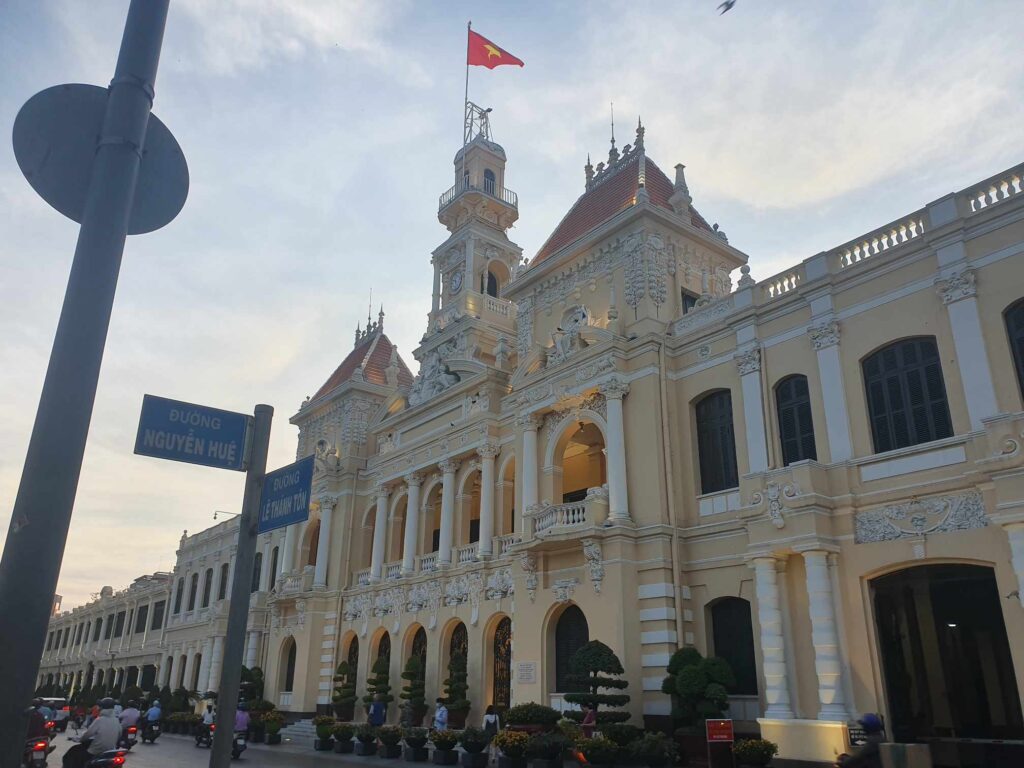
Southeast Asia has made leaps and bounds in the last decade when it comes to administration at the border. Where once you’d have to fill out form upon form at stuffy passport-check posts, now most entry visas can be done online in advance of travel.
That’s certainly the case with Vietnam, while Malaysia goes one step further by offering up one of the most encompassing visa-free schemes in the region.
Vietnam
The ease of entering Vietnam depends on what passport you hold. Things have recently changed for UK citizens, who get visa-free access for up to 45 days at the time of writing. Nationals of the USA still require a visa, but it can now all be done online via the official Vietnam e-visa scheme.
Things used to be notoriously bureaucratic when it came to crossing the Vietnam border. I remember stressing about what class of visa I’d got, whether my passport was too roughed-up to be accepted, and having the exact amount of USD to pay for my entry at the border post. Thankfully, most of that has been consigned to the litter bin of backpacker history.
These days, there’s a whiff of hassle since there are different requirements for different passport holders, but it shouldn’t be a make-or-break issue.
Malaysia
The list of nationalities that require a full-on visa to enter Malaysia numbers just 31. That makes this one of the most accessible nations in Southeast Asia, especially when you factor in that visa-free access is allowed for up to three months for a whole host of people (including most of the EU and the UK).
Just make sure your passport is valid for a minimum of six months from the date you arrive in Malaysia, and be ready to show proof of an onward flight (though I’ve never been asked for that).
Verdict
Big changes in the way Vietnam handles incoming visitors mean it’s now more accessible than ever before.
Sadly, visa requirements for US citizens persist and there’s not quite the blanket consistency in entry policy found over in Malaysia, where the vast majority of people won’t even have to consider forms and pre-authorizations and all that jazz.
Malaysia wins this one.
Culture & Daily Life: How Vietnam and Malaysia Feel on the Ground
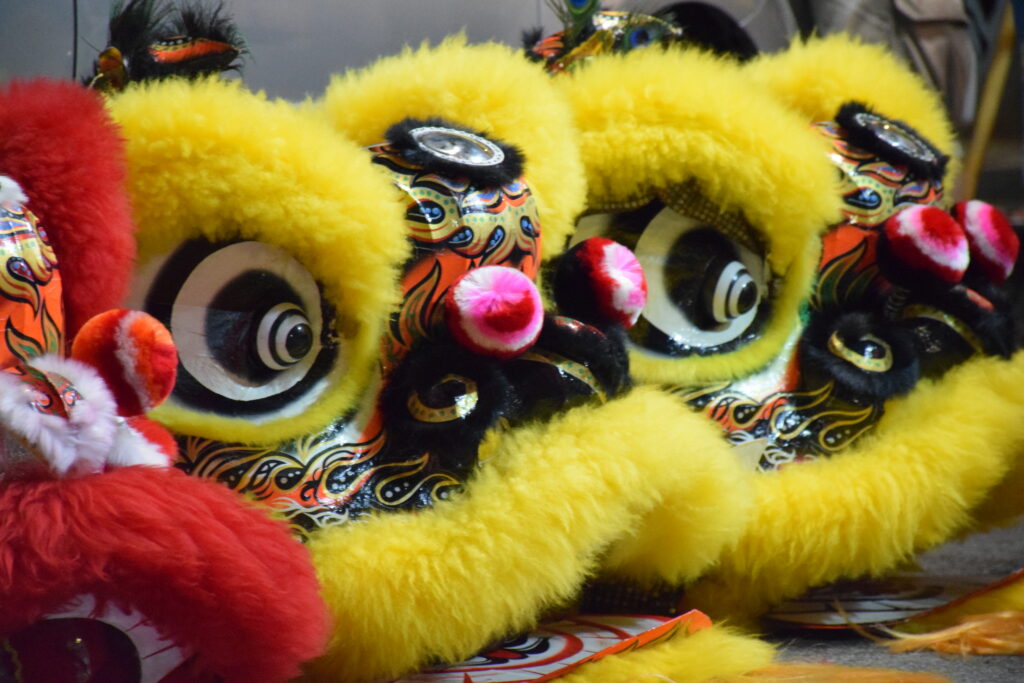
When it comes to culture, cuisine, and all-around vibe, both Vietnam and Malaysia are nothing short of enthralling.
I’ve had bucket-list-busting moments in both these countries, from navigating the spice-scented streets of George Town and boating around the great karst pinnacles of Halong Bay, right down to tea tasting in the Cameron Highlands.
I don’t think either will disappoint, but they do have their differences…
Vietnam
Culture buffs will adore Vietnam. I recall channelling my inner Indiana Jones as I cycled through the jungle-tufted karst mountains of Ninh Binh in search of the ancient capital of Hoa Lu.
And there’s nothing that can prepare you for the sheer intensity of the Hanoi Old Town, where the sounds of whirring engines mingle with spices and the smells of robusta coffee in the body-packed streets.
You also won’t want to miss the grand Nguyen palaces of Hue or the enchanting centre of Hoi An, an old trading port with Japanese and Chinese influences.
One thing that’s palpable here is the sense of national pride. Ho Chi Minh City and Hanoi both have striking reminders that this nation was embroiled in a brutal war only 50 years ago.
In the first, there’s the War Remnants Museum and the Cu Chi Tunnels used by Viet Cong soldiers. In the latter, the USSR-styled mausoleum of President Ho rises above the downtown.
Malaysia
People often forget that Malaysia is split cleanly in two.
In the west, you have the Malay Peninsula, a built-up land of colonial-era cities and vibrant towns. Most of the mainstay sights are here. Come to wander the red-painted streets of Malacca, duck into the stirring Batu Caves, and see the street art of Penang.
Over in East Malaysia, things take a turn for the wild and the ancient. The states of Sabah and Sarawak unfold there on the edge of untamed Borneo, an island that’s shared with neighbouring Indonesia.
Head this way to do safaris into prehistoric rainforests and visit tribal cultural villages that subsist on crafting and sugarcane.
Verdict
There’s no better here; just different. Culture vultures won’t be disappointed by either destination. Malaysia’s hallmark is diversity in all things – religion, food, and art.
Vietnam has a more homogenous culture, and a history that mingles ancient cities with sobering reminders of the Vietnam War.
Outdoor Adventures: Vietnam’s Highlands vs. Malaysia’s Rainforests
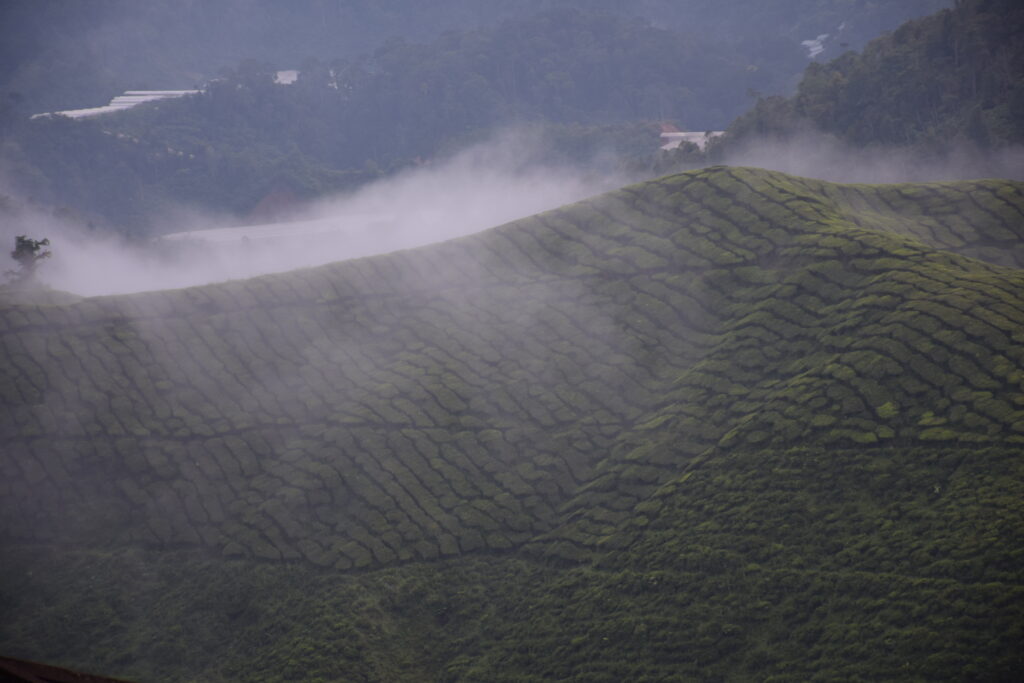
Rice paddies, cloud-haloed mountains, and pristine beaches that look plucked from Robinson Crusoe – these two countries combine to offer up one of the most irresistible arrays of outdoorsy things in Asia.
Let’s see what sets them apart…
Vietnam
From the emerald rice paddies of the north to the talcum-white beaches of the south, Vietnam is nothing if not varied when it comes to natural landscapes.
That’s largely down to the geography – long and thin, Vietnam covers a whopping seven separate climate zones.
The general rule is this: For paradise sands, stick to Phu Quoc or the resorts that string the coast between Ho Chi Minh City and Hoi An.
For mountains and highland retreats, the north reigns supreme.
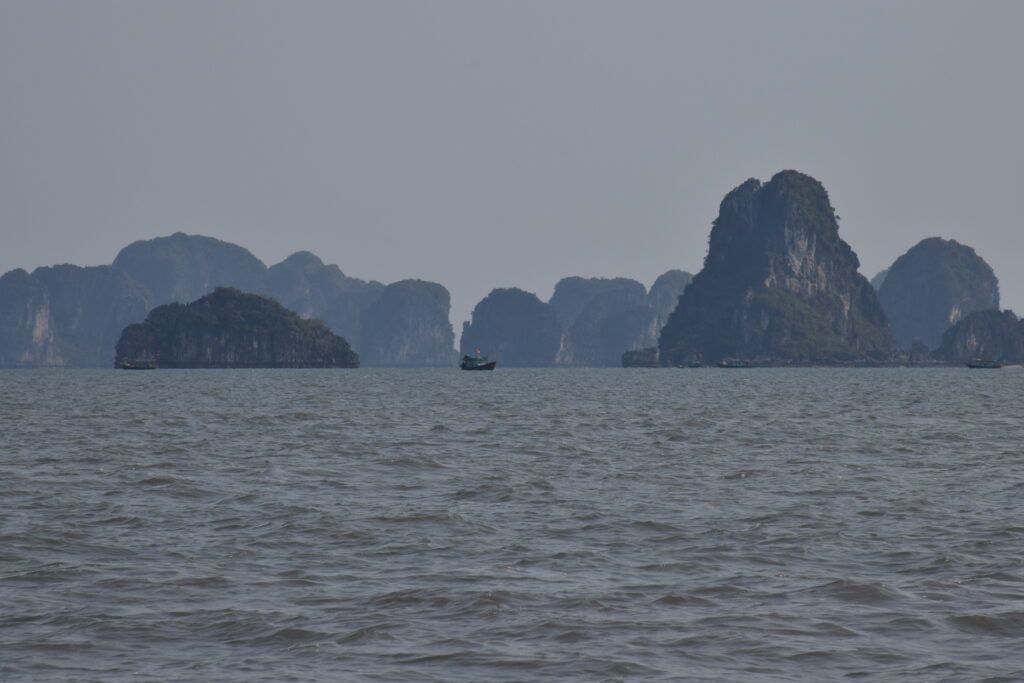
The exception that proves that rule is Halong Bay, a simply unrivalled patch of karst mountains that rises straight from the pearly South China Sea (it’s one of Southeast Asia’s most jaw-dropping scenes).
Malaysia
I like to think of Malaysia as a book with three chapters.
Chapter one is the coast. The shoreline might not get the plaudits of neighbouring Thailand, but don’t underestimate the paradise credentials of Langkawi or the Perhentian archipelago during their respective dry seasons. I’m talking pure chalk sands and seas of perfect sky-blue.
Chapter two is the mountains, which really hit a zenith in eastern Malaysia. There, the sleeping giant of Mount Kinabalu, ranked the 20th most prominent peak on the planet, challenges trekkers with an ascent through misty jungles to a summit more than 4,000 meters up.
Chapter three, the rainforest. The heart of western Malaysia is draped in the forests of Taman Negara. It’s one of the oldest rainforests on the planet, home to elusive Malayan tigers and herds of forest elephants.
Over in Borneo, you’ll find what the WWF calls “Asia’s last great rainforest.” Its claim to fame? Orangutans are seen amid the dense thickets of the Semenggoh Nature Reserve.
Beyond that are the cave-whittled tracts of the Mulu National Park and the beautiful Bako National Park, where visitors hike monkey-patrolled trails to truly remote beaches.
Verdict
Malaysia probably wins out here since its eastern half is one of the last frontiers of the Asian rainforest.
But there are bags of outdoor pursuits on offer in Vietnam, from hilltribe treks in Sapa to kitesurfing along the dune-backed beaches of Mui Ne.
Food & Dining: Pho vs Nasi Lemak
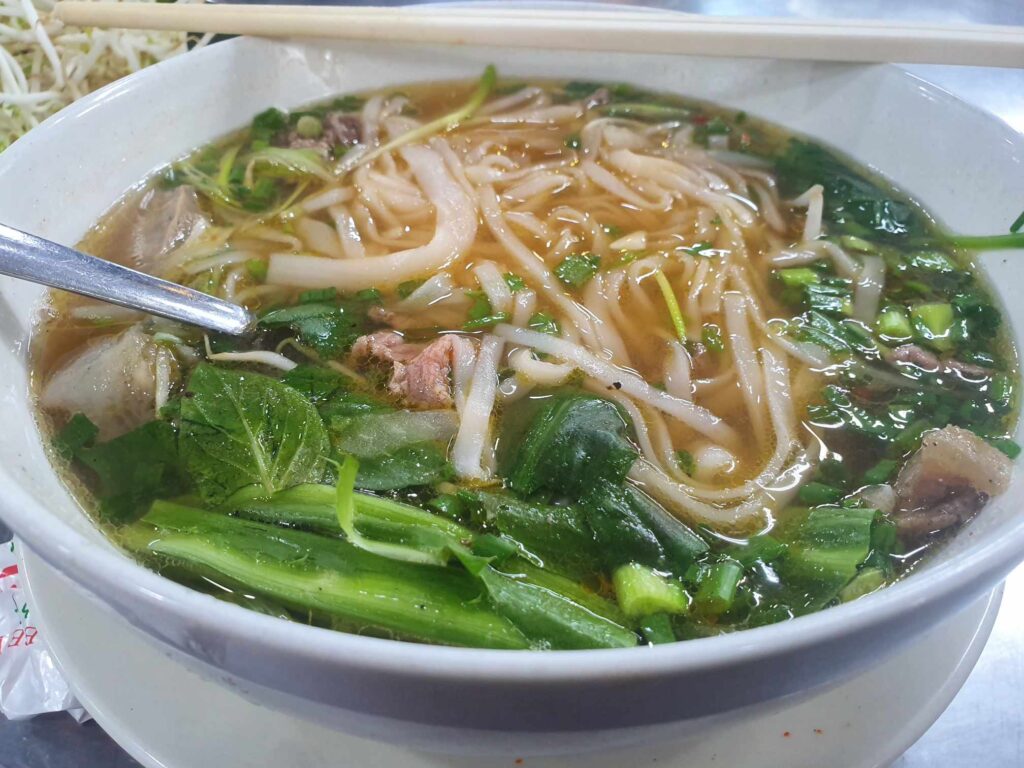
Jaunts through Southeast Asia and good eating go hand in hand, and both Malaysia and Vietnam are pretty big players on the cuisine front.
One’s a steaming hotpot of influences, where Indian masalas meet Chinese slow cooking. The other is the master of the noodle broth.
Here’s a closer look…
Vietnam
Some defining dishes lead the way in Vietnamese cuisine. There’s pho, a salty broth laden with long rice noodles and topped with chili flakes, fresh herbs, and lime wedges. There’s banh mi; the crispy baguette packed with shredded veg, tofu, and coriander leaves.
The MO is this: Fresh, simple, zingy Eastern cooking.
What I particularly love about dining in Vietnam is the regional variation. Certain towns have certain specialties that you simply must sample. Take the cao lầu of Hoi An. It’s impossible to recreate because it must be crafted with noodles made with water from a local well!
Malaysia
Malaysian cuisine is a heady mishmash of Chinese, Thai, Indonesian, Indian – the list goes on. It artfully fuses zingy ginger and soy with more tropical flavours from the south, tabling coconut curries next to stir-fry noodles.
The national dish is nasi lemak, a type of rice that’s doused in coconut milk and topped with a chili paste that’ll blow your socks off. But diversity remains the keyword. In Penang, you’ll get Tamil curries just as good as in India. In Malacca, the specialty is peanut-satay broth with skewers. Up high, there’s the tea country.
Oh, and this is also the land of Kuala Lumpur, a city that takes the meaning of street food to all new and dizzying heights with the fizzing stalls and kitchens of Jalan Alor and Bukit Bintang. If it wasn’t for Bangkok, I wouldn’t hesitate to crown it the king of street eats in Southeast Asia.
Verdict
Rest assured that tummies will be satisfied no matter which of these two Southeast Asian gems you pick.
Malaysia shines for its diversity of food. It’s normal to eat Indian-style roti breads for breakfast and Chinese laksa soups for dinner, with Malay peanut satay thrown in for lunch.
Vietnam surely wins if you’re a fan of the classic noodle broth – it’s elevated to the level of art there.
Transport and Getting Around
Trains, “VIP” buses, and taxis will make up the bulk of your travel options in both of these places.
But I think there’s one that pips it for the rich history and slow-travel feels of its rail network.
Vietnam
For me, Vietnam’s locomotives are up there with India’s and Sri Lanka’s. To put it another way, they’re a truly immersive way to travel, steeped in history and offering a meditative option for moving from A to B.
The shape and size of the country – it’s over 1,000 miles from top to bottom yet just 30 miles wide at its narrowest point – lends itself to railways. Just a single line is all that’s needed to knit together the main coast towns and offer access to more inland destinations when you add on a short transfer from the station.
Okay, so the trains are slow, but that’s part of the charm. You can go for nearly 40 hours and watch as the south’s mangrove swamps turn into rugged karst landscapes. It’s a joy.
When there’s no train on offer, you’re looking at either bus or taxi transfers. The former leaves a lot to be desired – let’s just say the train is way comfier than a coach with dodgy aircon on overnighters.
Malaysia
There is a train service cutting through Malaysia that can even take you to Bangkok if you’re pining for a pad Thai. It’s quick, comfy, and rarely breaks the bank (you’re looking at about $80 for a trip from Singapore to the Thai capital).
The downside? Trains only stop in a handful of destinations in half of Malaysia (the west – Peninsular Malaysia).
You can’t simply hop off amid the 130-million-year-old rainforest of Taman Negara, for example. It’s mainly for getting between Johor Bahru (close to Singapore), Kuala Lumpur, and Penang.
Coach services or 12-seater minivans take over where the trains fail. They’ll be your link to most highland towns, smaller villages, and pretty much anywhere in eastern Malaysia. Talking of eastern Malaysia, there are quite a few islands over there that are only reachable by boat, which can be pricey.
Verdict
Vietnam has a trump card to play here: Trains. The old-school Reunification Express runs the whole length of the country from Ho Chi Minh City to Hanoi, connecting pretty much everywhere that’ll be on that first-time bucket list.
It’s a comfy, historic way to travel and I love it.
Can You Do Both Vietnam and Malaysia in One Trip?
Why can’t you have it all? The Gulf of Thailand is all that separates the northern tip of Malaysia from the southern toe of Vietnam.
Plan your time right and there’s no reason you can’t get your hit of Confucian temples and Kuala Lumpur’s buzzing bazaars.
Flights Between Vietnam & Malaysia: How to Connect the Dots
Here’s some good news: Kuala Lumpur is now Southeast Asia’s de facto low-cost airline hub. AirAsia is the name you need to know about. They operate over a third of the flights from Kuala Lumpur International and offer direct links to Phu Quoc, Hanoi, and Ho Chi Minh City.
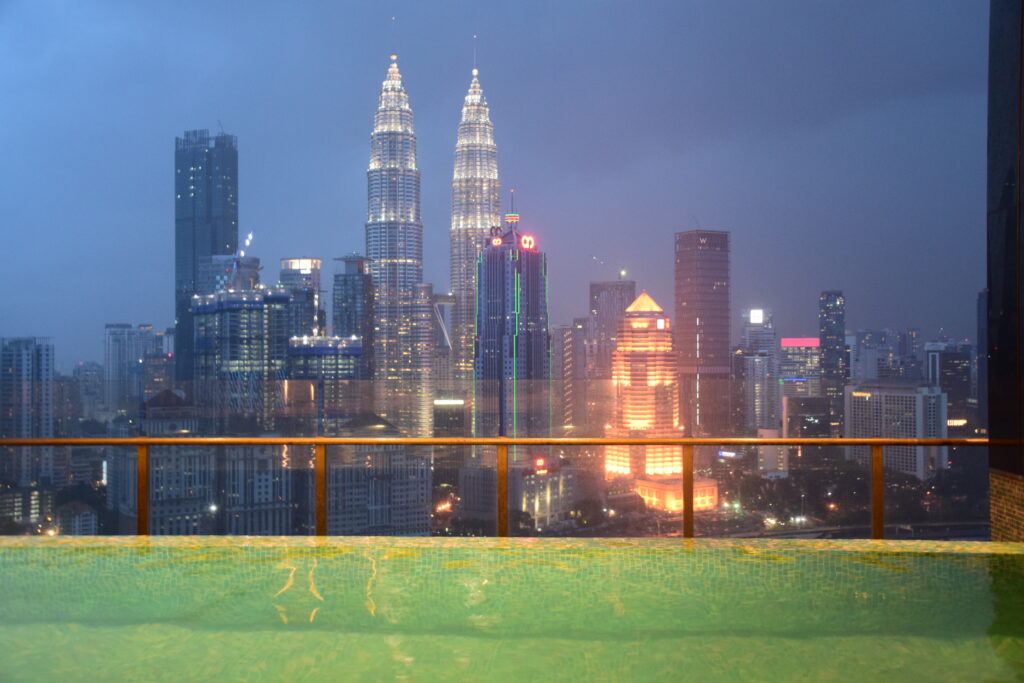
It’s about two hours in the air and voila, you’ve swapped the Petronas Towers for Nguyen-era fortresses. Just be sure to book in advance, as airfare on Asian budget carriers tends to soar in the 90 days prior to departure.
How to Structure a Two-Country Trip
So-called open-jaw flights are the holy grail here. Try to find a long-haul connection that gets you into Vietnam but jets out of Kuala Lumpur (or vice versa). That way, you only have to take one connecting flight to link up your travels in both countries.
You’ll be packing a lot in, so try not to be too ambitious with the itinerary.
A loop around the Cameron Highlands, up to Penang, and back to KL could be followed with the highlights of northern Vietnam (Halong, Hanoi, and Sapa). That’s plenty for two weeks.
Is It Worth It? Pros and Cons
If you really can’t see a winner in the Malaysia vs. Vietnam showdown, then doing both countries in one fell swoop is a top choice. It does mean sacrificing the luxury of slow travel, which can be a particularly nice thing around the beaches of Mui Ne or Phu Quoc, or amid the atmospheric towns of Malacca and George Town.
However, you’ll get a taste of Malaysia’s diversity in food and culture, along with a hit of captivating Vietnamese history, all without too much hassle since flights are jetting between both nations every darn day.