

In a world of constant connectivity, the ancient art of true restoration feels more vital these days than ever before. Enter Thailand: with its lush jungles, sacred temples, and deeply ingrained culture of healing, it has long been one of the world’s most soul-nourishing destinations. And its offerings have only expanded over time.
The kingdom’s unique power lies in its fusion of timeless traditions and world-class luxury facilities, creating the ideal canvas for a transformative journey. So when it comes to planning the perfect wellness itinerary, Thailand is all about weaving together these threads: the silence of a morning meditation in Chiang Mai, the skilled hands of a therapist in a Phuket spa, and the profound peace found within a Bangkok temple.
Here, the wellness possibilities are as diverse as the country itself. Imagine days beginning with sunrise yoga overlooking the jungle, afternoons dedicated to personalised therapies in world-class spa resorts, and evenings filled with the wisdom of local traditions. This journey can be a deeply personalised experience, crafted from a combination of detoxification, meditation, yoga, and the simple yet powerful act of disconnecting in order to reconnect. It’s about discovering a rhythm that restores and renews you, whether that involves following a structured program at a renowned retreat or exploring Thailand’s peaceful temples and healing traditions at your own pace.
Whether you seek deep spiritual renewal, physical revitalisation, or simply a pause to breathe, Jetsetter’s guide to Thailand’s wellness landscape will equip you with the insights to design an itinerary that resonates with your mind, body, and soul, ensuring your journey is as enriching as it is restorative.
Choosing the Right Region and Retreat
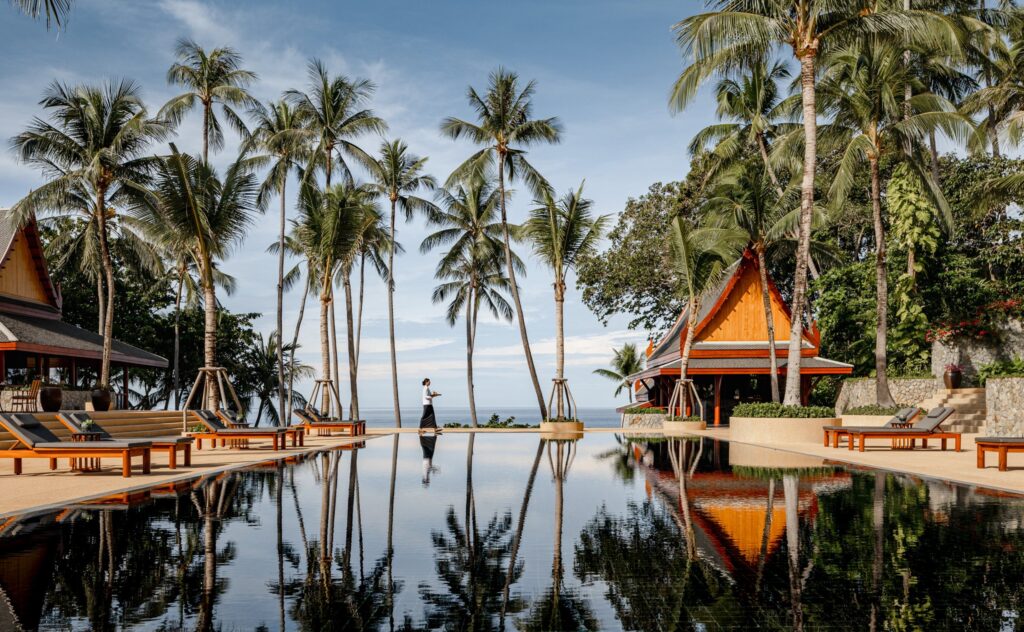
Thailand’s diverse geography offers distinctly different wellness experiences, each with its own unique atmosphere and healing benefits. From the misty mountains of the north to the tropical islands of the south and the vibrant urban energy of Bangkok, choosing the right location is the first step in creating your ideal wellness journey.
Northern Mountains: Spiritual Sanctuary in Nature

The mountainous regions around Chiang Mai and Chiang Rai provide a cool, serene environment perfect for deep spiritual work and digital detox. This area is renowned for its authentic meditation centres and nature-immersed retreats like Museflower Retreat & Spa in Chiang Rai and The Mindful Farm in Chiang Mai’s countryside. The north’s wellness philosophy is deeply connected to Buddhist traditions, with ancient temples like Wat Umong offering profound mindfulness meditation sessions.
Beyond all the fancy retreats, the region also offers authentic cultural experiences through the local villages and the region’s hill tribe communities. The cooler climate, lush forests, and tranquil rice paddies create the perfect setting if you want to unplug, reflect, and reconnect with nature through hiking, organic farming experiences, and silent meditation retreats.
Islands and Beaches: Luxury Wellness by the Ocean
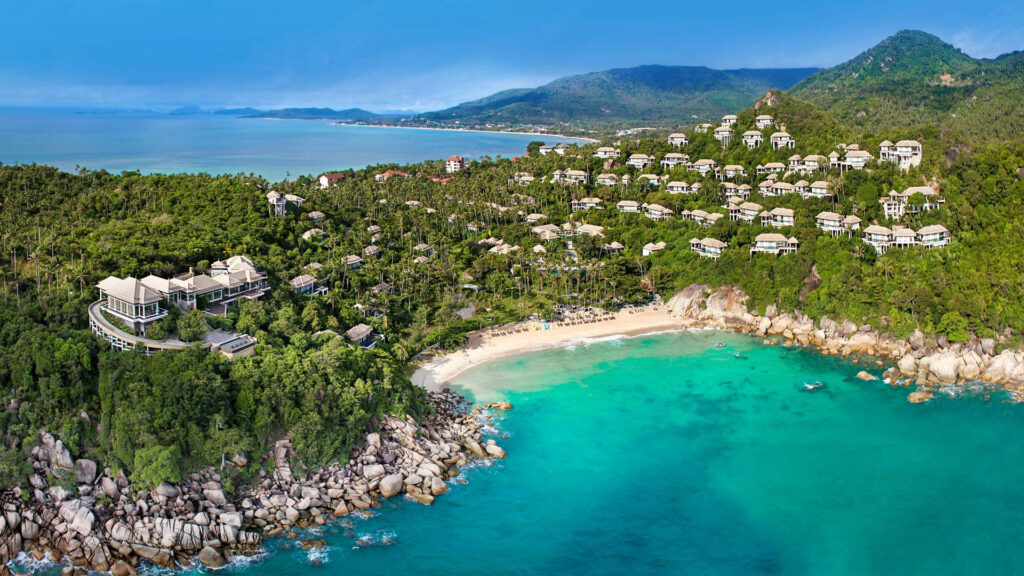
Thailand’s southern islands present wellness through the lens of tropical luxury and ocean-inspired healing. World-class destinations like Banyan Tree Samui and Amatara Welleisure Resort in Phuket offer complex wellness programs with stunning beachfront settings. This region boasts Thailand’s most developed wellness infrastructure, combining ancient healing traditions with contemporary luxury amenities.
The gentle rhythm of island life – think sunrise yoga sessions on the beach, detox programs enhanced by sea air, and holistic treatments in open-air pavilions overlooking the water – creates an environment of natural rejuvenation. The islands are ideal for those looking to combine intense wellness programs with the relaxing effects of sun, sand, and sea. They offer everything from medical treatments to spiritual healing, all set in one of the world’s most beautiful tropical surroundings.
Bangkok and Central Thailand: Urban Wellness Oases
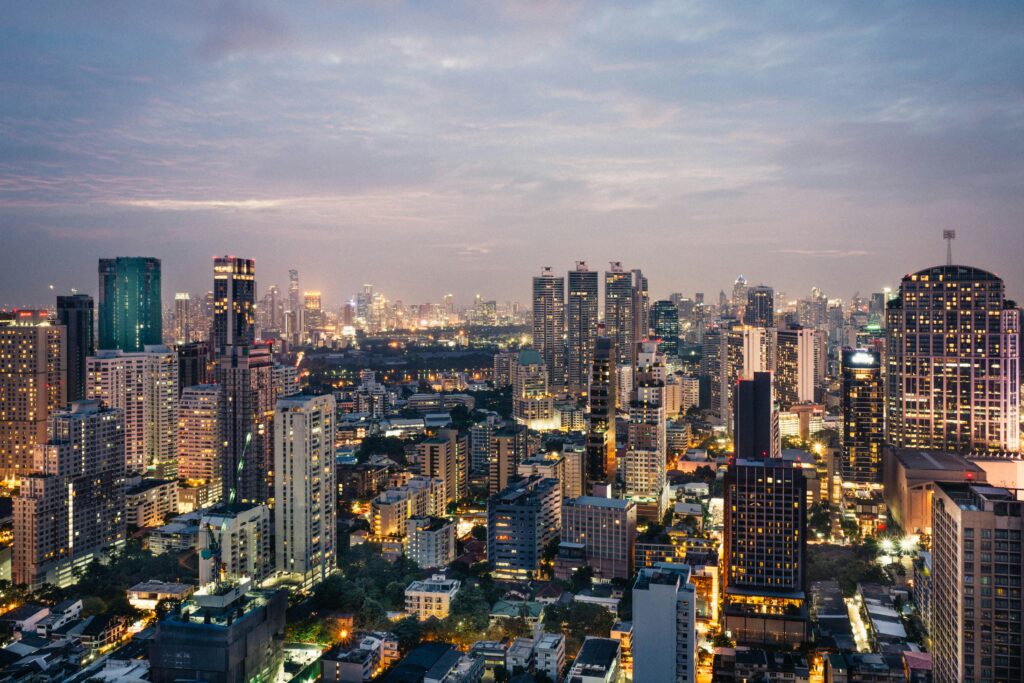
Bangkok’s vibrant city spirit, now complemented by a thriving wellness scene, makes it a truly one-of-a-kind destination. Gone are the days when the city was solely known for its party reputation. Today, it attracts millions of travellers worldwide wanting top-class rejuvenation and self-care. As one of Asia’s most connected cities, Bangkok also offers a convenient wellness escape for those with limited time.
The city is home to fancy retreats like RAKxa Integrative Wellness and legendary hotel spas like Mandarin Oriental and The Siam Hotel, which offer luxurious and serene escapes right in the heart of the city. At the same time, Bangkok keeps its roots strong with traditional healing traditions, like the famous Wat Pho Thai Traditional Massage School and popular wellness chains like Health Land and Let’s Relax Spa.
What makes Bangkok special is how it blends modern health technology with ancient healing practices, all while giving you easy access to cultural sights like temples and, of course, incredible food. It’s a perfect place for travellers who want to enjoy modern comforts, explore rich traditions, and indulge in complete wellness programs – all in one of the world’s most vibrant cities.
What Does a 7-Day Wellness Itinerary in Thailand Look Like?
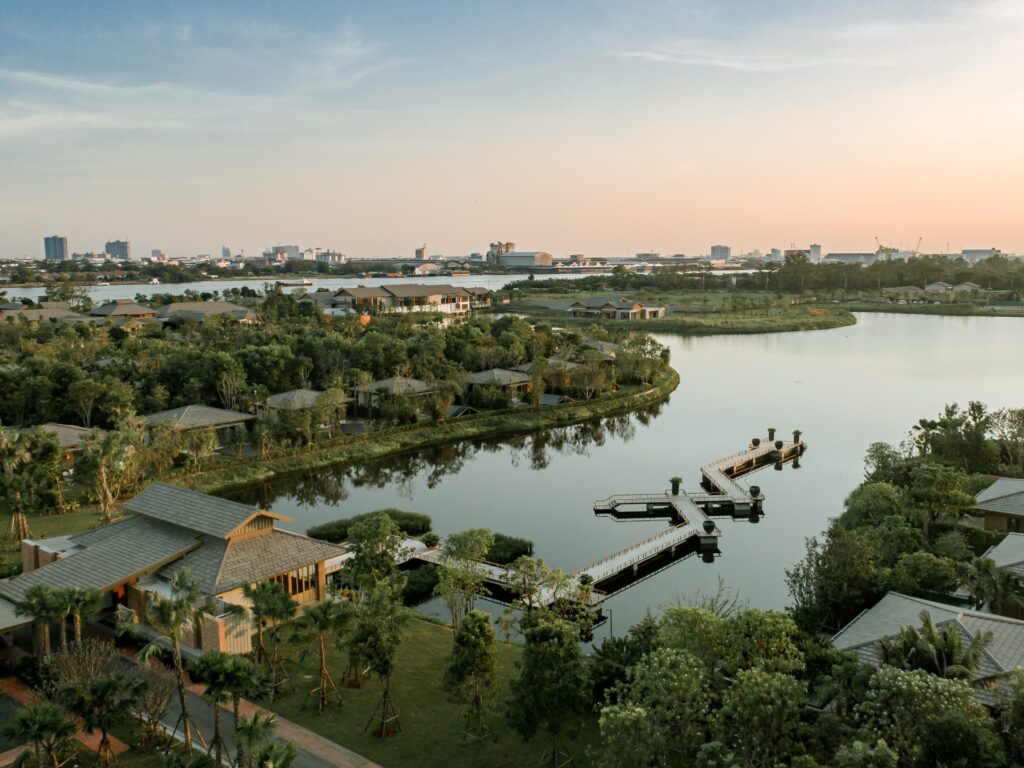
A well-structured day forms the foundation of any transformative wellness journey in Thailand. While each retreat offers its own unique rhythm, most follow a natural flow that balances active engagement with restoration. Understanding this daily architecture helps you mentally prepare for the rejuvenating pattern that will guide your week.
Day-by-Day Flow: The Rhythm of Renewal
Mornings are typically dedicated to energising the body and setting your intentions for the day. The day usually begins at sunrise with gentle, mindful practices such as yoga, meditation, or a guided stretching session. This is often followed by a nutritious, wellness-focused breakfast and may include a morning fitness class like Pilates or a beach walk designed to invigorate the body before the day’s core activities.
Afternoons are usually reserved for personalised treatments and deeper relaxation. Following a light lunch, the focus shifts to scheduled therapies, which could range from traditional Thai massages and detoxifying body wraps to specialised consultations like acupuncture or nutritional coaching. The latter part of the afternoon is generally unstructured, offering time for personal reflection, reading by the pool, enjoying the hydrotherapy facilities, or joining an educational workshop on topics like mindful eating or stress management.
Evenings are all about winding down and finding inner calm. The pace slows with a wholesome dinner, often tailored to specific health goals like detox or anti-inflammatory needs. Post-dinner activities are relaxing, focusing on integration and rest. This may include a silent session for mindfulness, a guided meditation or sound healing session, or simply retiring early to allow your body to fully absorb the benefits of the day’s healing.
Customisation Tips: Tailoring Your Journey
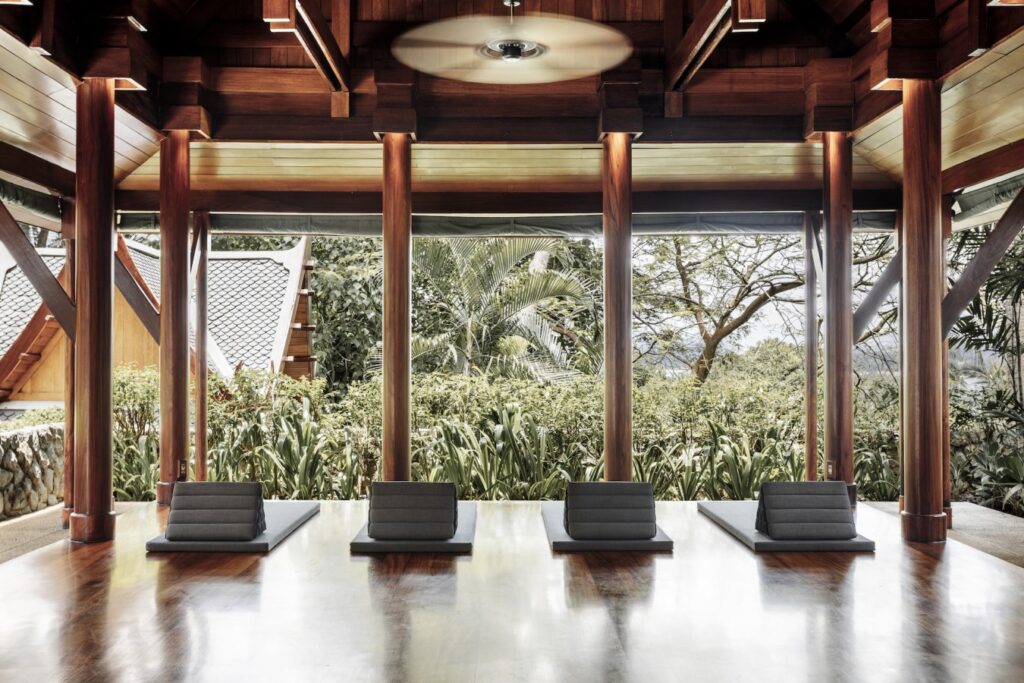
The most rewarding wellness itineraries are those shaped around your own personal needs and travel preferences. Whether journeying solo, as a couple, or even in a group, Thailand’s diverse retreats offer plenty of opportunities for customisation.
Solo travellers to Thailand are in luck, with many retreats designed specifically for individual transformation. This is an ideal opportunity to embrace complete freedom, focusing entirely on personal goals. A digital detox and mindfulness program at a retreat in Chiang Rai provides the perfect environment for introspection. Here, you can spend your free time journaling, request additional one-on-one sessions with wellness mentors, or simply enjoy the liberating experience of a journey dedicated to self-discovery.
For couples, a wellness vacation can be a powerful way to reconnect. Resorts like Kamalaya on Koh Samui specialise in “Romantic Reconnection” packages, offering shared experiences such as side-by-side massages, private yoga sessions, and intimate dining settings. The key for couples is to balance joint activities with individual treatments – perhaps scheduling a traditional Thai massage for one partner while the other enjoys an energy healing session, then reuniting for a sunset meditation. This approach allows each person to address their own wellness goals while still enjoying romantic couple time together.
Groups traveling together, whether friends or family, have the benefit of choosing retreats with diverse programming. Chiva-Som in Hua Hin is particularly well-suited for groups, offering an extensive menu of activities from high-intensity fitness to aesthetic treatments. While each traveller should follow their personalised schedule, booking a private group activity such as a healthy cooking class or guided nature hike can create meaningful shared experiences and memories that strengthen bonds.
Expanding Your Wellness Journey
For travellers with more than seven days, combining different wellness destinations can offer an even more varied and fulfilling experience. Consider beginning with a five-day structured program at an established retreat like Absolute Sanctuary on Koh Samui, focusing on specific goals such as detox or yoga. Then, extend your journey with two nights on the nearby island of Koh Pha Ngan, known for its rustic, bohemian wellness scene and transformative ecstatic dance communities.
On the other hand, you can pair the clinical precision of Chiva-Som in Hua Hin with the cultural immersion of Chiang Mai. After completing a focused wellness program, travellers can hop on a short flight up north for temple visits, mountain hiking, and traditional healing experiences. This combination offers the comfort and quality of a top-rated retreat, along with some of the genuine cultural experiences that make Thailand so deeply spiritual.
Budget and Booking Advice
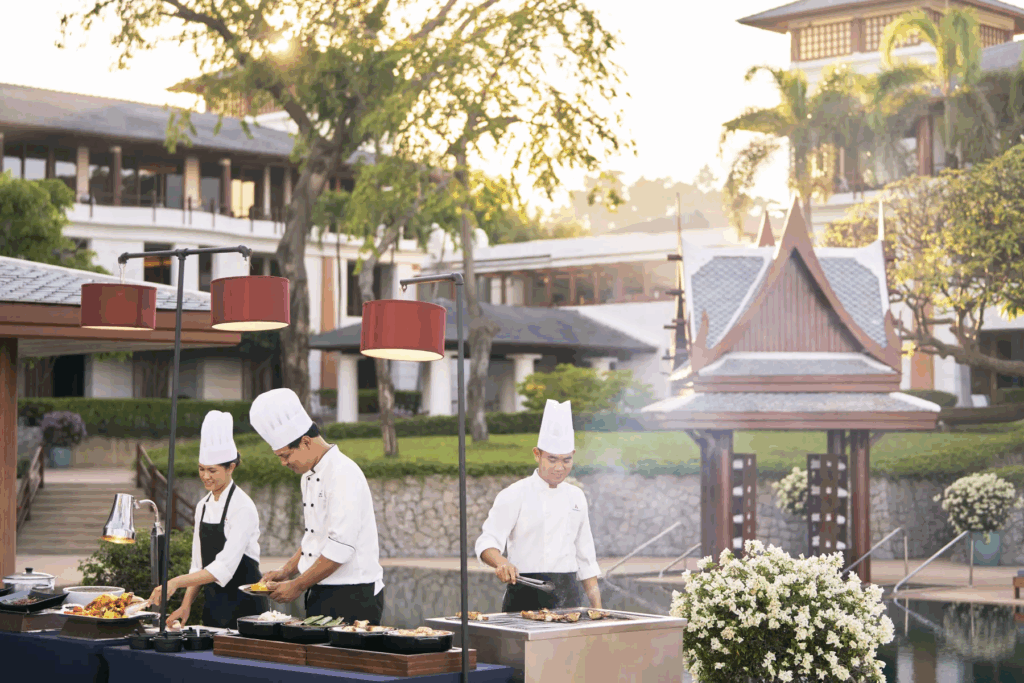
But what does this all cost, you ask? Understanding the pricing models of Thailand’s wellness retreats is crucial for selecting an experience that aligns with both your wellness goals and, of course, your budget.
The country offers a diverse spectrum of options, from ultra-luxurious all-inclusive sanctuaries to more accessible mid-range programs, each with varied package structures and inclusions. Recognising these tiers helps you match your wellness expectations to a financial commitment you can afford.
Luxury Tier: The All-Inclusive Transformation (USD 600 – USD 2,000+ per night)
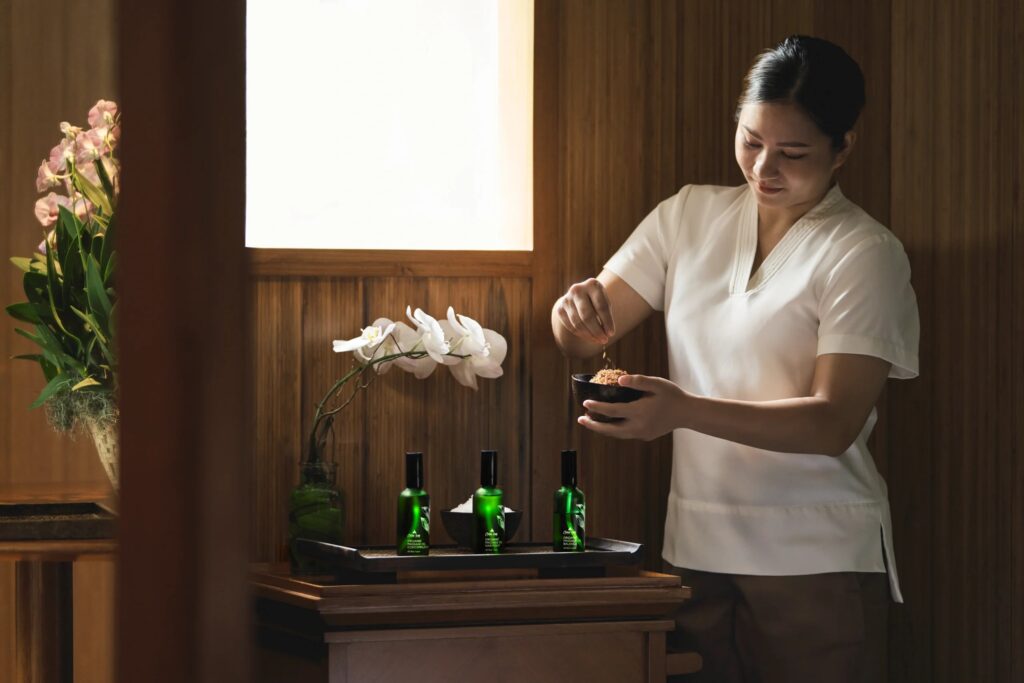
If you’re looking to splurge on your wellbeing, start your search with top-tier properties like Kamalaya in Koh Samui, Chiva-Som in Hua Hin, and Amanpuri in Phuket (one of the best wellness retreats on the island). These aren’t simply fancy hotels with spas—they are immersive wellness ecosystems operating on a mandatory, all-inclusive package model, typically with a 5- to 7-night minimum stay. Pricing is determined by a trifecta of factors: the category of accommodation (from a serene garden room to a sprawling private villa with a pool), the specific wellness program chosen (such as detox, stress and burnout, or optimal fitness), and the duration of your stay.
Your package fee includes virtually every aspect of your stay: luxury accommodation with premium amenities, three daily gourmet wellness meals plus snacks and beverages, comprehensive initial health assessments with medical and wellness professionals, a daily quota of signature treatments, unlimited access to all facilities like hydrotherapy pools and steam rooms, and a full schedule of group classes, yoga sessions, and educational workshops.
However, it’s important to note that even at this level, extras do exist. Premium therapies such as IV nutrient drips, advanced aesthetic treatments, or sessions with visiting specialists, along with personalised supplements and gratuities, can add an additional 20-30 percent to the base package price. For example, a 7-night signature detox program can start from approximately USD 5,000, which is a hefty but comprehensive investment in your holistic health.
Premium Tier: Specialised Focus with Flexible Options (USD 300 – USD 600 per night)
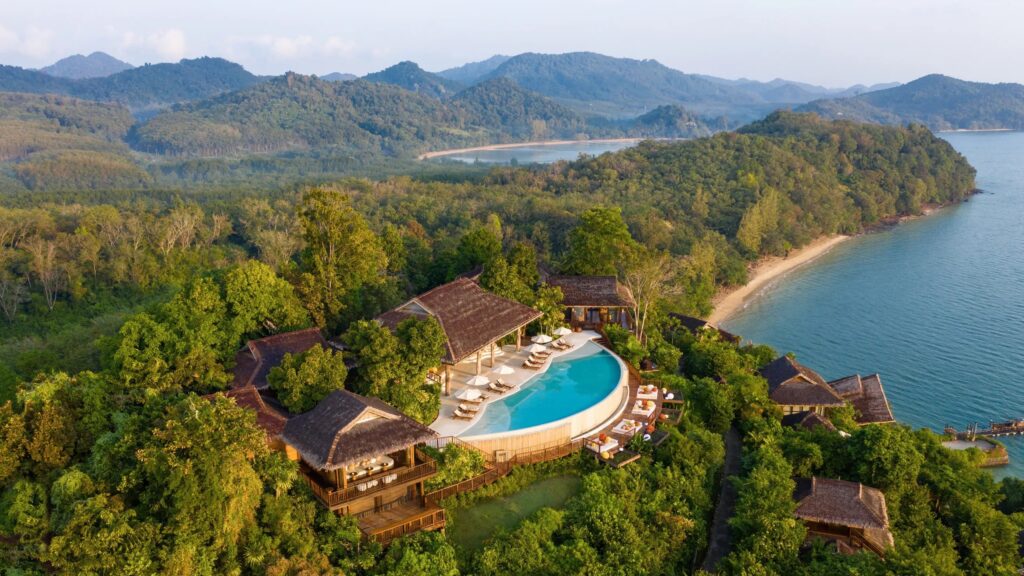
The premium tier, featuring retreats like Absolute Sanctuary in Koh Samui or Six Senses Yao Noi, offers a balance between structured wellness and better booking flexibility. These properties often specialise in specific areas such as yoga, detox, or fitness, and provide guests with a choice. You can opt for an all-inclusive package that mirrors the luxury tier on a smaller scale, or you can book accommodation only and then add on your meals, classes, and treatments as you go along.
Inclusions in a typical premium package are decent but may be slightly more focused or restricted than those in the luxury tier. You can still expect comfortable, well-appointed accommodation (often room-based rather than private villas), two or three daily healthy meals, access to all program-specific activities and group classes, and perhaps one daily treatment or a set number of consultations.
The key advantage here is undoubtedly customisation. For instance, if you’re mainly interested in a yoga experience, you might book yourself a yoga-specific package, while your partner could design a more flexible schedule. Additional costs typically include extra treatments, private sessions, and transfers, allowing you to control your budget more directly. Because the last thing anyone wants at the end of a relaxing wellness retreat is a surprise bill.
Mid-Range Tier: Authentic Experiences and Community Vibes (USD 150 – USD 300 per night)
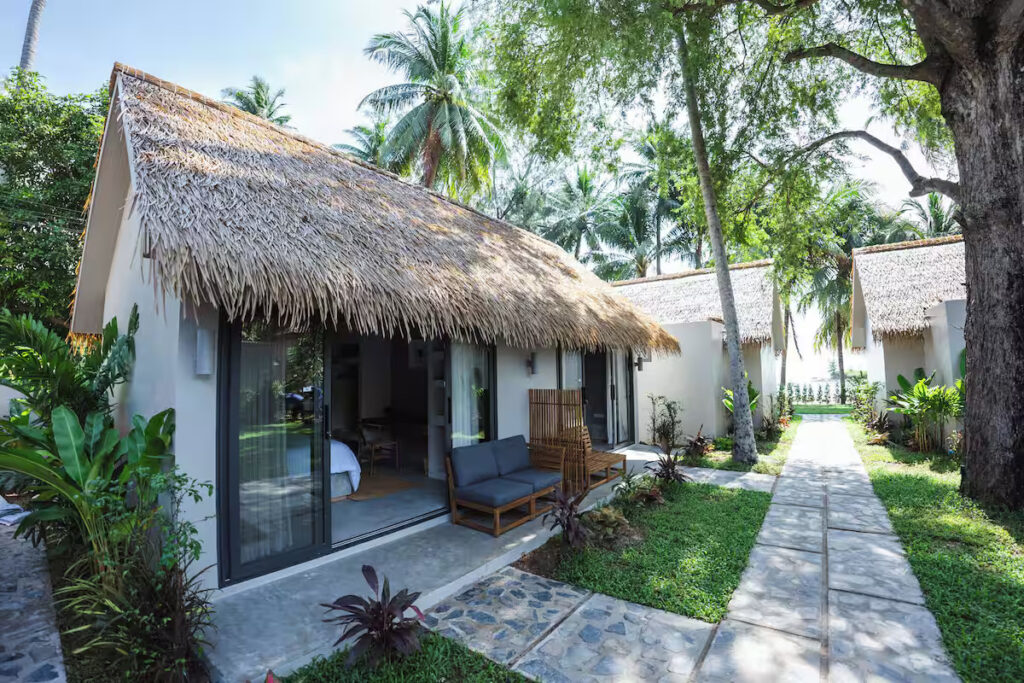
If you’re down for the core benefits of a wellness retreat without the luxury frills, the mid-range tier offers exceptional value. Properties like The Sanctuary on Koh Pha Ngan and Samahita Retreat on Koh Samui focus on authentic, often community-oriented experiences. These pricing structures are typically modular, with a base rate covering accommodation and sometimes basic meals, and all wellness activities offered as optional add-ons.
A stay at this level usually includes clean and comfortable accommodation with a rustic or minimalist charm, and basic vegetarian or vegan-focused meals. The inclusive aspect often includes daily group yoga or meditation classes and access to basic facilities like a simple pool or beachfront. Treatments, specialised workshops, private coaching, and premium food items are all available for an additional cost.
This model is also especially attractive for long-stay guests, ranging from one week to a month, who want to embrace a wellness lifestyle rather than just an experience. It offers the flexibility to participate as much or as little as you want, all within budget, of course.
Strategic Booking for Optimal Value and Availability
Regardless of what tier you decide on, strategic booking is vital. For the luxury and premium tiers during the high season (November to February), aim to secure your reservation 4 to 6 months in advance. This is especially critical if you require a specific room category or want to work with a renowned therapist or practitioner whose schedule fills quickly.
The most significant financial savings are almost always found by booking a package directly through the retreat’s official website. Flexibility with your travel dates can lead to substantial discounts, too. The shoulder seasons, which are April to June and September to October, often feature promotional offers, with reductions of 20-30 percent or extra inclusions like complimentary massages, free nights, or room upgrades.
Even the green season (July–August) can offer a fabulous, more affordable experience, particularly in southern regions like Koh Samui, where rainfall patterns are predictable and the landscape is at its most lush.
Practical Tips for Planning Your Thai Wellness Journey
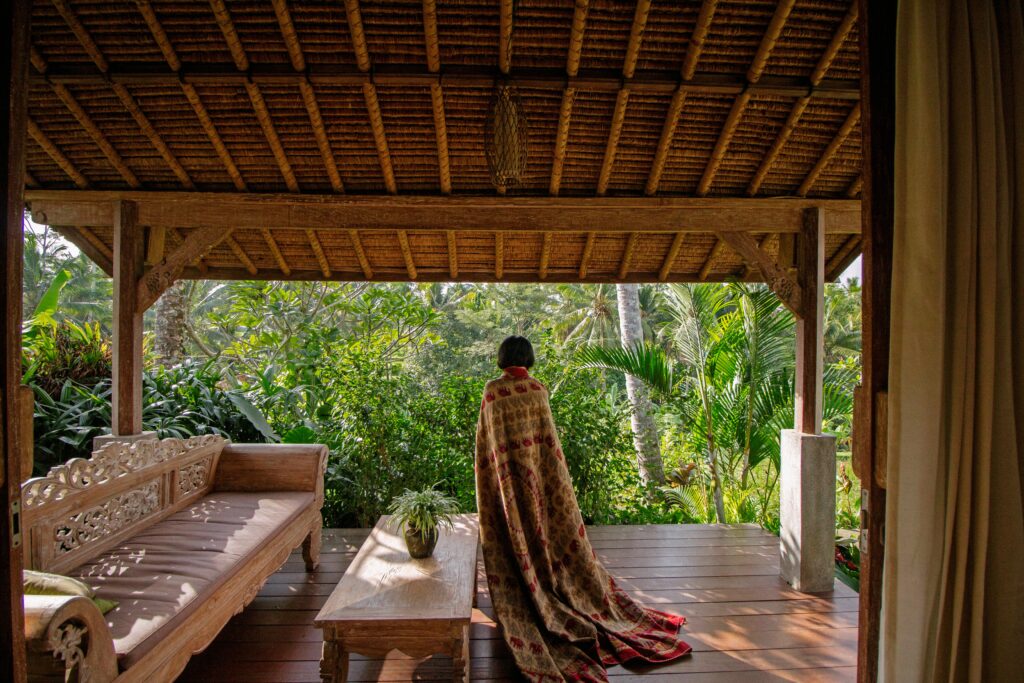
A truly transformative wellness experience in Thailand requires more than just selecting the right retreat – it requires thoughtful preparation that aligns with the country’s seasonal rhythms, understands the investment required from you, and prepares both your mind and body for the journey ahead.
These practical considerations will help ensure your path to wellness begins smoothly, allowing you to fully immerse yourself in the healing experience from the moment you arrive.
Best Time to Visit: Syncing Your Wellness Goals with Thailand’s Seasons
Thailand’s tropical climate offers three distinct seasonal experiences, each creating a unique atmosphere for your wellness journey. Understanding these seasonal personalities will help you match your retreat experience to your personal goals and preferences.
The cool season (November to February) showcases Thailand at its best, with clear blue skies, pleasant temperatures, and low humidity, making it ideal conditions for those participating in active wellness pursuits. This is the perfect time for retreats emphasising fitness, hiking, and outdoor meditation practices. However, this popularity comes with some downsides: advanced planning and peak-season pricing. You’ll need to book at least 4-6 months in advance to secure preferred dates at top retreats.
The hot season (March to June) brings rising temperatures, perfect for those who prefer a slower, more introspective pace. This period is great for detox programs, yoga intensives, and spa-focused retreats where the heat becomes part of the cleansing process. While still popular, the crowds thin slightly, offering more flexibility for last-minute bookings.
The green season (July to October) transforms the landscape into a lush paradise, with brief afternoon showers turning into sunshine. This season offers exceptional value with lower rates and fewer visitors, creating a deeply peaceful atmosphere. The rhythmic rain provides the perfect backdrop for meditation retreats, stress relief programs, and creative pursuits. In fact, many retreats offer special monsoon-season packages that make luxury wellness options more accessible and affordable.
Packing and Preparation: Setting the Stage for Transformation
Thoughtful preparation goes far beyond what you pack; it also involves how you prepare mentally for the journey ahead. Your suitcase should contain practical essentials that support your wellness activities: lightweight, breathable clothing for movement practices, supportive footwear for hiking or fitness sessions, and a warm layer for air-conditioned spaces. While daytime attire is generally casual, some resorts, such as Chiva-Som, implement a “wellness attire” dress code in common areas after a certain time—for example, no shorts allowed during dinner.
Of course, sun protection is crucial in Thailand, so pack your highest SPF sunscreen, a wide-brimmed hat, and some quality sunglasses. Be sure to have natural insect repellent on hand, especially if your retreat is nestled in nature, and consider bringing a reusable water bottle and journal to document your journey.
Mental preparation also begins before you depart. Instead of creating a rigid agenda, set gentle intentions for your retreat—whether it’s to rest deeply, gain clarity, or simply learn to listen to your body’s needs. Inform the outside world that you’ll be limiting your device usage, and consider a digital detox in the days leading up to your trip.
If possible, arrive in Thailand a day before your retreat begins, spending a night in Bangkok or your arrival city to acclimate and shed any potential jet lag. This thoughtful approach will help ensure you arrive at your retreat centred and ready to embrace the transformation that awaits, rather than spending your first days recovering from travel fatigue.