

Wellness travel trends are redefining the way we move through the world — and they’ve gone well beyond serene hotel spas or state-of-the-art gyms.
From biohacking bootcamps to sleep retreats and journeys built on human connection, wellness travel is evolving at full tilt — and it’s never been more dynamic, purposeful, or results-driven. Post-pandemic, travelers are seeking experiences that are holistic, restorative, and anchored in meaning.
The numbers back it up. According to Statista, the global wellness tourism market is on track to hit an eye-watering US$1.35 trillion by 2028 — double its 2022 valuation of US$637 billion. Wellness has expanded into an all-encompassing industry that blends ancient wisdom with cutting-edge tech, rituals with research, and solitude with community. Hotels are taking note, with many now weaving wellness programs or immersive experiences directly into a guest’s stay.
Whether you’re simply curious or a fully-fledged wellness devotee, these are the trends shaping tomorrow’s transformative escapes.
Wellness Through Social Connection
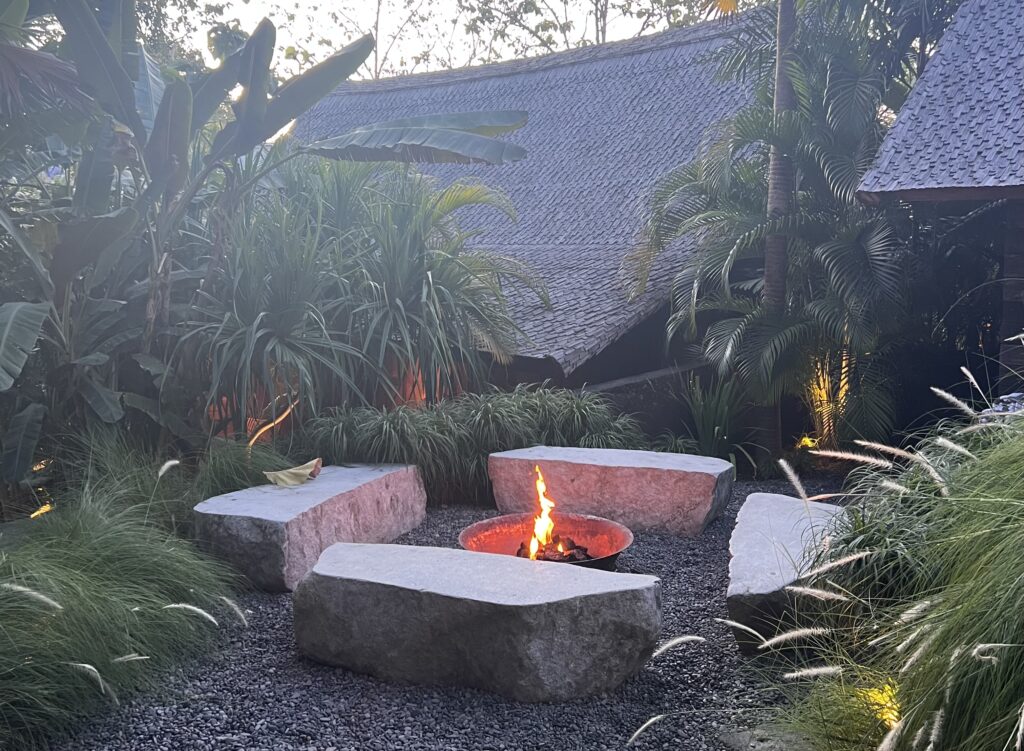
The Asa Maia in Bali is a community-driven boutique hotel in the surfing paradise of Uluwatu.
We’re all too familiar with the term “social distancing” from the dark days of the COVID-19 pandemic. Now imagine the opposite: social connection. It’s a way to reconnect — with your roots, with those around you, and with yourself — in a way that feels meaningful and deep. This trend recognizes that longevity and well-being are closely linked to community interactions, as humans naturally seek people to confide in and share life’s ups and downs.
The need for connection has never been more urgent. The World Health Organization’s Commission on Social Connection revealed that one in six people worldwide suffers from loneliness, with serious implications for physical and mental health. Around the world, experts are championing a variety of ways to nurture this connection. Community-led retreats such as Arō Ha in New Zealand and Canyon Ranch in Arizona offer group hikes and communal dining experiences, while Chiva-Som in Hua Hin brings guests together through shared classes and wellness activities. Small boutique hotels with a focus on community are also on the rise — take The Asa Maia in Bali, where a communal dining table and hot-and-cold plunge provide natural opportunities to meet fellow wellness enthusiasts.
Guests can choose to book immersive group packages, enjoying the journey together from start to finish, or mix and match experiences along the way. In contrast to the solo travel trend that has dominated recent years, these group retreats offer an effortless way to meet new people and bond over shared adventures. Closer to home, you can also join groups (Facebook has plenty) or sports clubs to meet fellow hobbyists. Keep an open mind and heart: you may not click with absolutely everyone, but there’s almost always enough common ground to spark meaningful conversations — and perhaps, lifelong friendships.
Women’s Health and Wellness
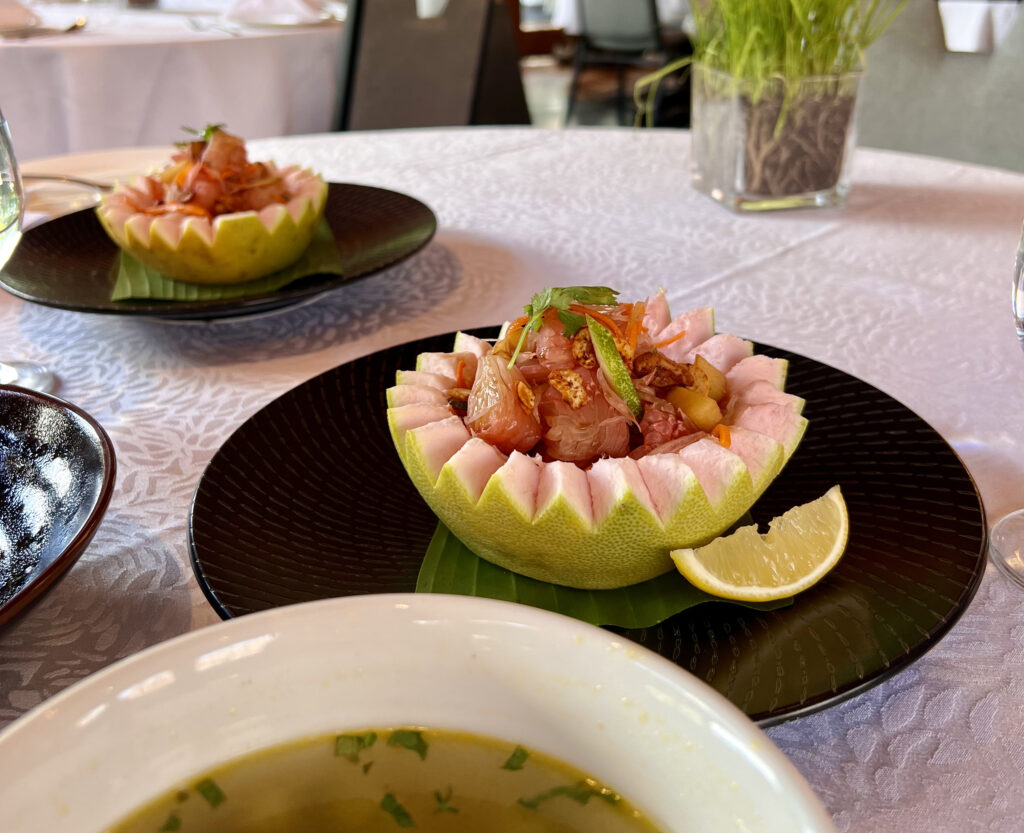
The Farm at San Benito serves nourishing meals that benefit the mind and body.
Women’s health is — finally — no longer a taboo subject. Personalized approaches to hormonal health, particularly around menopause, are gaining traction, while mental well-being, gut health, and healthy aging are becoming pillars of modern wellness. Around the world, retreats and health clinics are responding with programs designed to meet women where they are, at every stage of life.
In Bangkok, RAKxa Integrative Wellness offers an exclusive women’s health program that addresses hormonal balance, emotional resilience, and vitality. At Six Senses Vana in India, ancient Ayurvedic practices guide women through the challenges of menopause, relieving symptoms like hot flushes and mood changes. The Philippines’ The Farm at San Benito takes a holistic approach, blending therapies such as acupuncture and nature walks with comprehensive health diagnostics. Meanwhile, in Italy, Preidlhof invites women to immerse themselves in a week-long medical wellness journey designed to support transitions with grace and strength.
And while menopause-specific retreats are tailored to women in that chapter of life, wellness escapes for women span far beyond — offering space to nurture, replenish, and prepare the body for whatever lies ahead. At every age, these sanctuaries provide something vital: the chance to reconnect with oneself and understand one’s body better. You may have a goal or a challenge you want to address, so don’t hesitate to bring it up.
Men’s Health and Wellness
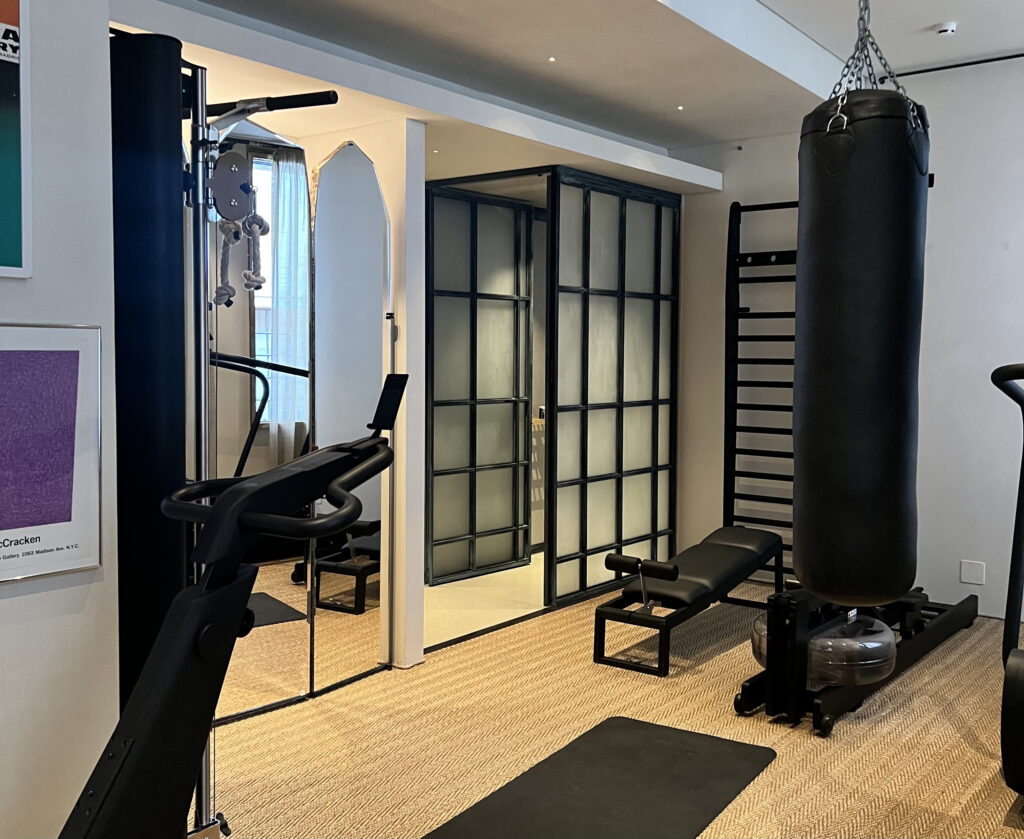
It’s not only about hitting the gym anymore.
Just like women’s health, men’s health is emerging as a major wellness trend. Still considered somewhat taboo — perhaps even more so than women’s health — men’s wellness is undergoing a quiet but profound shift. No longer confined to building muscle or logging hours at the gym, it increasingly speaks to deeper challenges such as loneliness, stress, and career stagnation. Today, an estimated 95% of men report prioritizing mental health, and the global men’s self-care market — already valued at US$90 billion — shows no signs of slowing.
Men are beginning to speak more openly about their emotions — and while there is still ground to cover, it marks an important first step toward a more balanced and holistic approach to male wellbeing. Wellness retreats like Absolute Sanctuary in Thailand, SHA Wellness in Spain, and Reschio in Italy are gaining recognition for catering specifically to men’s needs. Community-led initiatives, such as men’s wellness circle talks (for example, at Soho House in Hong Kong), are creating safe spaces to discuss both mental and physical health openly.
The trend also extends to men’s skincare, reduced alcohol consumption, and a growing interest in meditation and yoga. Post-COVID lifestyle shifts and the destigmatizing influence of social media have helped accelerate this change. The most important principle for anyone engaging in men’s wellness: enter with an open mind and without judgment.
Wellness Technology
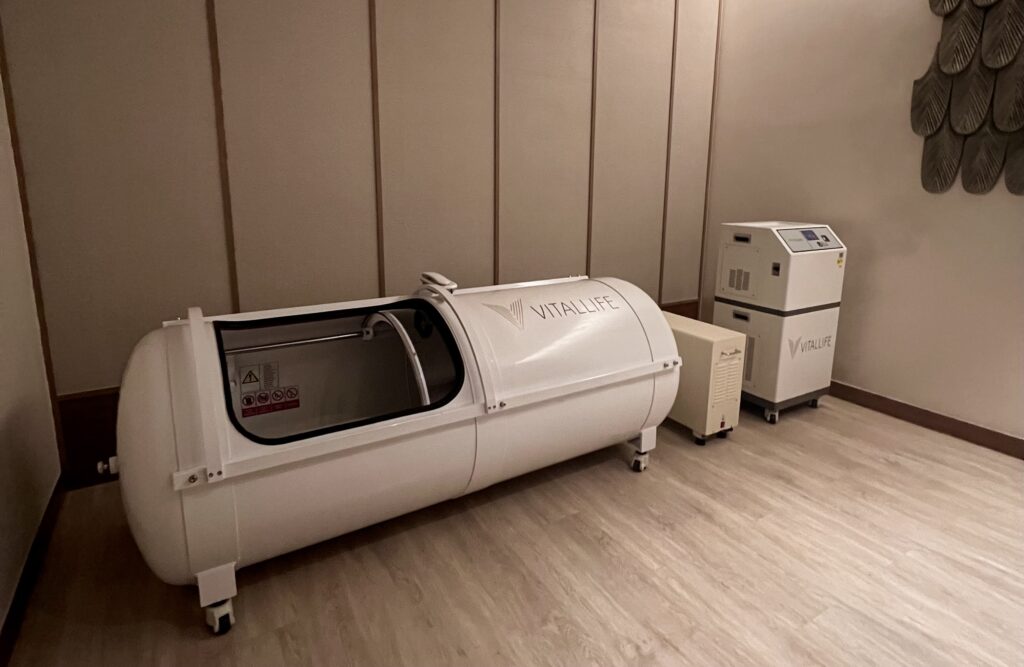
RAKxa Integrative Wellness in Bangkok is equipped with plenty of wellness technology, including its hyperbaric oxygen therapy chambers.
As technology continues to boom, its intersection with wellness is growing even faster. By now, many of us are familiar with fitness devices like the Apple Watch and have tried dozens of wellness apps — but the pace of innovation shows no signs of slowing.
Wearable wellness tech is expanding rapidly, from sleep-tracking devices and meditation tools like Muse to recovery-focused smart beds and portable infrared sauna blankets. With AI advancing at a breakneck pace, companies like Technogym are investing heavily in personalized wellness experiences. Today, there are smart rings that can monitor stress levels and mirrors that track heart rate and blood pressure, turning everyday routines into data-driven health insights.
While digital detox retreats still provide a way to unplug, our homes are increasingly becoming wellness hubs, equipped with technology designed to support our physical and mental health.
High-tech wellness retreats are leading the way in experiential innovation. Sensei Lānaʻi in Hawaii offers personalized wellness programs that include biometric tracking, stress assessments, sleep analysis, and guided breathing techniques. Chenot Palace Weggis in Switzerland provides state-of-the-art diagnostics — including blood tests and body scans — to design tailored detox programs. Layan Life in Thailand blends traditional Thai medicine with advanced medical treatments, offering over 50 wellness modalities, including cryotherapy, hyperbaric oxygen therapy, IV vitamin infusions, and hydrotherapy. Meanwhile, Equinox Hotel New York merges luxury with technology, featuring innovative spa treatments such as intravenous drips and polynucleotide skin therapies derived from salmon DNA.
Some of this technology can feel intimidating, but it’s undeniably an exciting space to watch as wellness and innovation continue to converge. Everyone can give it a go, but of course, consult with your doctor if you have any concerns.
Sleep Optimization
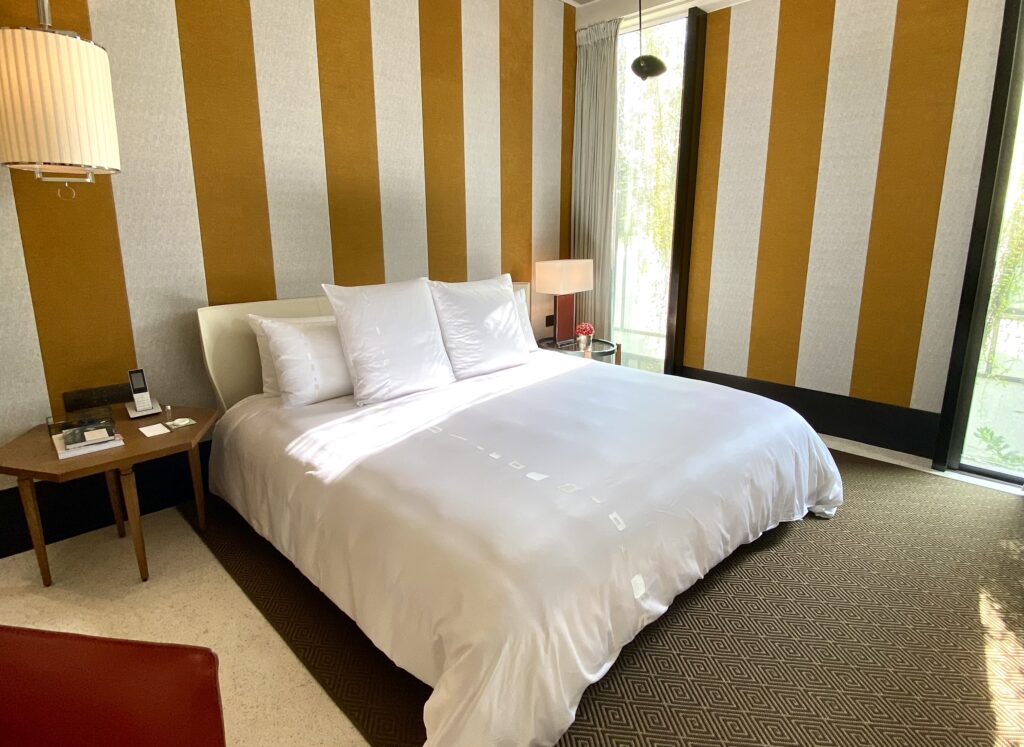
The Asaya Lodges at Rosewood Hong Kong ensure that you’ll get optimum shut-eye.
Sleep is essential, yet it’s often overlooked. With our bodies and eyes constantly connected to screens and digital devices, many of us struggle to get the restorative rest we crave and need. This has sparked a wave of innovations and practices aimed at improving sleep, and hotels are taking note. From in-room pillow and mattress menus to sleep teas and dedicated programs at properties like Six Senses, prioritizing quality rest has never been more accessible — or more stylish. The Asaya Lodges at Rosewood Hong Kong are designed to help you relax, from their in-room treatment rooms — where you can enjoy remedies like bespoke massages and facials — to the dedicated wellness bar. Trends like “sleepmaxxing” have emerged, with people using supplements, gadgets and specific routines to ensure they get the best sleep possible.
This trend also extends beyond the bedroom. Sleep tourism is on the rise, AI-driven solutions are helping track and improve rest, and awareness of sleep anxiety — exacerbated by digital overload — is growing. Wellness isn’t just about what you do while awake; it’s about making your sleep work for you, too.
Budget-Friendly Wellness Travel
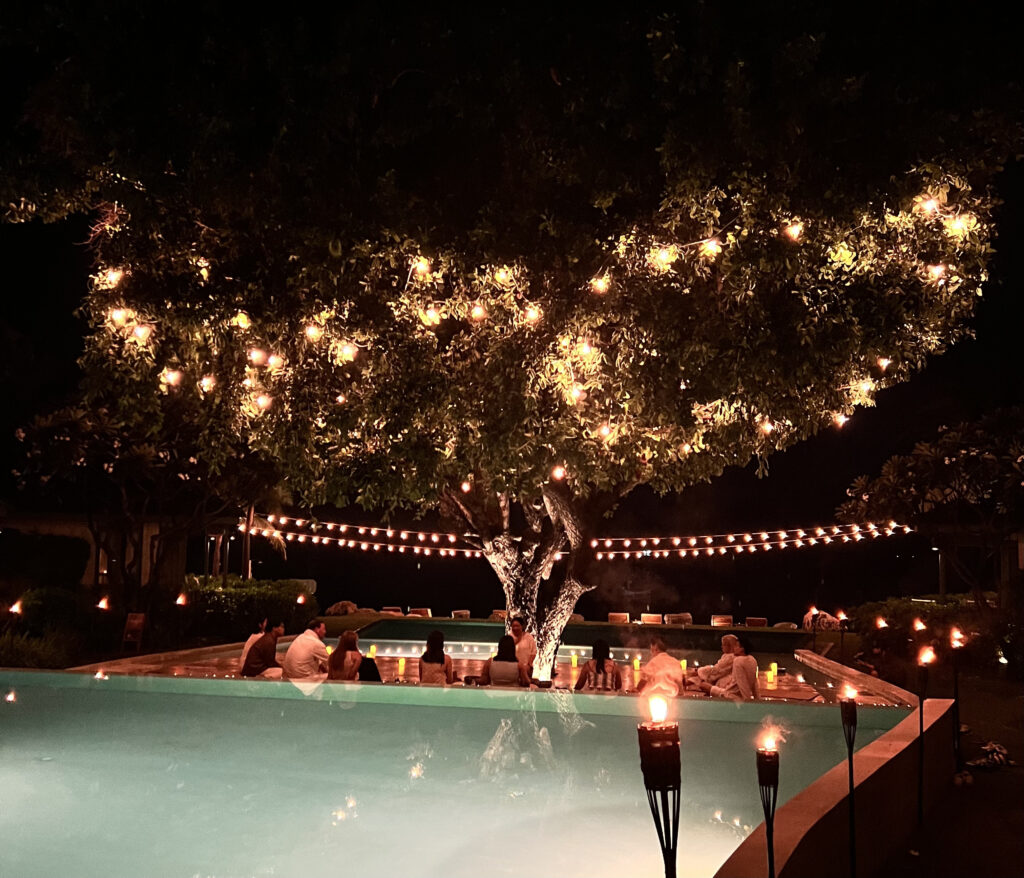
In the sleepy beach town of Hua Hin, boutique hotel Devasom runs wellness-oriented activities like its recent Lunar Circle festivities.
As luxury wellness tourism continues its meteoric rise, a quieter, more democratic shift is taking place alongside it: the rise of budget-friendly wellness travel. What was once considered the domain of luxury resorts and exclusive retreats is now finding a wider audience, as wellness becomes woven into the fabric of hospitality at nearly every level.
The drivers are clear. In the wake of COVID-19, travelers are seeking trips with purpose and deeper meaning. Younger generations, in particular, are leaning into sober travel, mindful living, and experiences that nourish body and soul without draining their savings. Until recently, wellness retreats were synonymous with five-star exclusivity. Now, that perception is being upended.
Across every tier of hospitality, wellness is no longer an afterthought but a core part of the offering — from sunrise yoga and guided meditation to plant-forward dining. Destinations such as Indonesia, Thailand, Costa Rica, and India are setting the pace, delivering immersive programs that remain both transformative and accessible.
Asia, with its long-standing spa traditions, has always been a step ahead: treatments in Thailand or Bali often cost a fraction of what you’d pay in Europe or the US, without sacrificing authenticity. During a recent stay at Devasom Hua Hin in Thailand, I saw this democratization of wellness firsthand. To mark their Luna Circle 15th anniversary, the resort hosted a series of experiences — sunset yoga, singing bowls under the stars, and mindful Japanese tea ceremonies — all at an affordable price.
Trend forecasters suggest this shift is only beginning. As the wellness economy expands, we can expect to see more community-based retreats, hybrid digital-physical offerings, and affordable, culturally rooted practices entering the mainstream. Whether you’re journeying solo, with a partner, or as a family, the message is clear: the benefits of wellness are no longer reserved for the few, but increasingly available to all.
TCM Treatments
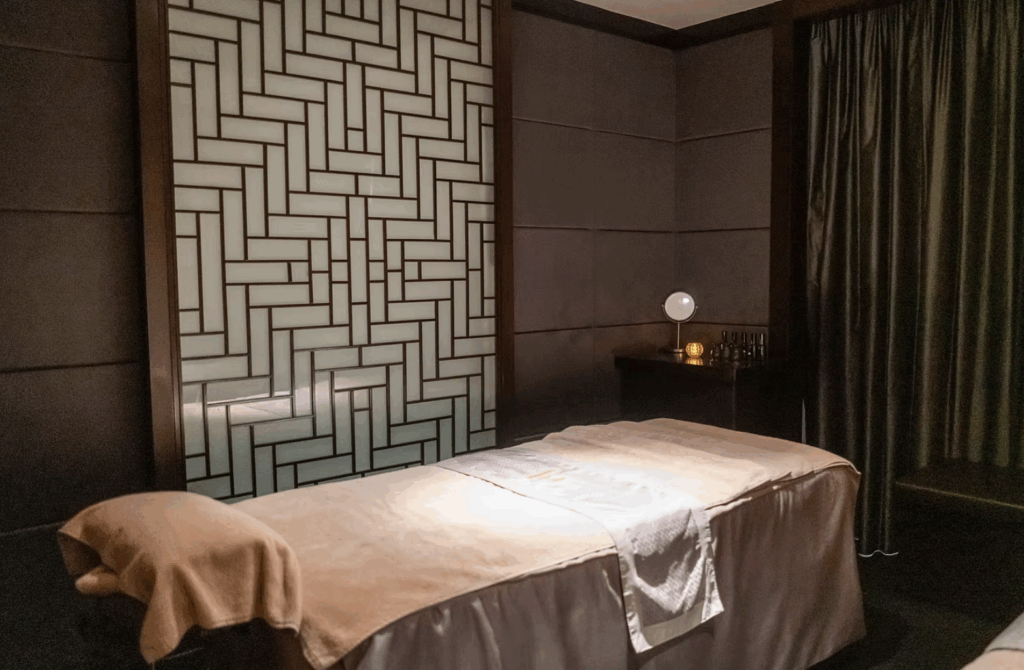
Cordis, Hong Kong’s Chuan Spa, focuses on TCM treatments and remedies.
Traditional Chinese Medicine (TCM) has been practiced for thousands of years, rooted in the belief that health depends on the balanced flow of vital life energy — Qi — through the body. Its practices include acupuncture, tai chi, cupping, and herbal therapy. To call it a “trend” would be misleading; TCM has always been there. What’s new is its rising presence in Western markets and its integration into global wellness programs and luxury hotels.
Celebrity endorsement has played a part in popularizing TCM in the West: Gwyneth Paltrow has long been a fan, while stars like Ariana Grande and Tom Brady are said to have tried its treatments too. In China, younger generations are embracing TCM in their own way, swapping out cocktails and nightlife for herbal tonics as modern status symbols. Hotels, too, are responding. Cordis Hong Kong has built an entire spa concept around TCM, while the Mandarin Spa at Mandarin Oriental Hong Kong offers acupuncture and cupping with resident practitioners.
The West is gradually catching on to TCM’s preventative philosophy — focusing on prevention as an approach to illness. While it remains classified as “alternative medicine” and is not a cure for serious disease, many turn to TCM as a natural way to better understand and care for their bodies. Studies and anecdotal evidence suggest that regular use — through tai chi, herbal medicines, and dietary practices — can contribute to longevity and quality of life.
Several world-class retreats have already incorporated TCM into their offerings. The award-winning Amanpuri in Thailand integrates acupuncture, herbal therapies, and movement-based practices into comprehensive wellness programs. Bangkok’s RAKxa Integrative Wellness goes even further, combining TCM with cutting-edge diagnostics and treatments such as IV liver detox, cupping, and full-body light therapy.
For travelers curious to explore TCM in an immersive way, Asia — and especially China — remains the most authentic setting. Whether experienced solo or with a companion, retreats blending TCM offer not just therapies, but also the chance to reconnect with the body in a holistic environment that bridges tradition and modern wellness innovation.
Multigenerational Wellness
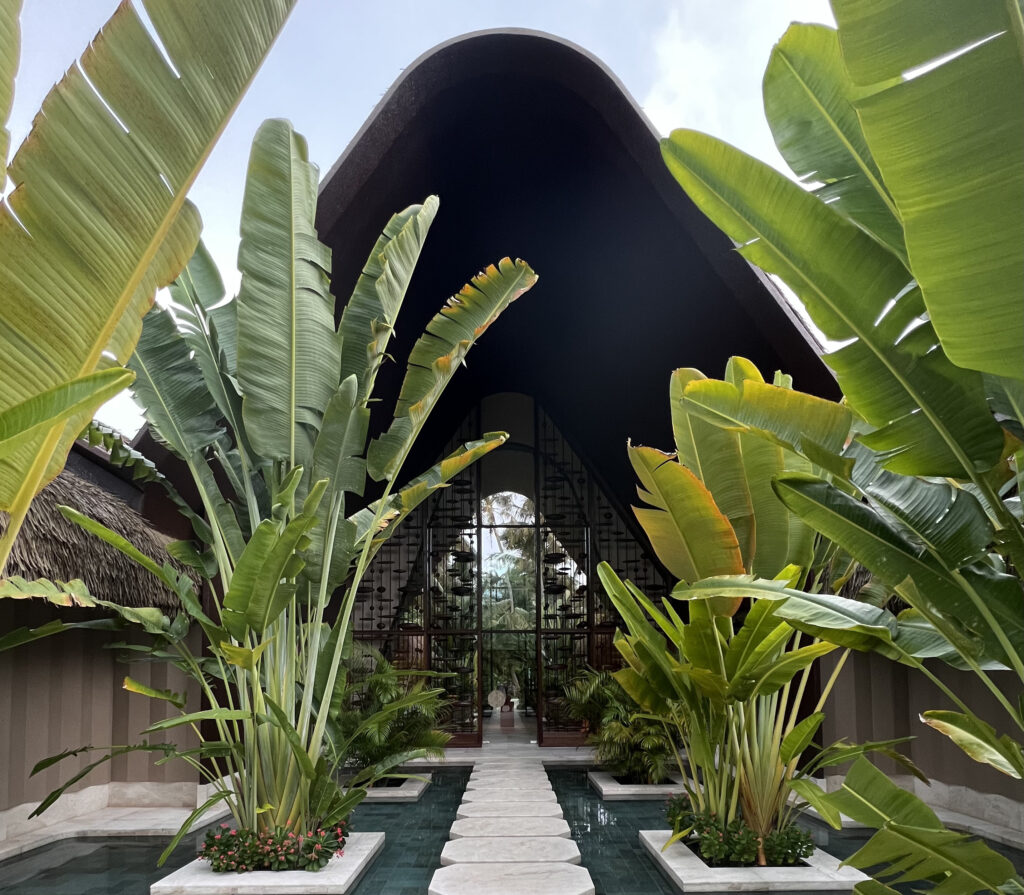
JOALI Being caters to every age, offering an immersive, multigenerational wellness experience in the Maldives.
Traveling in large family groups is becoming increasingly popular. And as wellness weaves itself ever deeper into the fabric of global travel, it’s only natural that families are seeking transformative experiences that cater to every generation, from young children to aging grandparents.
Unlike traditional family holidays, wellness-focused trips recognize that wellbeing is never one-size-fits-all, particularly when age, interests, and physical needs vary so widely. The industry is adapting in kind, designing itineraries that are flexible, inclusive, and enriching for every stage of life.
I’ve experienced the magic of this firsthand. Last summer, I traveled with my parents to JOALI Being in the Maldives, where we embarked on a multigenerational wellness journey. Each of us had our own personalized itinerary — spa rituals, hammam sessions, and art therapy for my mother; herbal remedies and cryotherapy (bravely tried by my 70-something father); and Watsu therapy for me. What could have been a simple beach holiday became something much more profound: a shared family memory grounded in discovery, openness, and well-being.
Other destinations are also embracing this shift. Zulal Wellness Resort by Chiva-Som in Qatar offers programs tailored to every age group, from children’s mindfulness workshops to senior-friendly therapies. Canyon Ranch Lenox in the United States designs itineraries that might include hiking, cooking classes, and yoga — accessible, enjoyable, and enriching for all generations. Near Bangkok, I experienced a personalized mother-daughter program at RXV Wellness Village, which encouraged connection through shared treatments and reflective practices.
This is perhaps one of the most rewarding of all wellness trends: introducing loved ones to experiences they might never have encountered on their own. It’s also a gift for younger travelers. Children who are exposed early to practices like yoga, meditation, and mindful eating can carry those habits into adulthood — embedding wellness into their lives not as a luxury, but as a foundation.