
While New Zealand might be best known for its dramatic South Island landscapes, many of which have played cameos in blockbuster films like The Lord of the Rings and The Hobbit, and for its intimate and oh-so-luxurious lodges, its largest city isn’t a destination you’ll want to miss.
Auckland, also known as the ‘City of Sails’ (it’s home to the most privately owned yachts per capita in the world), comes to life during the summer months, when visitors and locals alike flock to the harbour beaches, tranquil island communities and the city’s many green belts.
While Auckland is the perfect gateway to the rest of the country (it’s also home to the country’s largest international airport), it has plenty to offer in its own right, from boutique wineries, towering volcanic peaks, a dramatic coastline, and rich Māori culture, to vibrant waterfront precincts, a captivating dining scene and a harbour that’s welcomed major regattas, including numerous America’s Cup races.
As an Auckland-born lad, I’ve rounded out where you need to go, not only to rub shoulders with fellow travellers but also with locals, in this three-day itinerary, which is perfect for both city seekers and travellers transiting New Zealand’s leading harbour haven.
Day 1 – Culture and Coastal Bliss
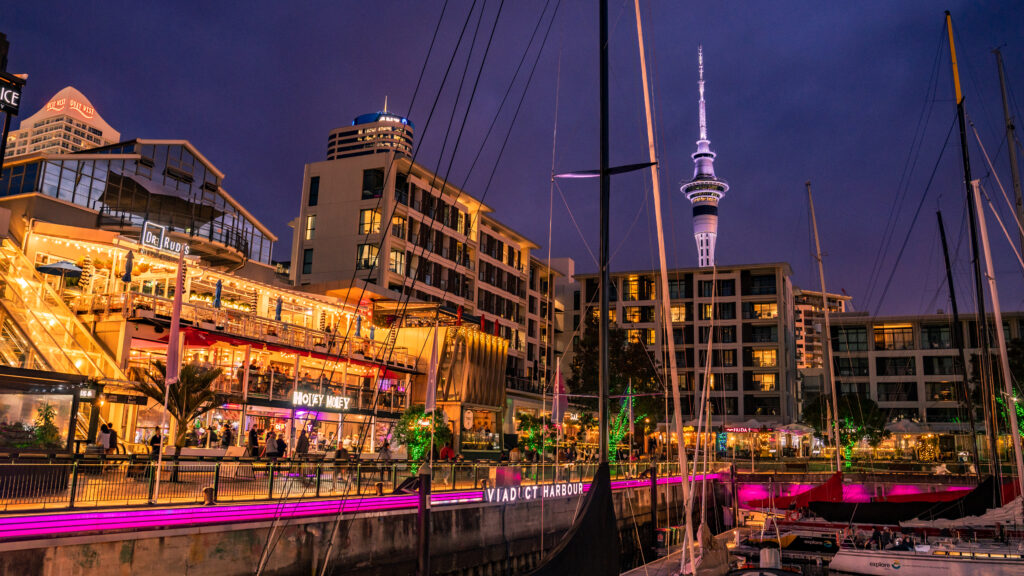
Start your day off in the city centre, where most of the action is centred on the Britomart, a former sprawling bus depot that’s now home to chic hotels, cocktail bars and restaurants housed in heritage-listed buildings, and at the bustling ferry wharf precinct, which connects the CBD to the North Shore and the islands of the Hauraki Gulf.
Firstly, where to base yourself. Most of the city’s best hotels can be found near the harbour in the CBD. There’s the design-savvy SO/ Auckland, in Britomart, the iconic Hilton Auckland, housed at the top of a historic pier with spectacular views to Rangitoto, the towering volcano at the centre of the Hauraki Gulf, and Sofitel Auckland Viaduct Harbour, which is at the heart of the Viaduct Basin, the city’s entertainment precinct. All offer easy access to public transport, great shopping areas and the city’s stunning coastline.
Morning – Art, History, and Harbour Views
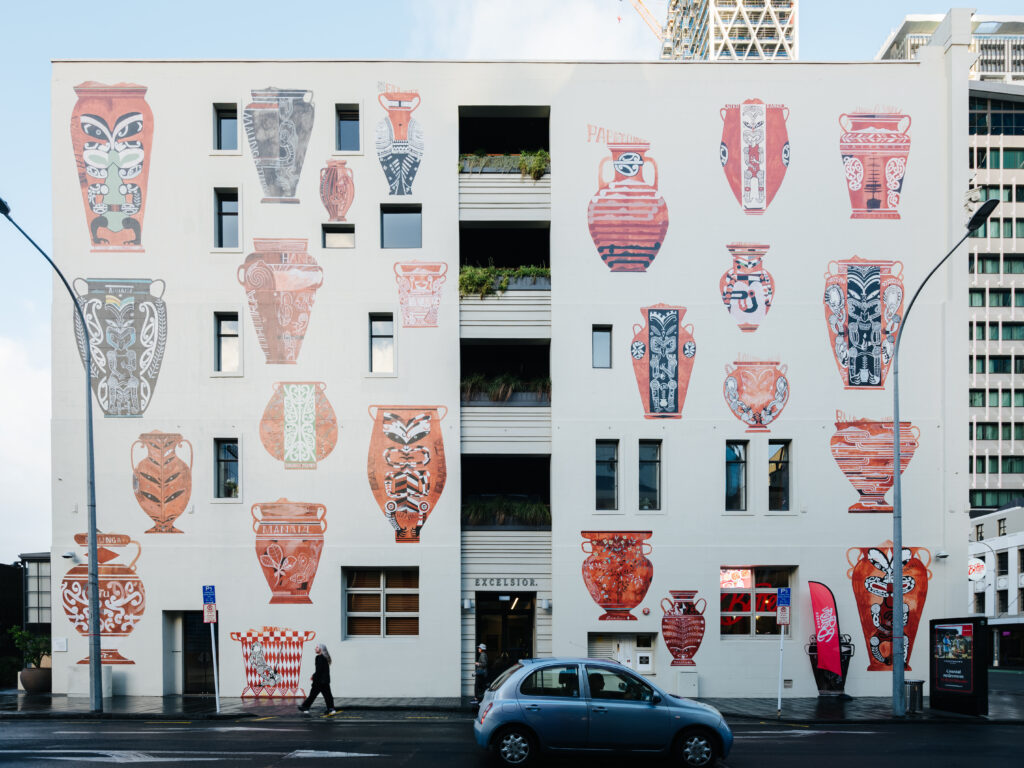
After breakfast and a heady coffee (or two), I’d suggest you make your way up through Albert Park for your first cultural foray, a visit to the Auckland Art Gallery, the country’s largest art collection, which recently benefited from a new gallery building designed by Sydney-based architects Francis-Jones Morehen Thorp. Be sure to look out for the many pieces donated by American businessman, the late Julian Robertson, former owner of some of the country’s leading luxury lodges.
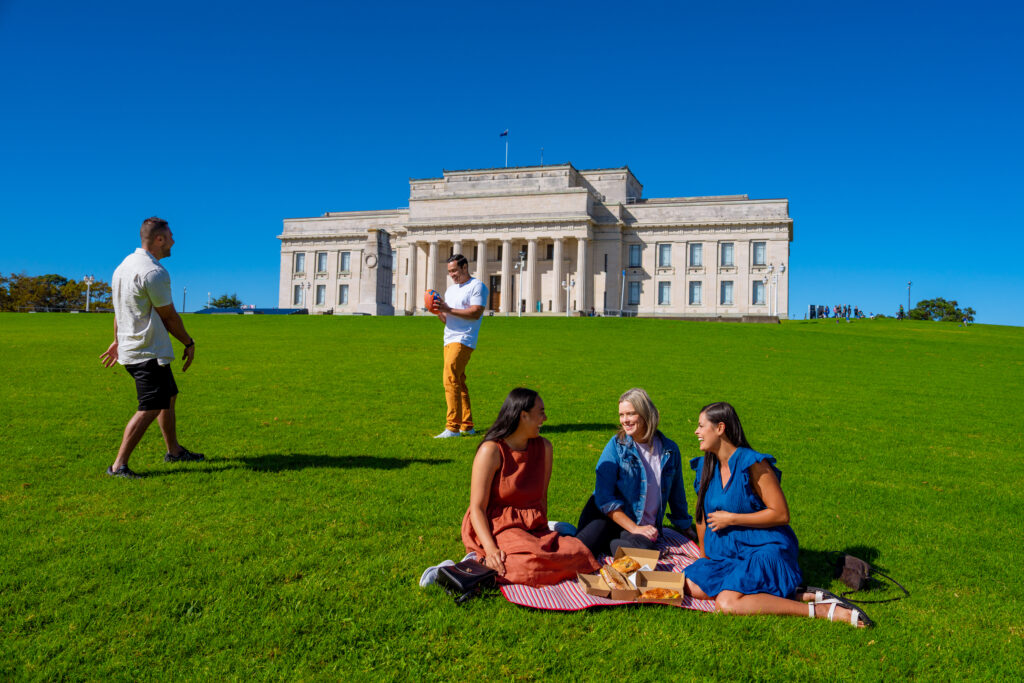
Pop across the Grafton Bridge and you’ll enter The Domain, a sprawling park at the centre of which is the stunning Auckland War Memorial Museum, an impressive neoclassical building built in the 1920s atop Observation Hill, one of the city’s 53 dormant volcanoes. Drink in the views across the Waitemata Harbour to the Auckland Harbour Bridge, chic little Devonport (more on that later), and Rangitoto Island.
At the museum, be sure to buy a ticket to the regular Māori cultural performances, learn about the arrival of New Zealand’s first visitors from the Pacific Islands, and experience what it would be like if Rangitoto erupted in a thrilling simulation – my personal favourite. Then grab a bite at chic little Wintergarden Café before touring the gardens’ fascinating glasshouses.
Afternoon – Heritage Markets and Boutique Finds
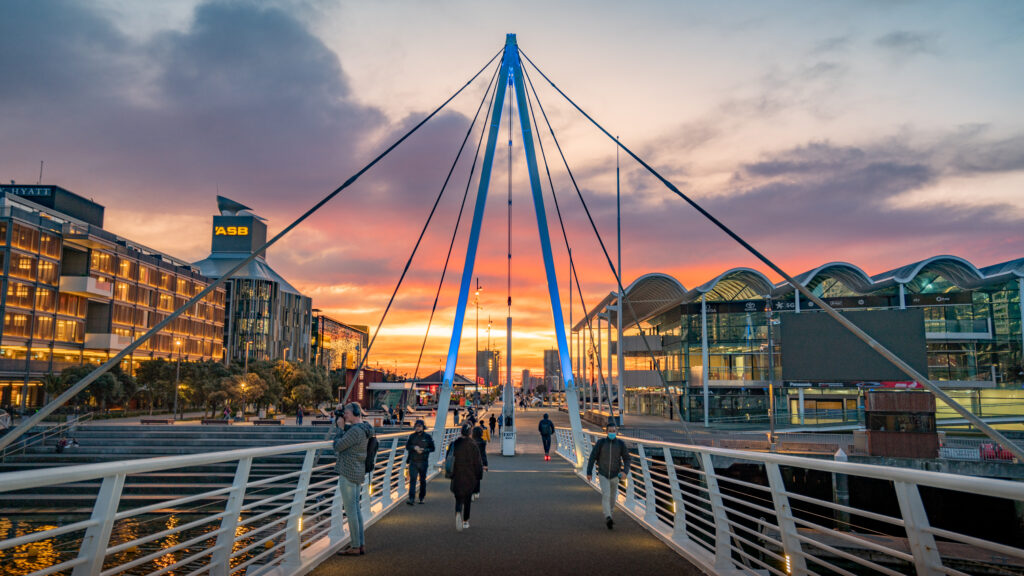
It’s an easy walk back across the Grafton Bridge and down Queen Street, the CBD’s main drag, for a spot of window shopping – be sure to slip into Commercial Bay, the city’s newest high-end shopping destination.
In the CBD, you can grab the free Explorer bus from the central ferry piers to Victoria Park Market, a historic site that’s been given a new lease on life as a vibrant arts, culture and culinary destination.
Clustered around its iconic 38-metre brick chimney, this former incinerator once housed blacksmith workshops, stables and carpenters but fell into disrepair. A public campaign saved it from demolition, and the Auckland City Council spent US$18 million renovating the space.
It’s now home to Pilates studios, cafes, clothing boutiques, and even a Celebrity Walk of Fame. Time your visit for a weekend and you’ll be able to enjoy the street food and fashion markets on Saturdays and the thrilling food markets on Sundays.
Evening – Waterfront Dining and Sunset Cocktails
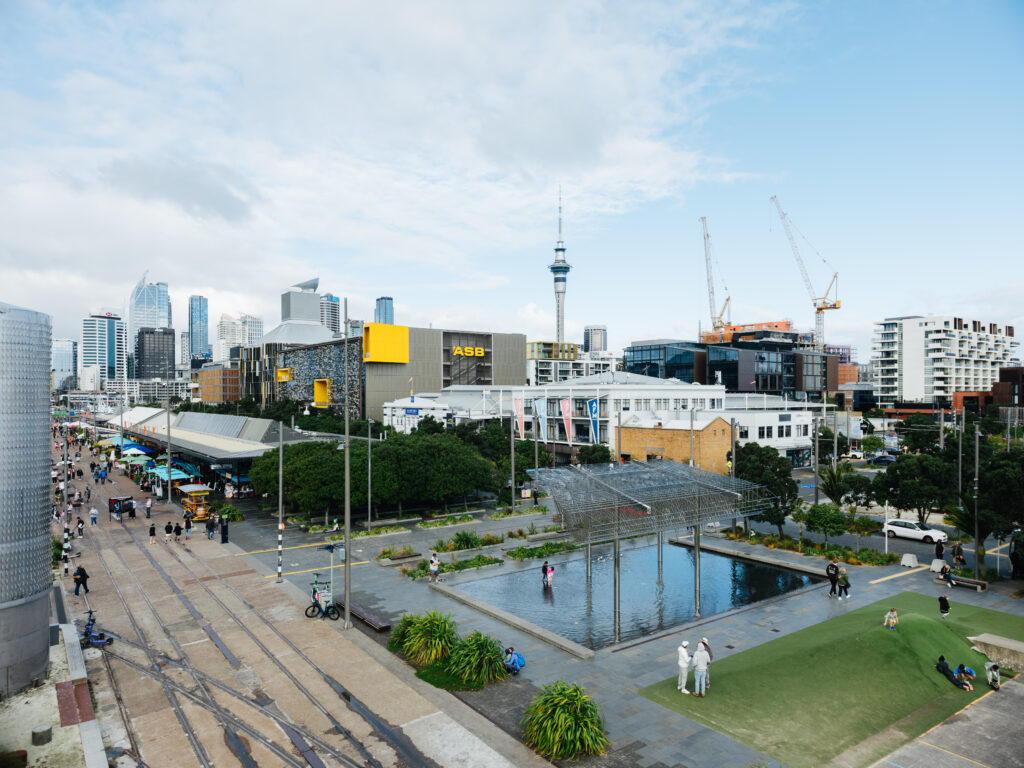
Right, time for a drink. Fortunately, it’s an easy walk across Victoria Park to the Wynyard Quarter, one of the city’s newest gentrification projects. You’ll walk past plenty of elegant restaurants, the city’s thriving seafood markets, and maybe even a few superyachts on your way to awesome cocktails at Rosie’s Red-Hot Cantina – the El Diablo cocktails on tap (El Jimador blanco tequila, blackcurrant liqueur, sugar syrup and lime juice) will hit the spot nicely.
For dinner, the nearby Headquarters restaurant is an elegant alfresco waterfront affair where I’d suggest you feast the evening away on the likes of kingfish ceviche with coconut, chilli jam and corn tortillas, and grilled coastal lamb rump (this is New Zealand after all), served with rosemary honey roasted kumara (new Zealand sweet potato) puree, grilled broccolini and a sweet-sour cherry jus. Pair it with a Church Road “Gwen” rose from the Hawke’s Bay.
Day 2 – Vino and Volcanoes
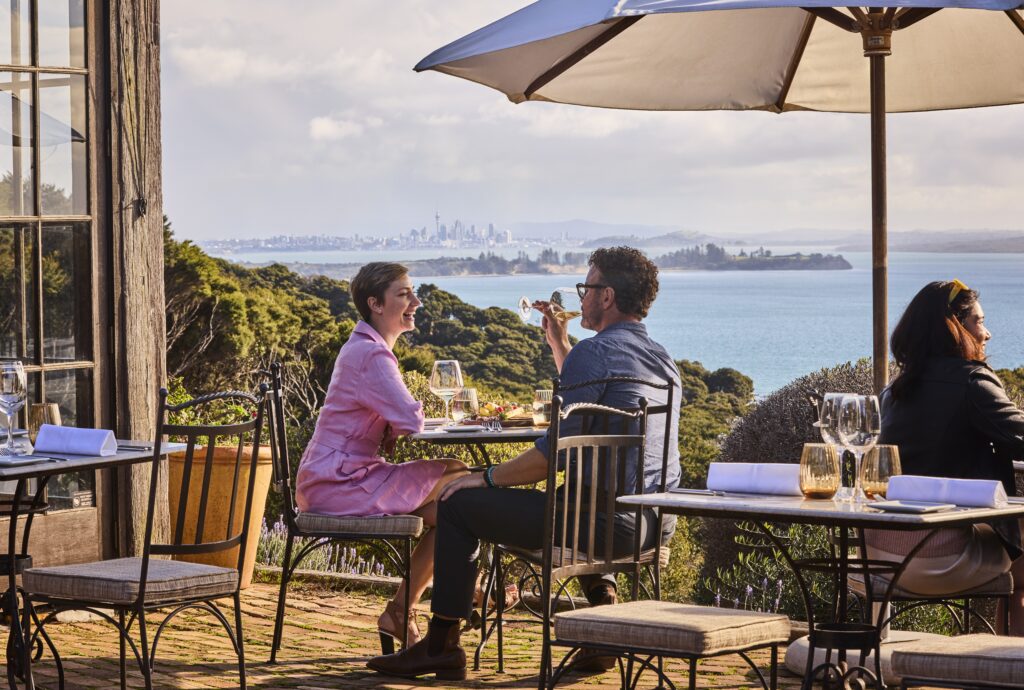
Today you’ll start off with a little exercise, followed by stunning central city views, and then depart for one of Auckland’s most fascinating island enclaves, home to stunning beaches, wine aplenty, and authentic kiwi culture.
Morning – Devonport Charm and Coastal Climb

Today we hit the water, so head over to the central ferry piers and grab one of the regular ferries across the harbour to Devonport.
I’ve always had a soft spot for sleepy yet luxurious Devonport. Home to the country’s pint-sized navy, this chic little seaside village is famed for its Pohutukawa trees, which bloom bright red with the arrival of summer (giving them the moniker the New Zealand Christmas Tree), its welcoming cafes and pubs, its stunning beaches and its twin volcanic crater peaks, North Head and Mt Victoria.
Grab a coffee at Chiasso Coffee Roasters, which has been roasting coffee in New Zealand since 1997 (they do a mean nitro cold brew), pop in to look at the collection of antique manuscripts and photographs at the Newton Andrews Gallery, and then cross the village green, pausing to say hi to the statue of Benjamin, the Devonport library cat.
From here, follow the coastline, past brightly painted boat houses and million-dollar homes to North Head (Maungauika in Māori). The views from the top are well worth the effort of the climb, and the remains of both Māori pa sites (traditional earthen fortifications), decommissioned canons and the sprawling military coastal defence tunnels dating from the late 1800s are fascinating to explore.
After a visit to the Torpedo Bay Navy Museum at the base of North Head, which tells the intriguing tales of the Royal New Zealand Navy’s engagements in WWII, reward your efforts back at the harbourfront with a scoop from Devonport Gelato (my favourite is the Fig Panna Cotta) or a cold pint of local Steinlager at The Patriot, a favourite local pub, before boarding your ferry back to the CBD.
Afternoon – Waiheke Island Wines and Beachside Indulgence
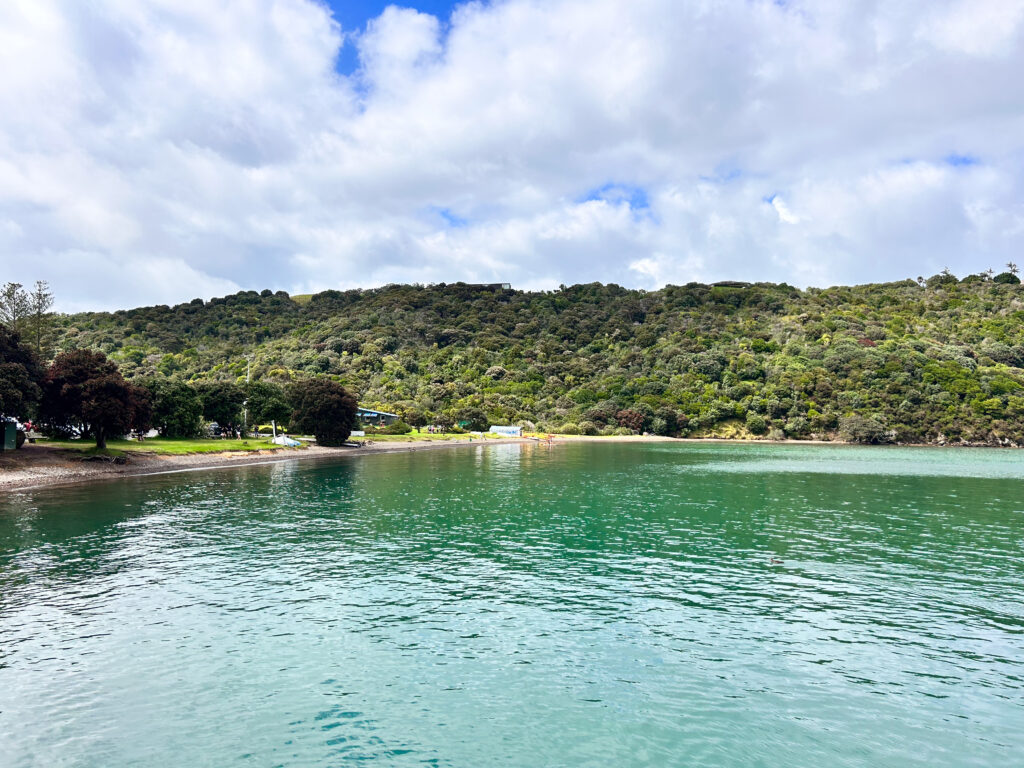
Now it’s time for a different kind of bliss. The Quickcat ferry stops at Devonport on its way out to Waiheke Island, a 35-minute high-speed journey to Auckland’s own chic little hippy community.
The second largest island in the Hauraki Gulf (after distant Great Barrier), Waiheke, which has a population of less than 10,000, was a laid back, alternative lifestyle destination for many years, until affluent urbanites from the city started buying up lots and building stunning multi-million-dollar homes, many of which you can see as the Quick Cat pulls into the pier at Matiatia Bay.
The best way to start your exploration of this remarkable little island (it’s only 92 sq km but boasts some of the city’s best beaches) is with an Ananda Wine Tour. Waiheke’s wine scene started back in the 1970s when savvy oenophiles realised its micro-climate was perfect for producing claret-style wines, and today Waiheke is home to over 30 boutique wineries, many of which have cellar doors where you can sample the vintages, as well as some of the city’s leading restaurants, many with exquisite Hauraki Gulf vistas.
Ananda’s tours include some of the key wineries, including Mudbrick, Man O’ War (famed for its Kennedy Point Syrah, and Stonyridge (look out for regular music events set among the vines), but also artisanal olive oil plantations and craft beer and gin distillery operations. Most tours include a gourmet lunch mid-route, and you’ll have plenty of options to buy wines, local olives and olive oils and much more along the way.
If the sun’s out, once you’ve finished up at the wineries, make for the beach. Waiheke has 40 kilometres of beaches, including a few clothing-optional enclaves, a hark back to the island’s hippy past life. Some of the top beaches include Onetangi, famed for its golden sand and safe swimming (grab a snack at bustling Charlie Farley’s while you’re there), Palm Beach, and Big Oneroa.
Alternatively, take a hike through Whakanewha Regional Park, visit the Māori fortifications at the Te Pūtiki o Kahumatamomoe pā site, or tap into the local artistic scene at the Waiheke Community Art Gallery.
Evening – Tamaki Drive and Seaside Eats
Back in the city, walk the coastline along stunning Tamaki Drive (it’s a very popular walking and jogging route), a coastal road that links the city to the elegant suburbs of Ōrākei, Mission Bay, Kohimarama and finally Saint Heliers. This winding route follows the harbour east and, with its dedicated walking and cycling paths, offers a relaxing evening stroll through some of the city’s most affluent neighbourhoods.
Mission Bay, the halfway point, is especially popular, especially during the summer months, when kiwis and visitors alike descend on its stunning harbour beach for annual food, jazz and wine festivals, held in the beachfront Selwyn Domain.
The park and the beach are the perfect setting for New Zealand’s unofficial national dish, fish and chips, and some of the best fish can be found at The Seafood Collective Mission Bay. Grab your takeaway snapper and chips (the steamed bao with prawns, kimchi slaw, and Szechuan sauce are also dynamite) and wind your way around the Trevor Moss Davis Memorial Fountain (its multi-coloured waters are especially popular with kids looking to beat the heat) and take a picnic table looking out to Rangitoto.
If you’re visiting during the weekend, grab a bus or cab back to the CBD and the Silo Park Night Markets, located in the Viaduct Basin and home to great food trucks, art exhibitions, and live music.
Alternatively, grab a nightcap at Britomart’s Truth or Dare, an elegant speakeasy that regularly welcomes celebrated bartenders from around the world for guest shifts. Try the Pan Am, a tropical-leaning sour-style cocktail with white rum, bitter aperitif, Crawleys orgeat and fresh citrus
Day 3 – Wild Coastlines and Vineyard Valleys
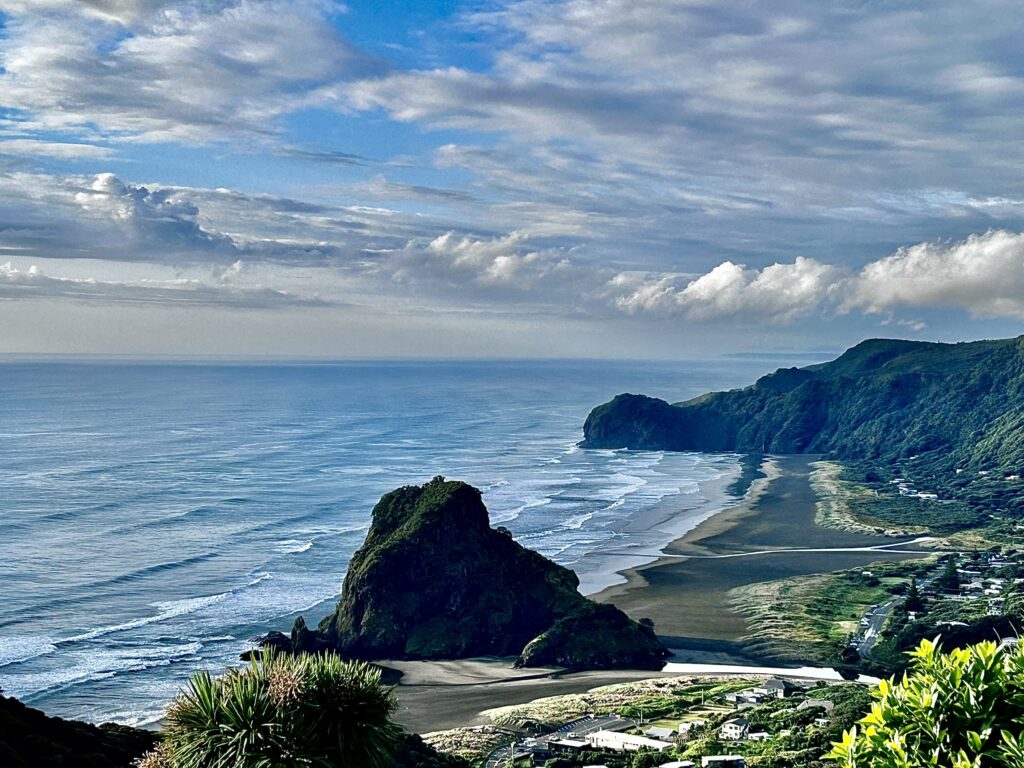
Today, we head out of the city centre again, this time for one of Auckland’s most beloved west coast beaches, more boutique wineries, and verdant rainforests.
Morning – Piha’s Black Sands and Rainforest Trails
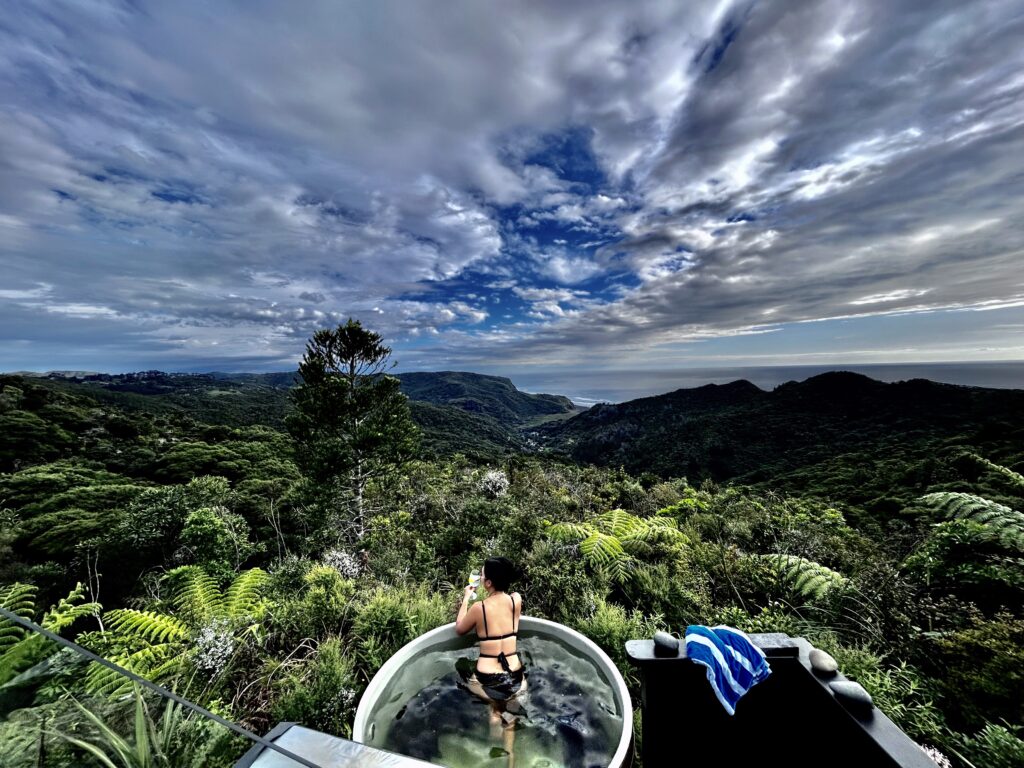
Take your hire car west from the city centre, through the stunning Henderson Valley (be sure to stop for the vistas at Parkinson Lookout) and into the spectacular Waitākere Ranges, which are made up of more than 16000 hectares of native rainforest and coastline.
It’s a winding but beautiful road that descends from the ranges down to dramatic Piha Beach, a black sand, weather-whipped destination that has a place in all Aucklander’s hearts. You’ll be able to stop for photos at the Piha Beach Lookout before taking the steep drive down to this sleepy, rustic beachfront community.
Piha is one of Auckland’s most dramatic beaches, and since the 1950s it’s been a favourite with surfers, who descend on its four kilometres of black sand to tackle the Tasman Sea swells. However, this is Auckland, so be sure to pack a windbreaker as the weather can turn quickly on the west coast.
Take a walk along the beach (if it’s summer, take a dip, but be careful of the currents and always swim between the flags) and gaze up at towering Lion Rock before joining the locals at Murrays for an ice cream or for something more substantial next door at Surfside (but don’t fill up yet).
Afterwards, stop in at the intriguing West Coast Gallery where you can snap up framed portraits of this remarkable coastline. If you’re still feeling energetic, detour south to the towering Karekare Falls, which are accessed via an easy 10-minute walk through native New Zealand bush and which were made famous as a backdrop in the classic film The Piano.
Afternoon – Riverhead Lunch and Kumeu Wineries

For a well-deserved lunch, head north to Riverhead and the iconic Hallertau Brewery, a country inn with alfresco seating that does a fantastic lunch spread – think house-smoked kahawai pate with red onion and sourdough; free-range chicken with fermented chilli and spring onion mayo; and mushroom pizza with truffle cream, rocket, pecorino and lemon oil, best paired with their inventive local brews, which include the chocolatey Schwarzbier and the dry Mr Yakimoto Rice Lager.
Your next stop is blissfully close. Much like Waiheke, the Kumeu region has been making world-class wines since the late 19th century. Best known for its spectacular Chardonnays (it makes up 82% of the region’s production, although you’ll also find small batch Pinot Gris, elegant Syrahs, moody Merlots, and brooding Cabernet Sauvignons as well), the region’s proximity to the Tasman Sea and Pacific Ocean, as well as its undulating landscape, makes it perfect for premium winegrowing, with isolated family-owned estates, many founded in the 1940s by Croatian, Lebanese, and English winemakers, extending into valleys like Waikoukou and Ararimu.
Your first stop should be Kumeu River Wines, founded in 1944 by Croatian immigrants Mick and Katé Brajkovich. One of the region’s pioneering vineyards, Kumeu River is famed for its Burgundy-inspired Chardonnays (it became such a cult classic that they had to expand operations to Hawke’s Bay).
Today, the winery is run by third-generation owner Michael Brajkovich MW, who often leads tastings at the winery’s small cellar door, which is open Monday to Saturday. Look out for single vineyard releases like the Hunting Hill, and vertical tastings of the prized Maté’s Vineyard Chardonnays, which promise stone fruit and hazelnut notes and make for great souvenirs to take home (I’m also a fan of the Village Chardonnay, which has great fresh pear flavours and subtle oak).
Another great winery worthy of your time is Soljans Estate Winery, which features a bustling cellar door (available throughout the week) and a cosy bistro amid rolling hills. Also created by Croatian immigrants, in this case Bartul Soljan, the winery launched in 1937 and today is run by five generations of the Soljan family, blending old-world traditions with Kiwi innovation. Be sure to try its Fusion Sparkling Muscat (it’s New Zealand’s most decorated sparkling wine) and which is exclusively available at the cellar door. You’ll also find an assortment of Croatian-Kiwi artisanal goods in the winery’s boutique.
Sated, drive back to the city to prepare for your evening adventure.
Evening – Kayaks, Cocktails, and City Lights
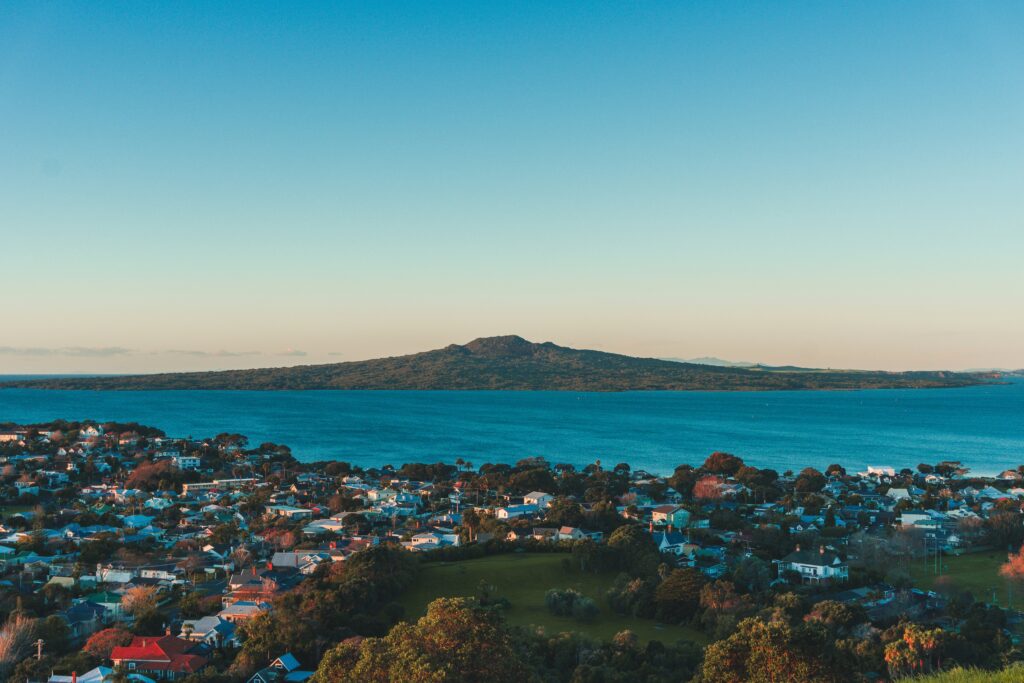
Tonight, you’re going to try something that even many Aucklanders haven’t tried – a nighttime kayak excursion to Rangitoto Island, New Zealand’s largest intact shield volcano and a city icon. You’ll depart on this adventure from Auckland Sea Kayaks’ base at the Viaduct Harbour, with the company providing all the gear you need, including dry bags, head torches and a guide.
It’s an easy paddle across the Waitematā Harbour to Rangitoto (allow for five hours round trip), and you can pair up in double sea kayaks so someone can always be on photography duty. You’ll be able to see the city centre lit up as you cross the harbour, and once you arrive on Rangitoto, which is a Scenic Reserve, you’ll climb the trail to the summit (it takes about 50 minutes), 259 metres above the water, by torch light, learning about the peak’s lava-covered flanks, which pass through New Zealand’s largest pōhutukawa forest, past eruptions (the latest was 600 years ago, leading to the Māori name Rangitoto, which means “bloody sky”) and its unique flora and fauna.
Then it’s time for the return kayak (look out for bioluminescence if the sea is warm) and hot chocolate and cookies back at the pier.
Of course, kayaking and mountain climbing at night aren’t for everyone, so if you prefer to stay dry and on terra firma, make for stylish Ponsonby, which sits on a ridge above the CBD and is home to some of the city’s best restaurants.
I’d suggest you head to Broken Lantern, which has alfresco seating and a New York City Lower East Side vibe. Here, the menu specialises in innovative shared plates that make the best of Auckland’s great local produce. Try the beef short rib with roasted onions, heirloom carrots and mashed potatoes; the baked Whitestone brie with caramelised balsamic onions, lavosh, and grilled focaccia; and the great butter chicken pizza with chickpeas and cashew garlic sauce. There are also great cocktails – my pick would be the Lonely Hearts Club, a refreshing blend of peppermint tea, gin, Italian aperitif wine, vanilla and strawberry grenadine, and lemon.
From Ponsonby, it’s an easy walk along to the city’s nightclub district, Karangahape Road, commonly known as “K Road” and then down Queen Street to the CBD and your hotel. Alternatively, walk west to College Hill Road and you’ll be back at the now-familiar Victoria Park Market, steps from the Viaduct, where you can end your three-day Auckland visit back at its acclaimed harbourfront.
How to Get Around Auckland
Perched between two harbours, the Waitematā in the east and the Manukau Harbour to the west, Auckland is a surprisingly large city despite its relatively small population of less than 1.8 million. Subsequently, public transport isn’t brilliant, especially if you’re looking to travel away from the city centre.
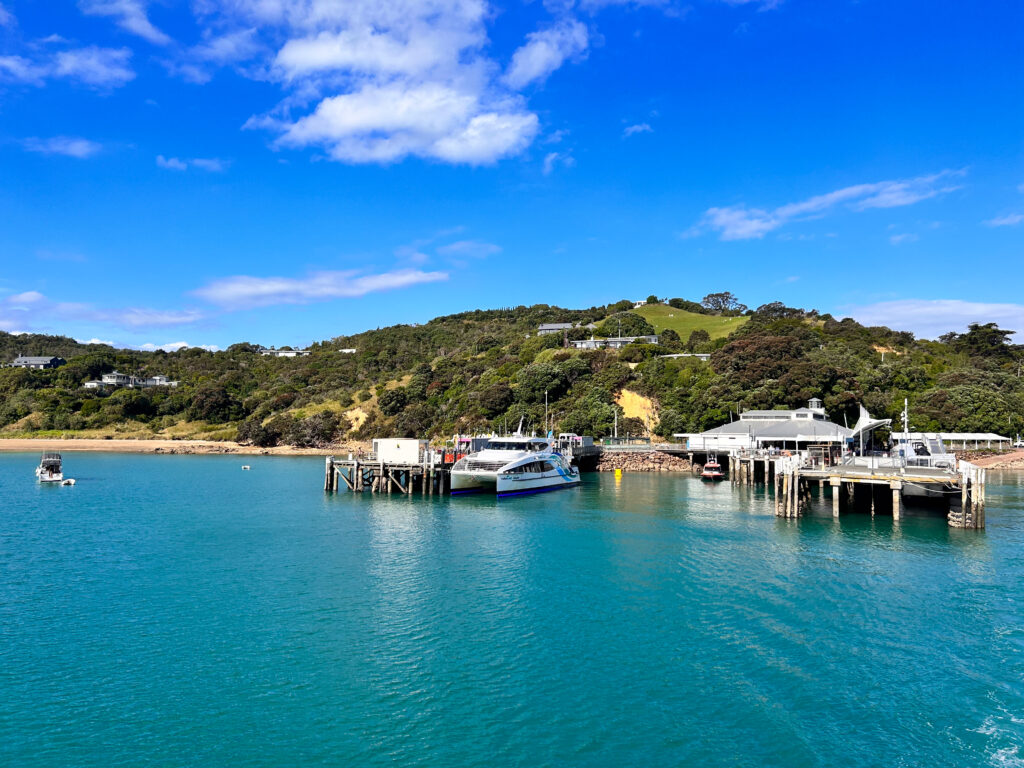
However, most of the city’s attractions are either centred around the harbourfront, with key destinations like Mission Bay, Waiheke Island and Devonport easily reached by ferry (you can even take your car to Waiheke via the Half Moon Bay car ferry).
Further destinations like Piha and Kumeu are accessible with a hire car, which you can pick up at the international airport (there’s also an airport shuttle bus service). You can also get around the city by taxi or ride-sharing apps like Uber, DiDi, and Bolt, which are all readily available.
If you’re just passing through Auckland, I don’t think you need to get a hire car as most of the best destinations are easily reached via public transport, but if you’re looking to explore further afield, Auckland is just the beginning of your New Zealand adventure, a hire car or even a campervan is a great option.
Additional Experiences to Add to Your Auckland Itinerary
Obviously, if you have a bit more time, there’s plenty more to see in Auckland. I’d suggest catching either a cricket match or a rugby match (depending on the season) at Eden Park, one of the country’s most popular stadiums. With a capacity of 50,000, it offers great energy and insight into New Zealand’s love of sports.
There are also plenty of great green belts across the city, including some of its many volcanic peaks. Climb Maungawhau, also known as Mt Eden, to see the sun rise over the harbour before descending to the village’s little cafes for breakfast, or take a leisurely walk through sprawling Cornwall Park (the kids will love the lambs that arrive in spring) before ascending iconic One Tree Hill, offering arguably the best views of the city (don’t miss brunch at the popular Cornwall Park Café).
If you’re looking to explore a little further afield, I’d suggest cruising up Matakana, on the city’s northern outskirts, home to a brilliant Saturday farmer’s markets that’s packed with incredible local flavours (look out for the addictive whitebait fitters and bottles of zesty feijoa wine), leading boutique wineries like Brick Bay and Heron’s Flight, artisanal breweries and the stunning gardens, modern art pieces (look out for the portrait of Marlon Brando made from chewing gum) and modern sculptures of Sculptureum.
And if you love markets and want to learn more about Auckland’s Polynesian residents (Auckland is officially the largest Polynesian city in the world), then make for Otara, in the city’s south, and its eclectic weekend markets, which were established in 1976 (it’s even a great last stop on the way to the airport).
Here, you can feast on Māori, Samoan, Tongan, Niuean, and other Pacific Island dishes like hangi (food cooked in a traditional earth oven), poke bowls, chop suey, pork buns and homemade pickles, before shopping for second-hand treasures and cultural crafts (traditional Māori korowai feather cloaks are a favourite), and grooving to the best local bands.
Whether you’re looking to explore all that New Zealand’s largest city has to offer, from wineries to museums to volcanic peaks, or you just want to spend a couple of days rubbing shoulders with the locals, Auckland is a great summertime destination that should definitely be on your New Zealand to-do list.