

Few islands on the planet can stoke the wanderlust like Bali. With 5.7 million international arrivals and counting each year, this rock in the Indian Ocean certainly isn’t a secret. Its coffee-tinged beaches, its jungle-draped interiors, its mystical towns and temple-topped villages, its jet-setter villas with their infinity pools and clifftop views – the whole shebang is now the stuff of legends.
But don’t go a-thinking that there’s no mystery left. Even with Bali’s loyal following, straying from the beaten path to quarters unknown is still very doable. I know because ditching the crowds and getting on the road less travelled is my personal MO whenever I touch down between the balmy streets of Denpasar. And I’m here to say this: Unique experiences in Bali abound.
Yep, those looking for something a little out of the ordinary on the Isle of the Gods can rest assured that there’s a gado gado salad’s worth of interesting pursuits on the menu. They run the gamut from soul-stirring cultural traditions to hiking adventures up smoke-spluttering volcanoes by the dawn light. Here, I’ve handpicked the very best to offer just a hint of inspiration for your next visit…
Boiled Eggs on Mount Batur at Sunrise
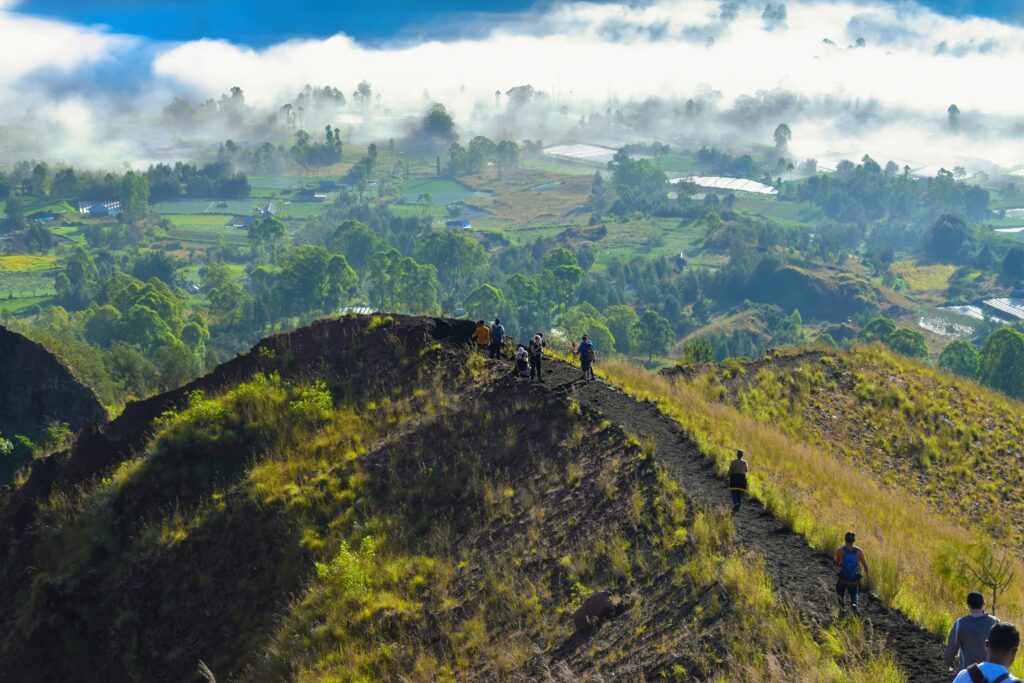
Who doesn’t love a boiled egg for breakfast, eh? Well…what if I told you that on the Isle of the Gods, you could have said boiled eggs, only cooked using the natural steam vents of a volcano, and devoured to a backdrop of the sun rising across the island’s mountainous heart? Yep, that’s really a possibility…
First, you’ll need to plan a hike to the top of Mount Batur. It’s the second-highest of Bali’s two active volcanoes, lurching some 1,700 metres above sea level in the far northeastern corner of the isle. It’s not an uber-easy climb, but also nothing like Everest Base Camp. The trail weaves through little villages and low-lying jungles, before topping out on rocky slopes dusted with scree. It’s a bit uneven in places, though it typically takes around 2.5 hours from start to finish.
Make it a sunrise hike, of course. Everyone else does! A guide is needed – some say you can self-plan the trek, but it’s hardly worth the hassle. You’ll be collected at your hotel around midnight and whisked off to the trailhead in the pitch darkness. Your upwards route will be in the early hours, so you can make it to the summit before the rays begin to peak over soaring Mount Rinjani (the volcano that caps off Lombok island to the east) in the distance.
So, where do the eggs come in? Get the right package and your guide will bring you one fresh from the steam-vent ovens on the side of the volcano. They take about 10 minutes to completely cook through, using nothing but natural heat being spurted out from the core of the Earth. Sit, peel your egg, eat, and watch as another day begins above the clouds in Bali.
Fight Your Way Through the Perang Pandan in Tenganan Village
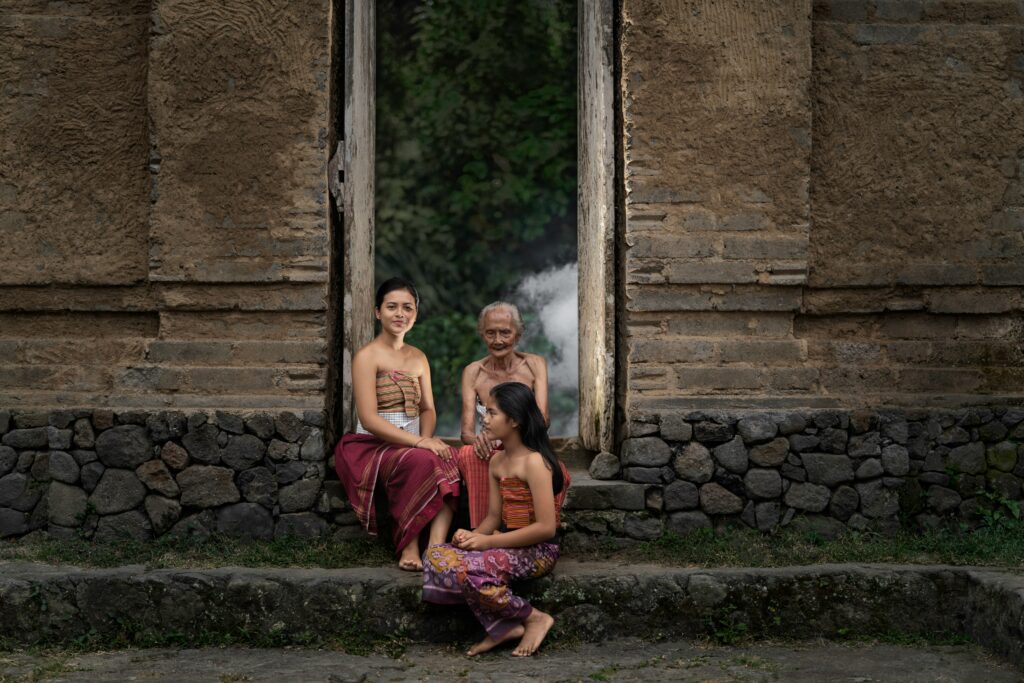
No list of the most unique experiences in Bali would be complete without a mention of the Bali Mula peoples. These are the original inhabitants of the island, who live largely in remote highland villages in Kintamani and the eastern regencies. They adhere to an ancient form of Hinduism and reside in longhouse compounds with thatched roofs that are divided into family units.
The village of Tenganan is one of the prime examples of an age-old Mula community. It sits deep in the hills of the Karangasem regency, between two low ridges of cloud-clutching jungle. You can visit at any time to see its intriguing architecture and buy crafts from the various workshops, but there’s one event that really stands out: Perang Pandan.
It means “Pandan War” and it’s been going on for thousands of years in honour of the imperious Hindu god of war and lightning, Indra. The whole village gathers to watch fights between youths. They’ll be armed with nothing but a thin rattan shield and a spiky length of pandan leaves. Skirmishes erupt over the course of two days, pitting boys against boys, with the winner being the one who can endure the most scratching and cutting of the pandan leaf.
Aside from the bloodletting, there’s also dancing, music, and processions of traditionally dressed Balinese village folk. It all goes down in the fifth month of the Balinese calendar (that’s usually June). Visitors are welcome but should keep a good distance away from the action – you know, so as not to interrupt or get hit with any stray pandan leaf!
Bathe in a Natural Infinity Pool in Sidemen
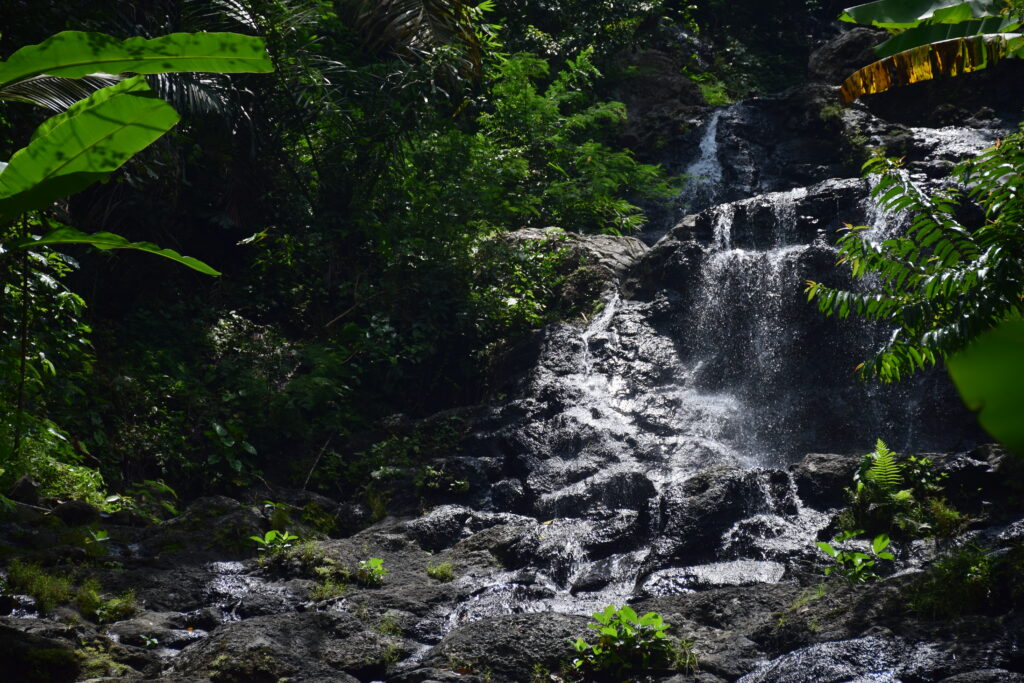
I’ll say this once because I don’t want everyone to get wind of it: Sidemen is wonderful. Utterly, utterly wonderful. A lot has been said about how Bali is becoming too busy, too built up, too developed. Well, Sidemen is the cure to that; the proverbial other side to the coin, where rice paddies still flow to the bottom of deep valleys and the sounds of tooting scooters are replaced with tweeting birds.
I first came here in 2021 after someone waxed lyrical about the spot. I was mesmerised from the get-go. Mind you, having a lux hotel room with views over cloud-piercing Mount Agung helped, and so did a particularly nice hotel spa. Anyway, one of the highlights of my Bali itinerary was a trip to the Gembleng Waterfall, where I was told there was a natural infinity pool in the most perfect spot.
I chose to hike through the jungle-tufted hills of Sidemen to get there, but you could just as easily motor down on a scooter since there’s parking at the base of the trail. A steep, zigzagging path shoots (almost) straight up to a cleft in a cliff, where you’ll find a rushing stream of cool mountain H2O pouring from one pond to another. And so it is: One particular pool that looks almost manmade, precipitously perched on the side of the rocks to offer sweeping panoramas of the whole Sidemen valley.
These days, Gembleng is no secret, so be ready to queue for a dip, or come as early as possible. Also, be wary of the rocky terrain and slippery sides of the cliff – getting in and out of the water can be particularly treacherous, especially after rain.
Watch Things Flutter Through the Skies at the Bali Kite Festival
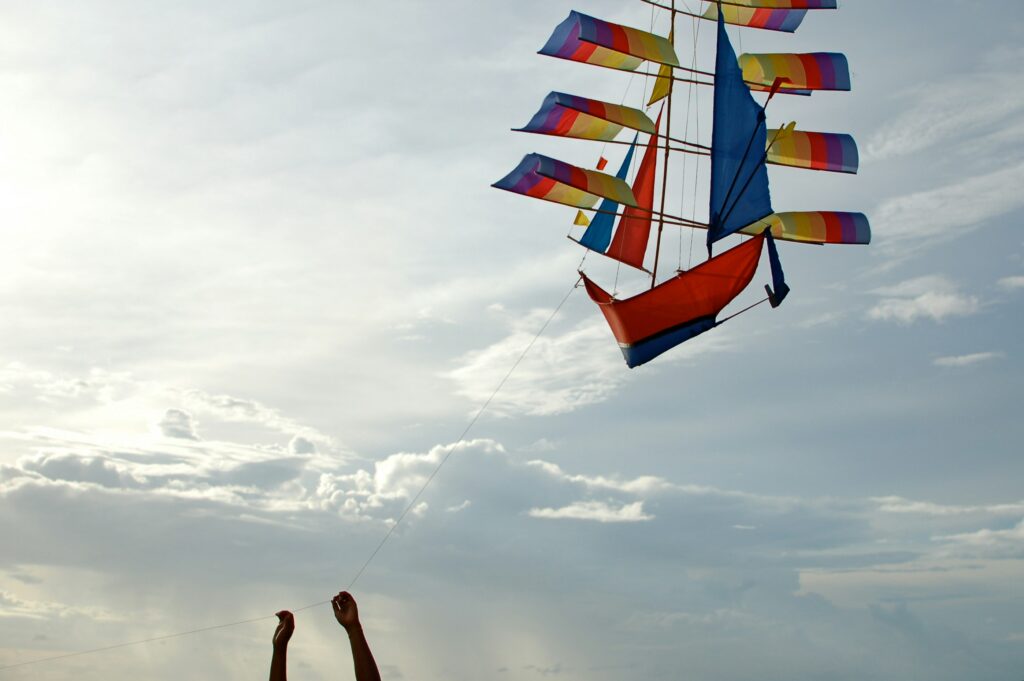
If you’re lucky enough to be on the island when the trade winds blow through in July and August, then look up to the skies. There’s a chance that you’ll spot something utterly magical – the heavens transformed into a swirling canvas of dragons, gods, and mythical beasts, all in the name of the Bali Kite Festival.
The big competitions happen along the breezy sands of Padang Galak Beach, just north of the port area of Sanur. There are whole villages there and in the surrounding regions where the people will spend weeks crafting elaborate bamboo-framed kites, some the size of small buses. It’s a real joy to see them finally get airborne.
The kites themselves aren’t just for show. This is a religious ceremony as much as a cultural festival. The arduous crafting and making of the kites is a homage to the Hindu gods for successful and abundant harvests. It inspires some wonderful shapes and designs, each of which now has its own name. There’s the bebean, with its distinctive swallowtail and fish outline. There’s the janggan, inspired by the dragon, displaying long, flowing tails.
I’d sum it up like this: The atmosphere is bedlam in the best possible way. Barefoot teams in matching sarongs sprint across the sand, hauling kites taller than palm trees to a backing track of chaotic gamelan clangs. When one catches a proper gust and finally lifts off, the crowd erupts.
The whole thing is a proud showcase of community spirit. You’ll see young and old people from each banjar (village) joining forces to ensure their creation soars the highest. The best time to go is during the main competition days in late July, but impromptu kite battles pop up all through the peak dry-season months.
Be Cleansed in the Sacred Waters of Tirta Empul
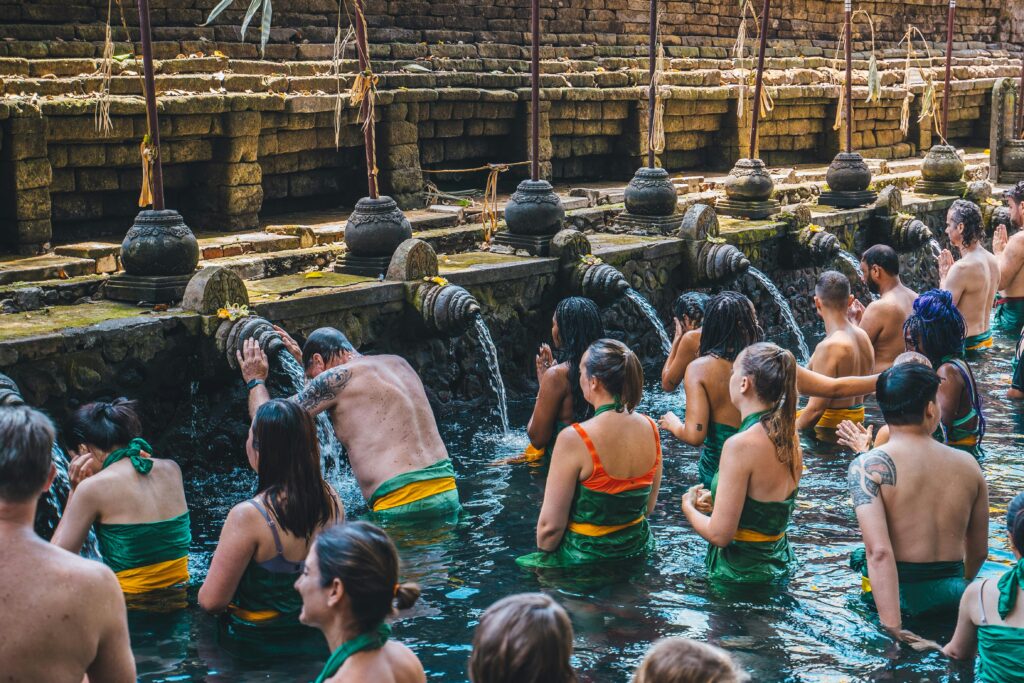
There are a lot of temples in Bali, but only one where you can wade straight into a centuries-old spring to cleanse the soul. Cue Tirta Empul. This incredible shrine sits in the lush uplands, some 30 minutes’ drive north of Ubud (and one of the ultimate day trips). It’s said that its bubbling pools were created by the god Bhatara Indra after a fierce battle with a demon king.
The myth goes that the deity struck a thunderbolt into the ground to summon holy water that had the power to revive the dead. That very spring still gushes today, feeding the purification pools where Balinese Hindus (and a growing number of wide-eyed travellers) now come to be cleansed.
You’ll probably hear the temple long before you see it. Notice the rhythmic splash of water cascading from thirty stone spouts into emerald pools. That harmonises with the low hum of prayer and the smell of incense twirling in the air. Locals dressed in sarongs move gracefully from one spout to the next, bowing, sipping, rinsing, and letting the sacred water flow over their heads in quiet devotion. Each fountain has a meaning. There’s one to cure bone diseases, another for toothache, another for negative thoughts and anger.
Visitors are welcome to take part, but are asked to do so with the utmost respect. You’ll need to don a temple sash and sarong (both available to rent at the entrance), leave offerings of flowers and rice, and step carefully into the cool water. A guide is a good idea. They’ll cost a little extra but can help walk you through the complex steps of the cleansing ceremony. You’ll also need to pay around £4 for entry to the temple itself.
Pitch the Tent in One of Bali’s Secluded Areas
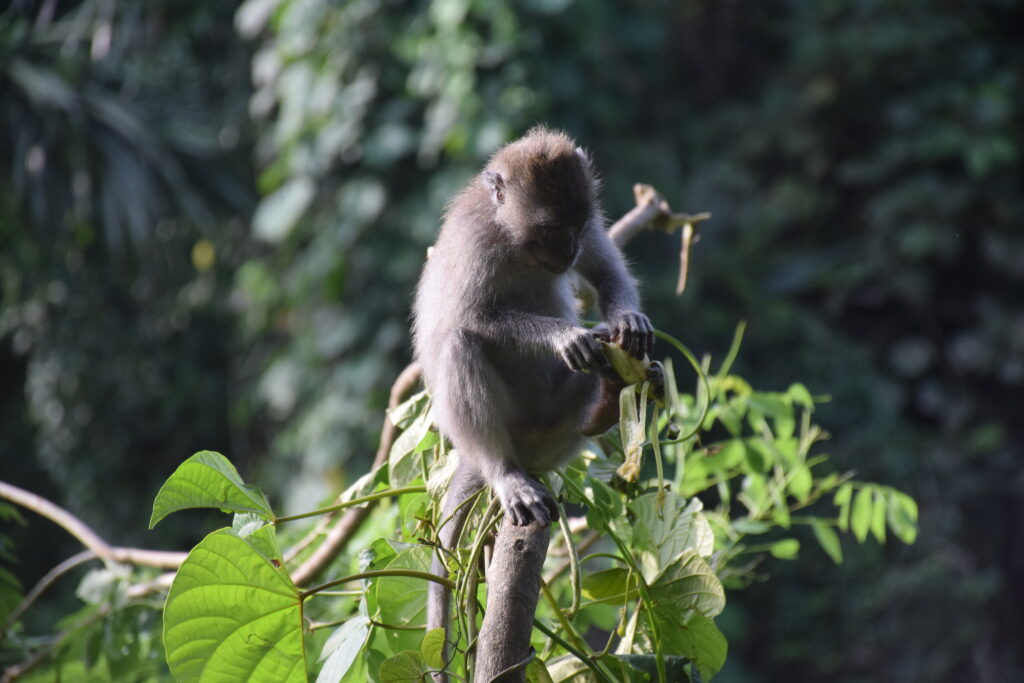
Camping in Bali? Mhmm, it’s a thing. Now, I grant you that canvas might not be your first choice when it comes to accommodation on the Isle of the Gods, especially when this one’s better known for its infinity pools, yoga mats, and Bintangs at the hotel bar come sunset. But there’s something undeniably enticing about going wild and spending a night beneath Bali’s star-punched skies. Not least of all the solitude – hardly anyone does this!
One of the top spots to pitch a tent is Lake Buyan, a mist-wrapped crater lake hidden high in the northern hills of Bedugul, a mountainous corner of northern Bali. It’s a world away from the bustle of Canggu or Seminyak. Here, the morning alarm is the chatter of monkeys instead of the purr of scooters. The campsites are proper back-to-nature affairs: fires crackling, ducks paddling past, clouds drifting lazily over the twin lakes of Buyan and Tamblingan. You’ll likely be sharing pitches with local Balinese or Indonesian travellers, who come for the cool air and the quiet.
If sleeping on the ground and doing battle with mozzies doesn’t exactly sound like your cup of kopi, there’s always the middle option. That’s glamping. I’ll go out on a limb here and say that this island does luxury camping better than anywhere in Southeast Asia.
Check out the PukuPods that cling to the southern slopes of Gunung Batukaru, a sleeping volcano in the heart of the island. Choose those to sleep in spacious safari tentalows with decks out front and al fresco bathroom spaces. Then there are the bubble hotels near Ubud – I’m talking fully transparent jungle domes where you can stargaze from your bed, wrapped in nothing but white sheets and moonlight.
Leave Bali – For Another Island

It’s tempting to think that Bali has it all. Look – the island is awesome. And you can spend weeks and weeks getting through pandan leaf fighting and water ceremonies and all the rest. But also remember that Bali is just one, admittedly large, speck in the midst of a whole Indonesian archipelago. It’s got near neighbours that are just as enticing, just as mysterious, just as laden with natural beauty and rich cultural pasts.
A hop across the strait to Lombok is the obvious first choice. And, in my humble opinion, a rather fantastic first choice at that. Bali’s little brother is content to sit out of the spotlight, but it’s a real showstopper. Its western shoreline stretches either side of the resort town of Senggigi, which is served by direct ferries from Padangbai and Sanur. Head there and you’ll find long wisps of white-beige sand topped by lanky coconut palms. Inland, the colossal outline of Mount Rinjani soars to over 3,700 metres above the Indian Ocean. You can hike it in the dry season to find glimmering crater lakes above the clouds. How much more unique do you want?
Lombok ain’t the only isle, either. Even closer to Bali are what’s come to be known as the Nusa Islands – a trio of rocks that each have their own character and charms. Nusa Penida is the largest, but it’s lately inundated with influencers hunting for the best Instagram shot. Swap that out for a whirlwind tour of Nusa Lembongan and Nusa Ceningan, which are linked by a single bridge road. Together, they offer up seaweed farms and pristine snorkelling reefs, romantic sunset lookout points, and lagoons where the waves bash and churn against the rocks.
For something even more different, look west, not east. Yes, it’s about 3.5 hours from the main resort towns of the Bali south coast to the port town of Gilimanuk, but it opens up the chance to hop across to Java. It’s a whole other world; a land of smoke-belching volcanoes, barrelling left-hand surf breaks, and thick tropical jungles. All that despite being the most populous island in the whole darn world! Ferries leave for Java from Gilimanuk in Bali every 20 minutes. The trip takes just under an hour.
Finally, there are the Gilis. This triptych of isles isn’t off the radar or anything. They’ve long been one of the major tourist draws in this corner of Indonesia, offering pearly white sands, reef-ringed swimming bays, and – at least on Gili Trawangan – parties that go on all night long. Direct ferries head across from ports in eastern Bali every day, but they can be cancelled due to rough seas, so always check ahead of time.