

Dubai is a place where anything is possible — a bold claim, sure, but where else can you go dune bashing, snowboarding, and skydiving before soaring up the world’s tallest building over the course of a day?
As divisive as it is, the city is a veritable case study in ambition, transforming from a humble fishing settlement to a thriving metropolis in a matter of decades. And while its meticulously curated image dictates the plans of most first-timers, spending the perfect 48 hours in Dubai entails a lot more than futuristic towers and luxury offerings.
Beneath the city’s glossy facade lies a rich cultural tapestry made possible because of the 200 nationalities that call it home, and it’s most palpable in the modest neighbourhoods largely overlooked by tourists. Our Dubai two-day itinerary finds the happy medium for the ideal jaunt, complete with secret eateries and eco-savvy desert escapes.
Day 1 — Dubai’s Architectural Marvels and Homegrown Heroes
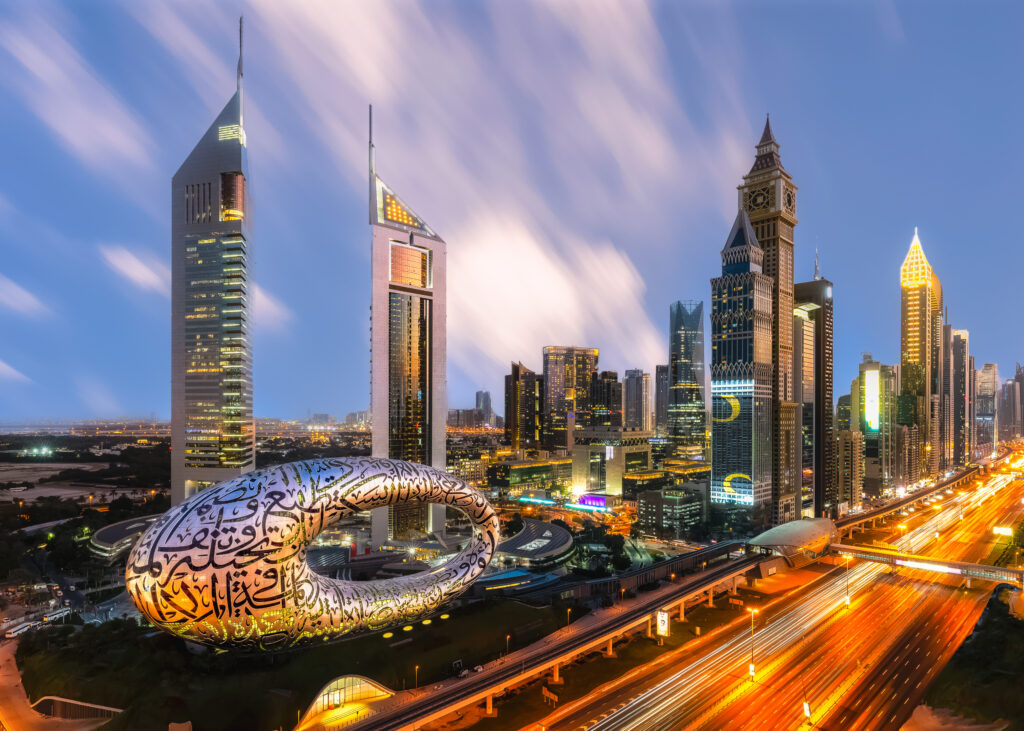
Day one, for the most part, is about exploring why Dubai is dubbed the “city of superlatives” — but it’s not all aerial views and unmistakable icons. For culturally curious visitors, a stylish enclave awaits, one that pushes the boundaries of artistic expression, and, for foodies, there are plenty of dining spots that spotlight the ingenuity of its residents.
Start early, and you’ll be rewarded with a glimpse into the varied facets of this often-misunderstood city.
Morning: Sunrise Above the City
Go against the grain by catching sunrise at Aura, the world’s highest 360° infinity pool. It’s a better deal, but more importantly, it’s cooler and quieter compared to sunset sessions, which tend to draw far too many influencer types. Suspended 200 metres in the air, Aura is located on the 50th floor of The Palm Tower in Palm Jumeirah, so splurge on a cabana and take in the surroundings as the first rays bathe gleaming landmarks like Burj Al Arab and Ain Dubai in a warm, golden light.
And with the Sunrise Pool Experience running from 6 am to 9 am, you’ll also have time to sample breakfast options inspired by Pan-Asian cuisine – eggs Benedict with miso hollandaise, smoked salmon bagels with wasabi cream cheese – before getting changed and heading to your next stop, Museum of the Future.
Despite going against the direction of morning traffic, assume that you won’t reach this torus-shaped attraction in time for a 9:30 am entry (the arterial Sheikh Zayed Road can be unpredictable, especially on weekdays), so book the 10 am slot for a stress-free taxi ride.
On that note: between high demand and limited availability, you might miss out on your preferred time slot, so book your ticket online in advance.
The museum’s exterior alone makes it worth a visit — it’s enveloped in Arabic calligraphy across a staggering 1,024 stainless steel panels that represent the 1,024 bytes of data in a kilobyte.
Once inside, you’ll be ‘transported’ instantly to the future, the year 2071 to be exact, which coincides with the centenary of the UAE’s founding. Before the interactive exhibits categorised across five zones, there’s the lobby, a heady mix of flying robots, a double-helix central staircase, and a trio of clear capsule elevators traversing the venue’s seven floors.
Visits are self-guided on a fixed path, so you can move at your own pace, but it’s worth slowing down in The Library. Storing the genetic code of over 2,400 species – flora and fauna – in seemingly endless rows of neon-lit jars, it is arguably the museum’s most intriguing installation. Elsewhere, you can ride a lift up to a fictional space station, try your hand at ultrasonic therapy, and discover why we’ll eventually fall victim to biometric shoes that look alarmingly like Crocs.
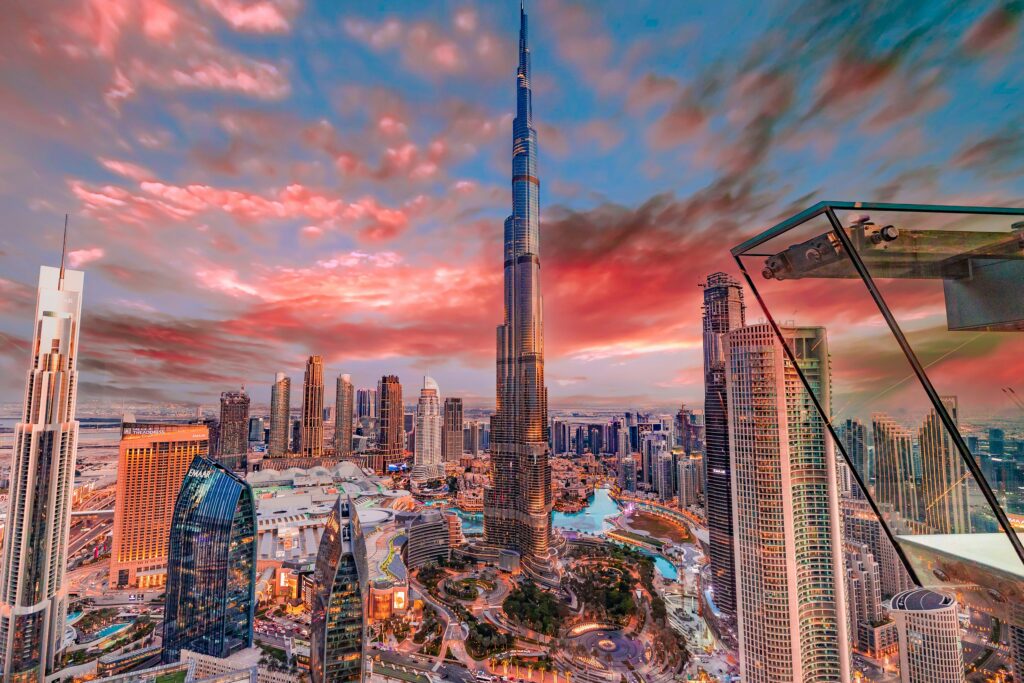
Museum of the Future may reside among some of the city’s most well-known skyscrapers, but for obvious reasons, they pale in comparison to Burj Khalifa. Take the footbridge that connects this commanding structure to the Emirates Towers station on Dubai Metro’s Red Line, and ride up to the station Dubai Mall/Burj Khalifa — it’s only two stops away.
Whether you’re into architecture or not, this one’s a must-do — the world’s tallest building is, quite simply, a feat of modern engineering. At AED 399, tickets to the premium At The Top SKY experience are steep, but worth it if you want to stand above the clouds in style. Additionally, perks like priority access will go a long way considering the weight of today’s itinerary.
You’ll skip the queues and ride a high-speed lift up to the plush observation deck on Level 148. At a height of 828 metres, Burj Khalifa is visible from a distance of up to 90 kilometres, so clear days promise views of the city, the desert beyond, and even the Persian Gulf in the distance.
Afternoon: Dubai’s Creative Side Unfolds
Back at sea level, a casual lunch at the nearby Time Out Market Dubai is a no-brainer. This sprawling food market is all about bringing the best together under one roof, with a rotating selection of 17 homegrown concepts selected for their popularity in a city synonymous with fickle diners.
Having to choose between Mediterranean, Japanese, Levantine, Latin American, Italian, and Indian fusion cuisine is a challenge, but the good kind — the venue’s gastronomic diversity perfectly mirrors the cosmopolitan nature of this city.
As evening falls, continue in the same laidback vein with a stroll through the lanes of Alserkal Avenue. Defying the misconception that Dubai lacks culture, this industrial compound turned arts district is home to galleries, public installations, performance spaces, and dance studios in addition to the region’s only arthouse cinema.
Newcomers frequently label it a “hipster hangout”, but for long-standing residents like me, the sense of community here is priceless. The city can admittedly feel unrecognisable to those raised in a less glitzy iteration, but Alserkal Avenue, hidden among the high-rises, feels like a secret that only we are privy to.
Night: Dining Like a Local (and Bourdain) at Bu Qtair
Bu Qtair is another spot that’s beloved by old-timers, and it has nothing to do with Anthony Bourdain’s seal of approval. Once a beach shack catering to fishermen, this unassuming seafood restaurant made an appearance in Season 6 of No Reservations, but diners were lining up for a table long before the culinary legend’s trip to Dubai.
Interestingly, Bu Qtair still operates like it did in the early days, back in 1989.
Firstly, credit card payments aren’t accepted, so carry cash. And there’s no menu, but the catch of the day – usually sheri or grouper fish – is always fresh, generously marinated in masala, and deep fried. The frills here don’t exceed a bowl of curry and flaky, Kerala-style paratha, either, but they’re enough to make for a tantalising dinner after a long day of exploration.
Day 2 — A Window Into Dubai’s Past

Day two calls for moving north, away from the grandeur of yesterday and deep into the vibrancy of what is now known as “Old Dubai”, a slight misnomer that seems to go unnoticed — it encapsulates two key areas, Deira and Bur Dubai, neither of which is frozen in time. In fact, the thrum of activity never seems to cease.
As dawn breaks, tiny cafeterias fill the air with the intense and spicy aroma of karak chai. Street porters navigate their daily routines, tirelessly moving commercial goods on time-worn dolly carts. And souk vendors deftly haggle over everything from dates and dry fruits to spices well into the night.
Morning: Al Fahidi’s Morning Rituals
Begin with breakfast at the original outpost of Arabian Tea House, a bona fide institution in the scenic Al Fahidi Historical Neighbourhood. The staying power of this quaint tea house alone is evidence of its excellence — it’s been around since 1997, a small miracle in a city with a notoriously high restaurant failure rate.
Weather permitting, take a seat outdoors under a leafy canopy and skip a read through the menu altogether. The Special Emirati Breakfast Tray will introduce you to a range of moreish Emirati dishes such as balaleet, chebab, khameer, and more, fuelling you for the excursion ahead.
A two-minute walk away, the Sheikh Mohammed Centre for Cultural Understanding (SMCCU) is a popular starting point for tourists eager to learn about the UAE’s customs and traditions.
There are several award-winning cultural experiences in Dubai to choose from, and, in this case, the 90-minute Heritage Tour is the definitive way to acquaint yourself with one of the city’s oldest districts. Led by a local culture expert, it starts with Arabic coffee and a Q&A session that’s more frank and engaging than stuffy — and no question is off-limits. A walk through the neighbourhood later, things conclude on a reflective turn as participants gather in the stillness of Diwan Mosque, a place of worship accessible to only those on an SMCCU tour.
Armed with new knowledge, now’s the time to get lost in this beautifully preserved labyrinth of narrow alleyways, authentic wind towers, and ancient coral mansions taking on new life as ateliers, cultural societies, independent boutiques, a fort dating back to 1787, and quirky little museums dedicated to daggers and coins — across 31,000 square metres, no less.
Afternoon: Fusion Plates and Floating Memories in Old Dubai
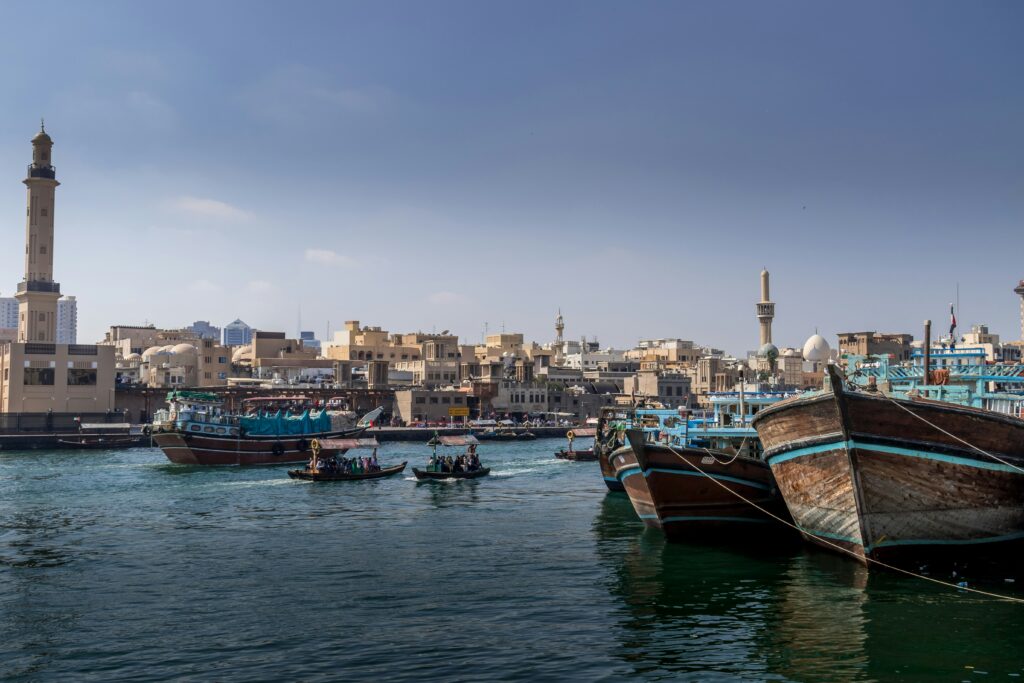
With the heat at its peak, you can find respite on the banks of Dubai Creek, a natural body of water that separates Deira and Bur Dubai, and has played a vital role in the city’s origin story — Dubai wouldn’t be the world-class trading hub that it is today if it weren’t for this natural harbour. But don’t wander aimlessly in search of a cold drink.
Frequented by residents nostalgic for simpler times, Mazmi Café sits right at the edge of this creek and provides a truly honest snapshot of the city (mosques and temples weave together a community where everyone belongs).
Mazmi’s backstory is also noteworthy as it’s owned by an Italian woman and her Emirati husband, both of whom have created a menu of fusion dishes inspired by their backgrounds (think: hummus infused with basil and kunafa reimagined as kataifi nests topped with pistachio gelato).
As shoppers, worshippers, and commuters go about their day, you’ll want to sit back and people-watch, but the weathered boats on the water beckon. Embodying a bygone era, these traditional wooden vessels can be hired for a private trip along the creek from any of the abra stations around. An hour aboard will set you back AED 120.
Night: Desert Dunes and Firelit Feasts
No trip to the UAE would be complete without venturing deep into the desert, so as day turns to dusk, make your way to Sonara Camp for the Sunset and Dinner Experience.
Set amidst the sweeping Dubai Desert Conservation Reserve, a protected area that extends 225 square kilometres, this ethereal venue pairs an eco-conscious philosophy with refined bohemian aesthetics. As the rich, deep melodies of an oud subtly welcome guests, it becomes evident this isn’t one of those infamous desert safaris that oversell and underdeliver.
Lounging in a hammock after an exhilarating 48 hours makes sense, especially if it’s to catch the sun sinking slowly into the towering red-sand dunes in the distance — but plenty will motivate you to clamber out, falconry displays and a signature fire show included. Bamboo torches and fairy lights guide the way down to the vast recessed dining area, where a communal fire pit takes centre stage. In keeping with its surroundings, Sonara Camp is driven by its environmental credentials, so a strict zero-waste policy means that there isn’t a buffet in sight.
Instead, a seasonal fine-dining menu sets the culinary tone. Having tried both Mediterranean-inspired dishes (flaky and flavourful perch slow-cooked in olive oil) and elevated takes on comfort food (tiny, beef bulgogi tacos garnished with edible flowers), I can confirm that dinner here is nothing short of a spectacle.
The tranquillity of this desert is unmatched, so soak it up, decompressing before you go back to the daily grind — a selection of extras like shisha and stargazing is the perfect excuse to linger. Just be sure to add a private chauffeur at the time of booking.
Essential Tips for Your Dubai Itinerary
Considering Dubai is one of the most visited cities in the world, its tourism infrastructure has been designed and developed to enable seamless exploration, but it does help to know a few things ahead of your trip.
Cultural Etiquette 101
The UAE’s laws, for starters, are stricter than most first-timers anticipate, and they span everything from public displays of affection and photographing people without their consent to cursing and consuming alcohol in public (all illegal, in case you’re wondering).
While fairly liberal and often grouped with the likes of London, Miami, and Singapore in various contexts, Dubai is conservative according to Western standards, stemming from the fact that Islam is the official religion. Like anywhere else, err on the side of caution.
When to Visit
Start by taking Dubai off your summer travel plans. Not only do temperatures hover over 40ºC between May and August, but humidity levels also rise over time. In contrast, the temperate winter weather from November to February is ideally suited to adrenaline-packed desert outings and leisurely days at trendy beach clubs, but be warned that it’s high season, translating to serious price hikes and an influx of tourists.
It’s worth noting that Dubai now ranks among the world’s most expensive cities, so consider booking a stopover package via Emirates or Flydubai to access discounted rates at hotels and tour operators. The city’s central location makes it perfect for anyone looking to turn a Dubai layover into a mini-break.
Ramadan, incidentally, will be observed in the wintertime for the next few years and, contrary to popular belief, is a great time to visit. Major tourist attractions are open during the day, as are most dining venues, and the city is especially atmospheric come dusk — themed activities like henna sessions, calligraphy workshops, and poetry performances only add to its appeal, especially for cultural travellers.
Getting Around Dubai
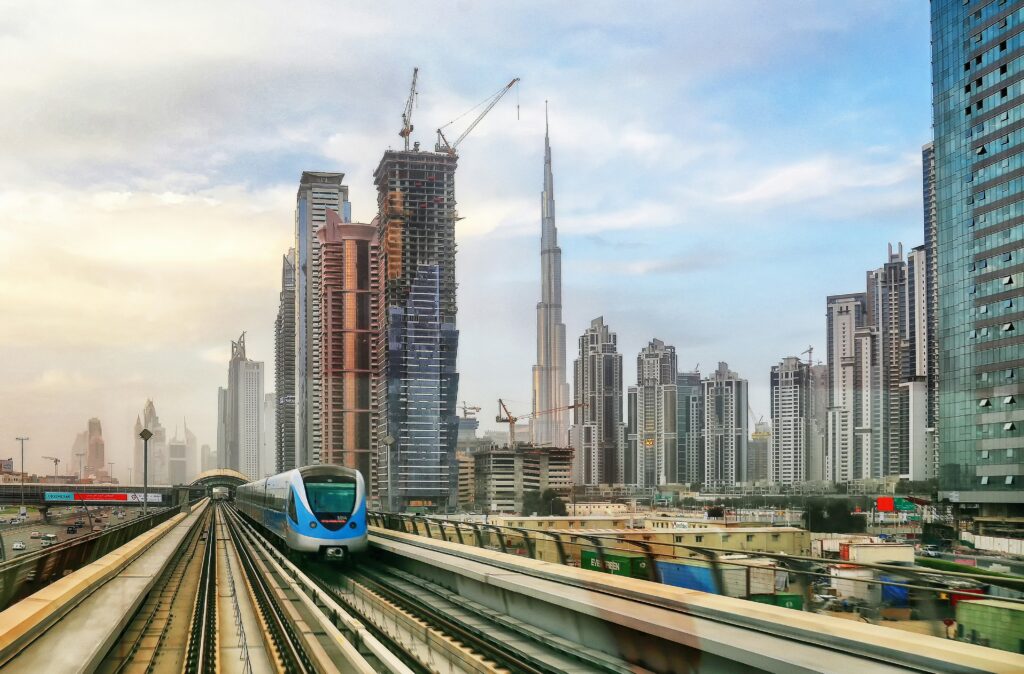
Everything you’ve heard about getting around Dubai is true. Only pockets of the city are walkable, taxis are expensive, and gone are the days when traffic only clogged up major roads at rush hour. Your best bet, therefore, is to take the metro.
It’s clean, safe, air-conditioned, and straightforward, made easier to navigate thanks to RTA’s journey planner.
Opt for the disposable Red Ticket if you’re only in town for a couple of days — it starts at a bargain AED 2 and is rechargeable for up to ten journeys or five daily passes. Still, downloading ride-hailing apps like Careem or Uber comes highly recommended. The Dubai Metro, while efficient, is not a door-to-door service.
What to Wear and Pack
Not too long back, a particularly revealing outfit spotted at Dubai Mall reignited the debate around what’s acceptable and where, especially with visitors increasingly blurring the lines between what they wear to the beach and public spaces like parks and malls.
And while dress codes are not actively enforced across the city, it’s best to exhibit respect for local culture by following the basic guidelines on modesty — covered shoulders and knees at the very least.
Bear in mind that sacred sites like Jumeirah Mosque, where tours are also run by SMCCU, call for proper attire. Here, loose clothing that fully covers the arms and legs is essential. Women are also asked to put on a scarf upon entering.
That same loose clothing – along with sunglasses and a high SPF – will come in handy when you’re browsing souks or sandboarding down the dunes, as afternoons in Dubai are almost always bright and sunny. Planning a trip in winter? Add a light jacket to your packing list as desert nights can get surprisingly cold, regardless of daytime temperatures.
Where to Stay in Dubai For Your 2-Day Itinerary
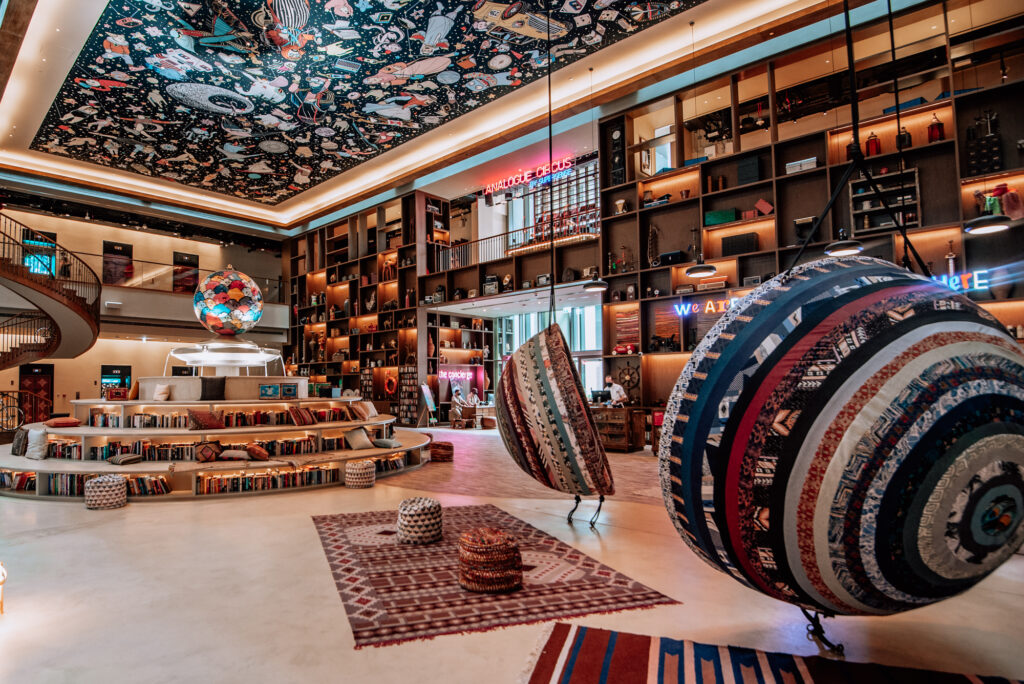
Whether they’re piercing the sky, nestled in the desert, or perched on a man-made island, the hotels of Dubai set the standard when it comes to hospitality, spanning the spectrum from quiet luxury to outright extravagance. And with boutique-style properties joining the line-up in recent years, accommodation options are vast and varied.
With the city’s population expected to reach four million by the end of 2025, however, traffic congestion should be a factor in where you base yourself, regardless of when you visit.
A Design Forward Stay Meets Bedouin Traditions
For easy access to the modern marvels of Palm Jumeirah and the storied landmarks along Dubai Creek, book a hotel in centrally located areas like DIFC, Downtown Dubai, or Business Bay — all well-connected to the Dubai Metro’s Red Line.
25hours Hotel One Central is still a personal favourite, despite the onslaught of swanky newcomers in the vicinity (Vida Dubai Mall and SIRO One Za’abeel included).
Occupying prime real estate off Sheikh Zayed Road, this design-forward property is fiercely local in its inspiration. You’ll get a taste as you ride any one of the lifts, peering into the intricately built dioramas that feature details such as dallahs, camels, and wind towers.
And then comes the sheer contrast between scanning those miniatures and reaching the hotel’s rooftop terrace. The striking Museum of the Future feels within arm’s reach from this vantage point.
A Hidden Gem in Al Fahidi Historical Neighbourhood
For first-timers craving a stay rooted in heritage, XVA Art Hotel is a top choice — what it lacks in convenience, it makes up for in charm. Hidden within the winding alleys of Al Fahidi Historical Neighbourhood, it houses 15 unique rooms themed around cultural motifs.
But it’s the artsy public spaces, adorned with bougainvillea and contemporary works by emerging and established artists from across the region, where you’ll want to unwind.
XVA Café, for example, resides in one of XVA’s three tree-shaded courtyards and serves a simple mint lemonade that has quietly managed to achieve cult status in the city of excess.