

Ahh the age-old Indonesia travel decision – do I go to Bali (possibly again) or do I go to neighbouring Lombok, which has long been heralded as the ‘next Bali’? It’s a quandary that’s frozen even the most seasoned traveller in their tracks, simply because both islands have their merits.
They’re both beautiful destinations that combine pristine coastlines, towering volcanoes, tropical climates, rich cultures, plummeting waterfalls, thrilling surf breaks, and warm, welcoming locals. However, the two popular islands have their distinctions, and therein – possibly – lies the answer to your question.
We dive into the challenging conundrum of choosing Bali vs Lombok, highlighting each island’s attributes, identifying the top locales to visit, and concluding who we think each paradise is best suited for.
Bali vs Lombok at a Glance
Of course, given how easy it is to reach Lombok from Bali, if you have the time you should definitely explore both islands, Bali for its unique culture, acclaimed zen vibe, and world-class party scene, and then Lombok for its chilled-out beaches, unhurried ambiance, and breathtaking natural landscapes.
| Bali | Lombok |
|---|---|
| Rich ancient Hindu culture | Authentic Indigenous Sasak culture |
| Famous for luxury resorts and diverse accommodation options | Rising in popularity with unique boutique and luxury hotels (and glamping) |
| World-renowned surf culture and beaches | Peaceful, less-crowded, pristine beaches |
| World-class beach clubs and nightlife | Tranquil wellness retreats and nature escapes |
| Easily accessible by air | Easily accessible from Bali, with fewer crowds |
| Established tourism hub with year-round activity | Emerging destination for more ‘off-the-beaten-path’ travelers |
While the two islands are a very short flight (or even a reasonable ferry ride) apart, they offer two unique takes on the Indonesian adventure, one that you’ll share with tourist throngs (depending on the time of year) and the other you’ll have much to yourself (although that’s also changing).
The Vibes: Bali’s Buzz vs Lombok’s Tranquility
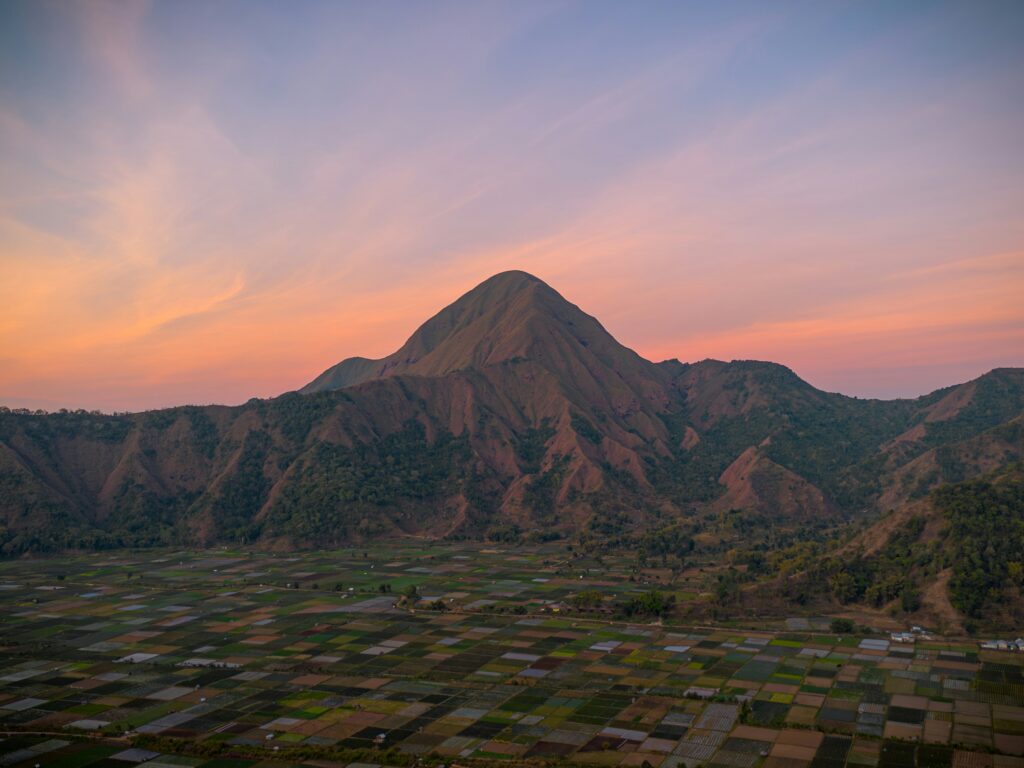
While yogis, wellness seekers, history buffs, and dancefloor divas will love Bali for its celebrity status, Lombok will appeal to travellers looking to explore off (but not too far off) the beaten path.
Bali
Indonesia’s very own Island of the Gods appeals to culture creatures and spirituality seekers as well as party animals, vegan foodies, and increasingly digital nomads and remote workers thanks to ever-improving infrastructure and a strong community of like-minded souls. You can be as busy or as relaxed as you like in Bali, and that’s a big part of its beauty.
Lombok
More like Bali past, Lombok prides itself on being quieter and offering a slower pace of life, attracting tourists looking for uncrowded beaches and tranquility, avid divers set on visiting the Gili Islands (off Lombok’s west coast), nature lovers who don’t want to share every waterfall and mountain peak with the selfie-taking masses, and regular Bali visitors looking for bucolic new horizons without the traffic jams.
The Verdict
You’ll want to choose Bali if you’re looking for a truly unique cultural encounter, a dynamic, world-class party scene, awesome surf beaches, and a rich spirituality but do so knowing that you’ll be sharing the island with travellers from across the globe.
Alternatively, you’ll choose Lombok for the slower, more intimate ambiance, less crowds, more pristine nature, and more affordable tourism options that make the island appealing to those who have explored Bali before and are looking for something new.
Beaches: Bali’s Iconic Shores vs Lombok’s Untouched Coastlines
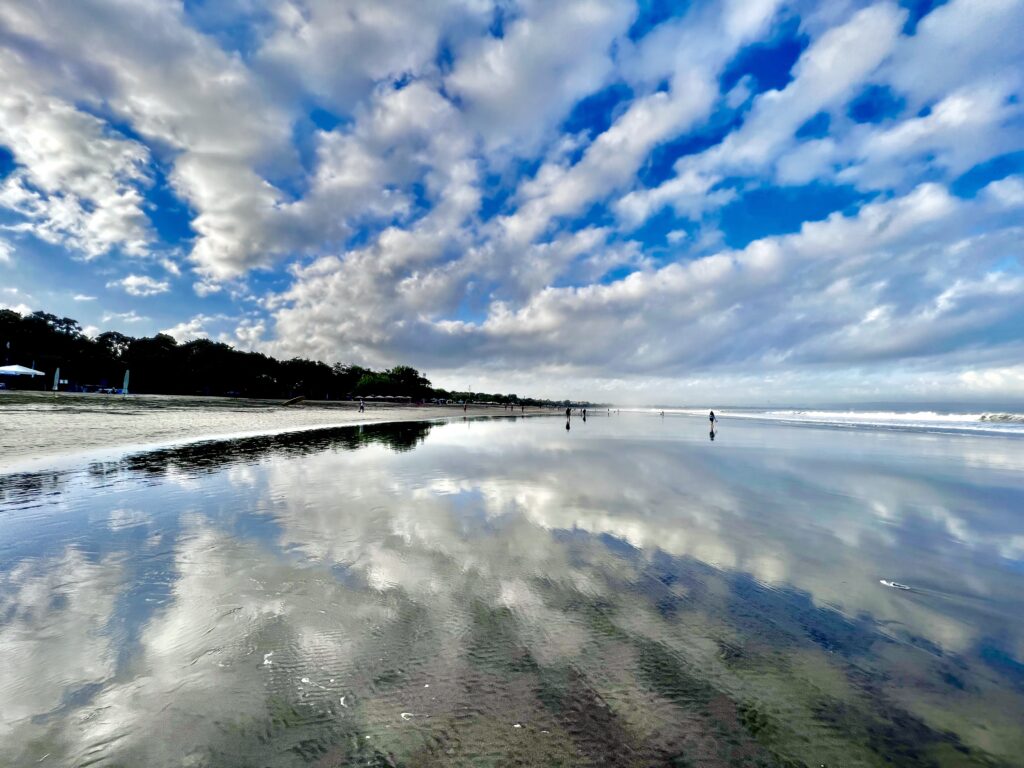
While both islands have great coastlines, warm weather, and acclaimed surf breaks, Bali and Lombok offer beachgoers a distinctly different experience.
Bali
There’s little doubt that Bali’s white sand beaches are world-famous, and for good reason.
From Nusa Dua’s manicured, family-friendly coastal enclaves and Seminyak and Kuta’s glorious sunsets to the rugged black sand beauty of Karangasem and the intimate coves and barrelling breaks of Uluwatu, Bali’s beaches capture the essence of the island to a tee.
That said, Bali’s beaches can sometimes come as a rude surprise to visitors, thanks to ocean trash (especially during the rainy season, when plastic waste is washed down rivers and canals to the sea).
Lombok
More natural, raw, and untamed, Lombok’s beaches are especially popular with the surfing tribes who flock to the south coast for seasonal breaks at the likes of Kuta (yes, Lombok has one too!) and challenging Desert Point.
Framed by verdant headlands (rather than beach clubs), Lombok’s white sand beaches are one of the island’s best features and welcome surfers of all skill levels. Also, not all Lombok beaches feature surf breaks – in fact many, including Selong Belanak Beach and Pink Beach in the east, are also great for snorkelling, appealing to couples and families looking for fun under the sun.
Of course, then you also have the adjacent Gili Islands, which boast pristine coastlines and world-class diving and snorkelling.
The Verdict
If you like to strut your stuff for Instagram, pair your sunset with DJ sets, and lounge on the sand with the beautiful people, you can’t go past Bali’s best beaches, from Padang Padang and Melasti to Double Six.
However, if you’re looking for an untouched coastline, awesome barrel breaks, and fewer crowds, Lombok’s southern coast is an enticing proposition.
Things to Do: Bali’s All-Encompassing Adventures vs Lombok’s Natural Escapes
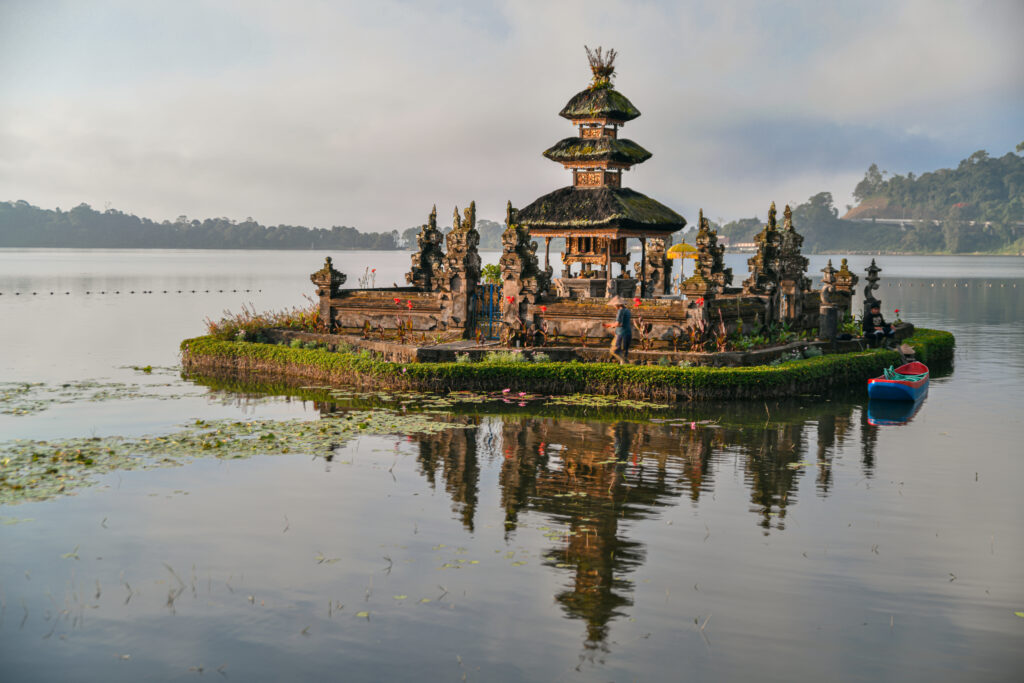
Whether you’re looking for spirituality or the chance to get your heart thumping, Bali and Lombok offer a wealth of activities, many of which are unique to each destination.
Bali
While Bali has its natural wonders, including stunning coastlines, marine parks, rice paddies, and volcanoes, what really draws travellers to this Indian Ocean haven is its unique culture, infused by its 5,000-year-old Hindu faith.
This makes Bali a cultural destination unlike any other, one where you can enjoy an authentic water purification ceremony and watch religious processions through villages little changed in centuries.
Bali is also an acclaimed wellness destination, with everything from signature massages to contemporary holistic rituals on hand to help align chakras and restore spirits. That said, Bali also has a reputation as an international destination for its party scene, thanks to its world-class beach and pool clubs, attracting groovers and international DJs from across the globe.
In Bali, it’s possible to climb a volcano in the morning, take to the surf in the afternoon, and then groove the night away.
Lombok
Quieter and unassuming, Lombok is a destination that’s all about taking time out, to commune with nature, to enjoy some inward reflection, and to breathe.
It’s already a popular destination for adventure lovers, one where you can dive with manta rays and turtles, snorkel over coral reefs, hike towering volcanoes like Mount Rinjani, navigate rushing rivers on white water rafting safaris and carve up surf breaks.
If you do want culture, there are even traditional village tours to learn more about the Sasak people, close relatives of the Balinese who are predominantly Muslim.
The Verdict
Enjoying their similarities while embracing their distinctions, Bali and Lombok offer travellers a great cross-section of activities, from culture to nature.
If you’re looking to delve into a rich cultural tapestry, contort your body at a yoga studio, and visit time-weathered temples like Tanah Lot before hitting the dancefloor at sunset, then Bali is definitely for you.
However, if you’re keener to delve into the jungle, surf secluded beaches, trek mountain peaks, and soak up the serenity without the crowds, traffic, and tourist throngs, natural, wholesome Lombok just might be the bucolic locale you’ve been dreaming of.
Food Scene: Bali’s International Fare vs Lombok’s Local Flavors
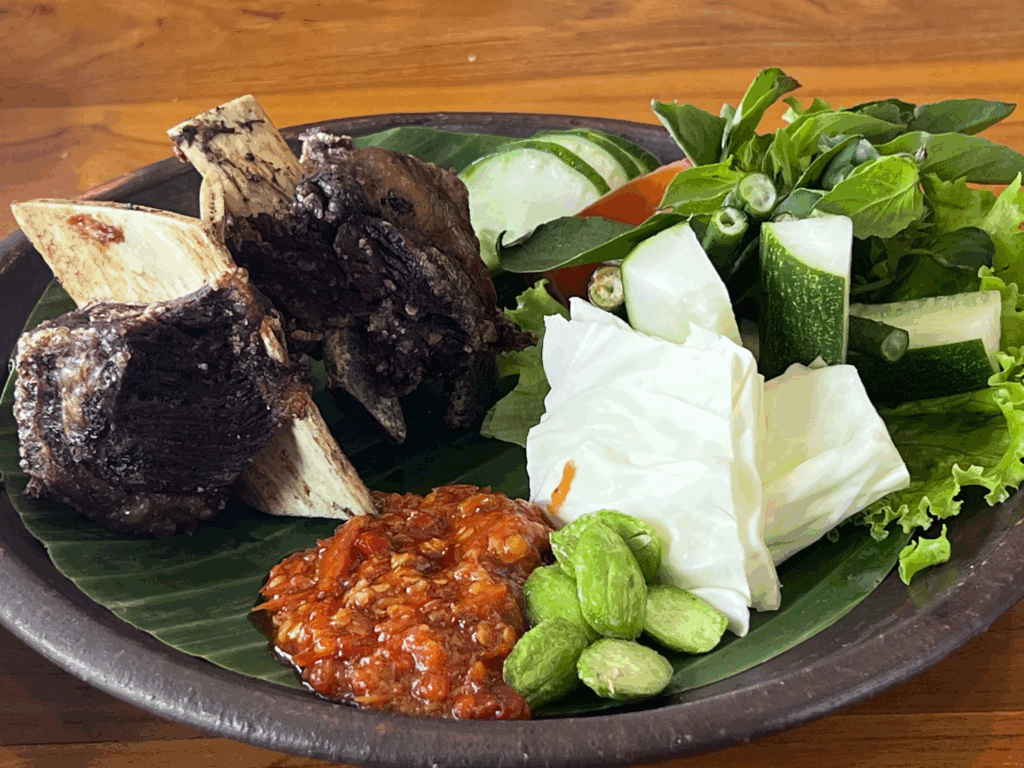
From welcoming warungs (local restaurants) to fine dining, Bali and Lombok offer vastly different culinary foodscapes.
Bali
Beyond its beaches and temples, Bali has forged a real name for itself on the global culinary scene, with innovative restaurant concepts and a host of influential chefs descending on the island to tap into its inherent creativity.
You’ll find everything from Balinese classics – including Babi Guling (suckling pig), Sate Lilit, made with fish or chicken and fragrant coconut and lemongrass; Nasi Campur, the crowd-pleasing combo plate; and Lawar, a ceremonial dish of minced pork with spiced turmeric, coconut, and chili – to multi-course degustation menus and chef-driven omakase counters.
You’ll also find a huge cross-section of cuisines in Bali, reflecting the multi-cultural nature of the island, from Ukrainian and Georgian to Tanzanian, Caribbean, Mexican, and everything in between.
If you head to Ubud you’ll also find some of the premier plant-based and vegan restaurants in Indonesia, each a temple to wholesome living.
Lombok
As you might imagine, Lombok, with fewer tourists, has less of an international spread when it comes to dining, although that is slowly changing.
Local classics include Beberuk Terong, a Sasak salad of diced eggplant, tomatoes, and long beans drenched in chili, lime, and shrimp paste; Plecing Kangkung, blanched water spinach (otherwise known as ‘morning glory’) with peanuts, chili, and balachan; and Nasi Balap Puyung, crispy eel, shredded chicken and soybeans on rice, a warung favourite.
Dining in Lombok is decidedly more casual unless you’re visiting one of the island’s few luxury resorts.
The Verdict
Like their respective hospitality scenes, Bali and Lombok offer very different dining experiences.
Expect a far more international-leaning dining encounter in Bali, one that’s at the regional forefront in terms of innovation and creativity, while Lombok offers a touch of local magic, with its own distinctive take on classic Indonesian dishes.
Nightlife & Social Scene: Bali’s Eclectic Party Scene vs Lombok’s Relaxed Vibes
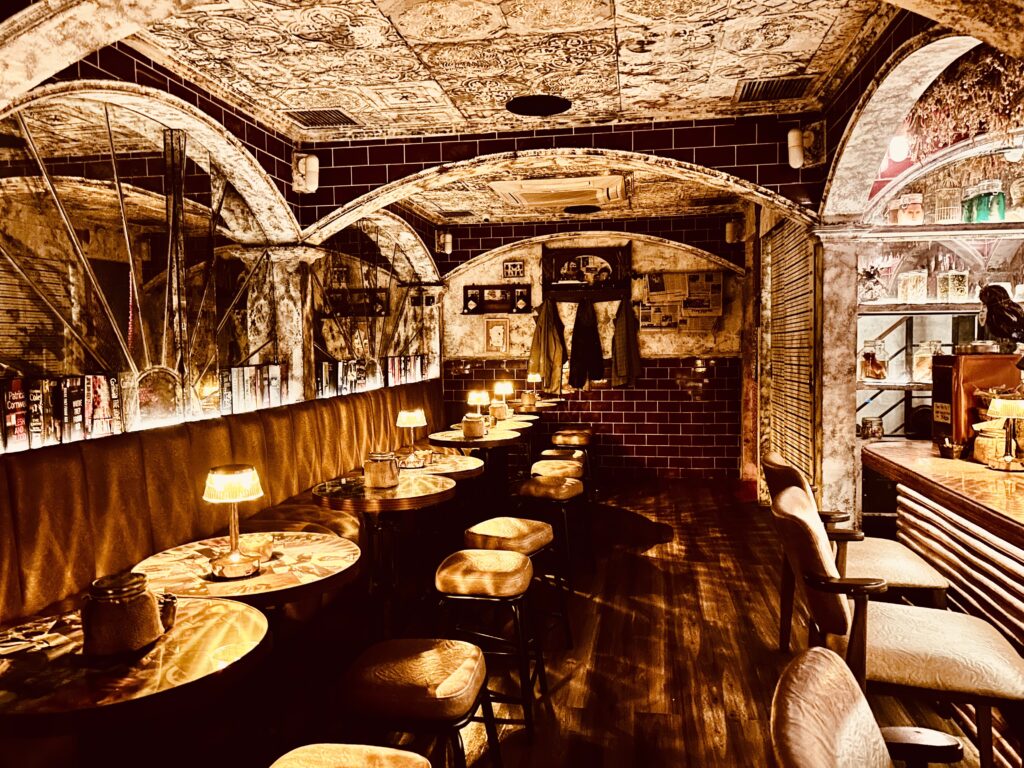
Whether you’re a self-confessed party animal or prefer rubbing shoulders with the locals over some live music, Bali and Lombok offer contrasting nightlife experiences.
Bali
Bali’s nightlife scene can best be described as vibrant and diverse. Every other restaurant and bar in Kuta, Legian, and Seminyak has live music at least a few nights a week, while the big beach and pool clubs attract international acts from across the world.
You’ll also find great nightclubs that not only attract foreign travellers but also more than their fair share of affluent Indonesians who dip into Bali for a weekend of hedonism on the dancefloor at the likes of Savaya, La Favela, Iron Fairies, and Shi Shi.
There’s a beat for every traveller, from massive dance parties under the stars in Uluwatu to elegant jazz bars in Nusa Dua, to local Indie rock at the beach bars of Seminyak, and even traditional performances in Ubud that offer a different pace to the night.
Lombok
Lombok’s nightlife scene is more Endless Summer than Spring Break – think local bands clashing over the chords at the pubs of Gili Trawangan (‘Gili T’), and local DJs spinning themselves into a sweat at Senggigi’s hottest spots.
That said, things are slowly changing and the many new restaurants and bars that have opened in the south, especially around Kuta Beach to cater to increased levels of expat residents (and the crowds that descend during the annual MotoGP races) offer an enhanced night out, with great happy hour deals paired with local rock acts and even some DJs that have been tempted over from the spotlights of Bali.
Verdict
While Bali is world-famous for its nightlife, and rightly so, no one’s ever been accused of going to Lombok “for the party scene.”
Here, the two Indonesian islands really offer a very different vibe, one that’s high-energy and international, and the other that’s local-embracing and as chilled as the Bintang beers.
Wellness & Retreats: Bali’s Yoga Retreats vs Lombok’s Nature-Focused Havens
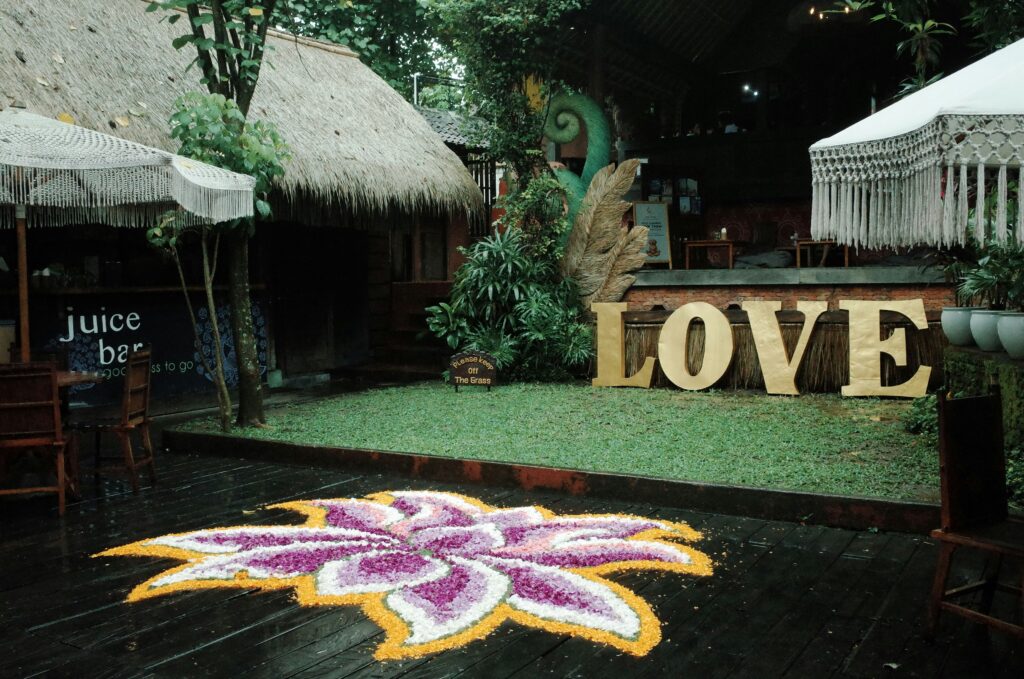
If you’re looking for a simple massage, a touch of reflexology, or a multi-hour trip to holistic heaven, you’ll find great options in both Bali and Lombok.
Bali
While wellness is an aspect of Indonesian culture and is offered across the archipelago, Bali is still regularly named among the world’s leading wellness destinations, in part because of the unique Hindu culture, and in part because that’s what zen-seeking tourists sought when they first started arriving in the 1930s.
Offering a truly global take on wellness, in Bali you’ll find everything from signature Balinese massages (available at little day spas on every corner and perfect for those who have just arrived on an international flight) through to multi-day yoga, meditation, and meaningfulness retreats at dedicated holistic resorts.
Ubud remains the traditional hub for wellness in Bali but you’ll also find a contemporary take – including detox and longevity clinics – in Canggu, Seminyak, Nusa Dua, and Uluwatu, with Bali’s resorts hosting some of the region’s most indulgent spas.
You’ll also find boutique wellness resorts in Amed, Bedugal, and Tabanan, where it’s easier to switch off and find yourself without the temptation of Bali’s top beach clubs.
Lombok
Lombok is a few steps behind Bali on the road to wellness but it’s making progress. With the influx of new resorts, expats, and investment comes new day spas, with more and more therapists being seduced over from Bali to help Lombok claim its own spa status.
As Lombok is majority Muslim, its approach to wellness tends to be more conservative, with traditional massages offered across the island (usually with clothing on) and selected beautiful treatments available.
However, Lombok is great for those seeking mindfulness, with healthy restaurants, great hiking trails, and the chance to commune with nature at new yoga and meditation retreats.
The Verdict
Like the nightlife scene, Bali is a clear winner when it comes to wellness credentials but that might change in the coming years as Lombok welcomes new resorts and retreats catering to contemporary travellers for whom wellness and mindfulness are major parts of their travel experience.
Where to Stay: Bali’s Luxury Resorts vs Lombok’s Nature Hideaways
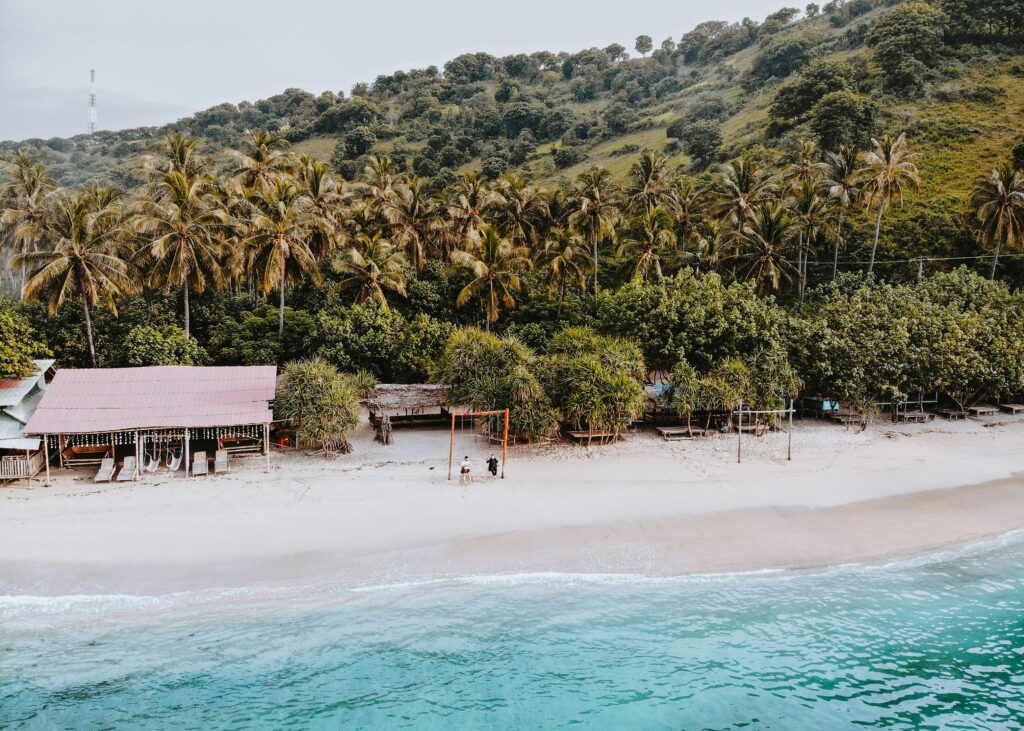
From treehouses in the jungle to luxury resorts with infinity pools, both Bali and Lombok offer an accommodation option for every sense and budget.
Bali
When it comes to accommodation options and best areas to stay in Bali, you’re nothing if not spoiled for choice. You’ll find everything from major brands like St. Regis, Four Seasons, Ritz-Carlton, Ayana, and Bulgari, through to small independent properties like Abisena Ubud and Oshom, each of which captures a sense of place.
If you like big resorts, lots of activities and dining options, and a beach steps away from the breakfast buffet, you can’t go past Sanur, Nusa Dua, and Seminyak, all of which are home to major five-star hotels like the Kempinski, Alila, and Legian.
If you head up to Ubud you’ll find serene resorts perched on the banks of the Agung River, with the likes of Capella Ubud, Cicada, Mandapa, and Anantara all tapping into Ubud’s inherent tranquility. You’ll also find everything from villas crafted entirely in bamboo, sunken green-driven earth ships made from recycled truck tires, and great glamping camps perched above rivers or sea cliffs, perfect for those with romance in mind.
You’ll also find wallet-friendly options along the north coast, dive-centric retreats in Amed, yoga and wellness enclaves in Ubud, trendy, design-driven villa estates in Tabanan and Gianyar, and great pool villa hotels in the heart of Kuta and Seminyak that offer proximity to dining, shopping and the beach.
Lombok
While Lombok can count the number of five-star resorts it has on one hand, what it has made a name for itself with is its nature retreats, which capitalise on the island’s natural splendor.
While the scene has been led by great retreats like Jeeva Klui, nestled on Klui Beach with its 35 opulent suites; The Oberoi Beach Resort, which features an 18-hole golf course; and Selong Selo Resort & Residences, which offers 38 modernist villas, newcomers are shaking things up.
The Sira, sister property to Seminyak’s The Legian, is the new luxury poster boy on the island and has been joined by design-driven and undeniably sexy havens like Somewhere Lombok, SENJA Sanctuary, Divino on Gilli Air, and Innit Lombok.
Also, you can’t go past a little glamping at Dejama on the south coast.
The Verdict
If you like your accommodation defined by inspired cocktails, luxury afternoon tea, and proximity to a paddle court, then Bali’s well-established ranks of luxury resorts are for you.
However, if disappearing off the grid, communing with nature, and being as good to your wallet as you are to your soul are more important, Lombok is making ground quickly.
Ease of Getting Around: Bali’s Hectic Roads vs Lombok’s Calmer Paths
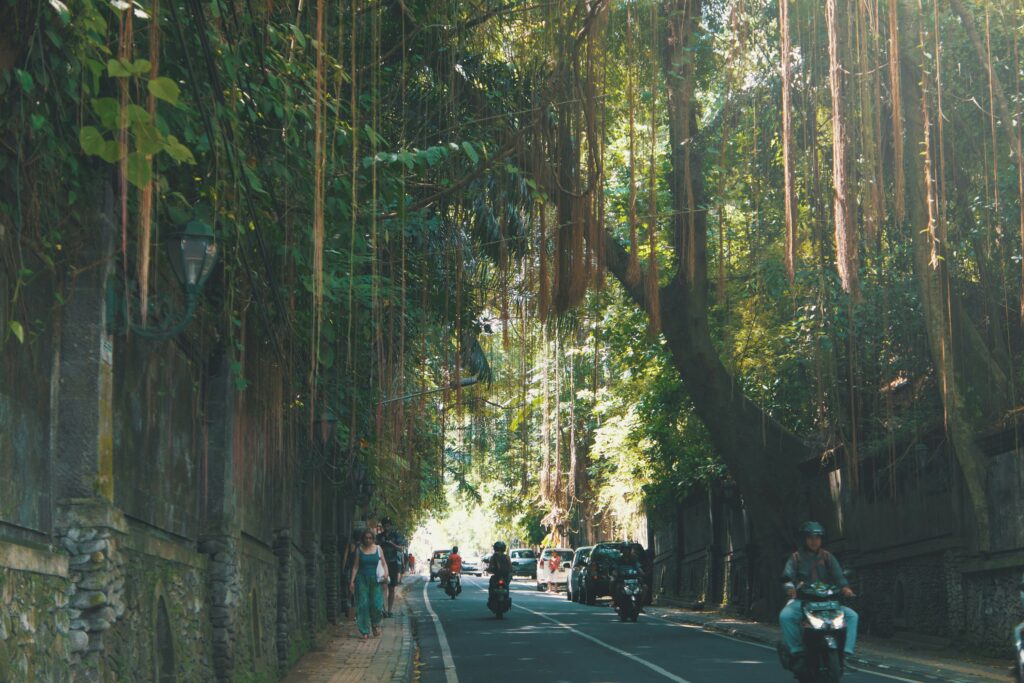
Like any island in Indonesia, getting around sometimes requires a little effort and agility.
Bali
While it’s getting easier to get around Bali (although public transport is still almost non-existent) thanks to the proliferation of ride-hailing apps Grab and Gojek, the island has become quite famous for its traffic, which can range from steady to grid-locked depending on where you’re driving and the season.
During the rainy season, it can get especially bad as flooding hampers the flow, while public holidays see thousands of domestic travellers descend on the island, adding to the chaos on the roads.
You can make life easier for yourself by hiring a private driver, especially if you have an itinerary of destinations mapped out or if you’re visiting destinations with fewer ride-hailing drivers, like Kintamani and Lovina.
Of course, while there are some spots that can be navigated on foot, including Kuta, Canggu, and parts of Seminyak, hiring a scooter is the most cost-effective and efficient way to get around.
However, be sure to bring your international licence, double check your travel insurance covers you on two wheels, and wear a helmet!
Lombok
Lombok is easily accessible from Bali by a short 30 to 40-minute flight, fast boat (1.5 hours), or ferry (5 hours) across the Lombok Strait.
While Lombok is far less congested than Bali, it’s also home to far fewer Grab and Gojek drivers, meaning you’ll need to rely on a private driver or your own scooter driving skills.
That said, private drivers in Lombok tend to be more affordable than in Bali (just be sure you’re all clear on the cost and the duration before you embark), and with quieter roads, you can explore by scooter with less risk of being snarled up in traffic or having an accident. There’s little in the way of public transport.
The Verdict
Lombok rewards the independent traveller who doesn’t mind exploring by scooter or hiring their own private driver, while Bali offers more flexibility but an increased chance of spending hours in traffic.
Best Time to Visit: Bali’s Peak Season vs Lombok’s Quietude
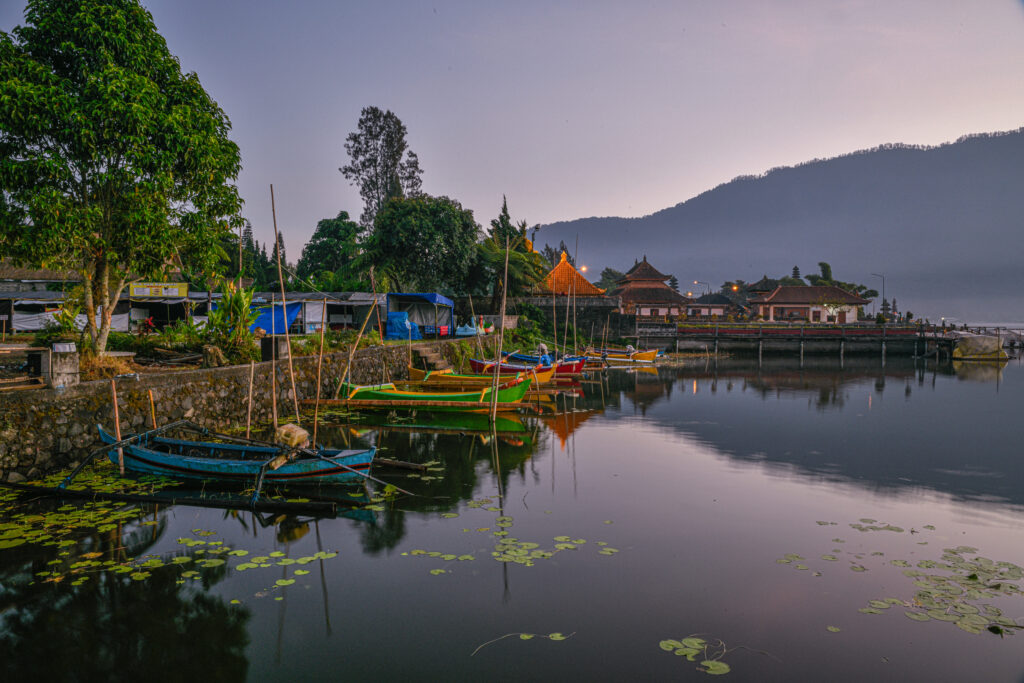
Choosing when you visit Bali or Lombok can make or break your visit thanks to their global appeal, traumatic seasonal shifts, and local celebrations.
✈️ Jetsetter Travel Tip: While Lombok is fantastic spot to spend a night or two, you can still incorporate it into your Bali itinerary as an extended day trip. Here are 35+ of our other favorite day trips from Ubud to spur that wanderlust.
Bali
A year-round playground, there are certainly better times to visit Bali and times to avoid (if you can).
The first factor is the season; Bali has a dry season, which runs from April to October, during which days are generally hot and blue and pretty perfect, and a wet season, which runs from November to March, during which you can expect an hour or two of rain daily (and sometimes a LOT more).
While the dry season can be as hot as an oven, it’s one of the best times to visit Bali as your itinerary will be least affected by the weather. However, many of the island’s tourism peaks occur during the balmy wet season, during which days are cooler (and the waterfalls flow) but flooding and occasional storms do occur.
Another factor to consider is international holidays, especially those in Australia and New Zealand, as well as domestic holidays in Indonesia, which can impact hotel prices and availability. The shoulder seasons in Bali are in March and November, with Christmas, New Year’s, and January in general very high seasons.
Late June is also a peak period thanks to winter holidays in Australia, while Nyepi, Bali’s Day of Silence, is best avoided by tourists who don’t want to lose a day twiddling their thumbs in their resort. Indonesia’s Independence Day (August 17) is another to avoid, as is the annual Eid celebration and Chinese New Year.
Avid surfers will be rewarded most when they visit the south and west-facing coast of the Bukit Peninsula between April and October, with June to August delivering the largest swells.
Lombok
While Lombok tends to be drier than Bali (something you’ll see as you travel to east Lombok), the island still has its high peaks and low seasons.
The April to October dry season still offers that toasty tropical ambience that many travellers to Indonesia experience, with daytime temperatures ranging from 27–32°C and low humidity making it a popular time to trek Mount Rinjani or explore waterfalls like Tiu Kelep.
During that season, June to August offers the best conditions to go snorkelling, especially in the Gili Islands, while the wet season, which runs from November to March, is best known for its daily showers and higher humidity.
While Lombok doesn’t experience the tourism surges of Bali, it remains a very popular destination with domestic travellers – especially during June to August and December to January, Eid, the annual celebration at the end of Ramadan (mid-March), and Bali’s Nyepi (same time), when many escape the Island of the Gods and its mandatory shut down.
It’s also popular with regional tourists looking for an affordable escape. The low seasons (February to early March and October to November) are great times to explore the island but avoid the annual MotoGP track days in early October, when accommodation across the island sells out.
The Verdict
Whether you’re headed to Bali or to Lombok, it’s important that you time your visit to ensure you’re not overpaying for a hotel room or enduring a cultural lockdown at your hotel.
Bali vs Lombok For First-Timers: Which is Right For You?
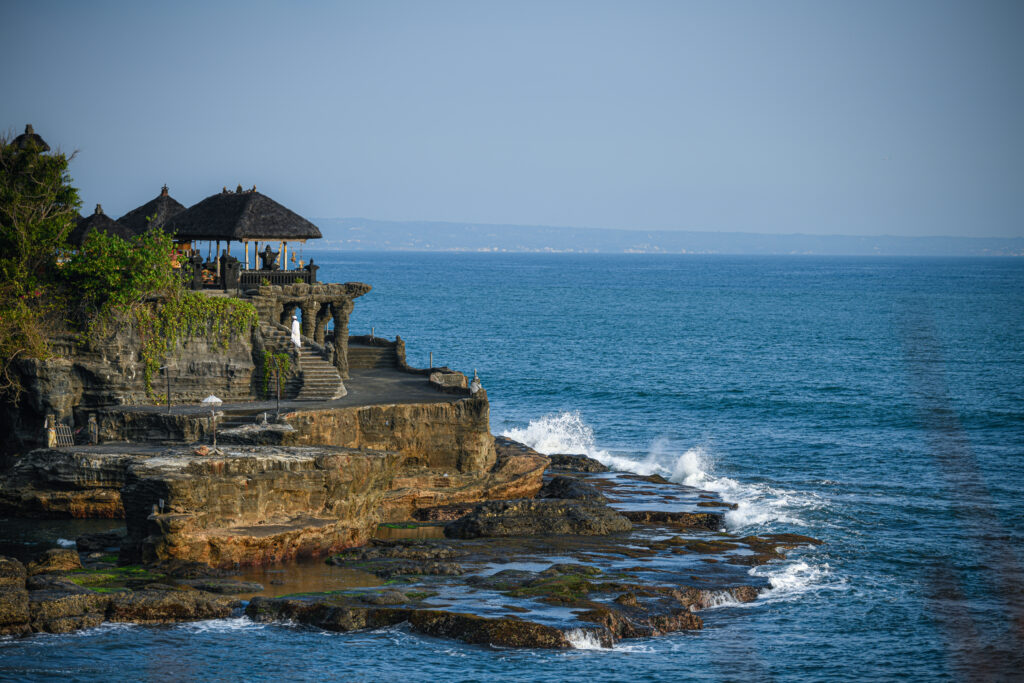
Bali is a destination unlike any other and needs to be experienced at least once, but Lombok is a great alternative for those who are ready to explore further afield.
Bali
I would personally recommend Bali for first-timers because of a number of reasons.
There really isn’t anywhere like Bali and while the traffic and crowds can be a bit much sometimes, the island’s infectious optimism, its rich cultural heritage (and cultural experiences), its spectacular natural landscapes, its brilliant dining scene, its world-class surf breaks, and its unforgettable beach and pool clubs are pretty hard to say no to.
With decent infrastructure, plenty of hotel and resort options, and a tourism legacy a century old, Bali offers convenience, variety, and affordability, making it a great destination for Indonesia newbies.
Lombok
I’d suggest Lombok for those who have been to Bali a bunch of times and are looking to explore rather than sit by the pool and take selfies.
Ideally suited for nature and adventure lovers, Lombok has an untouched, pristine ambience that makes it a great destination for more experienced Indonesia visitors, while its relative affordability means you can stay and explore longer.
The Verdict
Everyone planning a trip to Southeast Asia should visit Bali at least once. If you’re looking to party the night away, surf until you drop, and join the crowds at the beach, Bali is for you.
However, Lombok will appeal to travellers looking to relax, slow down and spend a little longer.