

When planning a trip to Bangkok, you’ll want to consider several factors, like how many temples one can fit into a day, where to book the best rooftop experiences and most importantly, when the best time is to visit this exciting city.
Bangkok appeals to visitors year-round with its ceaseless energy and countless attractions, but the city is known for its three main weather seasons: the cool season (November to February), the hot season (March to May), and the rainy season (June to October).
If there’s one season that’s ideal for visiting Bangkok, it’s the cool season. During these months, humidity is lower, temperatures typically stay below 30°C, and you might even enjoy refreshing spells in the low 20s. This makes outdoor sightseeing far more enjoyable. However, be aware that this is also peak tourist season, so expect higher hotel prices, larger crowds, and sold-out tours.
Your ideal time to visit Bangkok can depend on your interests. If you’re keen on shopping or exploring museums, these activities can be enjoyed year-round. For a truly unique experience, don’t miss the Songkran festival in April, also known as the hottest time of the year, where you can join in on the world’s largest water fight and celebrate the Thai New Year.
Let this guide help you build your itinerary by understanding the city’s weather patterns and selecting the best time to visit Bangkok.
Bangkok’s Climate and Seasonal Overview

Bangkok is known for its three seasons: the hot, the rainy and the cool. However, many locals would simply describe it as hot or insanely hot. Regardless of the season, each time of year offers unique experiences for travelers, ensuring there is always something to enjoy.
From traditional festivals to spicy street food and cultural adventures, you’ll find plenty to keep you busy no matter when you decide to visit.
Cool Season (Nov–Feb)
Bangkok’s most enjoyable weather occurs between November and February, marking the city’s high season for tourists. Although temperatures rarely dip below 25°C, the humidity is at its lowest and rain is virtually nonexistent.
If you’re fortunate enough, you might even experience an unusual day at 21°C, prompting locals and long-term expats to wrap themselves up in scarves and sweaters.
With the influx of visitors, hotel, flight, and tour prices tend to rise, making (advance) booking essential to avoid overly high pricing. Expect longer lines at popular attractions like the Grand Palace. There are longer and larger crowds in Chinatown, contributing to the busy atmosphere of the city.
Adding to the excitement of the high season, numerous festivals take place, including Loy Krathong, known as the festival of water and the Chinese New Year in February.
Hot Season (Mar–May)
March through April marks the official Thai Summer and the height of Bangkok’s hottest season. During this time, temperatures often soar above 40°C, and the humidity can make it challenging to spend more than an hour outdoors. While the crowds are thinner and prices tend to be more reasonable, it’s essential to be aware of the heat waves and prioritize staying cool.
Despite the sweltering temperatures, this period offers unique experiences in Bangkok. With most schools on break, the city somehow feels quieter and more relaxed. One of the highlights is the Thai New Year celebrations, known as Songkran, which transform the city into a massive water fight for three days. Whether you find yourself getting sprayed by water guns or doused with buckets of ice-cold water, it’s all part of the Songkran fun and a great way to cool down on a hot day.
For those eager to explore, the smaller crowds present a great opportunity for sightseeing. Just remember to take frequent breaks in the shade and stay hydrated. River or bus tours can be perfect choices during this time, allowing you to enjoy the sights while staying out of the sun.
Rainy Season (Jun–Oct)
Bangkok’s off-season usually begins in June with a semi-wet climate, but the monsoon season officially kicks off around September. Expect daily showers that can sometimes feel like clockwork and can literally put a damper on certain plans. While temperatures drop slightly from the hot season, the humidity increases, making it clear when rain is on the way.
The off-season coincides with the European summer and many visitors don’t let the rain showers deter them from traveling. This is a great time of year to score good hotel deals, find cheaper domestic flights and enjoy the city without the usual crowds.
However, keep a few things in mind if booking during this time. During heavy rainfall, the Chao Phraya River can become choppy and tends to overflow, so it’s best to avoid any river cruises on particularly rainy days. Be sure to pack an umbrella, a rain jacket or cover and if at all possible, some extra flip flops, as the streets are notorious for flooding.
Weather Factors to Note
The air quality in Bangkok is not always at its best, but if you are overly sensitive to heavy pollution, it is best to avoid visiting in February and March when there is a lot of agricultural burning in the north. If your trip is unavoidable, consider bringing along a mask that can block pollutants.
Due to the high humidity, many locals carry pocket-sized fans, which are perfect for everyday use, especially on those extra hot days.
Just beyond the mall corridors, streets brim with pop-up stalls and vendors selling everything from quirky phone cases to local snacks, while Jardine’s Crescent Street Market remains a go-to for affordable fashion and accessories.
✈️ Jetsetter Tip: Pop into any 7-Eleven and check their fridge or freezer section for disposable cooling towels, an effective and affordable way to stay cool.
Best Time to Visit Bangkok Based on Travel Goals
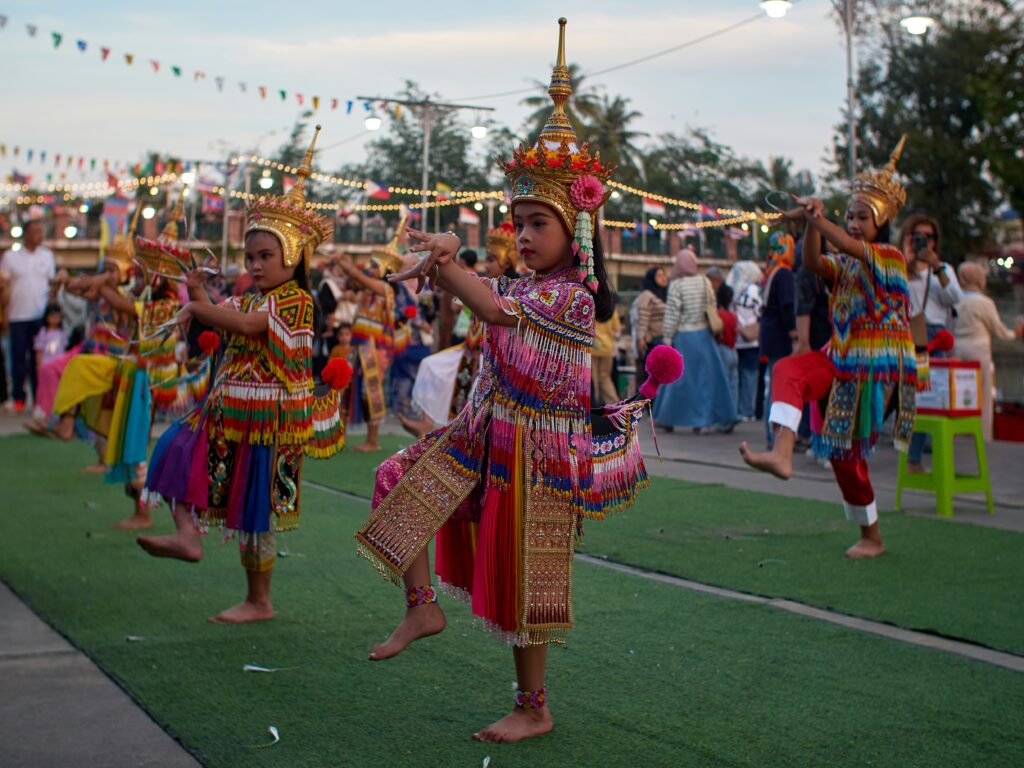
Are you a first-time visitor to Bangkok, wondering how the weather might impact your plans? Don’t worry, the City of Angels has a wealth of experiences waiting for you, no matter the time of year.
From exploring glittering temples and enjoying breathtaking rooftop views to indulging in the ultimate Thai massage, you can tailor your Bangkok itinerary to suit your travel goals around your time.
Culture and Festivals
No matter when you visit Bangkok, you’re sure to immerse yourself in the rich culture of this vast historical city and experience at least one exciting festival. The celebrations start early in the year, and there are always stunning temples to visit year-round.
For those looking to dig deep into Bangkok’s cultural offerings, the ideal time to visit is during the cool season from November to February, which coincides with the city’s high season. While it is still warm, this period provides the most pleasant weather for touring the Grand Palace, visiting Wat Arun, or exploring the chaotic nightlife of Chinatown.
Looking for a traditional festival to attend? One of the biggest and most unique is Songkran, the official Thai New Year celebration in April. Every year, the city gears up for one of the largest water fights in the world, happening over a span of three days. There is ancient significance to the festival, where the water is meant to wash away past misfortunes and purify. Today, revelers armed with water guns, hoses, and buckets splash each other in a fun way and it’s also a great way to beat the heat.
Another major celebration is the Chinese New Year in February, when the city comes alive with tradition and attracts many visitors. There’s no better place to experience it than Chinatown, where celebrations come to life with dragon and lion dances, beautifully decorated streets, tons of food and pops of fireworks.
If you find yourself in Bangkok during November, don’t miss the stunning Loy Krathong festival. This special event involves creating handmade offerings, or krathongs, which are set afloat rivers, ponds, lakes, or even swimming pools to seek forgiveness from the goddess of water. It is a sight to behold where candles flicker along the water and it is highly cherished by locals as a way to make merit.
Just beyond the mall corridors, streets brim with pop-up stalls and vendors selling everything from quirky phone cases to local snacks, while Jardine’s Crescent Street Market remains a go-to for affordable fashion and accessories.
✈️ Jetsetter Tip: Can’t decide where to go for your next Southeast Asia jetsetting adventure? Check out our article breaking down Bangkok vs Singapore (and how you can include both in your itinerary).
Food and Nightlife
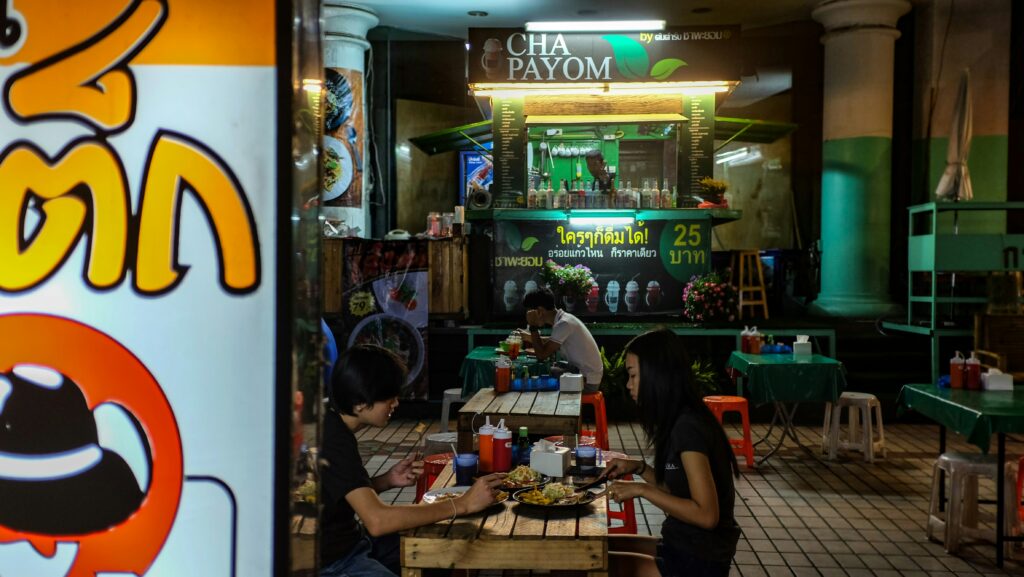
Few things are as synonymous with Bangkok as its incredible food and lively nightlife. No matter when you visit, good food can always be found on nearly every corner in the city, at all hours of the day and night (a Bangkok breakfast being one of our favorite meals of the day).
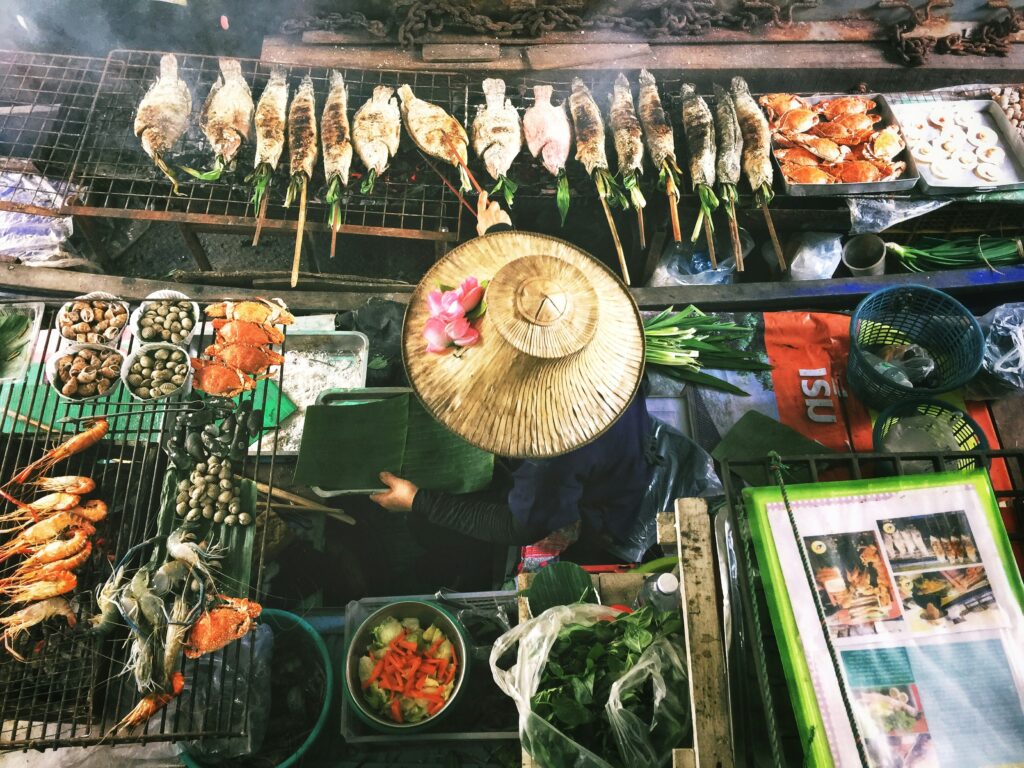
Exploring the city’s markets is a must, especially during the dry season. If you are visiting during the high season, take advantage of the outdoors by visiting Chatuchak, Asia’s largest outdoor weekend market, where the weather allows for strolling ease and food-tasting fun without the beating sun or hassle of rain. In the evenings, the Srinagarindra Train Night Market comes alive, offering a buzzing bazaar-style atmosphere where you can savor everything from pad Thai to an endless array of seafood options. The cooler evening breeze makes it an ideal time to enjoy local life and flavors.
When it comes to nightlife, Bangkok has something for everyone, every day of the year, rain or shine. From a dazzling bar scene in the old town, you can hop, skip and jump to three different bars on the same street. Rooftop bars are a popular choice, many equipped with some type of covering to shield against the rain. However, to make the most of Bangkok’s never-ending views, it’s best to avoid the monsoon months of September and October.
Shopping and Indoor Attractions
To escape the intense heat of Bangkok, there are plenty of indoor options to keep every traveler comfortable and entertained. When the weather allows, be sure to explore the city’s stunning temples and then make a plan to stay cool and dry at one of the numerous indoor spaces that offer everything from shopping, art and restaurants galore.
If you happen to visit during monsoon season, the city’s spas and shopping malls become your best friends. Sukhumvit Road is home to an impressive array of upscale malls, such as EmQuartier, EmSphere, Central Chidlom and Siam Paragon, as well as budget-friendly shopping spots like MBK. These shopping destinations offer a variety of entertainment options, including bowling, arcades, mini-museums and aquariums to keep visitors engaged.
For those keen on indoor cultural sights, the Bangkok Art and Culture Center (BACC) offers an opportunity to explore Bangkok’s contemporary art scene. Here you can see contemporary art, exhibitions and even live music events at no cost. The striking white building features a beautiful atrium and cafe. Just next door is the Jim Thompson House, another beautiful museum that looks into the mysterious life of Mr. Thompson, offering history and excitement, as well as some shopping opportunities.
Museum Siam, located in the old town, offers an engaging way to understand Thai culture. With 14 rooms to discover housed in a beautiful European-style building, visitors can immerse themselves in sensory exhibits that reveal the essence of ‘‘Thainess.’
If the weather isn’t cooperating, don’t hesitate to pamper yourself with a spa session at one of many Bangkok’s wellness establishments. From simple foot massages to luxurious all-day treatments, be sure to book ahead and spend the day in complete bliss.
Outdoor Adventures and Day Trips
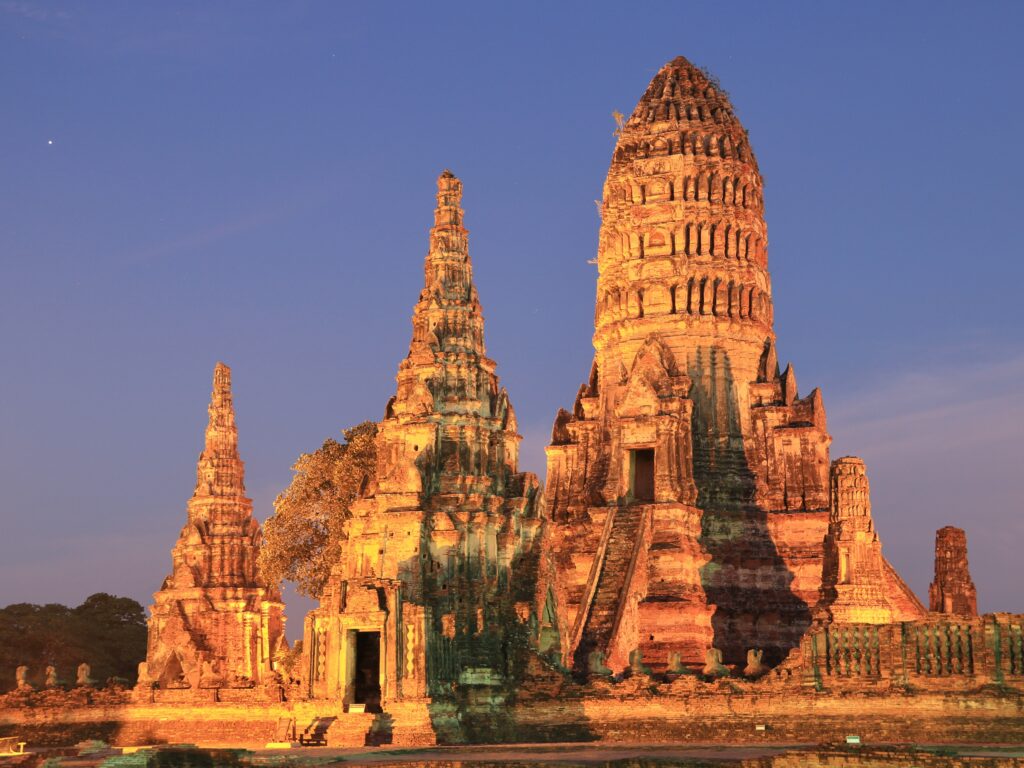
Enjoying Bangkok’s outdoor offerings goes well beyond magnificent temples and rummaging through giant open-air markets. River cruises and canal tours are highly recommended, especially during the cooler winter months, as they provide a refreshing breeze and beautiful skyline backdrops for incredible photo-ops of iconic spots like Wat Arun.
For a more adventurous experience, consider a bike tour through Bangkok’s winding alleys. You’ll have the chance to sample delicious food while exploring neighborhoods like Chinatown and Thonburi. This activity is best done on a guided tour and during the cooler months, but you can also squeeze it in between June and August, keeping in mind the occasional showers.
For a memorable day trip, visit Ayutthaya, a UNESCO World Heritage site and the former capital of Siam. Here you can discover ancient ruins and historical temples, delving into the kingdom’s rich history. The trip takes between 1 and 2 hours by car or train, and since most of the exploration is outdoors, the cool season is the optimal time to visit.
A further excursion can take you to Kanchanaburi, located around 140 km away from Bangkok. The area is famous for landmarks like Erawan Falls, the River Kwai and the Burma Death Railway, built with POW labor during World War II. You can take a scenic train ride that lasts no more than three hours or go by car for more flexibility while exploring the natural beauty around. While the cool season is ideal for outdoor aficionados, a visit between June and August can be rewarding with fewer crowds, albeit with a chance of short bursts of rain.
Budget and Crowd Considerations
Bangkok is known for being an affordable destination, but prices can skyrocket between November and February due to the holidays and influx of visitors.
If you are able to finagle your itinerary and are looking to save on accommodations, consider planning your trip during the off-peak season, starting in March through August. While the weather may be hotter, you’ll benefit from fewer crowds, allowing for a more relaxed experience at temples and shopping malls.
Booking your stay in advance can lead to excellent deals, even if the weather might not be at its best. This approach not only helps your budget, but it also gives you the opportunity to explore Bangkok without the hustle of peak season.
When Not to Visit Bangkok (If At All)
Bangkok is a fantastic destination all year long, but there are certain times when it’s wise to avoid a visit, primarily due to weather conditions and price surges.
Peak Heat Months
The hottest months, from March through May, make outdoor sightseeing quite challenging. During this period, temperatures soar, and humidity can feel stifling. If you’re interested in culture and temple hopping, it’s best to steer clear of these months, as the extreme heat can dampen your experience.
Monsoon Peaks
Late September through October marks the monsoon season, bringing heavy rainfall and potential flooding. You might encounter overcast skies that persist for days, obstructing your plans. Outdoor activities like visiting attractions, enjoying river cruises, or even relying on the Skytrain can be disrupted.
Aside from shopping, museums, and spas, these two months are best avoided if you want to make the most of your trip.
Major Holidays and Travel Surges
While Bangkok has big vibrant holidays, none are as significant as Songkran, the Thai New Year festival. Major streets close for festivities, transforming the city into a lively party zone. While you won’t face much traffic since locals are celebrating, be prepared for price hikes on taxis, tuk-tuks, and Grab cars.
If you plan to travel in December, brace yourself for long airport lines, heavy city traffic, and sold-out tours, all due to the Christmas and New Year celebrations.
The Verdict: When is the Best Time to Visit Bangkok?
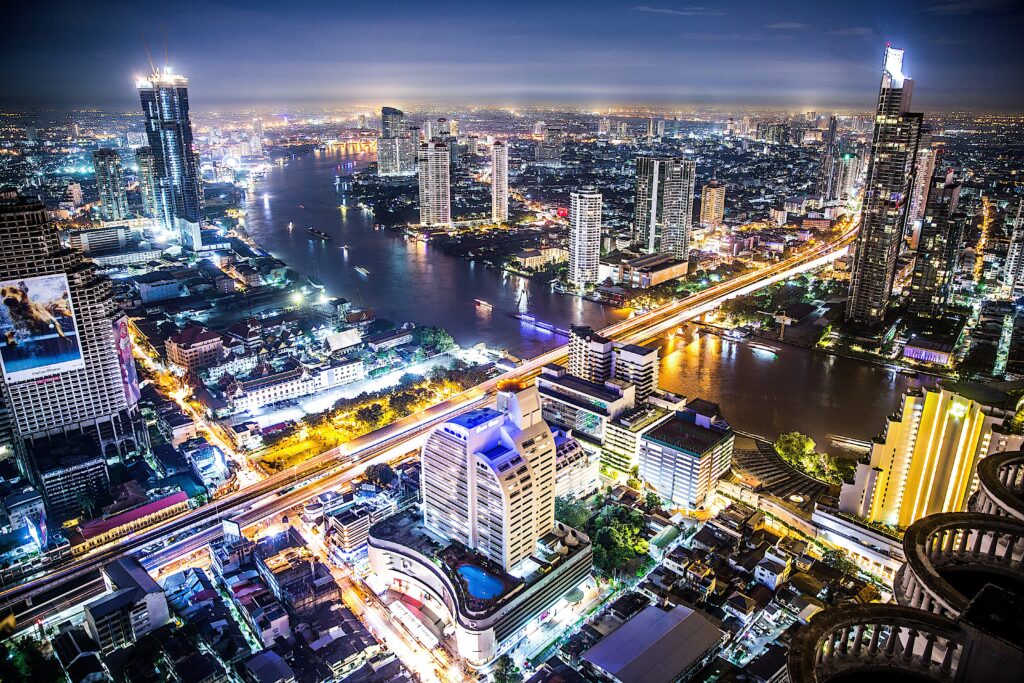
- Best overall: January. It sits between Christmas and Chinese New Year, giving visitors a chance to explore with great weather and a touch of lesser crowds, but comes at a cost.
- Best for budget travellers: June-October. This is considered Bangkok’s low season due to weather changes and the rainy season, but it’s also the best time to scoop deals on top hotels (including these top boutique Bangkok hotels).
- Best for outdoor excursions: December-January. This is the chance to explore Bangkok’s biggest cultural sights without a speck of rain and high humidity. It’s hot, but tolerable.
- Best for Day Trips: June: June is a relatively quiet month that doesn’t have the heat of the hot season or the rain of the monsoon season, making it optimal for a quiet and pocket-friendly experience.
- Best for family adventures: November. The buzz of peak season is just starting to surface, making sightseeing and exploring Bangkok more family-friendly and one that won’t over-stimulate young children.