
The Himalayas have always been more than a mountain range. They are a frontier between worlds – the physical and the spiritual, the earthly and the eternal. Snow peaks catch the first light in rose and gold, cedar forests exhale resinous calm, and rivers course like living hymns. For centuries, sages and seekers have climbed into these high valleys in search of clarity.
Today, travellers arrive with the same intent, to find renewal in landscapes that seem to rewire time itself.
It is this confluence of nature and spirit that makes a Himalayan wellness retreat truly unique. Altitude sharpens the senses, mountain air slows the breath, and the region’s spiritual heritage — from the chanting halls of Tibetan monasteries to the meditative spin of the prayer wheel – offers a framework for healing.
For jetsetters and wellness seekers alike, the appeal is irresistible, an escape that is both restorative and adventurous.
Here is a curated edit of the best wellness retreats across the Himalayas in India, Nepal, Bhutan, and China. Each has its own philosophy, atmosphere, and signature experiences, so you can find the wellness escape that best aligns with your goals and travel style.
Ananda In The Himalayas, India – Best for Immersive Ayurveda in Regal Seclusion
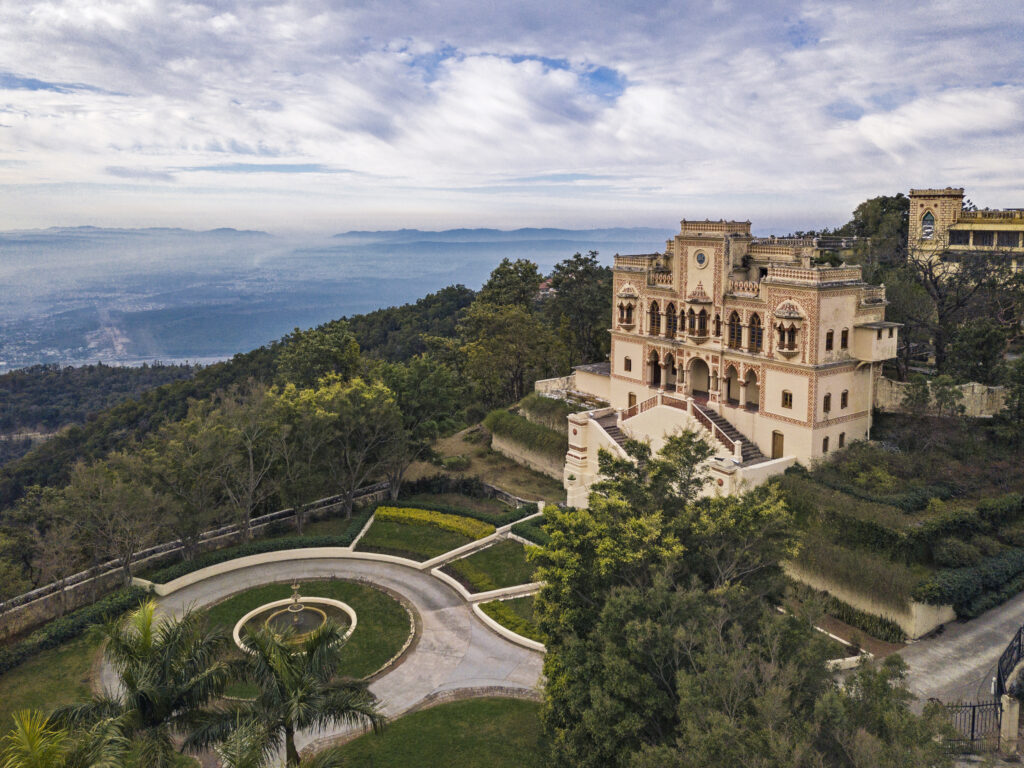
For many, the search begins in India, where the modern story of Himalayan wellness found its most iconic expression. Ananda In The Himalayas has long set the benchmark, an elegant confluence of Ayurveda, yoga, and Vedanta layered with spa science and understated luxury.
Perched above the Ganges Valley, near Dehradun, it occupies the palace estate of the Maharaj of Tehri-Garhwal, where gardens sweep down into oak forests and Himalayan foothills stretch into the haze. The setting alone feels therapeutic – mist rising from the river at dawn, evenings stitched with bird song, and a quiet that seems to lift off the weight of the everyday.
Personalised programs can run from a week to three, including Panchakarma cleanses, yogic detoxes, stress management, and sleep enhancement. Daily schedules blend Ayurvedic therapies with asanas, pranayama, and meditation, with emotional healing sessions and philosophy talks layered in. It is a disciplined but profoundly restorative rhythm, one that asks you to participate in your own renewal.
Accommodations range from elegant rooms and suites to private villas with pools, all designed in soothing palettes that defer to the nature outside. The spa is vast – hydrotherapy pools, treatment pavilions, and serene studios – yet it never overwhelms, always guiding you back to stillness.
Food is part of the healing journey. Menus are tailored to the individual’s dosha, with Ayurvedic cuisine presented as delicate, nourishing plates that prove curative eating can be both beautiful and satisfying.
Just beyond the resort’s gates lies the spiritual heartland of Uttarakhand. A short drive away, Haridwar draws pilgrims to the evening Ganga Aarti at Hari ki Pauri, where hundreds of lamps flicker across the river in a ritual of light and devotion. Further upriver, Rishikesh offers its own rhythm of ashrams and yoga shalas. Together, these twin towns frame Ananda with a living tapestry of Indian spirituality, ancient, vibrant, and very much a part of the retreat’s aura.
Ananda is a 45-minute drive from the Dehradun Airport (DED). For crystal skies and crisp horizons, September through April is ideal, while monsoon (July onwards) wraps the valley in a lush rain-washed hush. Pricing remains firmly in the ultra-luxury bracket.
The Khyber Himalayan Resort and Spa, India – Best for Alpine Spa Rituals in Kashmir’s Snowfields
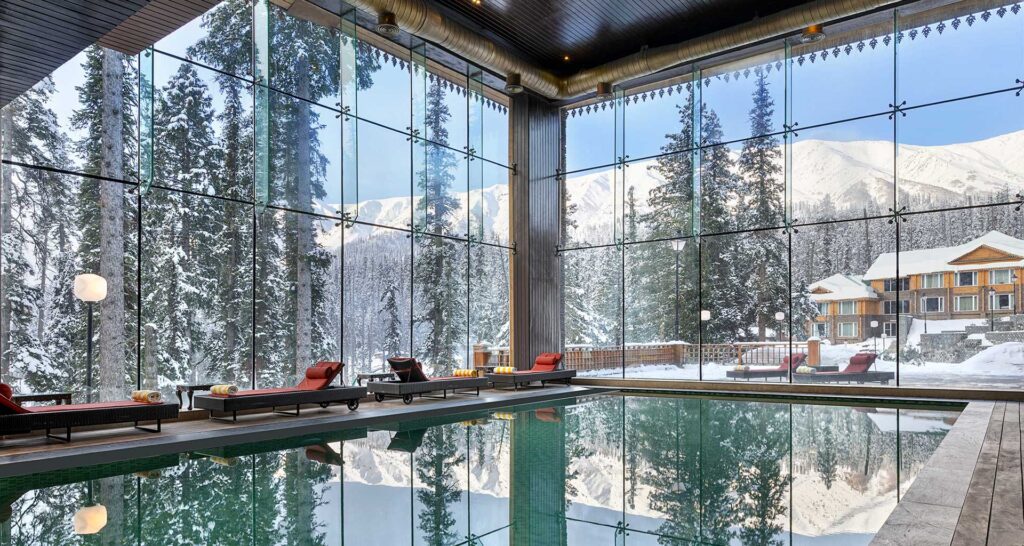
Further north, the Himalayas unfold differently, trading austerity for alpine drama. In Gulmarg, Kashmir, where pine forests climb snow-dusted slopes and ski gondolas sail into the clouds, The Khyber Himalayan Resort and Spa rises like a dream of wood and stone.
At 8,825 feet, the crisp mountain air fragrant with lavender blooms is itself a remedy. A Himalayan silence descends over you, quiet yet insistent, as if the mountains were teaching you to breathe anew. Here, spring unfurls with renewal, summer dazzles with colour, autumn deepens into gold, and winter cloaks the slopes in stillness; every turn of the year brings succour to the soul.
The Khyber is not a program-driven retreat but a spa-anchored sanctuary that understands the healing power of alternation, exertion and repose, snow and steam. Days stretch out on ski slopes, hiking trails, and flower-strewn meadows, followed by cedarwood steam rooms, heated pools, and deep-tissue massages infused with Kashmiri botanicals.
Signature treatments unfold at the Khyber Spa by L’OCCTAINE, where rituals steeped in the spirit of the mountains draw on apricot scrubs, saffron oils, and lavender compresses. Each therapy eases the traces of long walks and pony rides in the highland air, leaving the body restored with a quiet lingering glow.
From the pine-framed rooms and suites with floor-to-ceiling windows to the private chalets, accommodations are generous. Interiors are a nod to Kashmiri craft, hand-woven carpets and khatamaband (Kashmiri woodwork) ceilings, while fireplaces and lounges invite you to sink into the slow hours.
Dining reflects the valley’s abundance. Wazwan-inspired feasts sit alongside grills and continental menus, anchored by breads and teas that extend the cosy evenings.
Nearby, Gulmarg Gondola offers sweeping views of the Pir Panjal Range, while Tangmarg, just a short drive away, stretches into orchards and waterfalls. Less than two hours away, Srinagar adds another layer of allure with houseboat rides on Dal Lake, temples, and centuries-old Sufi shrines, a cultural arc as vivid as the landscape itself.
The resort is two hours from Srinagar Airport (SXR), with transfers available. Winter (December to March) is perfect for snow and skiing, while summer (May to September) is ideal for hikes and treks. A stay of three to five nights balances activity and rest, with pricing positioned in the premium-luxury bracket.
Dwarika’s Sanctuary, Nepal – Best for Pancha Kosha Healing in a Design-led Retreat
Across the border in Nepal, an hour east of Kathmandu, Dwarika’s Sanctuary in Dhulikhel, feels like a retreat hewn from sky and stone. Here, prayer flags stir in mountain breezes, cedar groves yield to tiered fields, and the powder-dusted crown of the Himalayas commands the horizon.
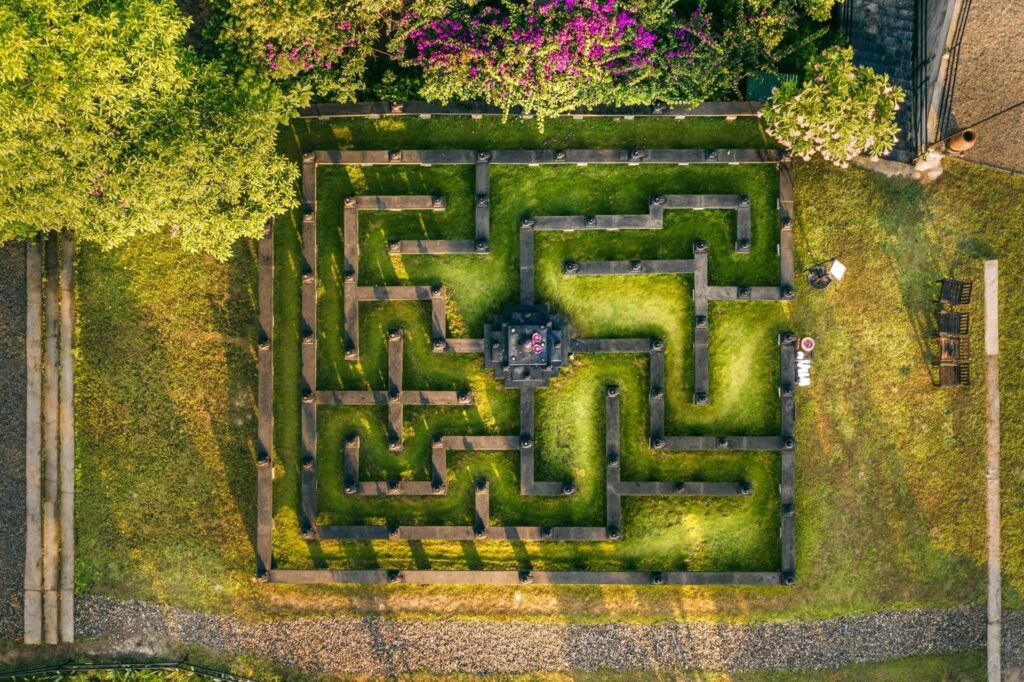
Their philosophy draws from the Vedic concept of Pancha Kosha – the five sheaths of human existence, from the physical body to the bliss body. Every space is designed to touch one of these layers. From the Himalayan Salt House lit with a coral warmth at dusk and the Chakra Sound Therapy Chambers humming with energy to the meditation mazes and yoga decks oriented toward the rising sun, wellness here isn’t just an activity but the architecture itself that holds you from arrival to departure.
Ayurvedic consultations flow into rituals that harmonise the pancha mahabhutas – fire, air, water, earth, ether – through a choreography of treatments designed to bring the body to balance.
Suites open onto sweeping mountain views with copper bathtubs standing ready for deep soaks. Contemplative courtyards and tea pavilions in organic gardens complete the sense of elemental luxury. Meals are equally intentional, seasonal Nepalese cuisine and Ayurvedic plates from produce gathered from the resort’s own farm.
Dhulikhel itself is steeped in Newari heritage, its old town lined with carved wooden windows and pagoda-roofed temples that trace centuries of history. Just a short drive away, Namobuddha Monastery, rising like a beacon in a haze of fluttering pennants, its chants threading through the stillness of the valley. From sunrise to sunset, the shifting light reveals a Himalayan canvas, with giants such as Langtang and, on clear days, even Everest.
Little over an hour’s drive from Kathmandu Airport (KTM), Dwarika’s Sanctuary is easily accessible yet feels removed from the city. The best months to visit are autumn (October to December) and spring (March to May), when the Himalayan views are at their most vivid. Programs run three nights to week-long immersions, with premium-luxury pricing.
Shinta Mani Mustang, Nepal – Best for Amchi Wisdom and Himalayan Adventure
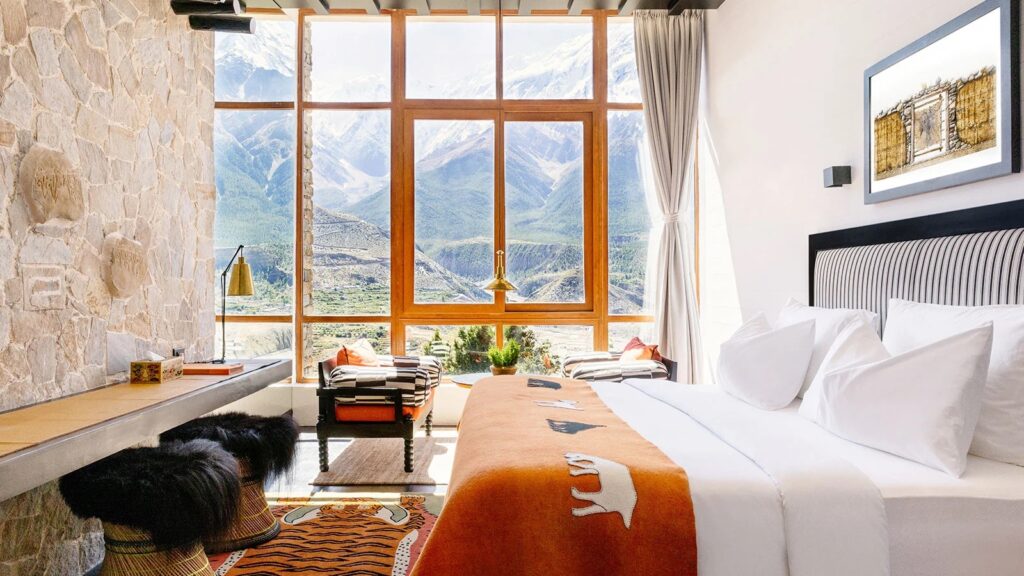
From the terraces of Dhulikhel, the journey tilts north into the stark cinematic landscapes of Lower Mustang. Perched above the windswept town of Jomsom, Shinta Mani Mustang stands as both refuge and revelation, at once a sanctuary and a frontier outpost into the region’s untamed soul. Even the air here carries a rare, charged intensity.
Here, wellness is rooted in Sow-Rigpa, the Tibetan medical tradition that has sustained highland communities for centuries. Guests meet with a traditional amchi who calls on generations of ancestral knowledge to prescribe personalised remedies. Herbal compresses, warming rituals, and circulatory therapies flow alongside treks to cliff-side monasteries, meditations beneath boundless skies, and village encounters that ground the experience in Mustang’s living culture.
Suites are earth-toned and tactile, with picture windows framing the massif. Interiors rich in natural texture – carved wood, thangka paintings, yak-wool textiles – echo the region’s craft.
Dining is attuned to the altitude, hearty broths, cheeses, and grains paired with international comfort dishes to sustain both body and spirit.
Once known as the forbidden kingdom, Mustang was closed to outsiders until the 1990s. Today, guests can follow centuries-old trading routes through Kagbeni and Jharkot, wander past orchards and suspension bridges into Jhong’s timeless village, and travel farther to Muktinath, whose sacred springs draw Hindus and Buddhists as a place of pilgrimage and purification.
One can reach Jomsom by a short flight or a scenic drive from Pokhara Airport (PKR). The best seasons are spring (March to May) and autumn (September to November) when the skies are the clearest and the views are at their most spectacular. Programmes typically run five to seven nights, with pricing in the ultra-luxury bracket.
Six-Senses Bhutan – Best for Valley Hopping Wellness Journeys
Further east, Bhutan has always measured wealth in well-being, and nowhere is this more tangible than at the Six Senses Bhutan, a collection of five lodges strung across the kingdom’s storied valleys. From Thimpu’s pine-shadowed hillsides to Punkaha’s rice terraces, Gangtey’s high marshes, Bumthang’s sacred monasteries, and Paro’s dramatic ridges, each lodge feels like a chapter in an unhurried pilgrimage where the landscape itself becomes therapy.
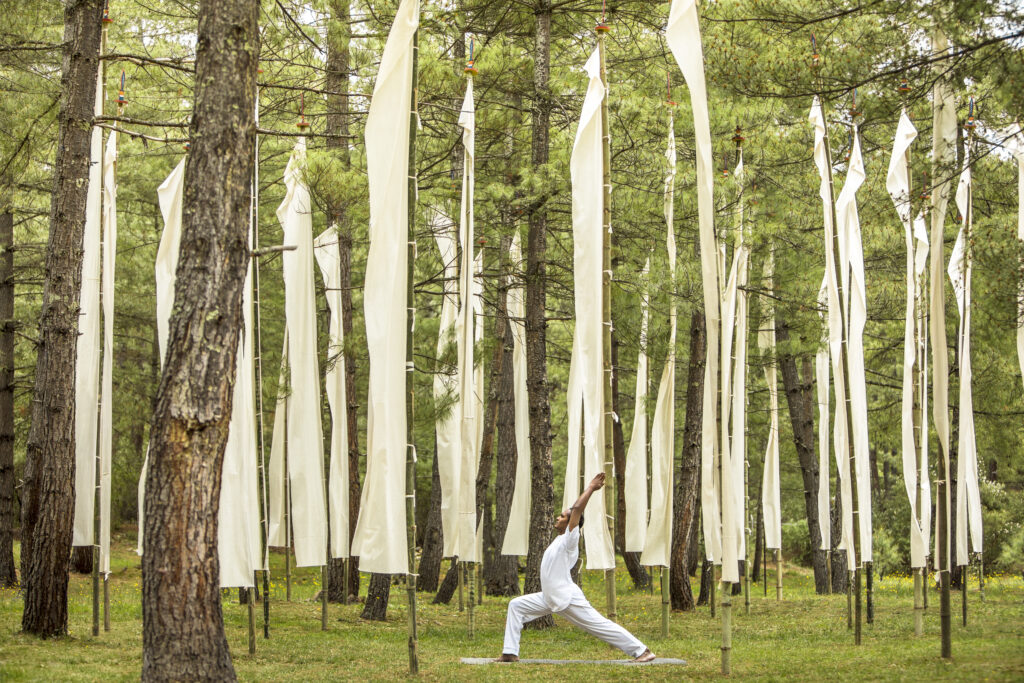
Wellness here is never static. It is both structured and serendipitous, guided by Bhutan’s deep-rooted pursuits of balance and happiness. Rituals shift with place but remain grounded in Himalayan tradition, using botanicals like juniper, saffron, and lemongrass. Guests might move from sound healing and forest bathing to hot-stone baths and herbal compresses, with each valley adding a distinct layer of renewal.
Each lodge’s architecture reflects its surroundings, timber-wrapped minimalism in Thimpu, cantilevered terraces in Punakah, and stone-and-earth sanctuaries in Gangtey. Spaces across are serene, expansive, and designed to frame the mountains and the valleys beyond, dissolving the line between indoors and out. Rooms and suites follow a similar pared-back but warm aesthetic.
Dining is farm-to-table, with menus shaped by altitude and season. Red rice, mountain vegetables, river fish, and herbs from valley gardens form the base while local accents – buckwheat pancakes in Bumthang, yak butter tea in Paro – anchor each meal to its setting.
Every property is both refuge and gateway, whether that means visiting Punakha Dzong, watching the black-necked cranes arrive in Gangtey, or making the pilgrimage to Paro Taktsang, the gravity-defying Tiger’s Nest.
Most journeys begin and end at Paro International Airport (PBH), with transfers seamlessly connecting the five lodges. The most rewarding months are spring (March to May) and autumn (September to November), offering luminous air and the clearest Himalayan views. A week allows for three valleys, while longer stays reveal the full arc. Pricing is in the ultra-luxury tier,
COMO Uma Paro, Bhutan – Best for Boutique Wellness in Bhutan’s Cultural Heartland
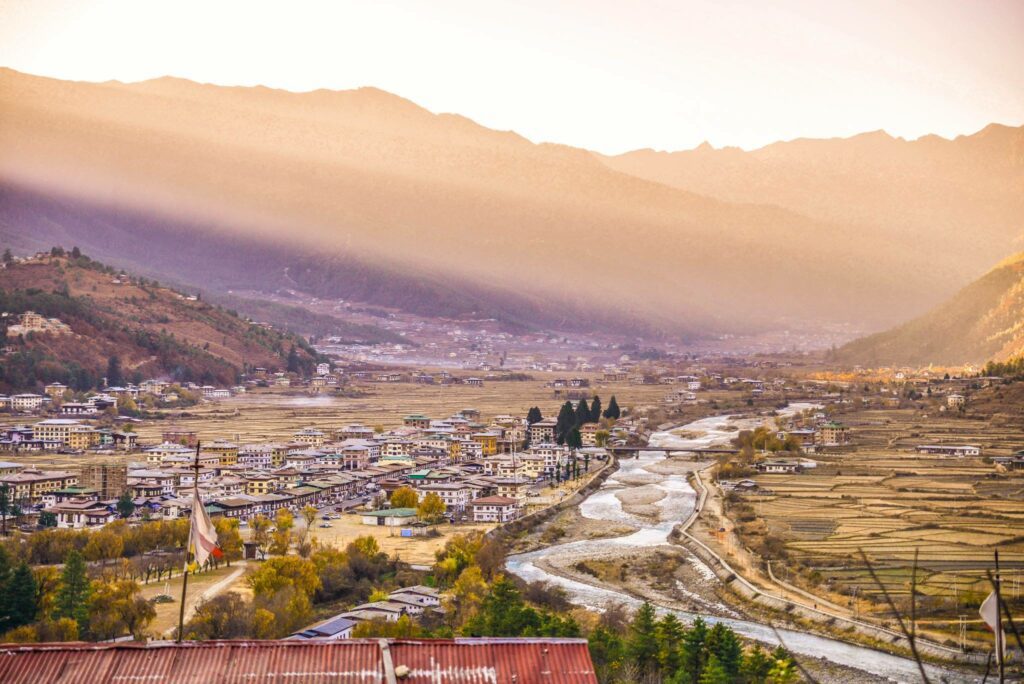
If Six-Senses spans the kingdom’s valleys, COMO Uma Paro distils Bhutan onto a more intimate scale. Set on a secluded hillside above Paro town, the valley stretches out from under it in a mosaic of rice paddies and whitewashed dzongs, while the Paro Chuu threads silver through its floor and light strikes the scattered farmhouses, roofed in timber shingles.
Inside, the mood is hushed rather than dramatic. Just a few rooms and villas, each detailed with hand-painted Bhutanese motifs and quiet corners that seem designed for contemplation. Evenings bring the glow of butter lamps, the scent of juniper in the air, and the faint echo of a monastery bell carried across the valley.
Wellness follows COMO’s global Shambhala philosophy, blending Asian-inspired therapies, yoga, meditation, and nutrition-led healing with Bhutanese traditions of balance and spiritual connection. The approach is gentle and immersive, encouraging guests to align with the rhythms of the place. Signature therapies include Bhutanese hot-stone baths steeped in artemisia leaves, complemented with swims in the indoor heated pools and private yoga sessions overlooking the valley.
Rooms are minimalist yet warm. Private villas come with their own spa rooms and hot-stone bath tubs, turning every stay into a sanctuary. The design ethos is understated luxury, serene, and always deferential to the view outside.
Dishes are light, nutrient-rich and crafted to be as flavourful as they are nourishing, with ingredients coming from organic valley farms, supplemented by COMO’s own kitchen gardens.
The resort offers archery lessons, butter-lamp lighting ceremonies and guided walks through Paro’s traditional villages. Beyond its grounds, guests can hike to Tiger’s Nest, wander through the painted courtyards of Paro Dzong, or visit Kyichu Lhakhang, one of Bhutan’s oldest temples.
Arrival is effortless, with Paro International Airport (PBH) – Bhutan’s main entry point- just ten minutes away. The best seasons are spring (March to May), when the valley blooms bright with rhododendrons and autumn (September to November), when the skies are at their clearest. Winter (December to February) brings crisp, luminous days and fewer visitors. Stays of three to seven nights are ideal, with pricing positioned in the premium-luxury bracket.
Banyan Tree Ringha, China – Best for Five-Elements Healing in Tibetan Farmhouses
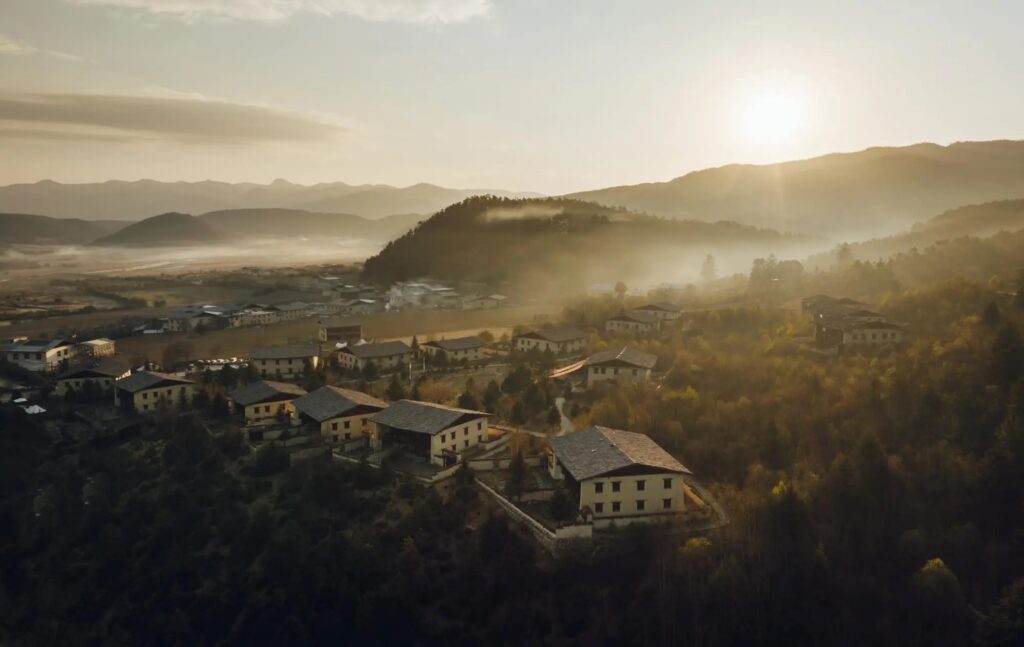
Leaving Bhutan’s cultural heartland, our journey across the Himalayas bends eastward, sweeping into Yunnan, where Shangri-La unfurls as both a landscape and an idea, its valleys steeped in Tibetan lore.
Tucked into a quiet valley on the edge of these highlands, Banyan Tree Ringha feels like a doorway into another rhythm of life. At more than 10,000 feet, the air is thin, edged with juniper and the resin of highland spruce. Restored farmhouses, their timber beams worn smooth by centuries, are at the heart of the retreat, a hamlet-like hideaway that feels crafted by locals and pampered by Banyan Tree’s luxury touch.
Drawing on both Tibetan traditions and the Chinese five-elements philosophy, their spa program is designed to harmonise the body’s internal energies with the valley’s natural cycles. Signature therapies range from hot-stone massages and herbal soaks in traditional wooden tubs to reflexology rituals that feel like slow meditations for the body. Yoga and Tai Chi sessions can be arranged outdoors, where thin clouds drift close enough to touch.
Accommodations preserve the soul of the old farmhouses – timber walls, painted panels, wood-burning stoves – layered with modern luxuries like deep baths and expansive beds. The result is a warm cocoon that feels deeply authentic, yet effortlessly comfortable.
Meals are slow and nourishing, designed to suit the altitude and the rustic slowness of the environment. Tibetan barley breads, butter tea, fresh greens from Yunnan hills, local herbs – the flavour is as much ‘place’ as it is ‘plate’.
In the Ringha Valley, you stand at the threshold, a short drive leads to a 7th-century Dukezong Ancient Town, its stone alleys lined with prayer flags, or to the sprawling Songzalin Monastery, the Little Potala Palace that crowns the valley in gold.
The retreat lies about 35 minutes from Diqing Shangri-La Airport (DIG), with regular flights from Kunming Airport (KMG). Spring through autumn (March to October) offers the easiest travel, with mild weather and accessible roads, while winter (November to February) brings a crisp, crystalline beauty dusted with snow. Stays of three to five nights are ideal, with pricing positioned in the premium-luxury bracket.