

Undoubtedly, the sheer amount of attractions in Tokyo could keep foodies, history fans, art buffs, strollers, and lomographers captivated for a few lifetimes. However, it’s still a relentlessly busy place, which is why I’d like to present some of the best day trips from Tokyo.
Focusing on the Kanto region, you might recognize many of the destination names, but with any luck, there will be surprises eager to capture your attention away from the Japanese capital.
Fortunately, the Tokyo metro area’s often dizzying network of trains and buses is there to do a lot of the work for you, with frequency to boot. Not to mention, a number of regional transit passes help streamline obtaining tickets, should you want to have a blitz along one of the highly polished Shinkansen (bullet train) lines.
Nokogiriyama – Bike to Bay, Hike to Hell
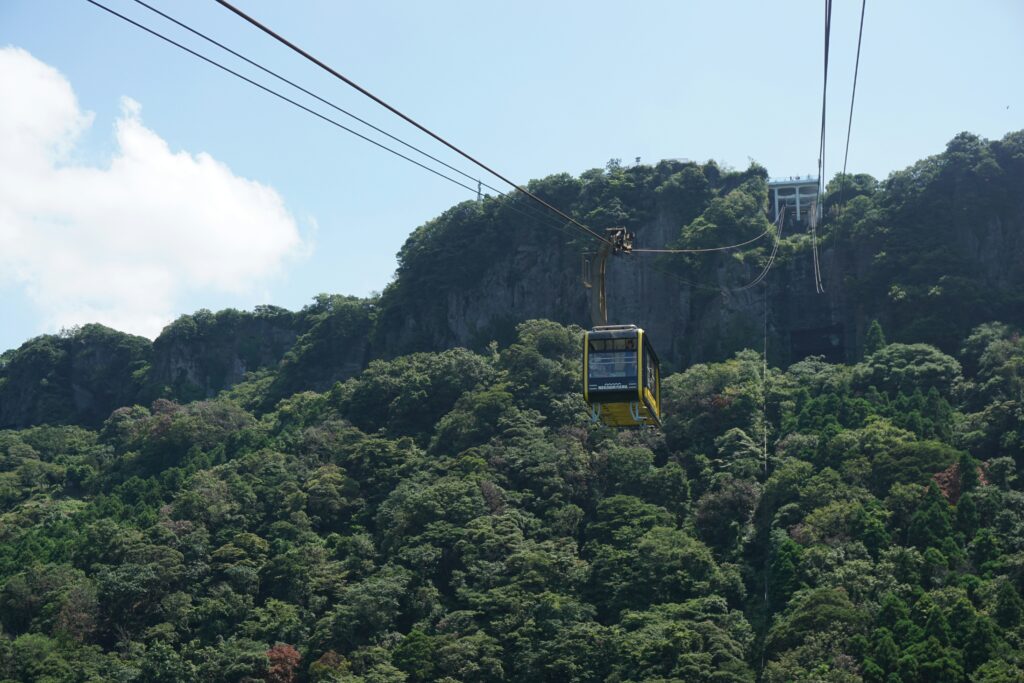
“Hell” is a popular title in Japan, with many hot springs adopting that nefarious name. But in Chiba prefecture, Tokyo’s neighbor to the East, and the home of Narita Airport, “hell” is a verdant mountain setting, easily its most photographed landscape.
Don’t let the fact that Nokogiriyama, or “saw mountain,” measures only 330 meters in elevation. The aforementioned hell, called “jigoku no nozoki” (peek into hell), is so named due to the vertiginous sensation many visitors get when they peer down from the famously narrow precipice into the sea of trees. Visits are further enhanced when you follow the trails past the historic Buddhist statues to the 1300-year-old Nihon-ji, an oasis of a temple complex.
For those who want to limit their hiking to the summit and temple area, Nokogiriyama has a ropeway system that affords beautiful views of Tokyo Bay; clearer skies would even permit views of Tokyo SkyTree.
Cyclists will further appreciate that JR East (the rail company operating many of the lines in the Kanto area) has a special train that keeps them in mind. B.B. Base is a “Joyful Train,” a train with a specific theme. Some Joyful Trains are all about gastronomy, others music, and some art; B. B. Base gets its kicks from having ample space to store bicycles, so that riders can explore the seaside views of Chiba prefecture. In fact, there’s a formal trail called the Pacific Cycling Road which begins in Choshi, Chiba’s most famous seafood port, and ends in Wakayama city, just south of Osaka Kansai International Airport.
Access to Nokogiriyama is by JR; the closest station is Hamakanaya. From Tokyo Station, the trip can take anywhere from two hours and 15 minutes to three hours. Alternatively, there is a 70-minute bus ride from Tokyo Station that heads to Kazusa Minato; from there, it’s a 10-minute JR ride to Hamakanaya.
B.B. Base starts/ends in Ryogoku Station, and goes to various places in Chiba. Its timetable can be found here.
As would be the case with most of the destinations on this list, spring and fall are by far the most recommended times of year to visit…particularly if you like being a sardine in a can.
Yokohama – Much More than Tokyo’s Southern Shadow
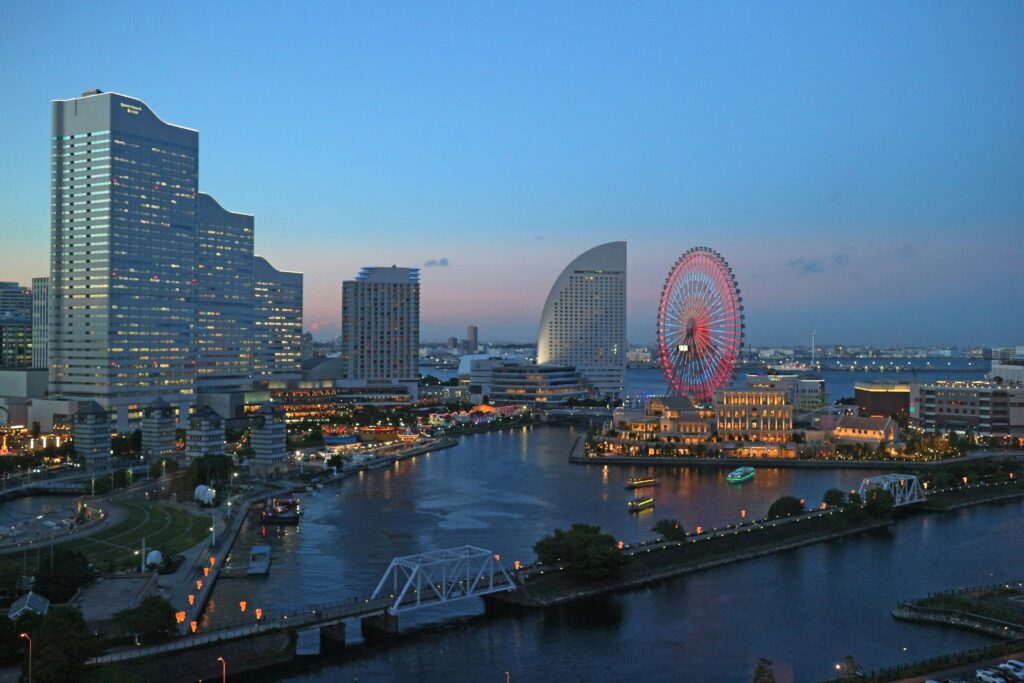
Yokohama suffers from the same fate as that of many of Tokyo’s neighbors – it isn’t Tokyo. Well, consider this: Yokohama, Japan’s second-largest city, is everything you wish the capital were right now.
For starters, there are far fewer tourists getting in your way at its parks, museums, and shopping centers. Average hotel room sizes are larger. Having been the site of U.S. Commodore Matthew Perry signing the 1854 Treaty of Kanagawa, ending Japan’s 250+ year-long period of international isolation; it has a longer history of being open to foreigners.
To wit, some of its highlights are the Yamate Bluff with its Western-influenced homes, Japan’s largest Chinatown, and a small Koreatown. Plus, unpretentious ramen, ramen, ramen. By the way, if you’re a densha otaku, or rail fan, Yokohama Station has more lines running through it than any other Japanese station.
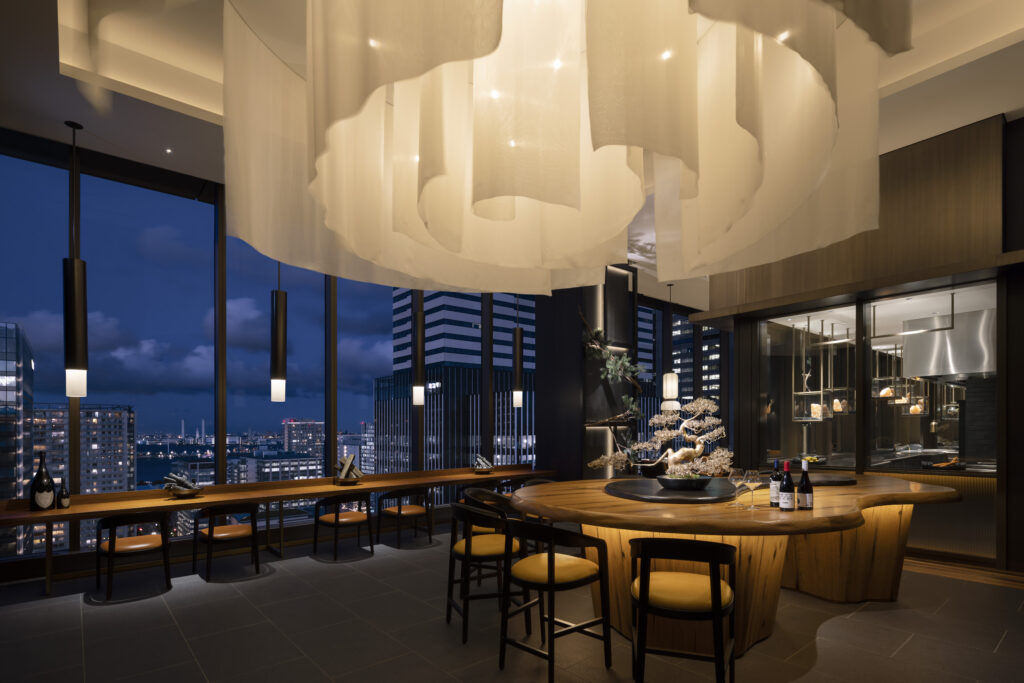
On the topic of Yokohama hotels, I can only really recommend The Westin Yokohama. A short walk and taxi ride to Yokohama Station, its location in the shopping and business district of Minato Mirai is first-rate. On the 23rd floor, Code Bar, its upscale cocktail lounge, and Iron Bay, its signature restaurant, have floor-to-ceiling views of the region; Mt. Fuji isn’t shy either. Taking afternoon tea with a view of Fujisan is a relaxing way to wind down most days. The 22nd-floor Westin Club, available to guests on that floor and to certain Marriott Bonvoy members, offers meals and cocktail hours with equally stunning vistas.
Access to Yokohama from Tokyo is all too easy. A number of major Tokyo transit hubs – Shinjuku, Shinagawa, Tokyo, Ueno, among others – have direct trains to Yokohama Station. If you’re aboard the Shinkansen, be mindful that those head to Shin Yokohama Station, a short train ride from the city’s downtown. Haneda Airport passengers can hop aboard the less than 30-minute direct Keikyu line, while Narita Airport passengers can take the 90-minute Narita Express train, or the airport bus from Yokohama City Air Terminal (YCAT).
Saitama – A Railway Fan’s Dream, and Family-Friendly to Boot
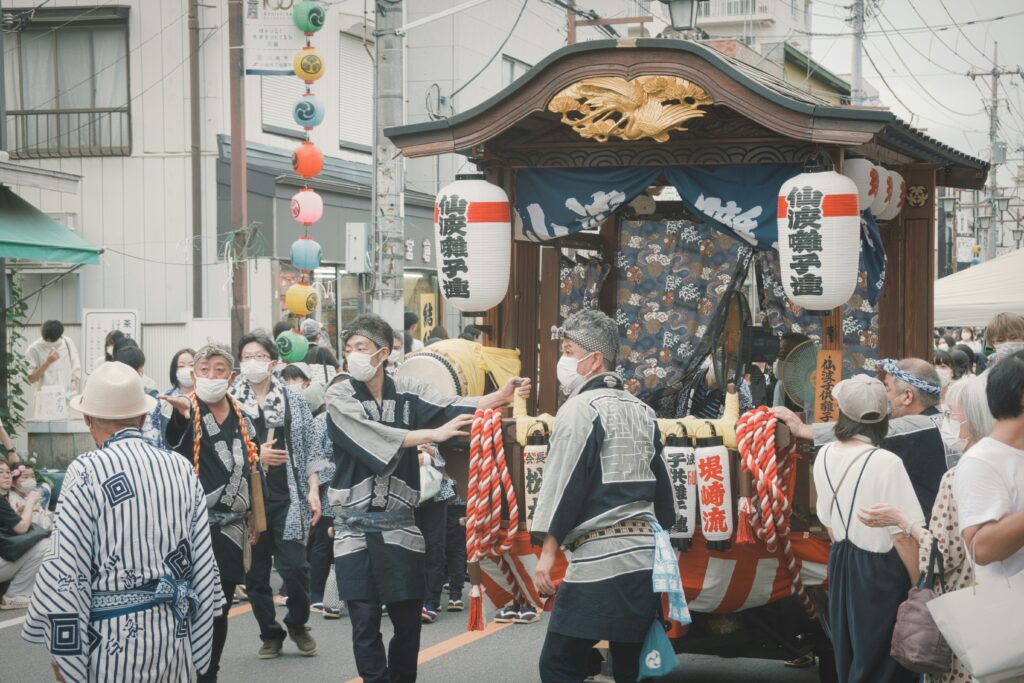
Railfans, consider this suggestion mana: Saitama, the prefecture that borders Tokyo to the north, is home to two of Japan’s biggest densha otaku (“railfan”) attractions. What’s more, they appeal to adults and children alike, and are quite accessible to various major Tokyo train stations.
Chichibu Railway’s SL Paleo Express, the closest steam train to Tokyo, is the first of the two railway hotspots. The train, named for Paleoparadoxia, an extinct mammal that inhabited present-day Saitama, takes 2-3 hours to cover the verdant hills and valleys between Mitsumineguchi and Kumagaya. Having commenced operations in March 1988, it runs between April and December during weekends and public holidays. To travel back in time for the day, you would first have to travel back to the future; by that, I mean you’d want to take a 30-minute bullet train from Ueno to Kumagaya.
The Railway Museum, the second recommendation, is a vast repository of rail history, and much more accessible, given its urban setting in Omiya, a district of Saitama city. Given its scale, it even has its own train station – Tetsudou Hakubutsukan, which means “railway museum.” The Railway Museum is separated into five distinct parts:
- Rolling Stock Station – a large room with 36 different train cars, including the first steam locomotive in the country, and the first bullet train.
- Job Station – where visitors can learn about conducting trains through live-action videos.
- History Station – The path starts with the first steam locomotive way back in 1872, then continues through international assistance in the early days, subway development, bullet trains, and the future of Japanese rail.
- Science Station – How do trains even work?
- Future Station – In this section, you can let your imagination run wild…as long as it’s limited to trains.
From Omiya Station, The Railway Museum is an under-20-minute walk, or a 2-minute ride on the New Shuttle line. Omiya Station is a major metropolitan Tokyo hub and has frequent trains from Tokyo, Ueno, Shinjuku, and Ikebukuro.
Kamakura – The Kyoto of Kanto
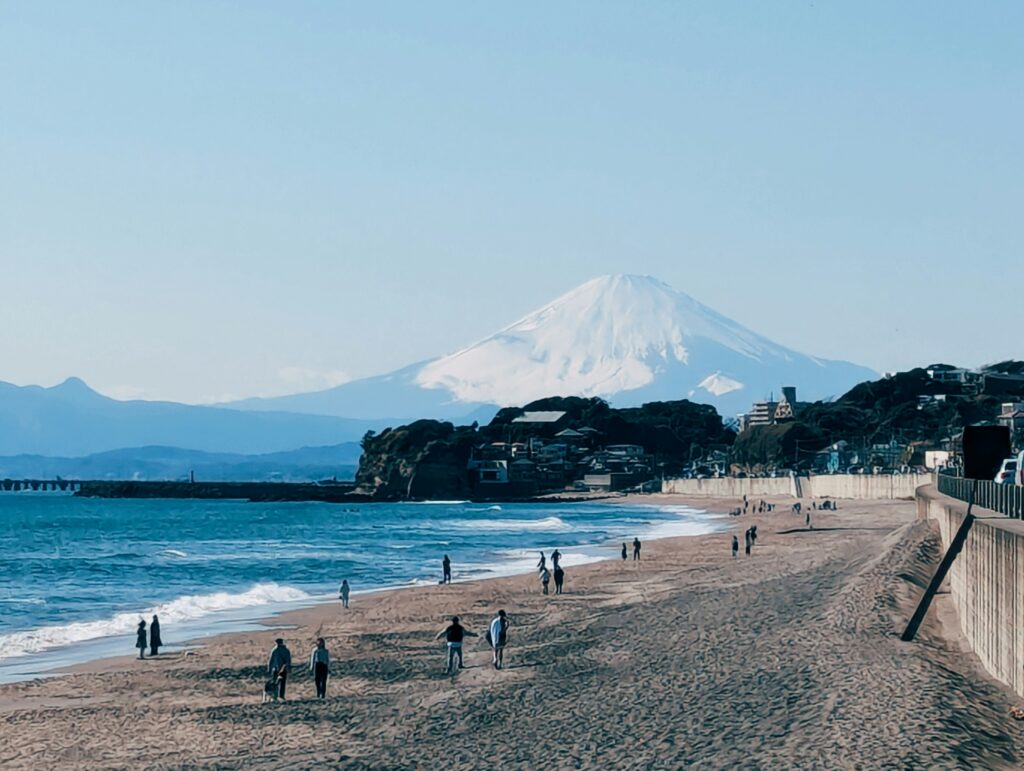
Just as Kyoto was spared during World War II, Kamakura, located in Kanagawa prefecture south of Tokyo, is the Kanto analog. In spite of only having been a seat of political prominence between the 12th and 14th centuries, Kamakura hosts a significant amount of well-preserved religious structures.
To wit, its most identifiable landmark is a statue of a seated Daibutsu, or Great Buddha. Reaching a height of 11.4 meters (~37 feet), this Daibutsu was made as far back as 1252 CE. Although it was formerly housed several times, multiple storms led the decision-makers to keep it open-air; that’s how it has been displayed for more than 500 years. Kamakura, being a compact city, is also a great choice for rental bikes and for strolling along one of its many hilly trails.
Like Kyoto, Kamakura has a neat if well-trodden bamboo grove of its own. Nestled near the main hall of Hokoku Temple (Hokokuji), paths lead through a small bamboo forest to a tea house.
For those who are fans of Japanese pop culture, Yuigahama, a beach along Sagami Bay, has both options for swimming and seafood.
Given its historical importance and proximity to Tokyo, Kamakura is very accessible to the capital. From Tokyo Station, hop on the JR Yokosuka line, and from Shinjuku Station, board the JR Shonan Shinjuku line. Both trips take roughly an hour one-way.
Kawagoe – Combining the Tokyo of Today and 300 Years Ago
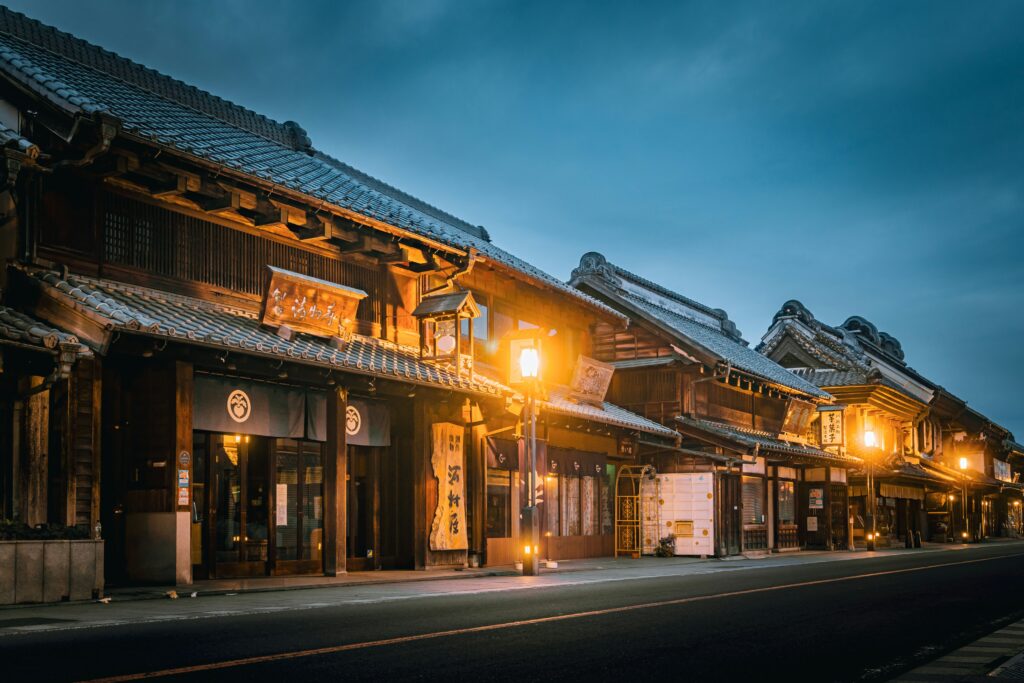
Saitama prefecture’s historical gem goes by the name of Kawagoe. But don’t let its contemporary settings by the two main train stations fool you – a quick walk or bus ride from them will take you back in time, to what Tokyo, or Edo as it was called until 1868, looked like.
Given its relatively nearby location, as a major supplier of food, furniture, and textiles to Edo, Kawagoe was a hub of industry. Fortunately, many of those commodities warehouses, called kurazukuri, remain intact, with some having been converted into restaurants and shops.
On that note, one of my favorite restaurants in the city is called Cafe TOROCCO. If you enter from the main kurazukuri drag, it’s a ceramics store called YAMAWA with works made by regional artisans. However, if you head down the small street at the same corner of YAMAWA, you will hit a blink-and-you’ll-miss-it entrance for Cafe TOROCCO. Their specialty – owing to Kawagoe’s most famous food, the sweet potato – is a sweet potato kaiseki, or multi-course meal. Every single dish incorporates sweet potato, whether it’s the miso soup, croquettes, or dessert. Amusingly, you will be seated right behind the ceramics.
Keeping with the theme of “Little Edo,” Kawagoe’s Kita Temple (Kita-in) is the only place in the country that possesses original palace buildings from the obliterated Edo Castle. Kita Temple is no slouch either, having been originally constructed in 830 CE, and it also holds around 540 statues of Buddha’s disciples, called rakan in Japanese, each with their own distinct facial expression.
Getting to Kawagoe makes for a very easy day trip from Tokyo. Starting at Ikebukuro Station, a 30-minute ride on the Tobu Tojo line gets travelers to either Kawagoe or Kawagoe-shi (city) stations. From Shinjuku Station, take the Seibu Shinjuku line to Hon Kawagoe Station; the express trains will do it in slightly under one hour, and the limited express takes about 45 minutes.
Sayama – Home of Green Tea and Totoro
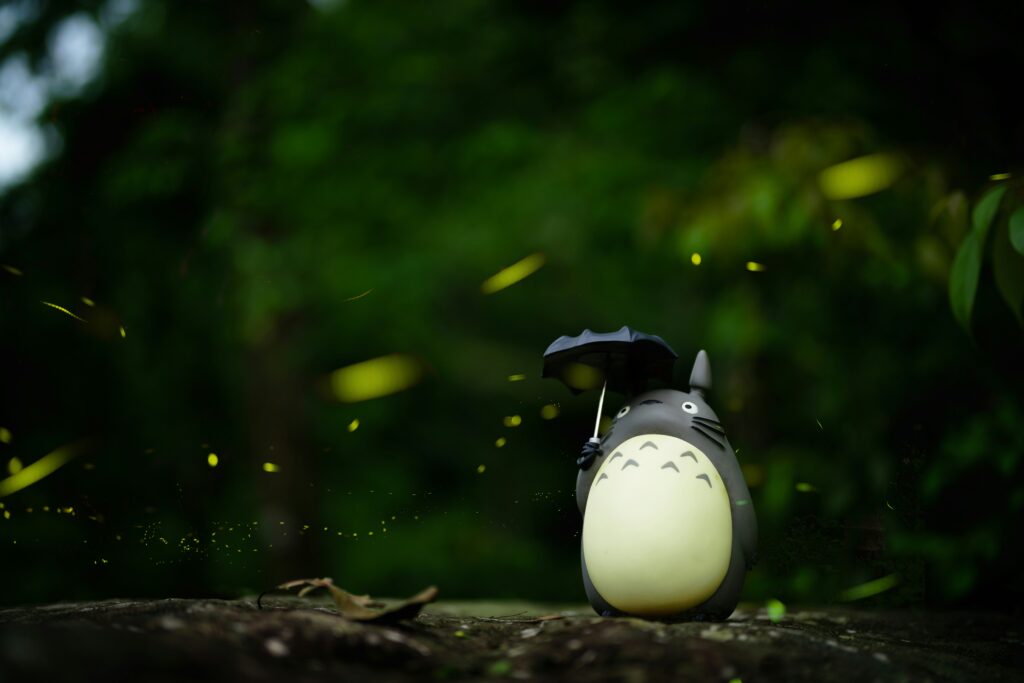
Sayama is a region in Saitama prefecture, bordering Tokyo to the north. In addition to being the home of the Seibu Lions Japanese professional baseball team, Sayama has two other claims to fame.
The first involves the world-renowned animation director Hayao Miyazaki. A native of Tokyo, frequent nature walks in the hilly region of Sayama, close to Sayama Lake and its fantastic views of Mt. Fuji, inspired him to make it the setting of his 1988 movie “My Neighbor Totoro (Tonari no Totoro)”. In fact, thanks to Miyazaki and some other colleagues, in April 1990, the National Trust of Totoro no Furusato (Totoro’s hometown) came about. As a protected ecological zone, you, too, can now appreciate the variety of flora, animals, and even the Tokyo salamander, a somewhat short train ride from the big city.
Then there’s Sayama green tea. In Japan, Kagoshima, Shizuoka, and Kyoto prefectures steal most of the green tea thunder. Yet, Sayama has its own green tea production, albeit on a much smaller level. Centered on the city of Iruma, Sayama green tea hits the shelves in early May; that’s when you can savor the ichibancha, or first-picked tea. Major department stores in Saitama prefecture have at least one or two places to grab a bag, as do larger train station food souvenir shops.
To access Totoro’s Forest Number 1 – the catch-all name for a collection of parks – take the Seibu Ikebukuro line from Ikebukuro Station to Nishi-Tokorozawa Station, then transfer to the Seibu Sayama line for Seibu Kyujomae Station. From there, it’s around 25-30 minutes on foot.
Planning Your Day Trip From Tokyo
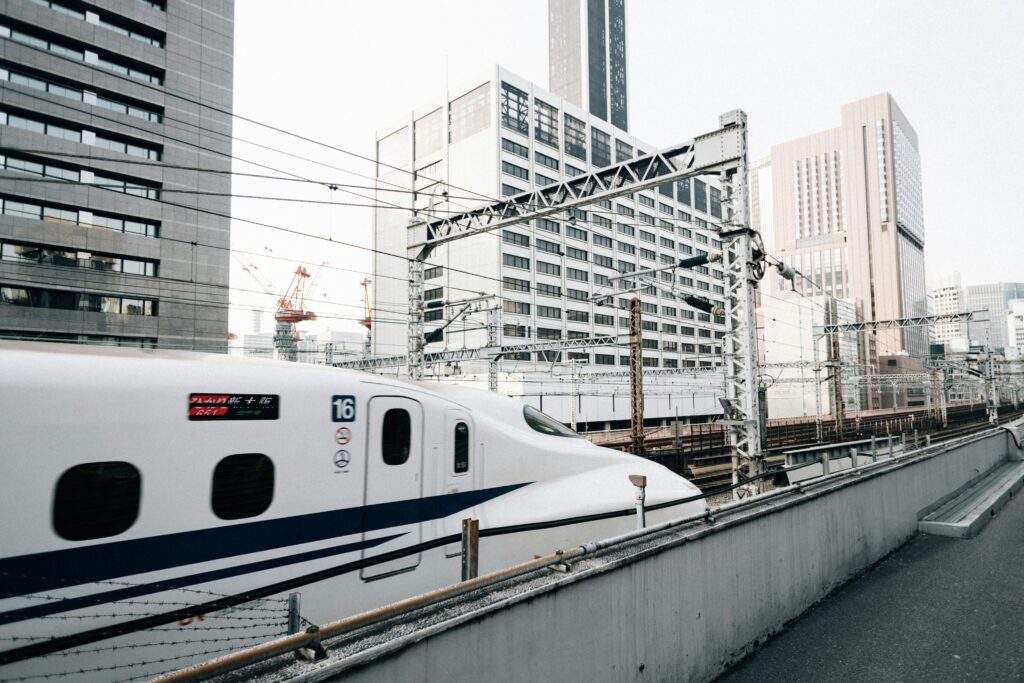
To get the best out of your Tokyo day trip, here are some suggestions about where to stay and what to pack.
Recommended Tokyo Hotel Cheat Sheet
The Prince Park Tower Tokyo
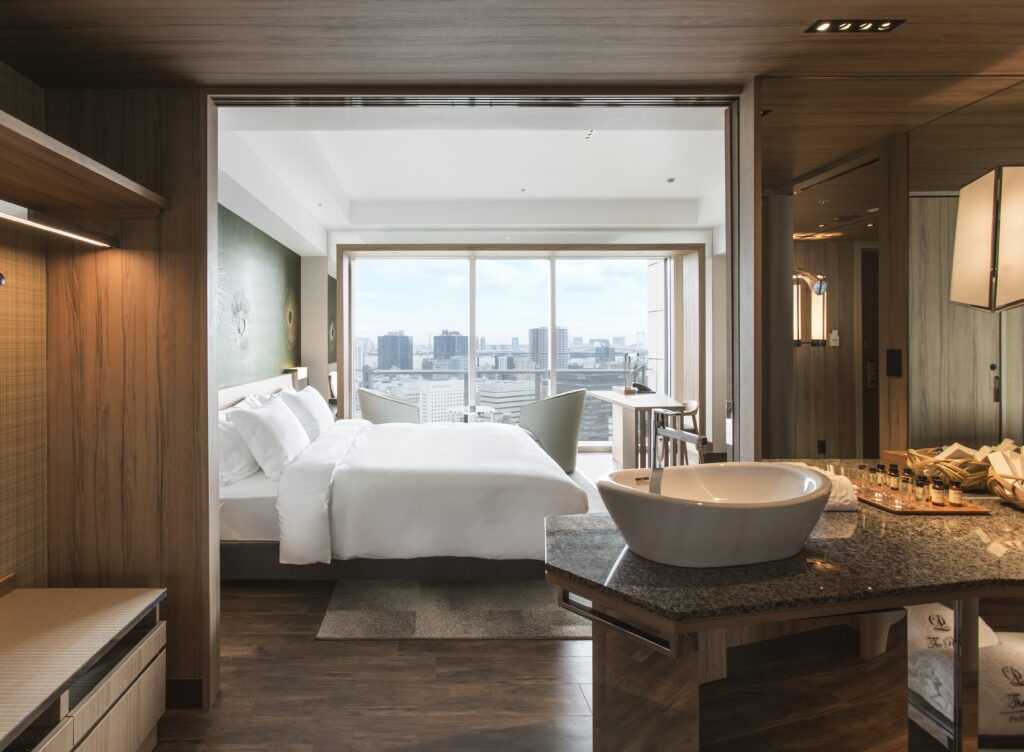
- Some of the best hotel room views in the city can be found at The Prince Park Tower Tokyo. Many rooms offer panoramic shots extending from Shinjuku to Tokyo Sky Tree, with the Tokyo Tower and Zojo Temple (Zojoji) taking center stage
- Short walk/quick taxi ride to Mita/Daimon Stations on the Asakusa line for Narita/Haneda Airport access; shuttles to JR Hamamatsucho Station for Haneda Monorail/JR Yamanote line transfers
- Ample restaurants include a number of Japanese choices, a bakery/cafe, and a Chinese restaurant. Breakfast buffet choices include Japanese and Chinese.
- On-site bowling facilities, spa and fitness center, salon, and a revamped executive lounge opening later this year
Imperial Hotel, Tokyo
- Imperial Hotel, Tokyo, is one of the most storied hotel names in Japan, with a history dating back to 1890.
- There have been three phases to the hotel, with the second phase having been designed by the American architect Frank Lloyd Wright. Due to that phase having fallen into disrepair, the Wright hotel entrance was preserved and moved to the Meiji Mura theme park near Nagoya. A fourth phase of development will be completed in the next decade.
- The lobby has a “see and be seen” ambiance, with an Instagrammable flower pot that changes with the seasons, and a popular cafe beset by a giant artwork made of nearly 7600 crystal glass blocks.
- Many Japanese hotel firsts were introduced here, such as the first hotel buffet and the first dinner theater.
- Its location by the Imperial Palace, the Ginza shopping district, and Hibiya Park makes it a solid choice for shopping, dining, and reaching the Shinkansen and other rail lines of Tokyo Station.
Takanawa Hanakohro
- A “ryokan within a hotel,” Takanawa Hanakohro, a Small Luxury Hotel of the World (SLH) member, occupies part of the Grand Prince Hotel Takanawa, yet has its own elevators and check-in facilities
- A few minutes’ walk from JR Shinagawa Station, providing both Shinkansen, regional rail, Yamanote, and Keikyu line access to Haneda Airport.
- Views from the rooms look upon the Prince Hotel Takanawa Garden, a peaceful and photogenic green space where patrons can feed koi, admire the seasonal nighttime exhibits, and take a break amidst the urban rush
- Guests can avail of the Hanakohro lounge cocktail and snack time, enjoy a Japanese set breakfast in their huge rooms, and are even able to visit any of the other Seibu Prince hotel lounges that border the aforementioned garden
Travel and Packing Tips For Your Day Trip
Although credit card acceptance is much more widespread now than just five years ago, it’s best to have cash for non-chain stores, many restaurants, and establishments outside of the largest cities. On that note, to make regular rail travel and some convenience store/fast food purchases more hassle-free, consider obtaining a prepaid transit card, such as Suica or Pasmo, in the Tokyo area.
Tokyo might have mild winters (~3°C-10°C), but its summers are mercilessly hot and humid (~33°C-38°C). As is the case with many four-season destinations, visiting early-middle spring and/or fall is best, albeit busy times due to cherry blossom and fall foliage crowds, respectively.
It would be uncouth to expect all of Japan to understand English. You don’t have to memorize a dictionary, but learning some words and phrases that are beneficial to you would also help others.
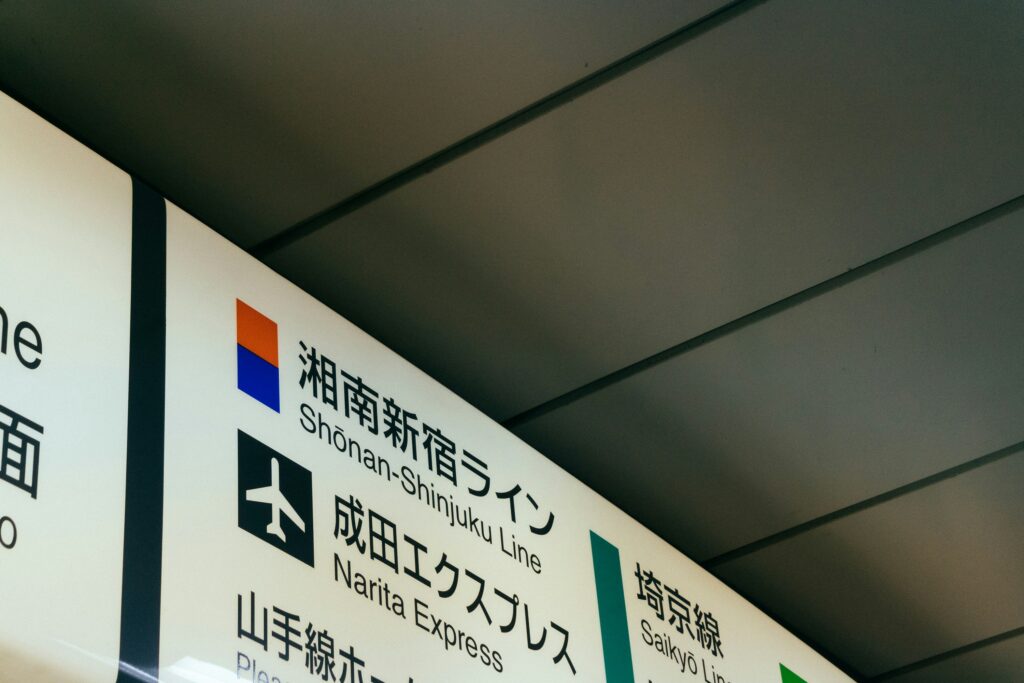
However, signage at airports, train stations, and major points of interest have plenty of English to go around. Not to mention, many popular commuter rail and tourist trains have, in addition to Japanese in English, Chinese and Korean announcements and signs.
If you don’t want to have to deal with your luggage while traveling, opt to use a service like takkyubin (宅急便). Takkyubin counters are available both at airports, in certain city neighborhoods, and at some other touristy hotspots. Even if staff isn’t bilingual, the forms are; alternatively, ask the concierge at your hotel for assistance.
There are also plentiful coin lockers scattered about many train stations, airports, bus depots, and in some key tourist zones such as the Asakusa and Ueno districts in Tokyo. Depending on the age of the lockers, they accept coins/bills, prepaid transit cards such as Suica/Pasmo, or both.