

Winning for the ninth time, Qatar Airways has been named the World’s Best Airline in the annual Skytrack World Airline Awards – think of it as the Oscars of aviation – which might not come as a surprise for those who have flown the Doha-based carrier.
However, it’s Asian airlines that continue to dominate, with Asian carriers taking 7 of the top 10 spots for 2025. With world-class service, the newest aircraft, constant innovation in service, design, and dining, and investment in cutting-edge technology, these airlines are thrilling customers and redefining global aviation standards in the process.
We take a closer look at why Asia isn’t just leading Asian airline rankings but global airline rankings – and what this means for their passengers.
Asia Takes the Skytrax Throne
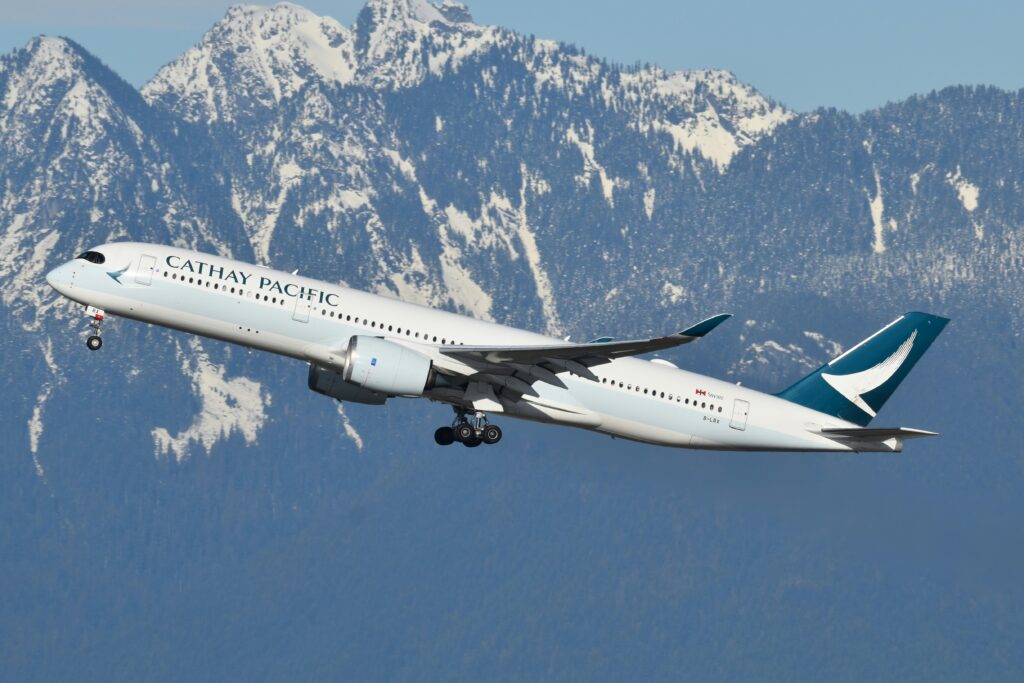
The most coveted airline awards in the industry, the 2025 Skytrax World Airline Awards surveyed 21 million travellers from over 100 nationalities to find the best carriers in the business.
While major players Qatar Airways and Emirates retained their places in the top 10 rankings, Asian airlines, including Cathay Pacific, Singapore Airlines, and ANA, continue to be recognised as market leaders, taking the second, third (up from fifth last year), and fifth spots respectively, with
In addition, Taiwan-based EVA, Korean Air, and Chinese carrier Hainan Airlines also made the top 10 ranking, with STARLUX, which only began operations between Taiwan and major cities in the United States in 2020, taking home the Most Improved Airline award while also being named a Skytrax Five Star Airline, one of only a handful globally.
Showing that Asia is the home to the best airline staff service and luxurious aviation experiences, the top 10 airlines in the World’s Best Cabin Crew were all from Asia, with Singapore Airlines taking the top spot as well as the Best First Class awards (followed closely by Cathay Pacific, ANA, and Japan Airlines).
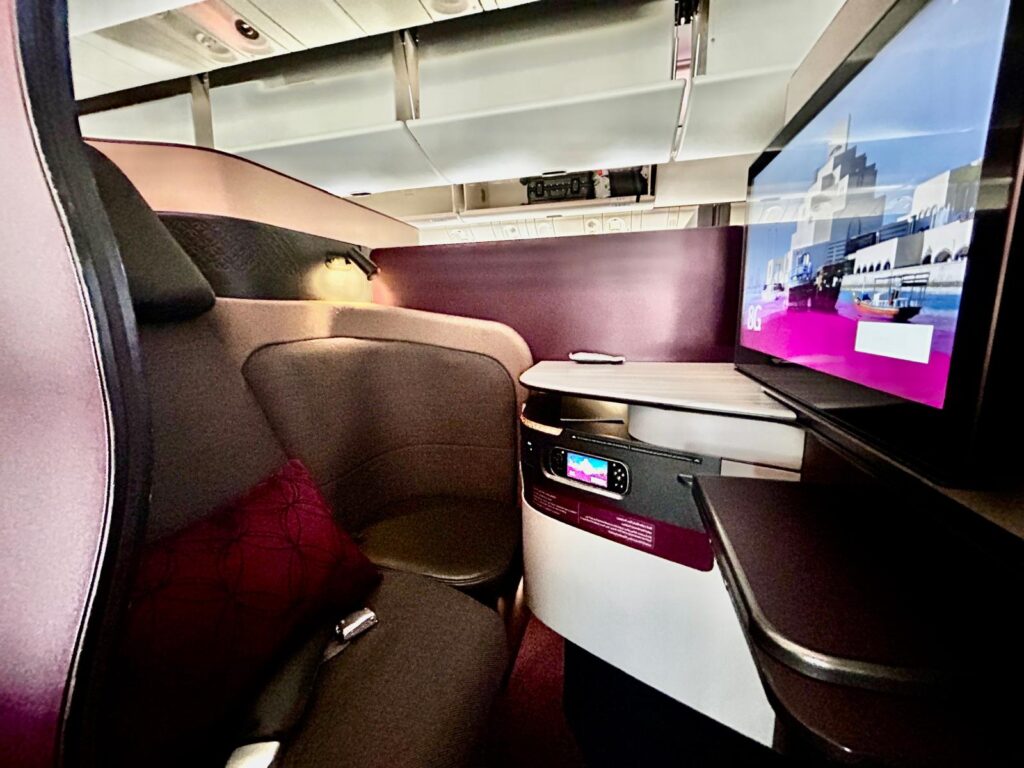
Of course, Asia’s dominance in aviation will come as no surprise to regular global travellers.
Not only do the region’s leading airlines embrace the traditional values and inherent hospitality of Asia, but a large population base and a relatively deregulated aviation industry mean plenty of healthy competition which, unlike in the US and Europe, translates to quality, innovation, investment and authenticity rather than cost-cutting and penny-pinching.
In fact, companies like Hong Kong’s Cathay Pacific, Singapore Airlines, and STARLUX invest heavily in crew training, instilling world-class levels of service and consistency (on both long-haul and domestic routes).
The crew of these leading airlines ensure guests feel welcomed and attended to from the moment they approach a check-in counter, enter a lounge, or board a plane, with a strong focus on traditional hospitality, timeless etiquette, and military-like precision. When coupled with innovation in terms of technology, entertainment, and inflight dining, these efforts translate to levels of brand loyalty unlike anything you’ll find outside Asia.
“Politeness in customer service is ingrained in the Asian culture whereby it is expected that service provided should be above and beyond,” says Beige de Lange, a former flight service instructor for Asiana Airlines. “Image is [also] an integral part of branding in Asia. How you package a product reveals a lot about how a brand values their product and their customers… An airline’s cabin crew is the visual part of the entire brand experience.”
A focus on multi-lingual, high-performing crews that anticipate guest needs and deliver consistently excellent and personalised service, a strong focus on reliable performance, including on-time departures with very few cancellations, and a strong ethos of rewarding passenger loyalty.
I admit I do love being welcomed by name by the purser on every Cathay flight, and regular investment in the newest, most efficient, and most comfortable aircraft ensures Asia’s leading carriers will remain a force to be reckoned with.
Innovation in the Cabin
Beyond the service, Asia’s leading airlines invest considerable resources in ensuring that aircraft cabins are places of tranquility and sophistication, and seats are comfortable and innovative.
While economy class in any of the leading Asian carriers is guaranteed to be a market leader (especially compared to the US and Europe), the leading players take comfort to new levels with dynamic, ground-breaking business and first-class products.
These range from Singapore’s coveted First Class Suites, each of which features a comfortable leather armchair as well as a permanent bed (and which can be paired with its neighbour to create a spacious bedroom for two), to Malaysia Airlines’ newly introduced Business Suites on its 737 MAX, delivering an innovative lie-flat product on short-haul routes, and Cathay’s newly launched leather-lined Aria business class, with its privacy doors, Bluetooth connectivity and wireless charging incorporated into the armrest.
Whichever Asian airline you’re travelling on, you’re likely to enjoy quiet, modern cabins on newer planes, wide, comfortable seats, and cutting-edge in-seat entertainment and connectivity, including wifi access that’s increasingly standard.
End-to-End Experience

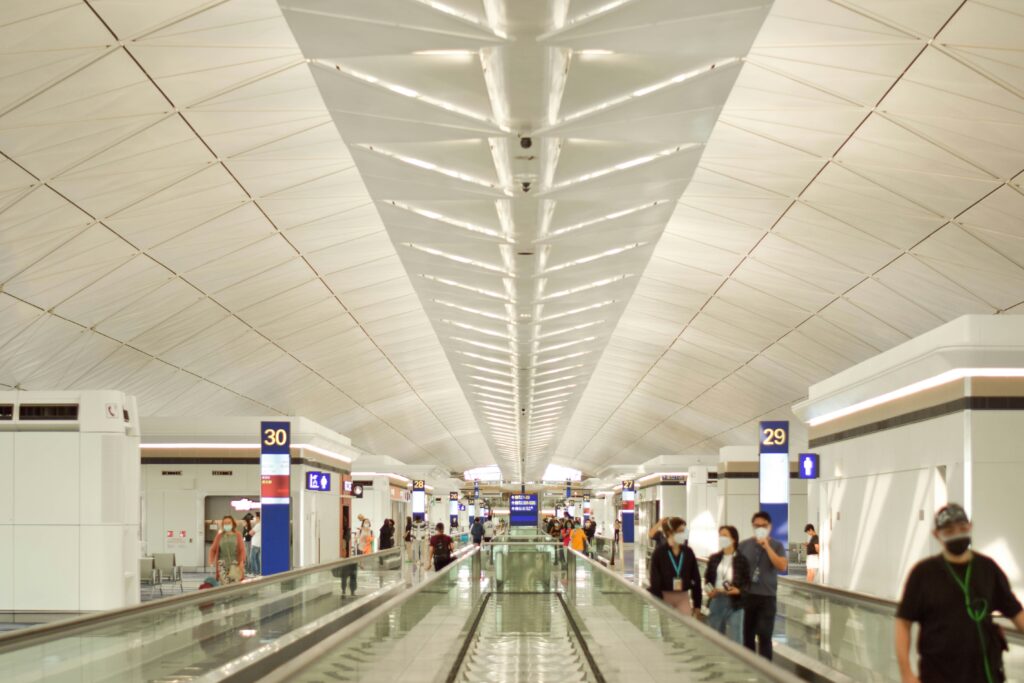
Like its airlines, Asia’s leading airports are also savvy, sophisticated, and user-friendly. Incorporating cultural motifs, traditional hospitality, sustainability, and technology (biometric check-in anyone?), the passenger journey at this aviation hub has become the key focus, replacing cold functionality with inspired architecture, wellness-orientated amenities, passenger-centric interiors, and plenty of spaces that allow the journey to really begin on the ground.
Whether you’re gazing up at the plummeting waterfall at the centre of Singapore’s Jewel terminal, sipping cocktails atop the Skybridge at Hong Kong International, or taking in the flower-inspired architecture of Beijing’s Daxing Airport, the creation of Zaha Hadid, you’re bound to feel like you’re anywhere but a chaotic stress-inducing airport, despite millions of travellers passing through each year.
From a more practical perspective, intelligent gate positioning, travelators and internal trains, self-check-in kiosks, seamless e-gates at immigration, and the incorporation of public facilities into each space make these airports a breeze to navigate.
In fact, instead of crowded departure lounges, scruffy concourses, and surly staff, you’ll find:
- Outdoor and indoor spaces,
- A plethora of dining outlets,
- Day spas,
- Luxurious airline and pay-in lounges,
- Free transit city tours IMAX cinemas (Singapore Changi),
- Ice-skating rinks and museums (Incheon),
- Bathhouses (Tokyo Haneda),
- Waterfalls (Changi’s Jewel terminal), and (of course)
- Great shopping precincts (I personally love Changi’s sunflower garden and its pay-in outdoor swimming pool, the perfect spot to kill those transit hours).
This means that passengers meet their departing flight feeling refreshed, invigorated, entertained, and certainly less stressed than they would if they were flying anywhere else.
Tech Meets Human Touch
No stranger to the application of technology, Asia’s leading airlines have been quick to incorporate cutting-edge tech into every facet of the travel experience.
The goal is to make the travel experience intuitive and personalised and includes everything from inflight entertainment systems that are linked to your loyalty program and remember what you like to watch and listen to, to airline apps that allow you to browse menus and order dishes well in advance.
Some airlines allow guests to elect when their meal will be served, all with the press of a button on the seat-back screen, while others incorporate AI to help guests enjoy a seamless travel experience.
For example, Singapore Airlines has partnered with OpenAI to create a virtual assistant that suggests real-time flight suggestions and recommends personalised itineraries, while carriers like ANA have incorporated high-speed inflight internet to allow streaming on their inflight entertainment systems.
In addition, Cathay’s new Aria seat features wireless charging and customisable lighting, while many airlines, including Korean Air, have turned to AI for intelligent baggage tracking, offering passengers the chance to track their luggage using software like Apple’s My Location.
How to Fly Smarter on Asia’s Best Airlines
With stiff competition among the region’s leading airlines, it’s fairly easy to enjoy the best that these carriers (and the airports they serve) have to offer.
From making the most of competitive loyalty programmes that offer great redemption opportunities to using credit card memberships to gain access to lounges and additional perks, the tricks of the trade will only make your next journey more enjoyable.
Short Routes, Big Experiences
If you’re keen to enjoy a little luxury in the sky, you can’t go past some of the marquee routes where the planes typically used on long-haul routes offer a nice step up from the regional puddle-jumpers.
For example, Emirates operates its iconic A380 – complete with more than 70 business class seats – on the 2.5-hour Hong Kong-Bangkok route, with seats often sold for very competitive fares. While the route is short, there’s more than enough time to enjoy the business class seat’s in-seat minibar, great dining, and a cocktail (or two) in the coveted Onboard Lounge.
You can also snap up great business class fares on routes like Hong Kong-Manila, which is often operated using the airline’s newest addition, the A350, meaning you’ll enjoy a long-haul product on a far shorter regional service.
If you’re looking to travel further afield, get in early to snap up one of the great premium economy seats on Cathay’s super popular Hong Kong-London route, which offers a significant step up from economy without the hefty price tag of business, or think about travelling via a closer destination (for example Hong Kong to the US via Taiwan) for great connection deals.
Unlock with Points and Partnerships
Airline loyalty is everything in Asia, and the region’s airlines make it easy to accumulate and spend points.
Many, including Singapore Airlines’ KrisFlyer, allow travellers to earn points whether they’re booking a flight, a rental car, or a hotel room, while Asia Miles, which has had a long partnership with Cathay Pacific, offers more than 800 partners with whom consumers can earn points that can then be redeemed for flights and upgrades (and even luggage allowances).
Also look out for the many airline and hotel partnerships that mean you’re earning points that will lead to free room nights, free flights, and free upgrades. After all, you’re travelling, so you might as well ensure you’re getting all the value you can along the way.
What Western Airlines Can Learn
With all this focus on the guest experience, technology, and investment, Asia’s leading airlines are leagues ahead of those in the US (in this year’s Skytrax awards Delta was the top-scoring US carrier, in the 22nd position) as well as many in Europe.
In both North America and Europe, older aircraft, less motivated staff, restrictive employment regulations, extensive unionisation, a lack of infrastructure investment (both in the air and on the ground), and the decline of service culture have led to air travel becoming a chore rather than an enjoyable experience.
This mindset has been exacerbated by the rise of low-cost carriers, which pile on additional charges, regularly cancel or delay flights, and offer all the inflight service of an inner city bus.
While new regulations in both the US and Europe are aimed at holding airlines accountable when they delay or cancel services, a lack of investment means that even the best carriers in each region are a shadow of Asia’s leading airlines.
Asia is Setting the Aviation Standard
With risk comes rewards, and that’s why Asia’s leading carriers, which have made efforts to invest in crew, service ethos, aircraft, and on-ground amenities, are enjoying such popularity (and profitability) now.
Recognised in this year’s Skytrax awards and taking 7 of the top 10 spots among global carriers, Asia’s best airlines are not only spoiling passengers in the region but are paving the way for better air travel experiences for years to come.
So next time you start to book your next vacation, think about travelling through Asia so that you too can enjoy the future of commercial air travel and remember what it was like to be excited before that next flight.