

Have you ever wondered why the people of Okinawa count more centenarians per capita than almost anywhere else on Earth, or why the rugged mountain villages of Sardinia boast men who regularly live into their 90s? Well, you’re not alone. The secrets of such long-lived communities have sparked a whole new trend in globetrotting, and it goes by the moniker of Longevity Travel.
It’s been called the latest buzzword of the industry by National Geographic. Meanwhile, Esquire has hailed this the era of Longevity Travel. But why now? There’s a lot to unpack there, but it looks as though there’s something going on in the zeitgeist.
Advances in medicine and biohacking are colliding with lifestyle movements that prioritize prevention over cure, experiential travel over doing nada. The pandemic – remember that!? – heightened global awareness around resilience and immunity. Meanwhile, affluent travelers once satisfied with a Maldivian beach are increasingly seeking experiences that deliver long-term benefits, not just fleeting indulgence.
Let’s be clear here: This isn’t just about unwinding with a Swedish massage or getting a facial in Bali. Longevity Travel is better defined as a combination of science and geography; of health and exploration. At its core, it’s about destinations, programs, and experiences that don’t just help you relax in the moment but actively contribute to long-term health and vitality.
Underpinning all that is a renewed fascination with the world’s so-called Blue Zones. From the salt-washed shores of Sardinia to the sun-kissed Greek isles, these are the places where the general population tends to live pretty darn long.
Of course, you don’t have to visit a Blue Zone to participate in Longevity Travel, but it could help. Similarly, you could head over to a high-tech medical clinic in Switzerland or Singapore for tailor-made biological diagnostics. That’s Longevity Travel, too. You may venture to a meditation retreat in the Himalayas. Definitely Longevity Travel. You could go on a health-focused cooking course in the Med. Also, Longevity Travel.
Curious to know more? This guide will delve into the world of Longevity Travel, showcase some of the more popular destinations and experiences related to the trend, and even reveal how you can go about planning your own personal longevity-focused getaway.
The Benefits of Longevity Travel

Longevity Travel is about taking more than just a holiday – it’s an investment in your long-term health. You’re not simply heading off to tan on a sunbed somewhere for a week, though that does sound rather lovely! On these trips, your aim is to leave with some lasting improvements in how you feel, live, and age.
Naturally, it’s about getting active. Running, hiking, surfing – there are all sorts of ways to do that. Longevity trips could include trail running jaunts to the French Alps or island-to-island swim retreats in Greece. The benefits? Surely that’s obvious. Exercise has umpteen benefits, from direct physiological improvements to an uplift in mental health.
Many longevity programs also emphasize evidence-based practices such as nutrition planning and medical screenings. These can help travelers identify potential health issues early, adopt healthier habits, and return home with tools for sustaining improved wellbeing – you know, like cooking up a Greek salad instead of a peanut butter sandwich next time lunch swings around!
Emotional benefits are just as important. Retreats often encourage mindfulness, meditation, and connection with nature; all things that have been proven to reduce stress and support mental resilience.
And then there’s that other crucial layer to all this: Longevity Travel aims to tap into the social side of health. It’s an important aspect, since socializing has been linked to slower cognitive decline and a drop in the risk of chronic diseases. From group hikes in Costa Rica to sashimi-making classes in Japan, these experiences foster community, a sense of belonging, and, by extension (so say the stats), better health.
Top Destinations for Longevity Travel
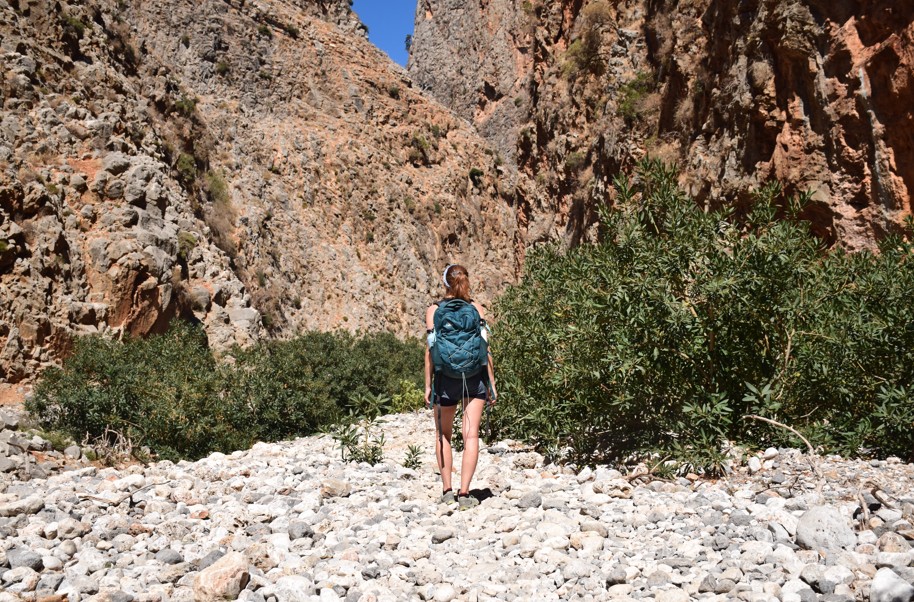
There are a handful of places that really stand out from the crowd in the world of Longevity Travel.
Among them, there are a special few that have been designated Blue Zones. Think of those as the crème-de-la-crème of longevity destinations, because they are the ones where the locals have proved it all by living really, really long.
Here I’ll take an in-depth look at the Blue Zones first and then outline a few more Longevity Travel candidates beyond…
Sardinia, Italy
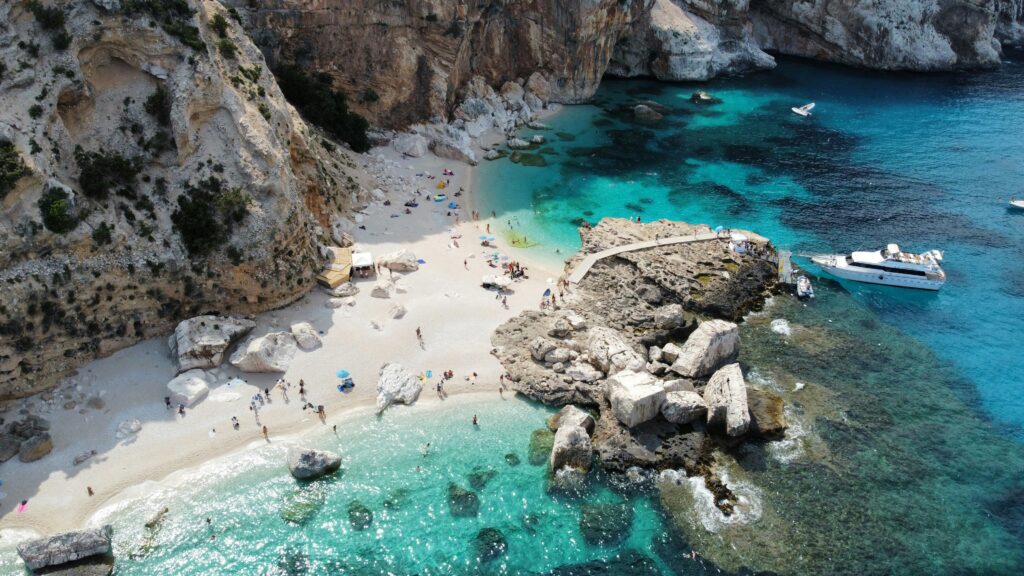
Sardinia isn’t just about the chalk-coloured cliffs and cobalt waters of the Golfo di Orosei, or the Bronze Age relics that pepper the inland mountains. It’s also one of the world’s original Blue Zones. Yep, locals here are known for living well into their 90s and beyond. To put it another way, the island is a living laboratory of longevity; a fine place to uncover the secrets of health and vitality.
It’s all very accessible. You can wander into mountain villages like Castelsardo or Baunei, hike between stone hamlets along old mule tracks (the island has some of Europe’s top long-distance trekking routes), or sit down to a communal meal of fregola salad with saffron poured over with local Cannonau wine (packed with three times the antioxidants of other reds, so they say).
You see, it’s not just about ticking off a health checklist. It’s about slowing the pace, embracing local traditions, and making time to learn about yourself.
For wellness travelers and jetsetters, Sardinia layers these authentic experiences with hints of luxury. Eco-boutique farm stays offer cooking classes that showcase longevity cuisine, while high-end resorts along the Costa Smeralda arrange spa programs using local botanicals, sea-view yoga sessions, yacht outings, and guided hikes into the wild interior.
The whole isle is best visited during the shoulder seasons of early spring or late autumn.
Ikaria, Greece
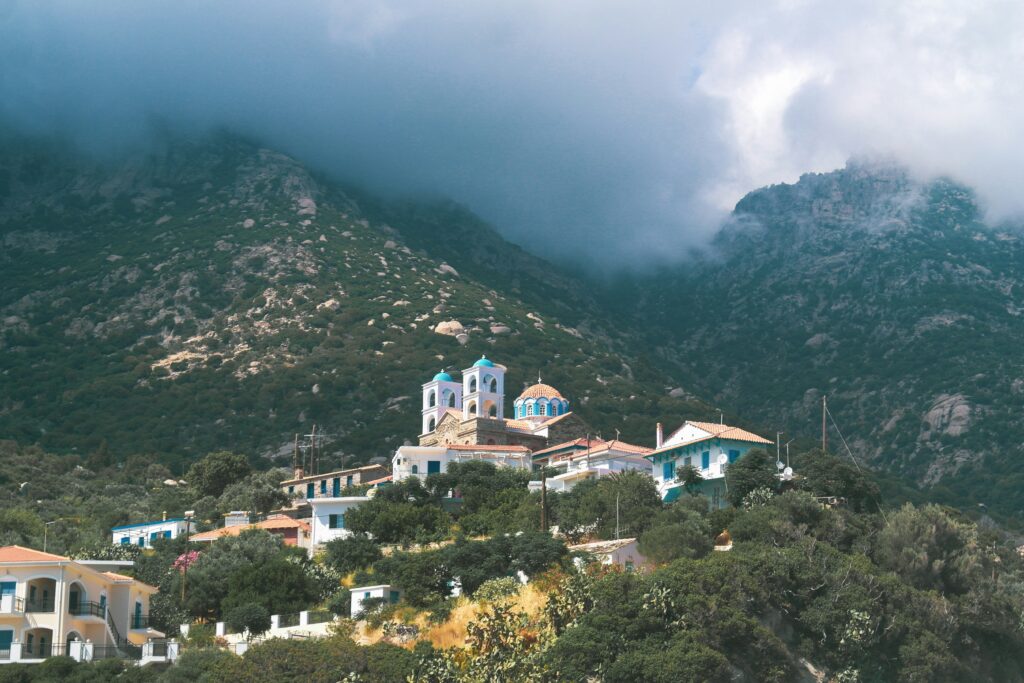
The New York Times famously dubbed Ikaria “the island where people forget to die.” It’s but a little zigzag of a rock stuck midway between the party mecca of Mykonos and the sun-splashed isle of Samos out in the eastern Aegean. A mere 8,000 people call it home, but they often do so for a very, very long time.
The numbers are pretty striking. A third of all islanders make it into their 90s, and they say ailments that are plaguing many western societies are almost non-existent here, like dementia, for example.
Theories as to why abound, of course, but the most often-talked about aspect of Ikaria is the diet. There are now whole cookbooks out there that invite folks to follow ‘The Ikaria Way’. It’s an overwhelmingly plant-based approach to eating that’s bursting with natural ingredients. Personally, I don’t need much convincing to follow. I’m an unashamed mega fan of the Greek kitchen in all its facets. Give me olive-oil-doused tomatoes and chickpea salads any day. (Bonus points if it’s served in a white-painted taverna on a pebble beach beside the Aegean.)
While you’re digesting all that, I’ll push on. Community closeness is also a central factor of life in Ikaria, an island where a string of highland villages are the main hubs of the action. These are places where locals rise with the sun, tend to their gardens, walk the mountain paths, and gather to sip ouzo and play dominoes late into the night. Missing something? How about the stress of the alarm clock, of work deadlines, of mortgages?
Of all the Blue Zones out there, Ikaria is perhaps the one that has embraced the new rep the most. There are now dedicated wellbeing retreats in ancient village houses, where you’ll wake to farm-grown breakfasts and spend your days swimming, cooking, and simply wandering around.
Nicoya Peninsula, Costa Rica
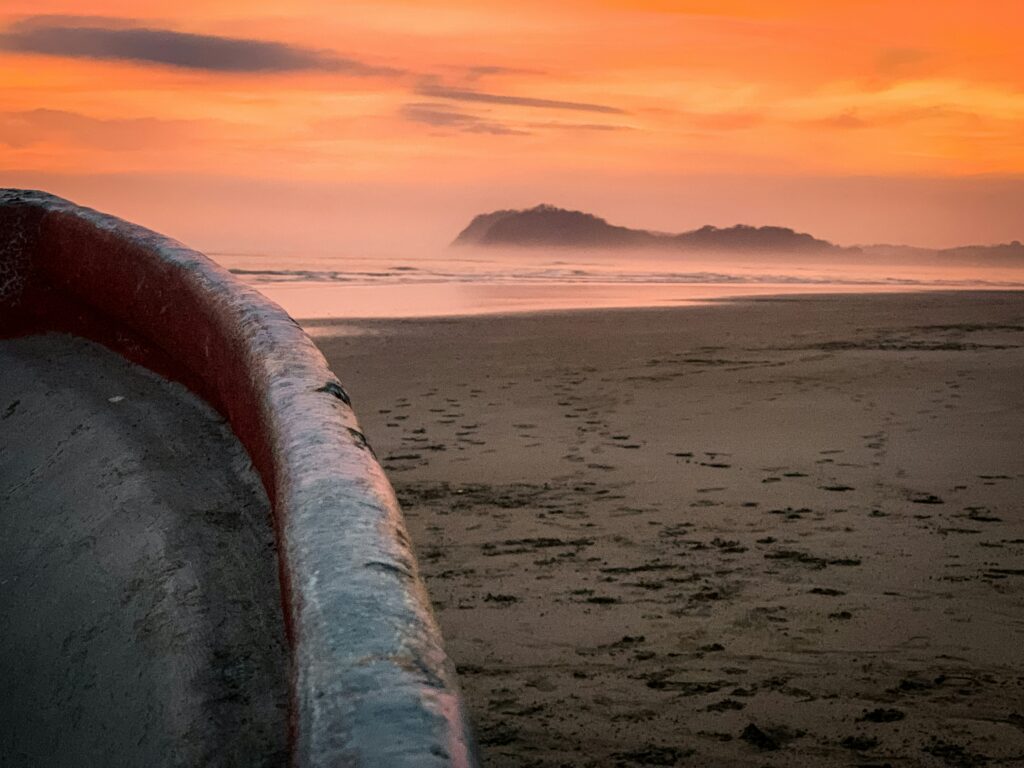
Has anyone actually ever been in doubt that the Nicoya Peninsula is a special, special place? Bending like a finger out of the Costa Rican mainland into the Pacific, it’s 75 miles of pure bliss. Indulge me a moment – I’m talking rainforest-cloaked mountains swirled in mist, beaches tinged a coffee hue where waves curl and lip against the shore, runs of palms bent double to meet the ocean, and waterfalls that run cold and clear. Mhmm.
This is one of the most idyllic corners of a country that’s been ranked as the happiest on the globe for four years running, according to the Happy Planet Index. Think on that, for if everyone living here is happy, surely the people of ultra-gorgeous, salt-washed, forest-filled Nicoya are really, really happy? Right?
True enough, the folks over at BlueZones.com specifically mention the so-called plan de vida as a reason behind the long lives of the locals in this corner of CR. It literally means “life plan,” and refers to a deep sense of purpose that guides daily routines, from rising early to tend to the fields to spending afternoons with family or neighbours. It goes well beyond career or ambition, and leaves the folk of Nicoya waking each day with a smile on their face and a reason to stay alive.
If you’re keen to visit to put together your own plan, then there are more activities and trip types in Nicoya than you can shake a plate of gallo pinto at. For example, the area has risen to become a global surf mecca in the last decade. Luxury stays right beside the waves exist in Nosara and Santa Teresa. You’ll surf with the sunrise, then meditate to the sound of howler monkeys. Other experiential retreats in these parts aim to attune with nature and Costa Rican culture in a flurry of cacao drinking ceremonies and beach meditation.
Okinawa, Japan
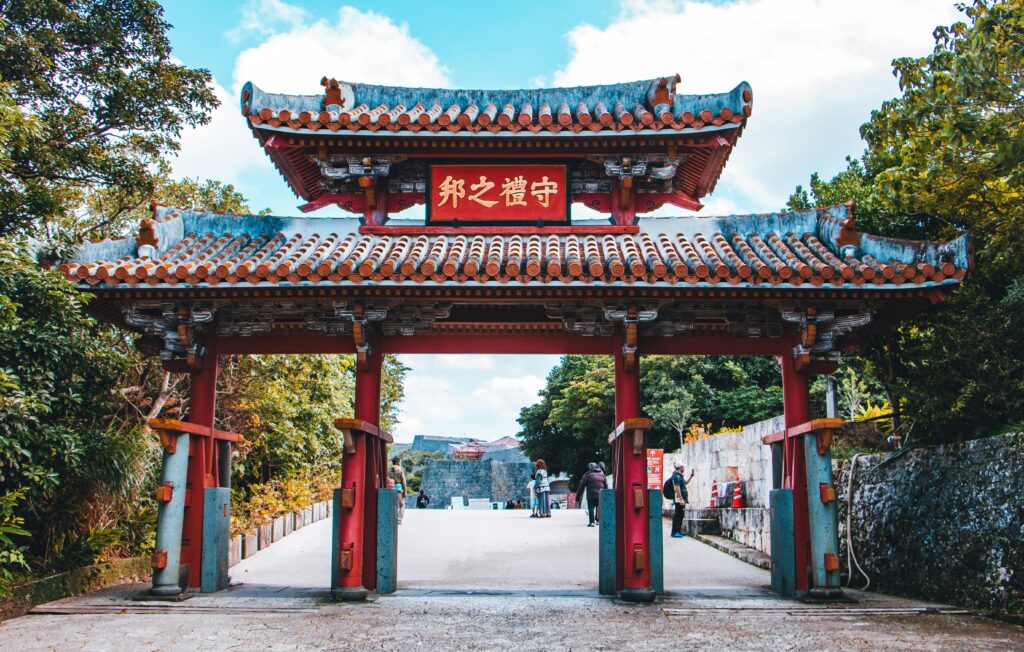
Set adrift somewhere in the East China Sea, Okinawa is Japan’s subtropical outpost. It also counts itself among the Blue Zones of the world. They say the people here have a 40% chance of living longer than their compatriots elsewhere in the Japanese archipelago. Don’t believe it? Just jet in. See all the locals in their 90s still cycling to markets and tending to vegetable gardens?
Some have put the long-lived nature of these isles down to the Okinawan tradition of the moai, a lifelong social network that begins in childhood. These small groups of friends commit to supporting each other emotionally, socially, and even financially throughout life – from beginning to end. That could be something simple like a shared weekly tea meeting. Or it could be something more complex, like support in career progression or buying a house. All that’s in a world where study after study is confirming that loneliness on its own can lead to an increased risk of mortality to the tune of nearly 30%!
Of course, it’s not just that. The Okinawan diet is equally central to the island’s reputation for long, healthy lives. Traditionally, meals are dominated by plant-based ingredients – sweet potatoes, leafy greens, tofu, seaweed – complemented by modest amounts of fish and pork. It’s like the diet the doctor ordered you to follow, only here it comes naturally.
Topping the whole lot off is the fact that Okinawa is one darn fine-looking place. Condé Nast Traveler wasn’t shy when they summed up the region like this: “a group of more than 160 islands ringed by cerulean waters, white sandy beaches, and lush landscapes.” There’s a Hyatt Regency that sits atop its own island. There are sands that would make the Maldives blush. Yeah, it’s more than worth considering.
Bali, Indonesia
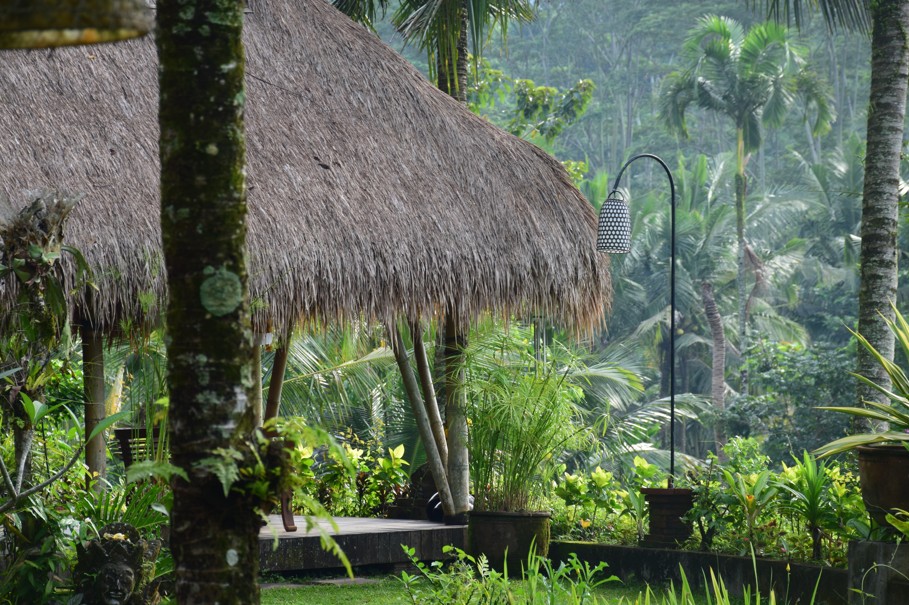
There are many sides to the mythical Isle of the Gods. Yes, there are traffic-clogged streets and pumping beach bars. Yes, there are petrol-scented cities where bazaars jostle for space with big buildings. But there are also great tracts of untouched Bali where you can escape to see rice paddies, jungles, smoke-plumed volcanoes, and the like.
I won’t beat around the bush: Bali has boomed as a wellness destination in the last 50 years, and it’s not always been pretty. Complaints of overdevelopment and overcrowding come thick and fast, and you only need to glance at Kuta Beach to see what can happen when those things are left to run amok.
But, catch it right, plan it properly, and there are few places on the globe that can feel as tranquil as this isle of central Indonesia. Take the abundance of meditation retreats that hover around Ubud. They come in all shapes and sizes, from silent retreats to sound healing centres. Many of them do not negotiate on luxury, either – think swimming pools, chef-led kitchens, designer interiors.
Davos, Switzerland
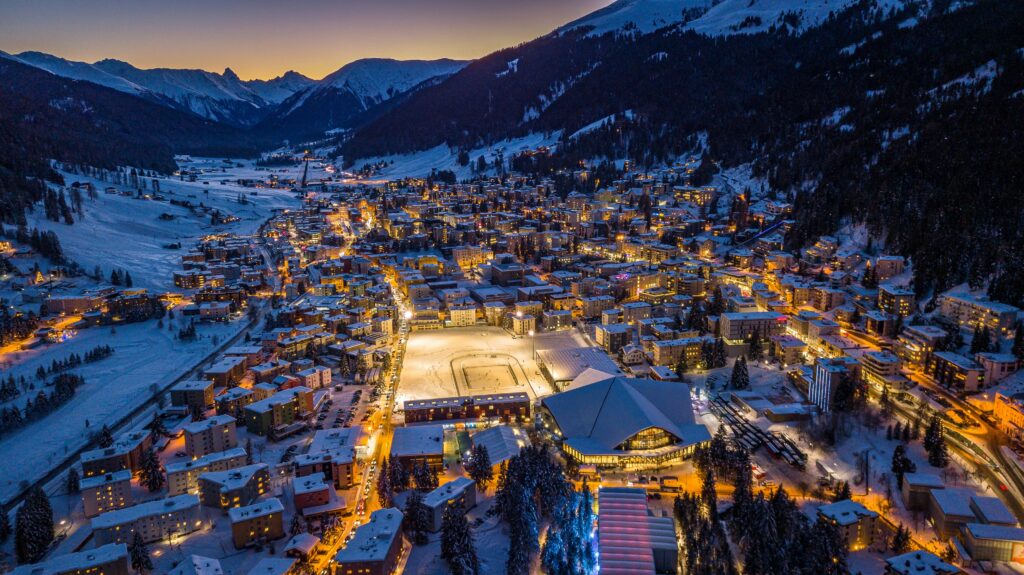
The novelists Thomas Mann and Arthur Conan Doyle both found themselves in Davos once upon a time, and both specifically because their wives had been sent for rest and recuperation. They’re just the tip of an iceberg that is years and years of medical tradition that says: Go to the Alps to get better. The driving force behind the thinking was Switzerland’s ultra-clean air.
True enough, the country remains one of the least-polluted places on the planet, scoring 40 on the global Air Quality Index (anything between 0 and 50 is the best it can be). But Switzerland has more than just clean air. It also has snow-capped mountains, slow-paced highland villages, and – here’s the ace up the sleeve – some of the world’s very best medicinal spa resorts.
I’m talking ultra-luxury retreats like the Grand Resort Bad Ragaz, a palatial spot of over 200 suites and rooms. Among its many bells and whistles is a whole onsite wellness facility in the shadow of the eastern Swiss Alps. It’s now also home to the Tamina Health Center, where you can join dedicated longevity programs that include everything from cutting-edge health diagnostics to movement plans that promote good sleep and stress reduction.
How to Plan Your Longevity Trip
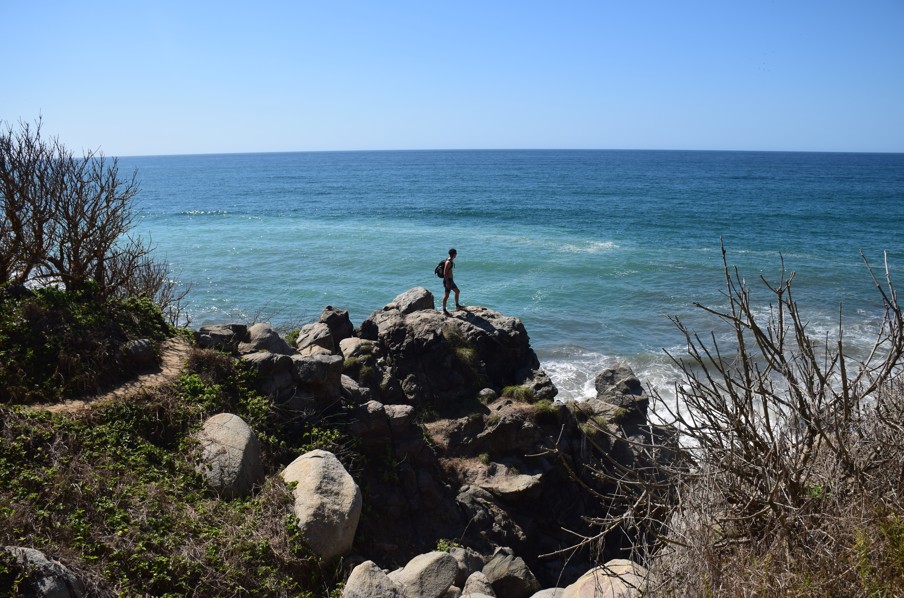
Planning Longevity Travel isn’t like planning a normal trip. The first question you ask shouldn’t be “where do I want to go?” Instead, it should be “what do I want to achieve with my health, lifestyle, and long-term goals?” Shifting from that classic wanderlust to a focus on goals is key. Then, and only then, should you start to think about “the where.”
That’s because the destination you pick will depend on what sort of Longevity Travel you’re keen to pursue. The East – places like Bali, the Himalaya, and Japan – tend to excel when it comes to mindfulness and meditation, while Europe is generally better for active pursuits, running, and high-tech medical checks.
At this stage, the process becomes more of a typical travel plan. Research the various wellness centres, longevity retreats, wellbeing hotels, and the like that are available in each place. There’s a good chance they come in a variety of budgets, but remember that there are likely to be the same shoulder-season discounts that appear with standard travel.
Finally: Book, wait, pack, then head off. Happy longevity, folks!