

One of the world’s most intriguing and welcoming cities (and one of my all-time favourites), Istanbul perfectly balances modernity and antiquity, making it a must for transit travellers bound for Europe, or as a thrilling destination in itself (it welcomed over 40 million visitors last year alone!).
With eclectic neighbourhoods, stunning UNESCO-listed sites, bustling markets, a fascinating foodscape and a rich culture that reaches back to the days of Old Constantinople, Turkey’s commercial capital is a city always on the move, always evolving, always redefining itself, and always ready to welcome new visitors.
In this Istanbul 3-day itinerary, we help you navigate the metropolis’s most interesting enclaves, its marquee sites and its most unforgettable experiences as you delve into its ancient laneways and postcard-perfect coastline, leaping at will between Europe and Asia like explorers of old.
Day 1: Culture & Crown Jewels
When we think of Istanbul, it’s hard not to think of its rich history as a strategic bridge between worlds. Perched on the iconic Bosphorus, the city’s position between the continents of Europe and Asia made it a fundamental destination on the ancient Silk Road, so our first day should be spent delving into that rich trading history.
Morning: Istanbul’s Historic Heart — Blue Mosque, Hagia Sophia and Basilica Cistern
Fuel up with a traditional Turkish breakfast – think menemen, scrambled eggs with zesty tomatoes, and warm Turkish bread with vişne reçeli, a sour cherry jam, and of course, thimbles of heady coffee. If you’re staying at one of the heavenly hotels that front the Bosphorus – including the historic Çırağan Palace Kempinski, you can marry breakfast with stunning waterfront views.
It’s your first day in this remarkable city, so let’s set a sedate pace so that we can soak up all that history and culture. Make for Istanbul’s Historic Peninsula, located south of the Golden Horn, which is made up of the buzzing neighbourhoods of Beyazıt, Eminönü, Fatih, Kumkapı, Süleymaniye, Sultanahmet, and Tahtakale. While only one of the city’s fascinating corners, this is the hub for cultural insights into the city’s past and traces Istanbul’s former walled city, once the capital of the Eastern Roman and later Ottoman empires.
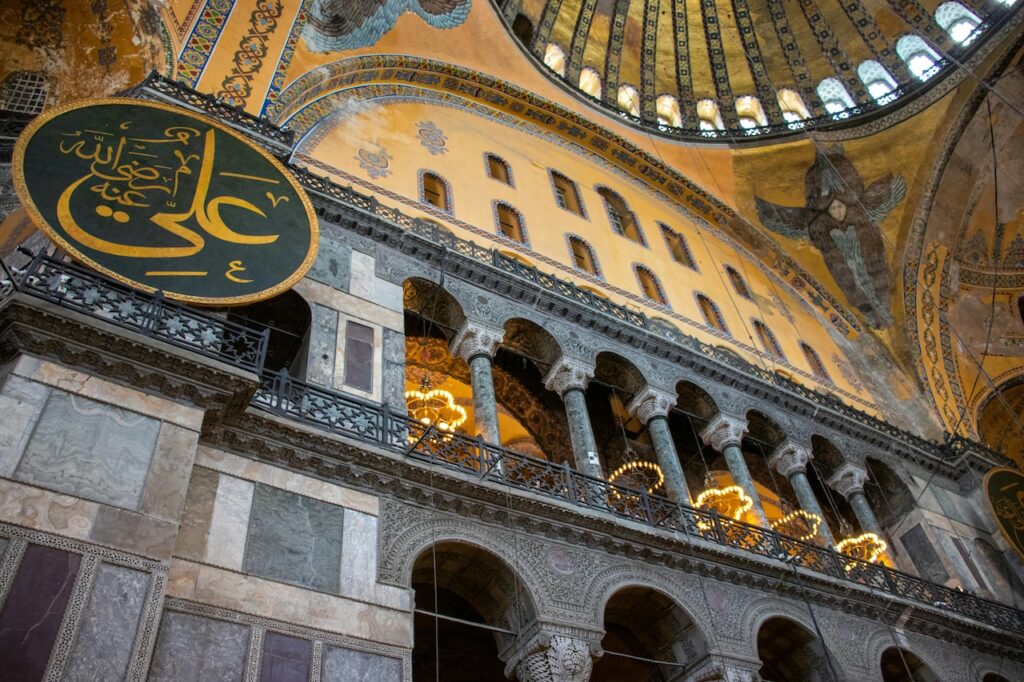
Stroll through leafy Sultanahmet Square, once known as the Hippodrome (it was a circus during the Byzantine era), which is at the heart of the city’s cultural zone, which includes the iconic Blue Mosque, famed for its blue Iznik tiles, and the towering Hagia Sophia, built at the behest of the Eastern Roman Emperor Justinian in 537 BC (it was once a Christian church and then a museum but was redesignated as a mosque in 2020). Each of these mosques requires at least an hour to explore (and factor in line-up times, especially during peak months).
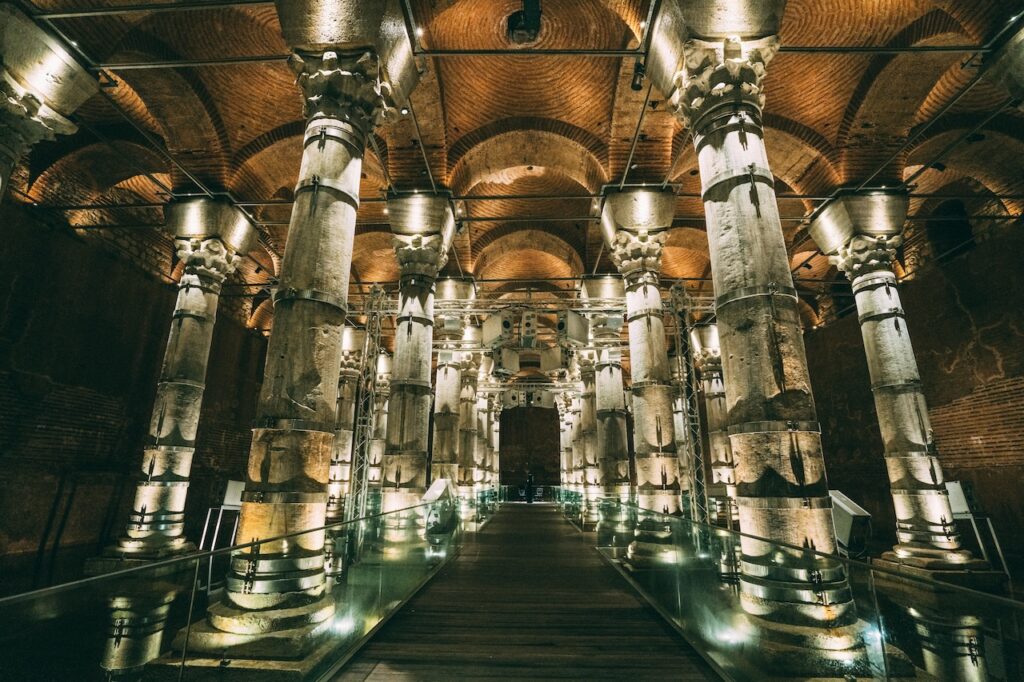
Steps away, you’ll also find the 6th-century Basilica Cistern, one of hundreds of subterranean water systems that once served the people of the city. This one was reserved for nobility, and has been beautifully preserved, so that you can walk among its 336 ancient pillars – look out for the medusa head sculptures on two of the nine-metre pillars, said to have been carved to ward off evil spirits. The cistern is beautiful but also very hot and humid, so expect to take 30 minutes to walk the designated trail among the tranquil waters and towering pillars.
Cool off in chic nearby cafe Mado, which offers great views across Mehmet Akif Ersoy Park, or better yet, order coffee to go and enjoy the shade of one of the city’s most popular green belts.
Afternoon: Palatial Treasures at Topkapi or the Istanbul Archaeology Museums
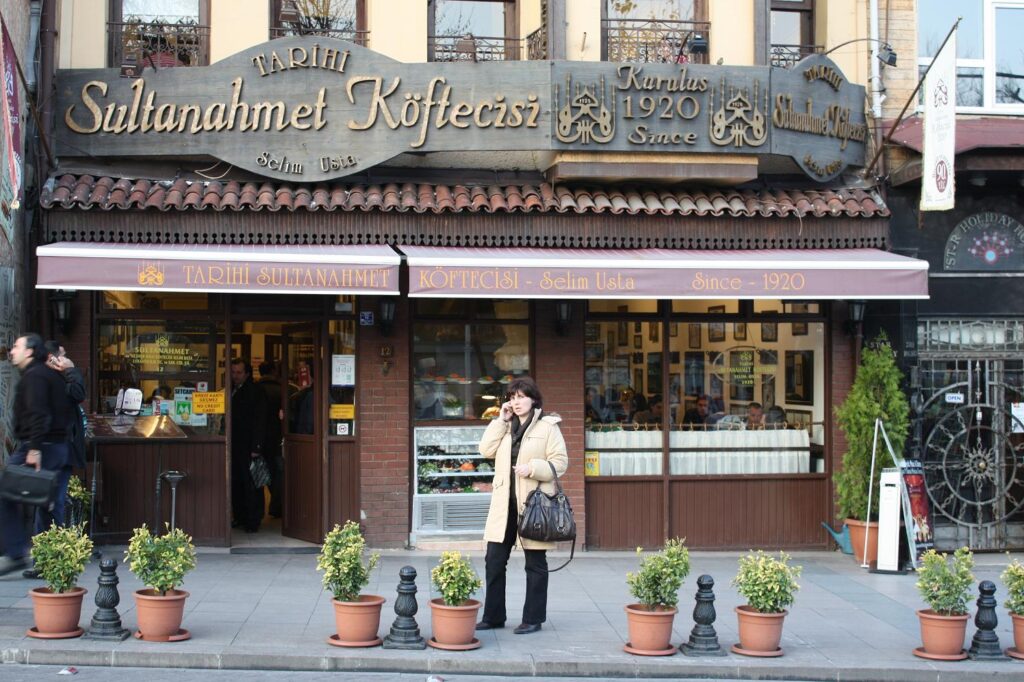
After a lunch at nearby Tarihi Sultanahmet Köftecisi, which has been making the city’s best kofta (Turkish meatballs served with fresh salad) since 1920, walk off your meal with a stroll – don’t worry, it’s downhill – to the Topkapi Palace (families might like to catch the tram from the Sultanahmet station to rest those little legs). Offering sweeping views of the Golden Horn, the Topkapi Palace, built in the 15th century, was once home to the sultans of the Ottoman empire.
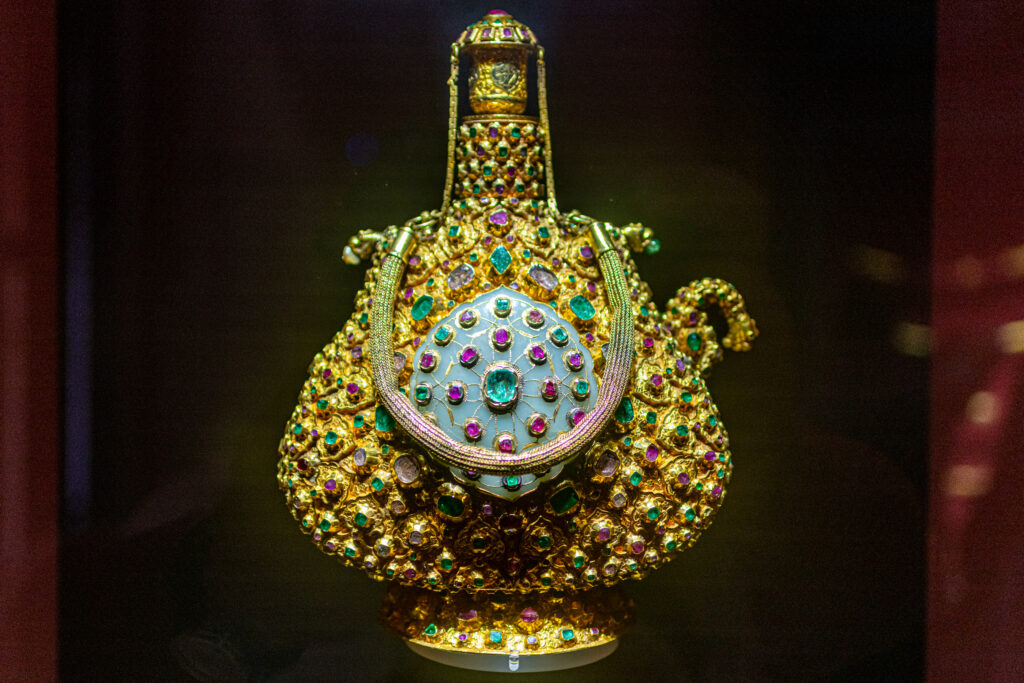
While it was restored and tweaked by different rules over its 400-year history, much of the original architecture remains and since 1923, Topkapi has been a museum where visitors can experience, if only for an hour or two, what it would have been like to live among the rulers of vast swaths of the world. You’ll be able to delve into the treasury, the kitchens, palace gardens and imperial harems, and time-weathered courtyards. Look out for the many exhibitions within the museum, which include ancient weapons, crown jewels and sacred manuscripts, including the Prophet’s Mantle.
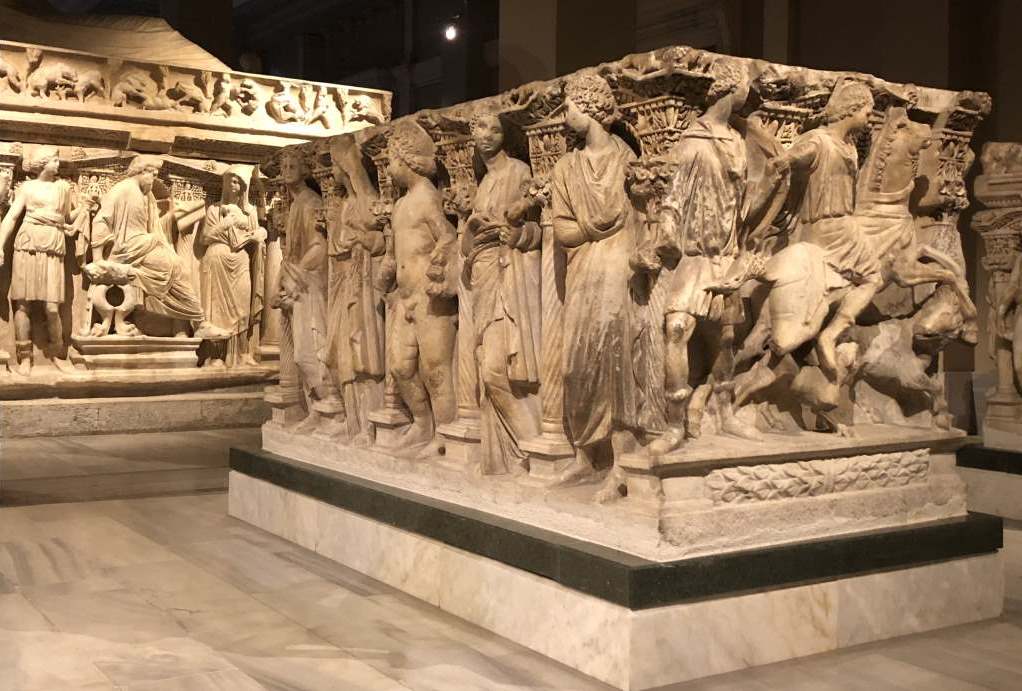
If you’re battling the heat, a nice alternative to the palace is the Istanbul Archaeology Museums, a complex of museum spaces that are home to a stunning array of exhibitions and artefacts, from the Treaty of Kadesh to the Alexander Sarcophagus (no, he wasn’t buried in it, but it is a prime example of 4th-century BC Hellenistic stone carving). As the complex’s museums are part of the Night Museums Project, you’ll be able to explore until 10 pm.
Evening: Ottoman Flavors and a Starlit Stroll Along the Bosphorus

The Ottomans were also famed for their influence on the city’s foodscape, something you can toast to at Matbah Restaurant, which is housed in a former 19th-century hospital and specialises in the cuisine of the royal dynasties.
Standout dishes I’d recommend include stuffed vine leaves with sour cherries; the ‘Sailor’s Roll’, an Ottoman filo pastry stuffed with no less than seven Turkish cheeses; and Spanish Piruhi, homemade ravioli stuffed with spinach and spices and served with a walnut and butter sauce.
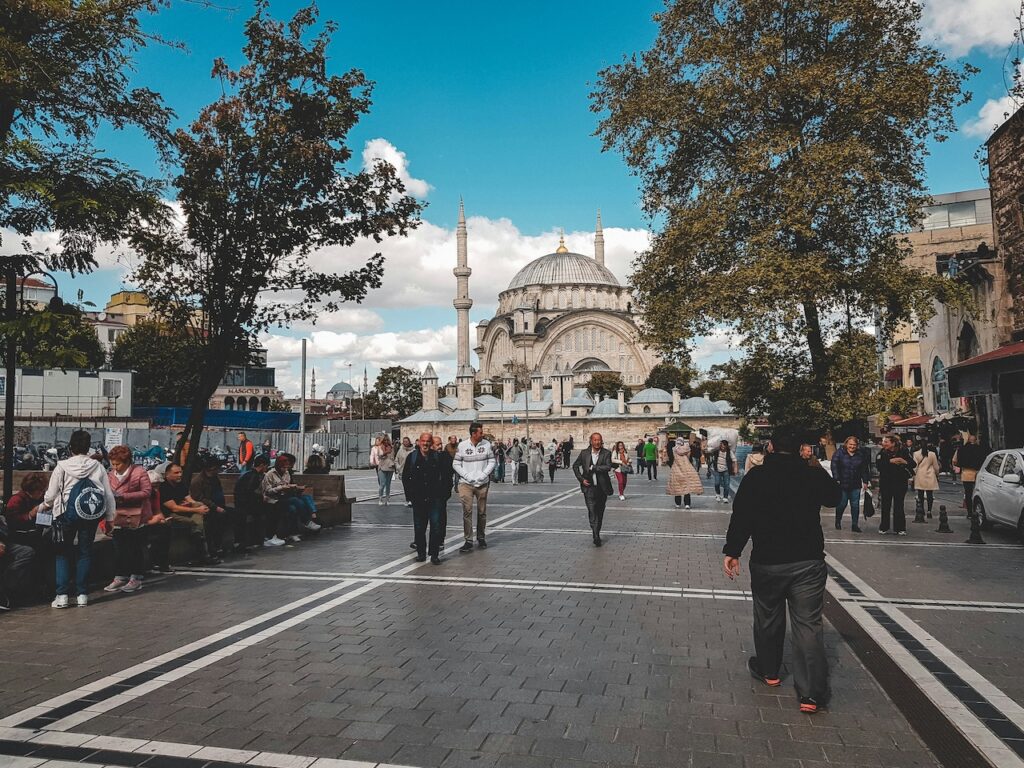
Unless you’re headed back to the museum for evening explorations, I’d suggest letting gravity be your friend as you stroll down to the Sirkeci waterfront, which is always a hive of activity. As the stars come out and the lights of Istanbul glow, look out for the beautiful 17th century Yeni Mosque, bathed in golden light, grab a glass of Tursu Suyu, a traditional pickle juice that aids digestion (there are stalls all along the Bosphorus’ edge) and and walk across the iconic Galata Bridge, a popular spot with locals and visitors alike.
Day 2: Shop Until You Drop
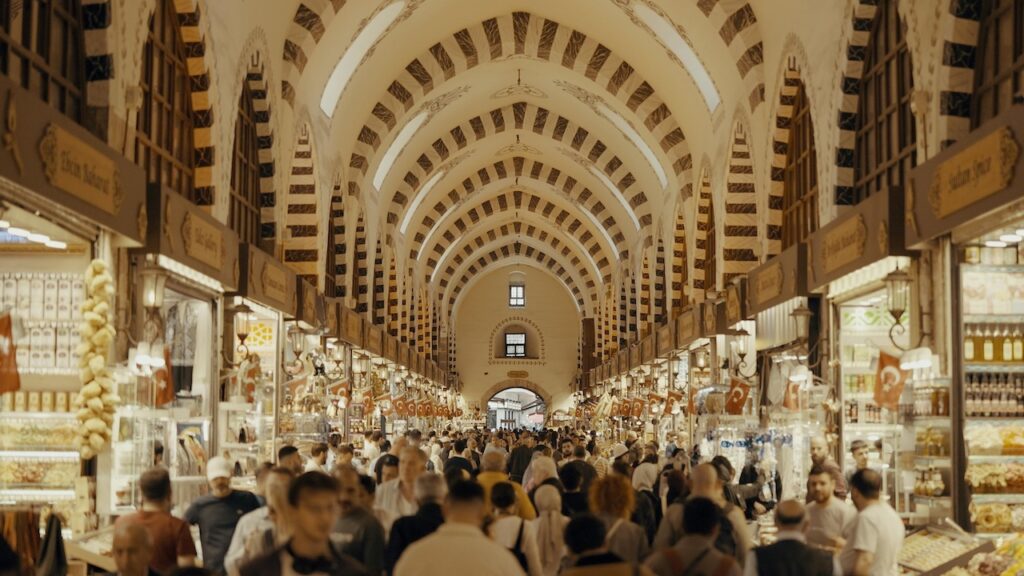
Today we’re ramping things up a little. You’re old Istanbul hands by now, so you’re ready for the crowds and haggling merchants of the city’s best markets.
Istanbul has been a trading hub for centuries, with merchants from the Far East and Africa trading with those from Europe and Russia and today Istanbul continues to thrill visitors with its array of authentic markets, each a destination in itself.
Morning: Spice Bazaar Aromas and Coffee Rituals
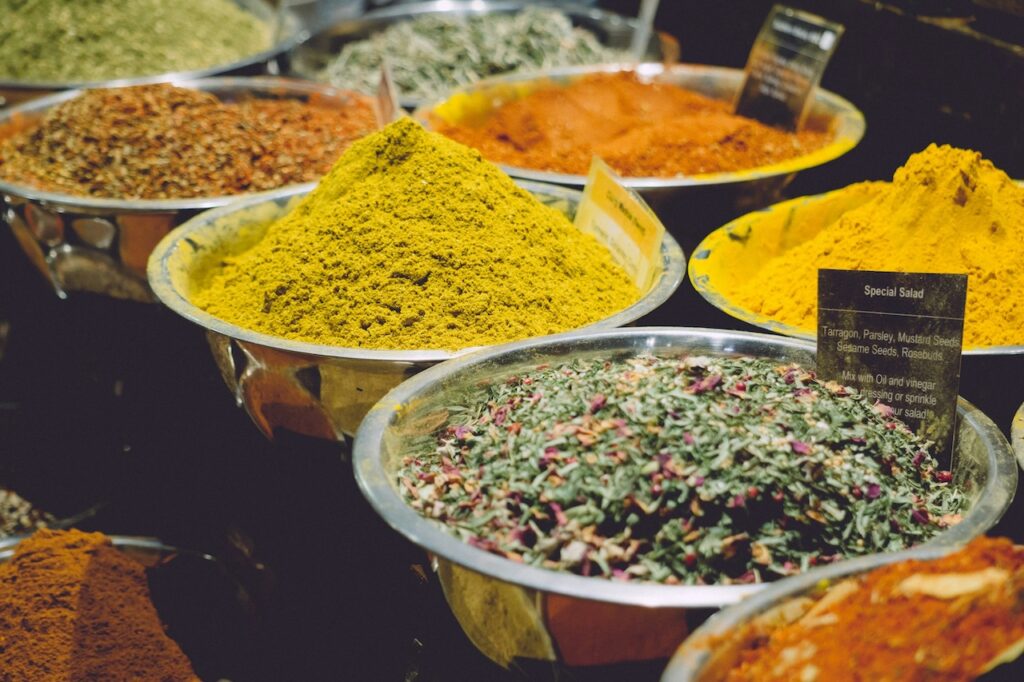
However, these timeless markets aren’t for the faint of heart, so let’s ease into it with a visit to the Spice Bazaar, located in the Eminönü enclave of Fatih and built in the 1660s. This is my favourite Istanbul market, mainly because it’s a manageable size, it’s all under cover, and it’s filled with friendly merchants who are only too happy to negotiate over piping hot cups of black tea laced with honey.
Start off with a takeaway coffee from Kurukahveci Mehmet Efendi, which has been roasting and grinding its own coffee since 1871 (be prepared to wait in line) and then zip those bags, secure those wallets (cause you never know) and delve into the ancient market halls.
Take your time and walk a few rounds through spaces perfumed with saffron, chai masala and baklava before you decide what you want to buy – many stalls in the Spice Bazaar (which was once called the Egyptian Bazaar because it was built with funds from the Ottoman protectorate in Egypt) will sell the same or similar items, especially when it comes to traditional sweets, teas, dried fruit and spices.
When you do spy something you like, from ornate stained glass lanterns to medicinal herbs and boxes of addictive Turkish delight laced with chopped dates, pistachios, hazelnuts, or walnuts, don’t show yourself to be too eager, and be sure to haggle (while remaining your charming self) to ensure you leave with a great bargain and even better memories.
Afternoon: Getting Lost in the Grand Bazaar
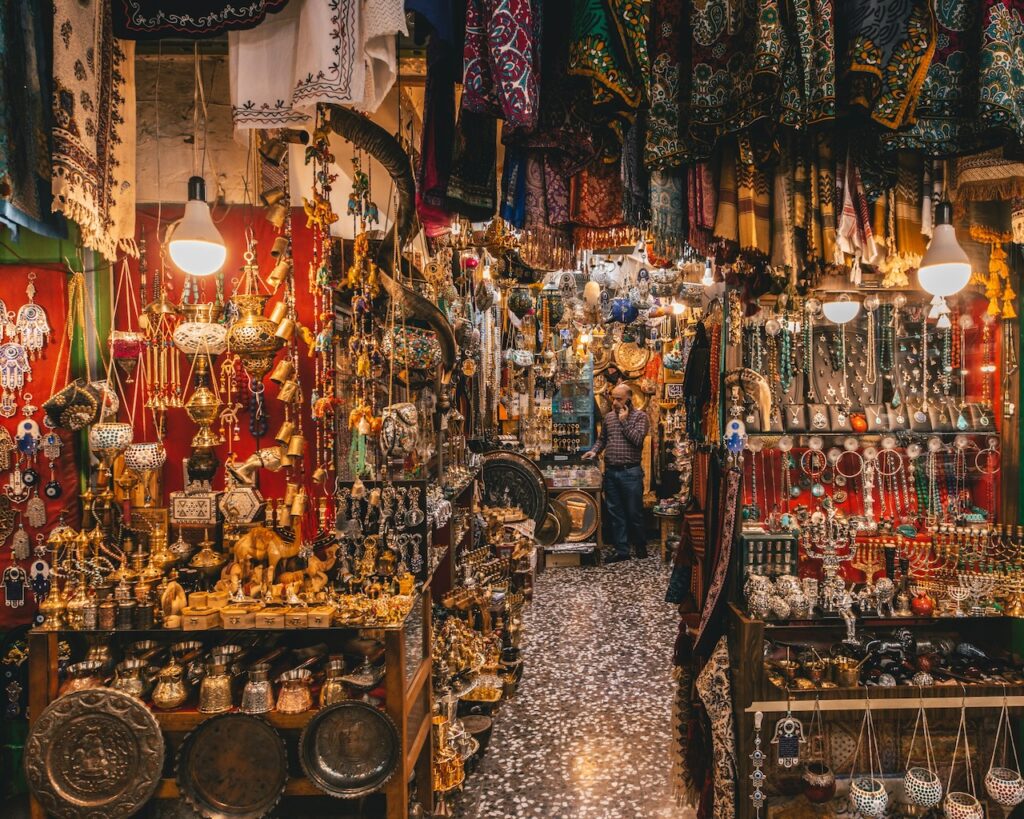
OK, now for the main show, the Grand Bazaar, a labyrinth of 4,000 stores and stalls selling everything from household items and clothing to handcrafted treasures, textiles, and timeless souvenirs. Sprawling across 61 covered streets and attracting as many as 400,000 visitors a day (especially in the lead up to Eid), the Grand Bazaar is a destination where you could spend the entirety of this Istanbul 3-day itinerary.
However, for most people, it’s enough to delve into this fascinating marketplace for an afternoon, to soak up the ancient ambiance, listen to languages and accents from across the Middle East, Central Asia and the Caucasus, and to pick up a few mementos in the process.
Regarded as the world’s first shopping mall, the bazaar really does have almost everything and it’s surprisingly well organised, with distinct sections for jewellery (look out for pieces featuring Zultanite, a rare gemstone that seems to change colour as it moves), clothing, homewares and antiques.
You’ll discover rich, hand-woven carpets and Turkish teapots, tulip-shaped tea glasses decorated with rose-hued glass, expertly hand-painted ceramics, leather goods, Ottoman-styled lamps, hand-painted Yazma-styled fabrics, gleaming copperware, reproduction of Turkish artefacts (I love the ornate chess sets) and bolts of delicate silk, a popular addition to bridal dresses.
Also look out for ornate pipes, ceramics and jewellery made from meerschaum, an ivory-like substance found in the Black Sea region and which is an Istanbul speciality.
Again, be sure to smile, be polite and haggle – if the stallholder seems disinterested, take your leave and within a few steps you’re sure to find one that is.
Once you’ve claimed your prize (or when you simply need a moment off your feet), make for Mardin Et Ve Kebap Salonu, an authentic Turkish kebab shop with outdoor seating, making it a great spot for people watching in this most multicultural of markets.
Evening: Modern Beats of Beyoğlu and Bosphorus Dining
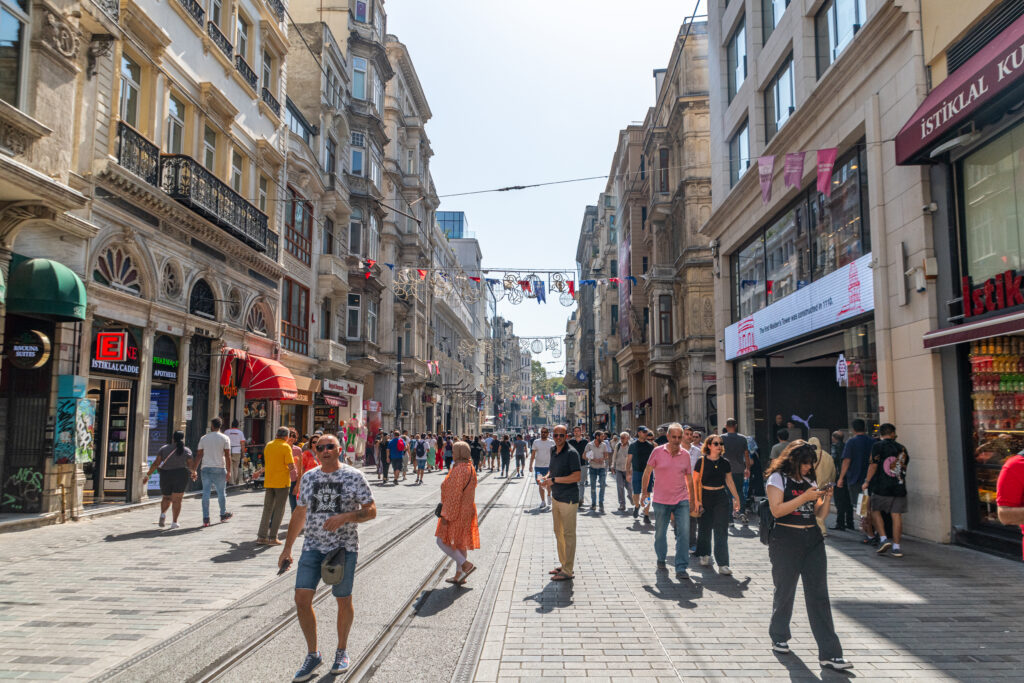
For something a little more contemporary, jump on a tram over the Galata Bridge to Beyoğlu, a vibrant district best known for the Galata Tower. However, it’s also one of the city’s best shopping precincts (many shops are open until 10 pm) for when you’ve had enough haggling.
I’d start off on İstiklal Caddesi, a broad pedestrianised boulevard that’s popular with the city’s young and beautiful (the trams can take you up the hill and right to the street). This famed shopping area stretches 1.4 kilometres and is lined with beautiful examples of Ottoman-era architecture, chic boutiques, heritage cafes and cake shops, and plenty of luxury brands from Turkey and beyond, ensuring a mix of locals and visitors alike.
Expect everything from global brands like Zara, Mango, Adidas and H&M, to local brands like Mavi Jeans, LC Waikiki, and Koton – I’d suggest checking out multi-brand stores Beymen or Vakko to get a sense of Istanbul’s thriving local fashion scene and don’t limit yourself to the main drag – there are bargains to be found in the side streets, from vintage book, vinyl and clothing stores like Robinson Crusoe 389 and Pandora Kitavevi to ceramics, fabrics and homewares at Özdilek.
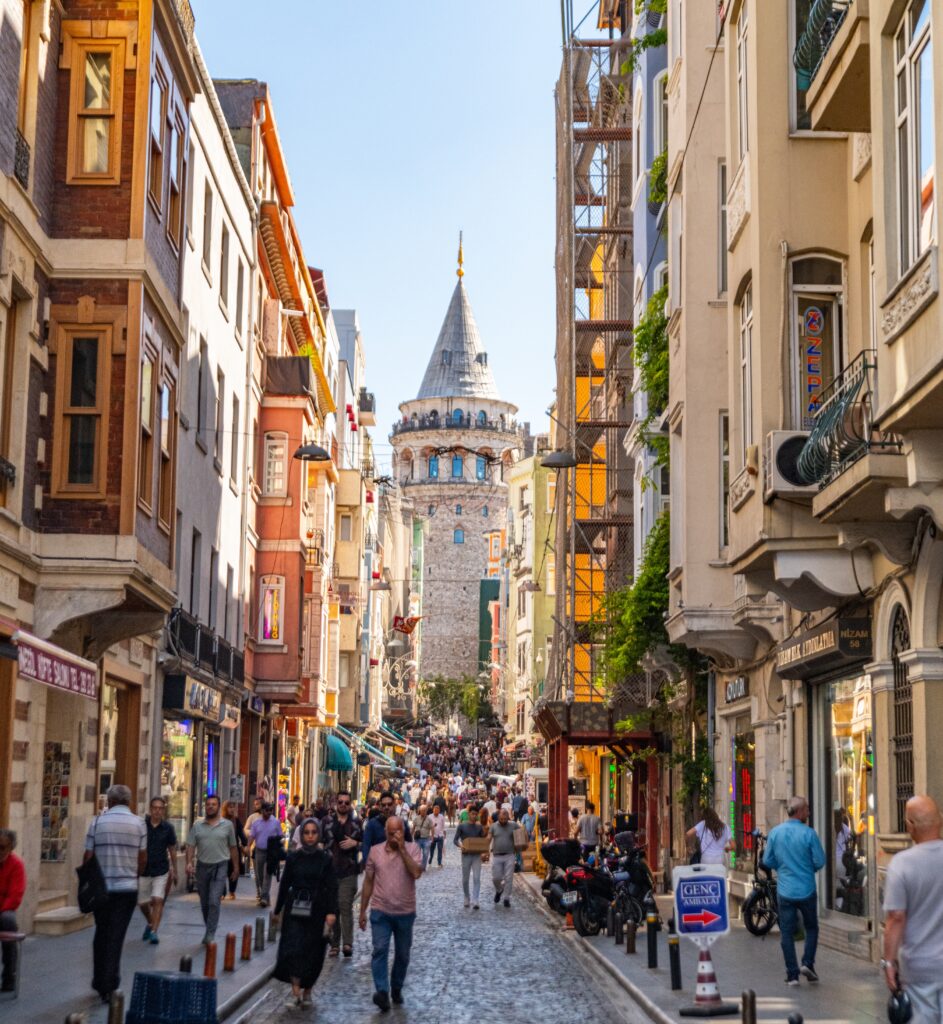
The beauty of İstiklal Caddesi (often called İstiklal Avenue) is that it runs from Taksim Square (which is worth a visit) downhill to the historic Galata Tower area, where the streets narrow and the shops begin specialising in Turkish arts and crafts, tea blends, brasswares, antiques, art galleries (I’d suggest a visit to Salt Galata) and everything else you can think of.
Once you’ve finished your explorations, slip into chic cocktail bar Flekk, where drinks like the Mörklägga, a bitter, aromatic mix of bourbon, spiced rum, cognac, and orange, are laced with local herbal tinctures and bitters.
Then soak up the views of the Bosphorus at Galata Rooftop Ocakbaşı Restaurant, located in the heart of vibrant Karaköy, where menus blend traditional Turkish ocakbaşı (grill) cuisine with modern twists – think succulent lamb skewers, pistachio kebabs, and pastrami hummus.
Day 3: Leaping from Europe to Asia
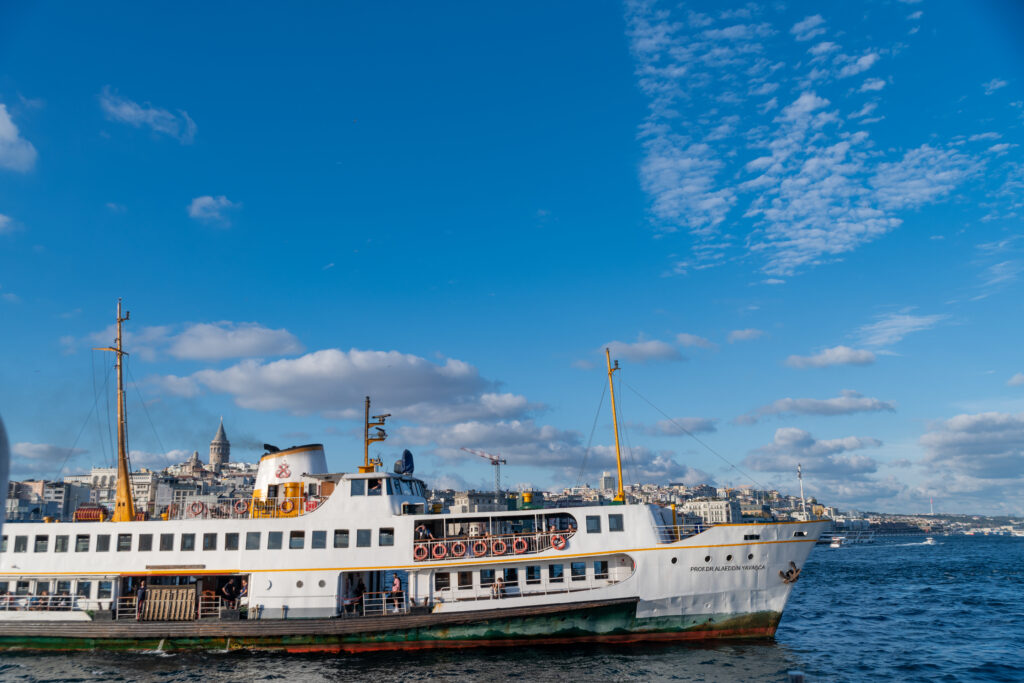
While many of the most historic aspects of Istanbul can be found on the Europe side of the Bosphorus, no visit to the city would be complete without crossing that iconic waterway and making for the Asia half of the city (also known as the Anatolian side), which has plenty to offer this Istanbul 3-day itinerary, from eclectic neighbourhoods to a stunning waterfront and a vibrant dining scene.
Morning: Ferry to Kadıköy and Market Meanders
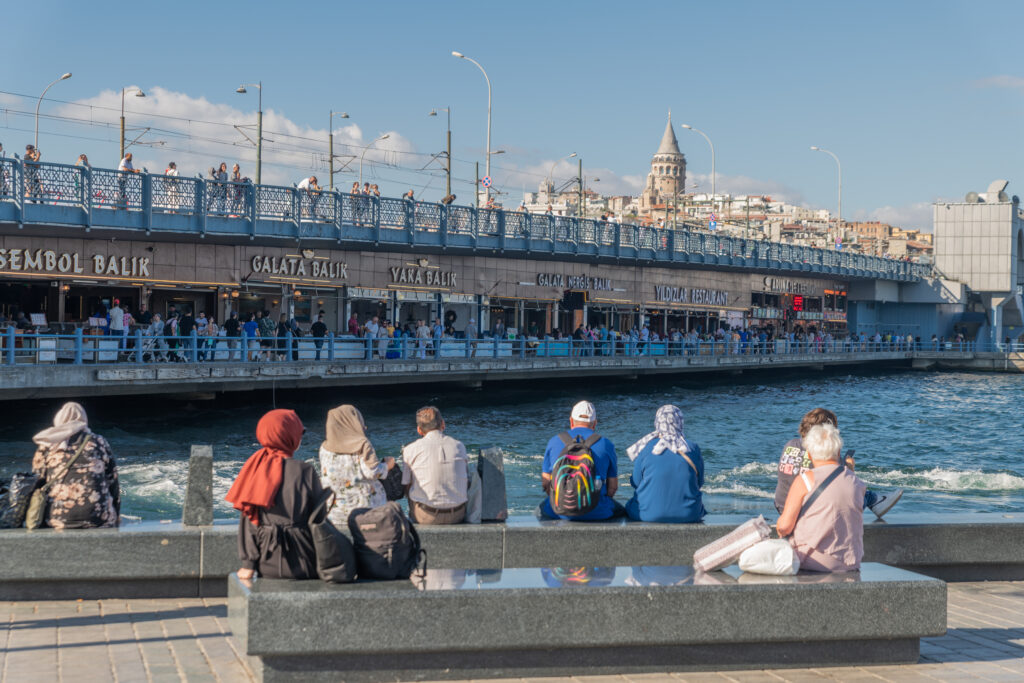
Start your adventures on the Anatolian side with an early morning ferry trip from the berths beside the Galata Bridge. Not only do these large, affordable ferries offer the bliss of slow travel, they also offer spectacular views of both Galata and the towering minarets of Eminönü and the palaces and luxury hotels that line Karaköy.
Grab a strong takeaway coffee and a warm simit – often called the Turkish bagel – which is topped with kaşar cheese or cream cheese (or Nutella if you need a sugar fix); or a fortifying kahvaltılık sandviç, a local sandwich stuffed with white beyaz peynir cheese, tomatoes, cucumbers and boiled egg, at one of the many stalls that line the Galata Bridge.
As soon as you arrive in Kadıköy on the Asia side, you’ll discover a more chilled, less busy vibe compared to the European side, with Ottoman mosques, parks and a great walking promenade lining the Bosphorus.
Kadıköy is a hive of bustling markets, Bohemian boutiques, great bookstores (Mephisto Kitabevi is a local favourite) and trendy streets lined with cool cafes. The Kadıköy Çarşı markets, located around Caferağa Mahallesi, near the Kadıköy pier, are a great place to start your exploration, as they open early and are great for grabbing street food and local finds. Expect narrow lanes packed with stalls selling everything from designer jeans to spices, olives and Turkish coffee sets.
Here you can hop on the tram that climbs the hill up to trendy Bahariye Caddesi, one of the Asian side’s most popular precincts, especially among university students because of its cosmetic superstores, quirky indie boutiques, mid-range fashion stores and retro stores. Be sure to take a peek down Sanatçılar Sokağı (the Artists’ Street), home to vintage jewelry, posters, and ceramics.
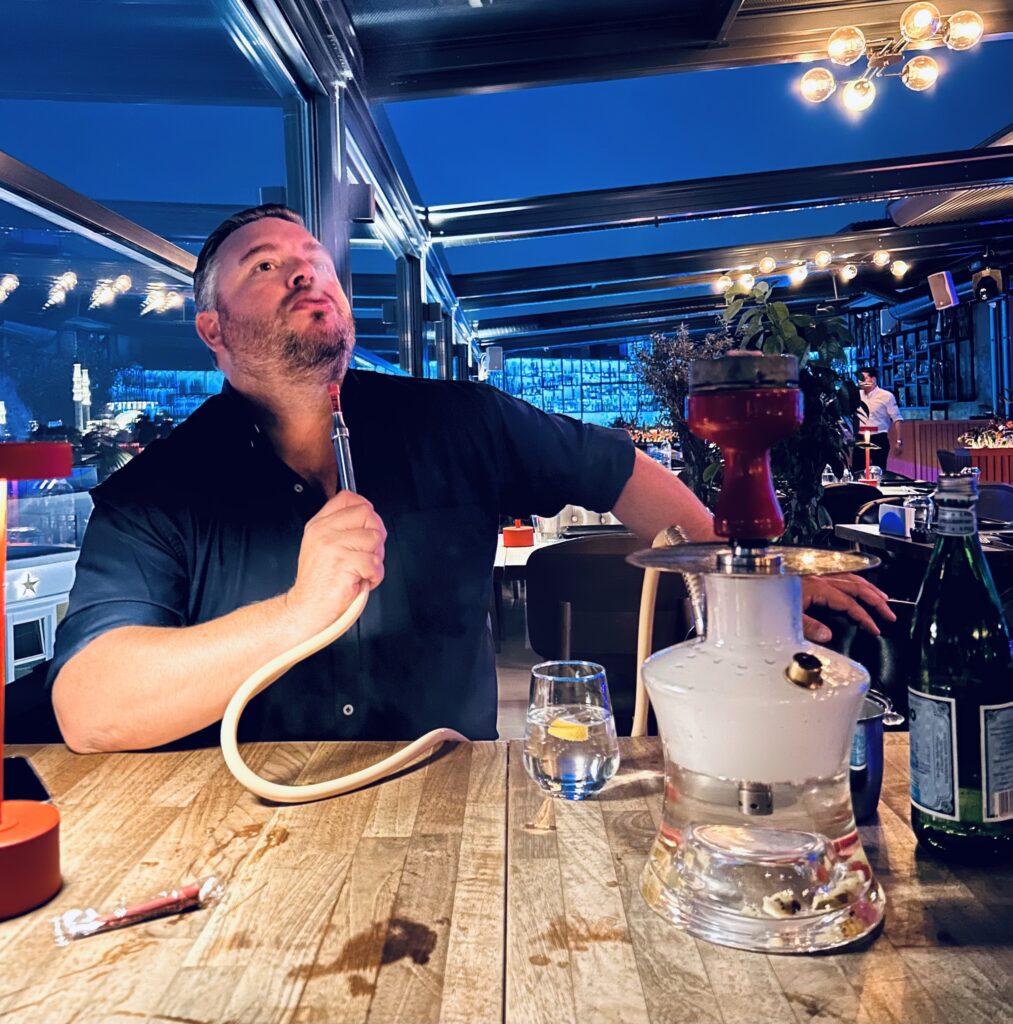
Once you’ve worked up an appetite, make for Güneşin Sofrası Meyhane, a classic Turkish taverna with a great menu of local classics and street-front tables. There’s also a bunch of great rooftop shisha bars where you can puff away in contemplation.
Afternoon: Waterfront Heritage and Sunset at Maiden’s Tower
Spend the afternoon back down by the water at Üsküdar (you can jump on the Marmaray Metro and be there in a few minutes). This is home to more historic stops, including the Beylerbeyi Palace, a 19th-century Ottoman summer residence with ornate Baroque interiors and gardens overlooking the Bosphorus Strait.
From here you can explore by foot – you won’t need to leave the water’s edge to see much of Üsküdar’s charms – to Kuzguncuk, a steadily gentrifying neighborhood best known for its colourful wooden houses, Jewish heritage sites, and tree-lined streets (it’s becoming one of the city’s most sought after places to live thanks to great connectivity to the Europe side).
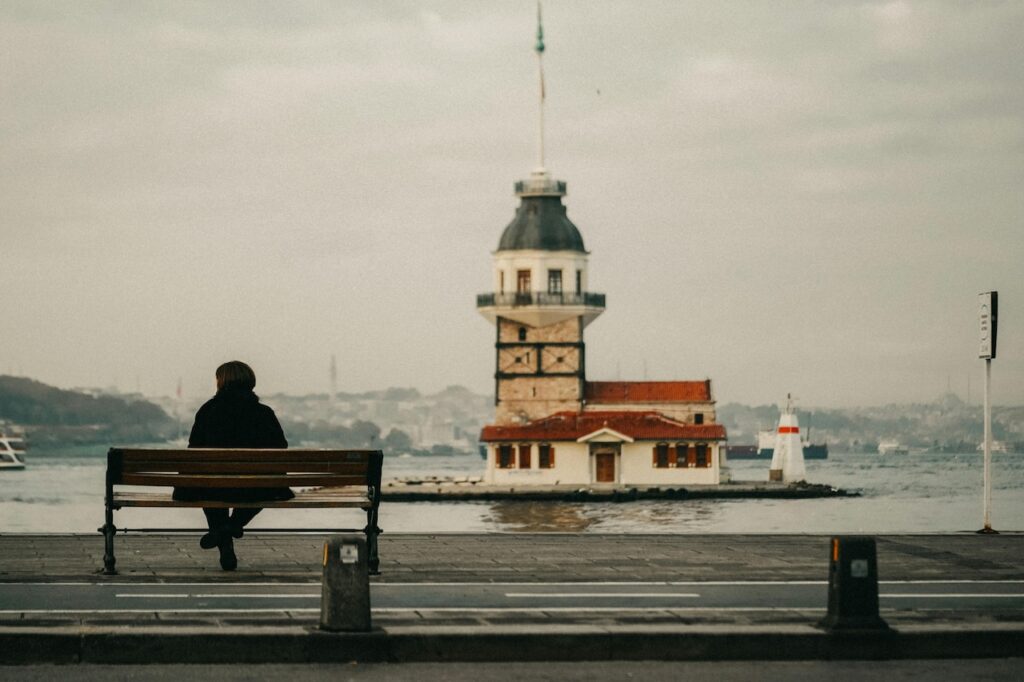
Once your culture tanks are full, walk back along the water’s edge towards the Maiden’s Tower, timing your arrival for an hour before sunset. Probably Istanbul’s most iconic site, this 12th-century tower, which seems to float above the waters of the Bosphorus, is a place of myths and legends. It’s said that a king, determined to protect his daughter from a prophesied snakebite, built the tower, which is surrounded by water, and kept her there for life.
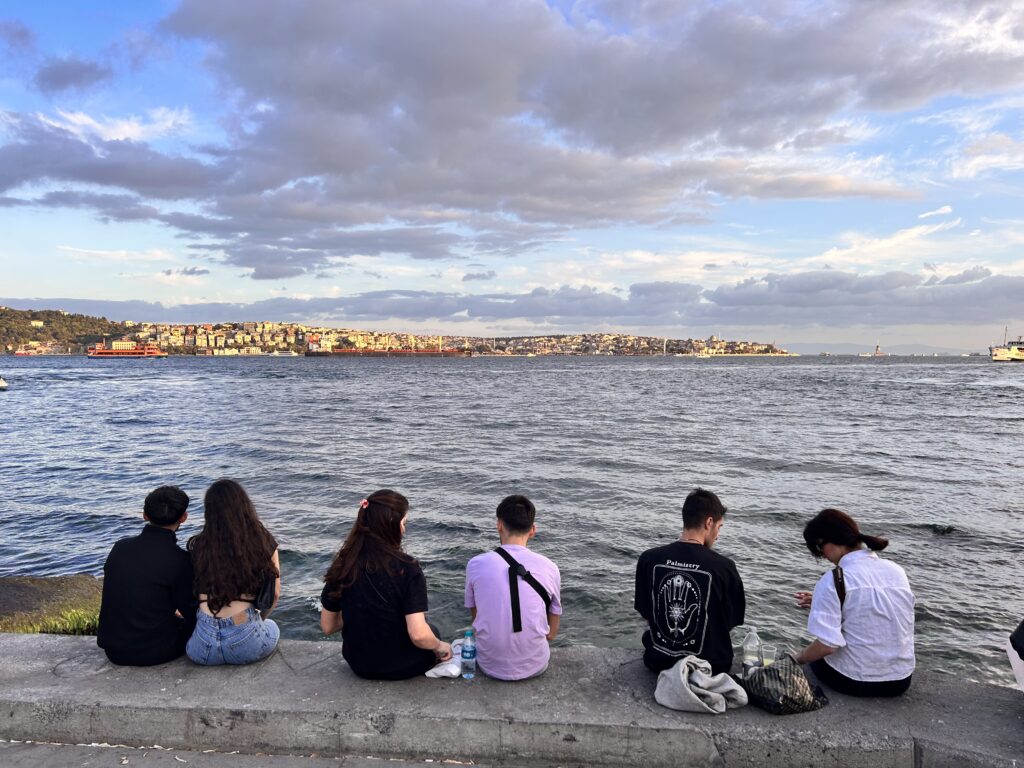
You can visit the tower (which is now a museum) with a short boat shuttle from Salacak pier, but in my opinion, the best views are from the land as you capture stunning sunsets punctuated by the ferries and yachts that ply this vital waterway.
Afterwards, grab a drink at By Lila Cafe, which overlooks Calisthenics Park and the Maiden’s Tower and is a short walk from the ferry pier, from which you’ll depart as the light drains from the sky, bound for Bebek.
Evening: Bosphorus Nights in Bebek — Cocktails and Cuisine
Grab a bus from the Karaköy end of Galata Bridge and wind your way north along the coast of the Bosphorus, ducking under the towering Bosphorus Bridge to Bebek, one of the most affluent neighbourhoods in the city. Here, parks line the water’s edge and luxury yachts jostle for position.
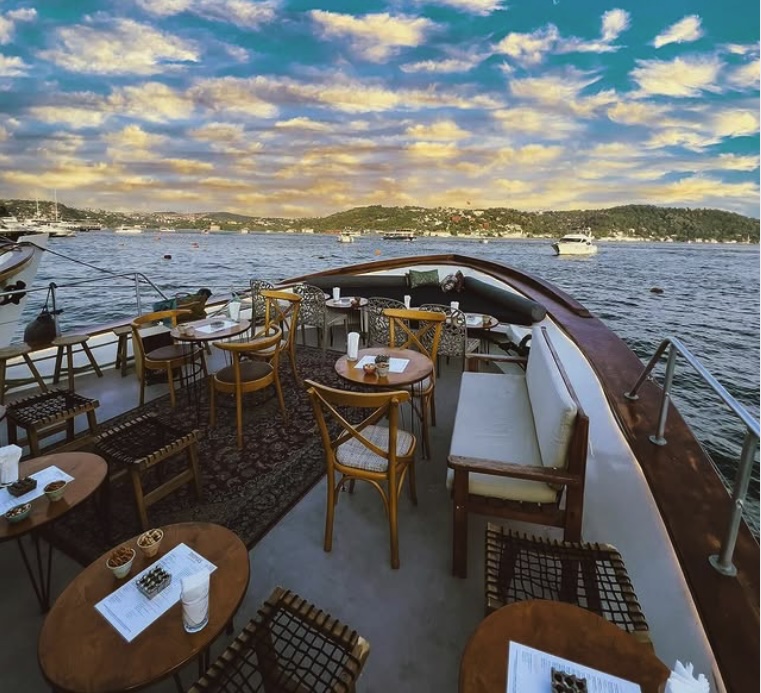
Look out for the eye-catching Egyptian Consulate, housed in a historic mansion built in 1902, as you make for Thomas on the Shore, a chic little cocktail bar housed on the historic Thomas Mann, an elegant timber cruiser (order the chilli margarita to liven up those taste buds).
From here it’s an easy walk down the broad waterfront promenade to Nusr-Et Steakhouse Bebek, a more casual but equally elegant outlet by acclaimed Turkish chef Salt Bae. Be sure to book a table in advance and then sate yourself on signatures like beef tartare with capers and cognac, and Lokum, premium Wagyu grilled to perfection and sliced thin.
You can walk off your meal in serene Türkan Sabancı Park, a popular spot with families, before catching a ferry to Eminönü or a bus along the Bosphorus to Karaköy, where I’d suggest you slip into The Bank Rooftop Bar, located at the chic Bank Hotel – be sure to try their signature espresso martini, made with whiskey, salted caramel liqueur, coffee syrup and orange essence.
Alternatively, return to Galata Bridge, where you can see the whole of Istanbul lit up. Along the approaches to both sides of the bridge, you’ll find little hole-in-the-wall stalls selling midye dolması, mussels served in half-shells and stuffed with spicy rice and sultanas, and kumpir, fluffy jacket potatoes topped with gooey cheese.
From the top of the bridge, you can bid farewell to your time in Istanbul, a city that, somehow, is always changing and yet perfectly preserving all that makes it a glorious and intriguing destination for all travellers.
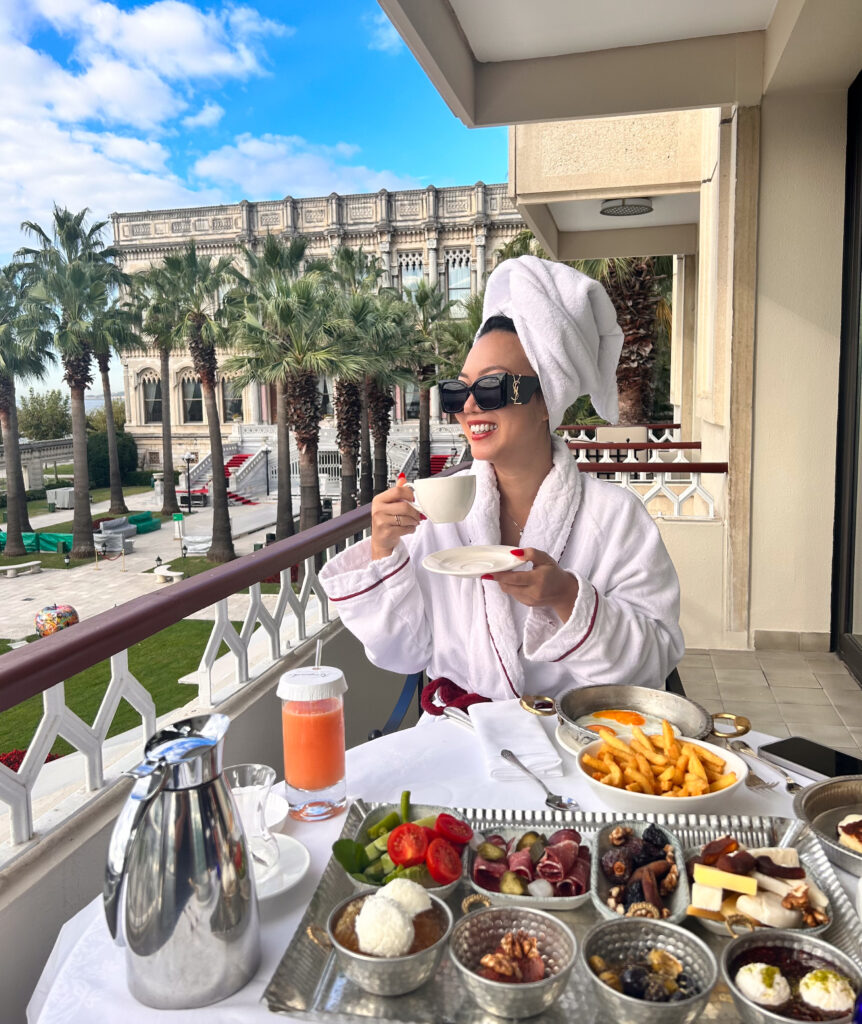
Starting the day right with a full breakfast spread – Image courtesy of my wife, Angie.
Transport Made Simple
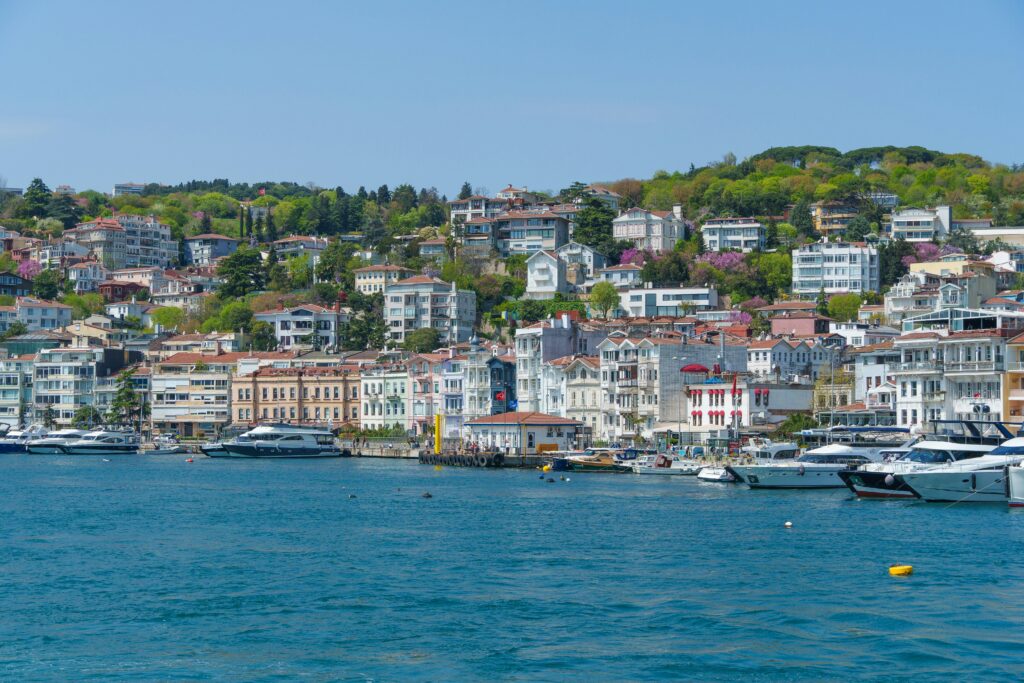
While Istanbul is a foot-friendly city, I always find getting around the centre of the city via public transportation to be dead easy, with buses, trams and the metro reaching all key destinations across the city.
However, if you’re travelling with kids, you might look at hiring a driver for the day, ensuring you don’t have to wait for local trams and buses, which can get very crowded at peak times.
The ferries of Istanbul are a must – if only once or twice – and are equally easy to navigate, with Google Maps identifying which vessels depart from which piers.
Time and Season Considerations
The best time to visit Istanbul is during spring (April-May) and autumn (September-October), during which you’ll leave the summertime heat to the cruise passengers and tourist throngs.
During spring and autumn, the temperatures are a very comfortable 15-22 degrees Celsius, although a light jacket or shawl is a great thing to pack, especially for nighttime dinner cruises or ferry rides.
These shoulder periods are also the best times to visit the key sites, including the Blue Mosque, Topkapi Palace and Grand Bazaar, which can become crowded, with lines running down the street. The city’s parks are also their most beautiful during spring.
Entry and Dress Essentials
While Turkey is modern and open-minded, it remains a predominantly Muslim country and many of Istanbul’s key sites are religious, so pack accordingly.
Loose clothing that covers arms and legs is recommended for city exploration, with visitors required to cover shoulders, knees and cleavage at mosques, where a headscarf will be provided for women.
Wear good walking shoes to help you navigate often steep and weathered footpaths, and be sure to secure your valuables with a sling pack or backpack with an anti-theft feature.
Pacing and Balance
While this Istanbul 3-day itinerary covers a lot of ground, don’t feel like you have to follow it exactly.
Istanbul is a city that reveals itself with the turning of each corner, so be sure to explore, delve into stores and artisan workshops, linger in historic enclaves and soak up the passing of time, and take a load off at the city’s many great streetside cafes to get a sense of place.
While the city is easy to navigate, allow for breaks and transport time, try to avoid peak rush hour and, if you’re staying at a central city hotel, factor in time to change, drop off all those new purchases and change for the day’s next chapter.
Insider Efficiency Hacks For Your 3-Day Istanbul Itinerary
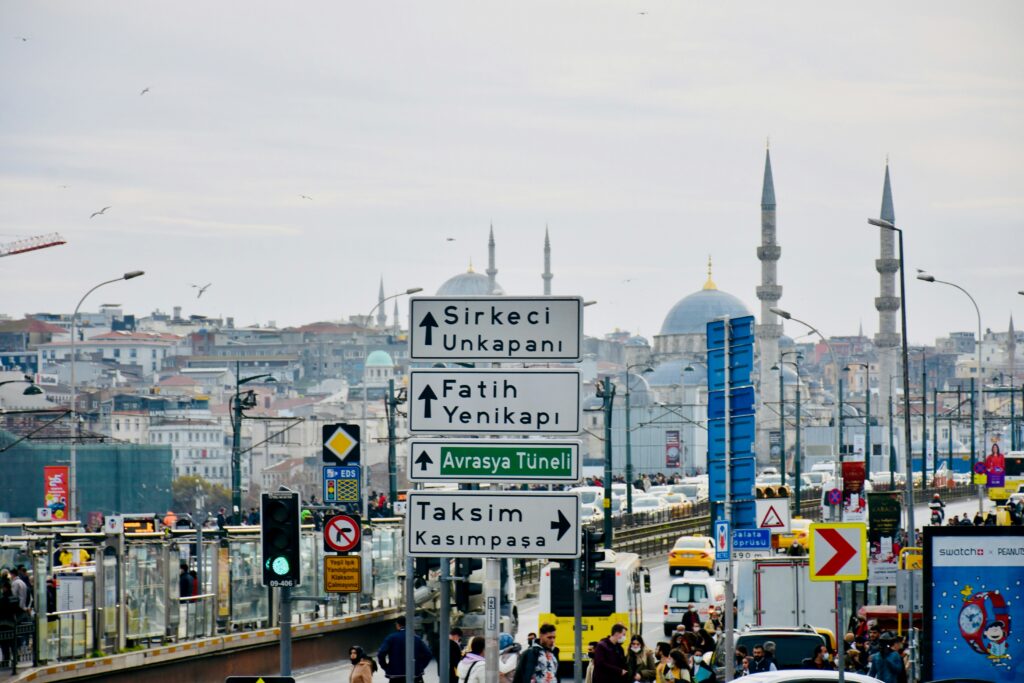
While public transport is plentiful, it’s always handy to map out your movements in advance and be aware of departure times, especially for the ferries that criss-cross the Bosphorus.
Getting up early is rewarded in Istanbul – there are often lines to get into the major mosques because they close for prayers, so snag a good spot in advance (or opt for a VIP ticket that allows you preferential access) – an early start means you meet merchants with plenty of ambition and patience.
Also, map out what you want to see in any given neighbourhood in advance, so that you aren’t backtracking or revisiting parts of the city. This guide is fairly focused on visiting neighbourhoods that are close to each other, but everyone’s interests change.
You can also read our guide to the best neighbourhoods in Istanbul to help you craft your own personal itinerary.