

Nestled at the crossroads of Europe and Asia, it’s little wonder that the ancient city of Istanbul is so popular as a travel destination.
Seamlessly weaving the tapestry of its rich history with the vibrancy of modern life, Istanbul offers the perfect balance of antiquity and modernity, and, for travellers who like to explore, reveals its many personas through its vibrant and often eclectic neighbourhoods, which range from UNESCO-site-studded enclaves where time seems to stand still, to Boho-chic precincts filled with colour and vitality.
One of my favourite cities in the world, modern-day Istanbul has a little something for every traveller, from serene coastal enclaves to throbbing nightlife precincts and bustling shopping districts (it’s home to the Grand Bazaar, the ultimate shopping destination after all). Easy to navigate, on foot or by public transport, the best neighbourhoods in Istanbul are rich with culture, welcoming locals, fantastic food and timeless history, making each a destination in itself.
We dive right in, rounding up Istanbul’s best neighbourhoods, what you should expect, where you should make a pit stop, and where you should stay.
Beyoğlu – Istanbul’s Bohemian Haven
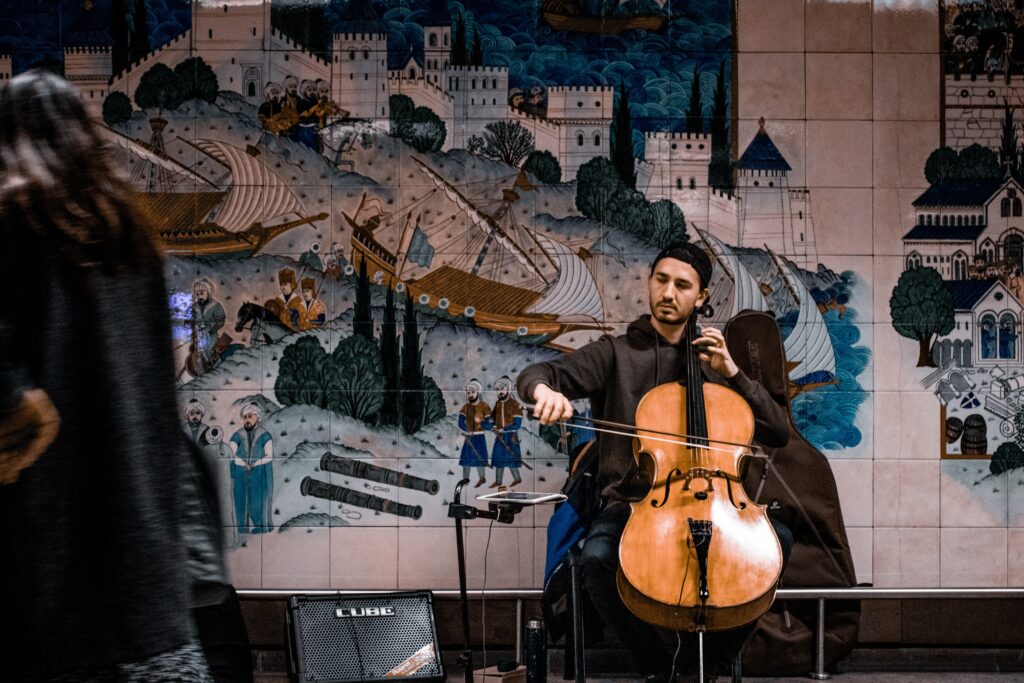
The contemporary heart of the city, and probably a place you’ll spend a remarkable amount of time, Beyoğlu is a district that breathes the soul of Istanbul.
Located on the northern side of the Golden Horn, the primary inlet of the Bosphorus, this vibrant neighbourhood has long been a magnet for luminaries like Nobel laureate Orhan Pamuk and renowned poet Yahya Kemal Beyatlı, and unfolds along the pedestrian-friendly İstiklal Caddesi (İstiklal Avenue), a bustling thoroughfare that traces its roots back to the Byzantine era. Today, it’s a popular shopping destination, its ranks filled with international brands and its Instagrammable trams parting the crowds every few minutes.
Beyoğlu’s allure lies in its youthful energy, its internationalism and its eclectic architecture, with neoclassical and Art Nouveau buildings stand shoulder to shoulder, but it’s also home to many of the city’s most popular landmarks, including sprawling Taksim Square, to which İstiklal Caddesi leads, and Galata, famed for its medieval charm and iconic tower, which was built in 1349 as part of the city’s defences. It’s now home to the Galata Mevlevihanesi Museum, with many travellers venturing to its heights to get a captivating view of the city, which slopes down to the waters below.
I’d also recommend delving into the fascinating antique stores that line nearby Çukurcuma in search of hidden gems before grabbing an aperitif at one of the neighbourhood’s innovative cocktail bars.
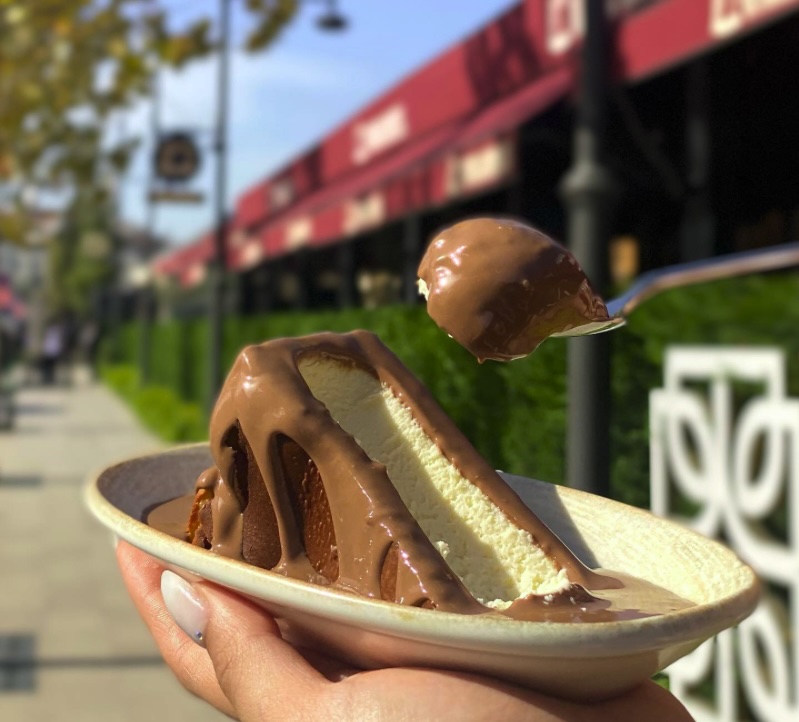
Alternatively, tap into the city’s vintage fashion scene on Serdar-ı Ekrem street before rewarding yourself for your bartering skills with the iconic cheesecake at nearby Viyana Kahvesi, which comes with a decadent milk chocolate sauce.
If you want to make the most of your time in Beyoğlu, check into the luxurious Aliée Istanbul – A Paris Society Collection Hotel, with its water views, the intimate Taksim Rexee Hotel, which is steps from the elegant Çiçek Pasajı shopping arcade, or the new design-driven Casa Foscolo.
Eminönü – The Gateway to the Past
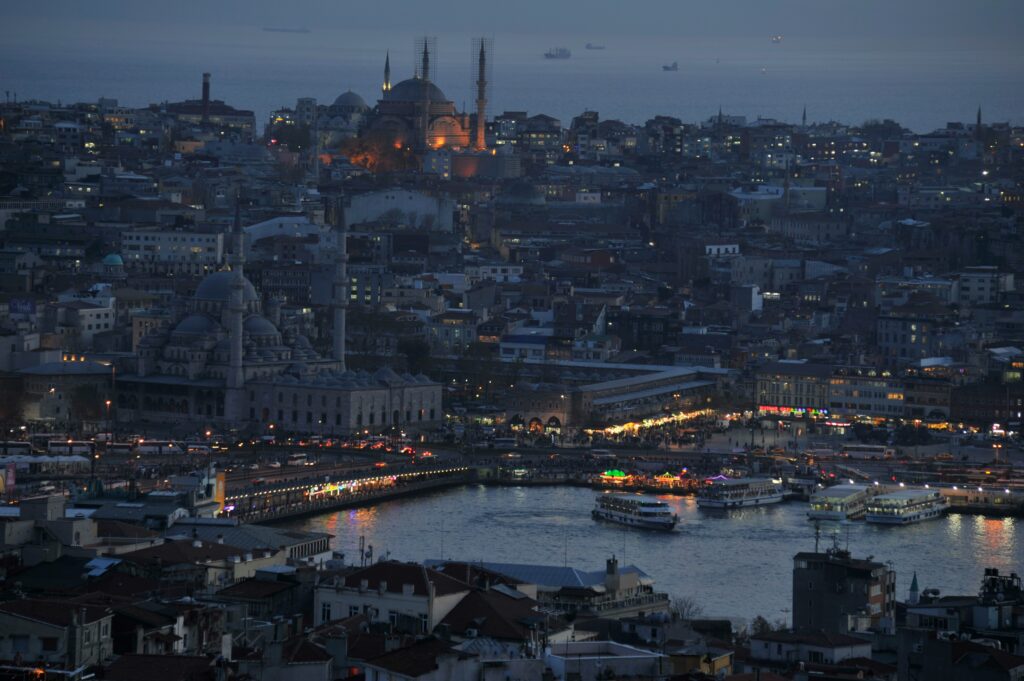
Another fascinating corner of Istanbul, steeped in history and one that’s enjoyed more than its fair share of big-screen cameos, Eminönü is a district where the past seamlessly intertwines with the present.
Any visitor to Istanbul – and especially first timers – is bound to spend plenty of time in this well-organised and fascinating province. One of the most vibrant neighbourhoods of the city and that was key to the port city’s fortunes during the Byzantine period, Eminönü was once the heart of old Constantinople and remains the gateway to the Bosphorus, as home to the Blue Mosque, the Hagia Sophia, and Topkapı Palace down the hill in Sultanahmet (more on that later).
With its skyline dominated by the beautiful Süleymaniye Mosque, the neighbourhood is connected to Beyoğlu by the iconic Galata Bridge (you might recognise it from films like From Russia with Love and Skyfall) and is a major public transport hub, making it easy to reach from anywhere in the city.
You’ll come to Eminönü for the views across the Golden Horn to Galata, the timeless mosques (the Hagia Sophia was dedicated in AD360), and the captivating cisterns but also for the chaotic yet enticing Spice Markets, which were built in 1660 to sell goods transported overland from Egypt (hence the name in Turkish, Mısır Çarşısı or Egyptian Bazaar).
Here you’ll find more than 80 shops selling locally-produced jewellery alongside Turkish delight laced with Iranian pomegranate, blended teas from Kashmir, dried fruit from Lebanon, freshly ground coffee from Ethiopia, and of course, every spice you could throw a pestle and mortar at.
Afterwards, sate your appetite with a balık ekmek, one of the traditional fish sandwiches served in the casual restaurants perched below the Galata Bridge. Alternatively, Eminönü is also home to many great restaurants with rooftops to make the most of their views down the length of the Bosphorus – try the one at the elegant Orient Occident Hotel Istanbul, Autograph Collection.
Talking of hotels, while Eminönü is mainly home to mid-tier hotels, there are a few gems, including the infinitely elegant Sanasaryan Han, a Luxury Collection Hotel, a regal retreat perched above the ferry piers that flank the Galata Bridge, and the chic Cronton Design Hotel.
Sultanahmet – Mosques & More
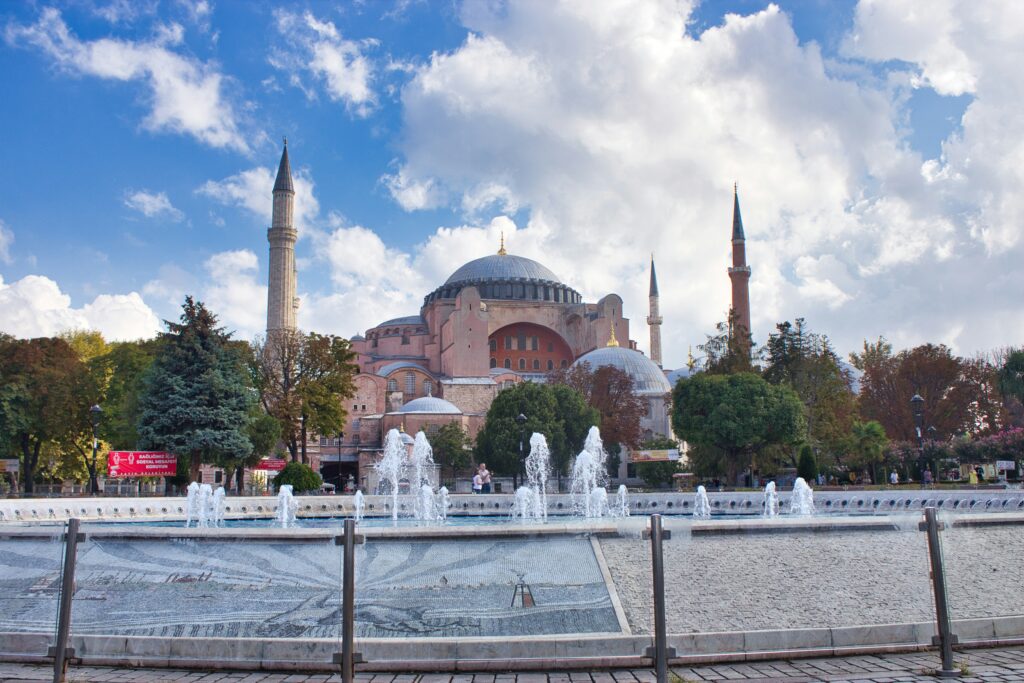
Nestled within the beating heart of Istanbul (and technically within the confines of Eminönü), Sultanahmet stands as a living testament to the city’s grand and often turbulent history.
Arguably the city’s busiest area, especially during the spring and summer months when travellers from around the world descend on Istanbul, the district – once known as Constantinople and one of the world’s great ancient capitals – beckons travellers with its cobbled streets and majestic domes.
Here you’ll find the Blue Mosque, officially the Sultan Ahmed Mosque, which was built between 1609 and 1617, and the acclaimed Hagia Sophia, a UNESCO World Heritage Site that enchants visitors with its massive dome and intricate mosaics.
There’s also the Topkapı Palace, once the residence of Ottoman sultans and a labyrinth of opulent chambers and sprawling courtyards that will thrill history buffs, and the fascinating Basilica Cistern, the largest Roman-era subterranean cistern in the city.
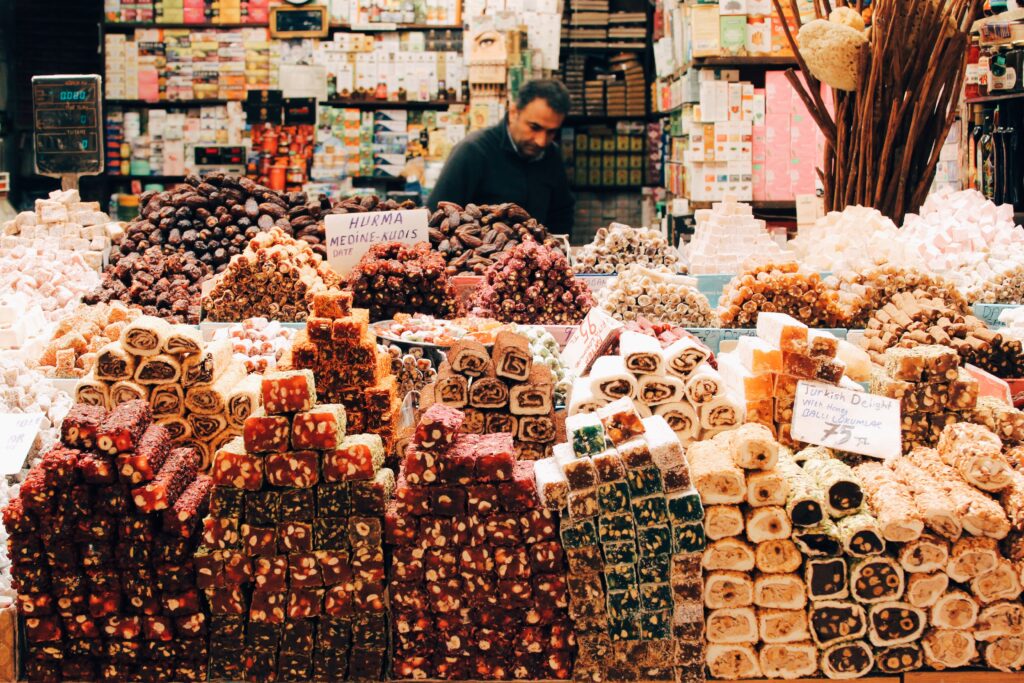
If these sites are on your radar, be mindful that even if you buy VIP entry tickets, you should expect to battle long lines and crowds at all, especially during peak season from June to August, but think of it as character building for when you’re ready to delve into the Grand Bazaar.
One of the largest and oldest covered markets in the world, the Grand Bazaar is a neighbourhood all of its own, with 61 covered streets and more than 4,000 shops selling everything from homewares and wedding dresses to beaten silver, carpets, ceramics, leather goods, silks, stunning jewellery and almost everything else you could imagine.
Not one for the faint-hearted, the markets can get very busy (it was named the most visited tourist attraction in the world in 2014), but take it slow, keep the GPS handy and immerse yourself in the timeless trade. The Turkish shopkeepers pride themselves on their traditional hospitality, so pull up a perch, share some Turkish coffee, and be sure to (politely) haggle for your favourite finds. A smile always goes a long way when negotiating and if you’re not getting the deals you’re hoping for, don’t be afraid to politely take your leave – if there’s more room for haggling, the shop owners will accommodate you quickly.
While you’re in the markets, I’d recommend you fuel up at Dönerci Şahin Usta, an iconic kebab house that always has a line (but it’s worth it) and take a moment to grab one of the little outdoor tables at the market’s fresh fruit stands, where you can sip pomegranate juice and people watch to your heart’s content.
Stay at Hotel Momento, or Radisson Hotel President Old Town Istanbul, to be close to the Grand Bazaar, and leave time to shop for take-home treats at Hafiz Mustafa 1864, home to traditional Turkish desserts and sweets.
Kadıköy – The Asian Gem
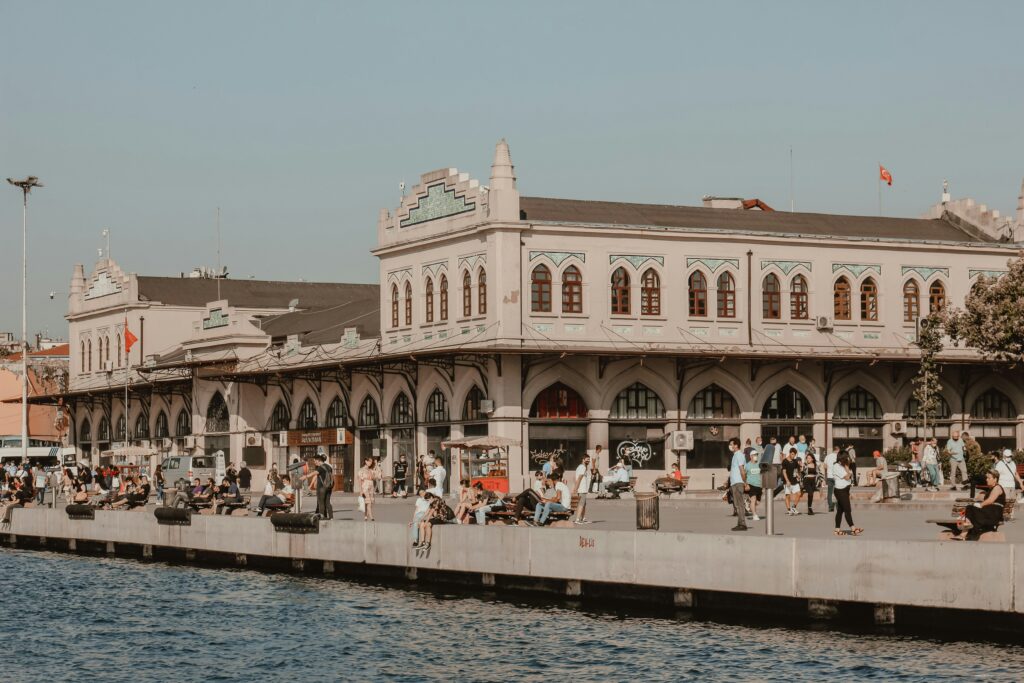
In my mind, no visit to Istanbul is complete unless you explore both sides of the continental divide. Positioned on the Asian side of Istanbul, Kadıköy is a lively district that seduces travellers with its eclectic mix of trendy boutiques, artisanal cafes, and dynamic street life.
Connected to the European side by ferries that provide a scenic journey across the Bosphorus (you can jump on one beside the Galata Bridge or, if you’re in a hurry, take the subway), Kadıköy offers a unique perspective back to Istanbul’s skyline.
The neighbourhood, one of my favourites in the city, lies on the eastern shore, directly opposite Istanbul’s historic peninsula of Eminönü and offers a more contemporary facet to the city, one traditionally popular with artists and intellectuals and which now attracts students and younger visitors looking for bargains in the affordable clothing boutiques, vintage stalls, bookstores and discounted cosmetic shops.
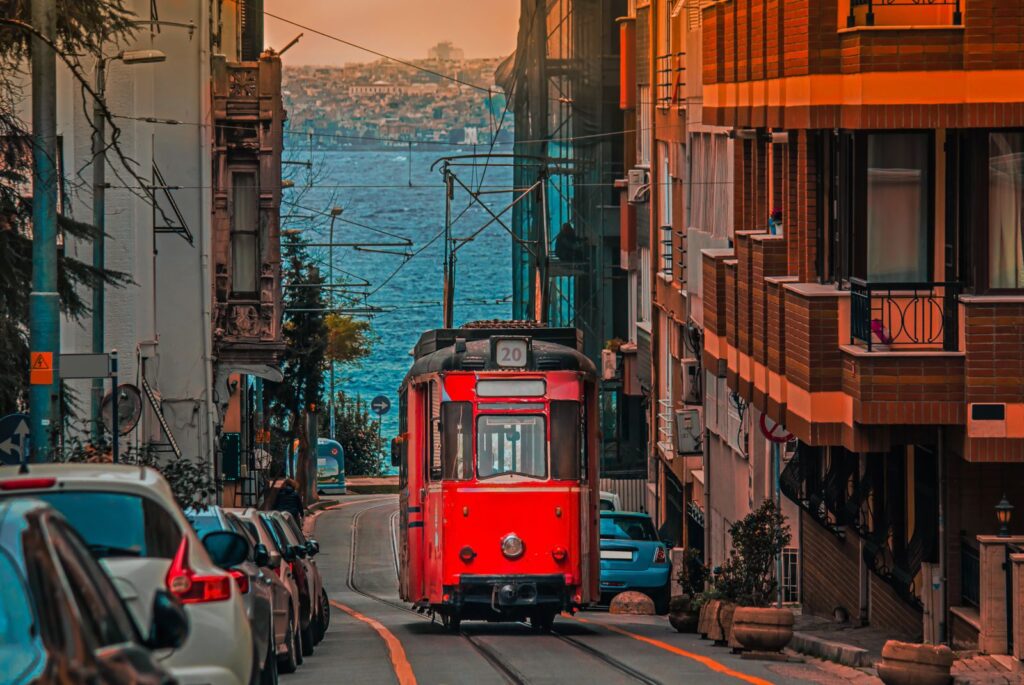
On Kadıköy’s bustling waterfront, which is especially popular with buskers looking to be discovered at sunset, you’ll be able to board the ornate red tram up the hill to Osmanağa, past the iconic bull statue, to Gen. Asım Gündüz, the most popular shopping street, home to cool cafes and bistros like Tasarim Bookshop Café and Helvacı Ali, and a brilliantly welcoming vibe.
Once you’ve given the credit card a workout, pick up a traditional snack at famed local bakery İnci Pastanesi (its burma kadayıf with pistachios is to die for) for your ride back down the hill – or better yet, let gravity guide you down through pretty residential streets to Kadıköy Festival Park, a great spot for sunset.
If you have time, catch a performance at the Süreyya Opera House or tap into the local foodscape at Çiya Sofrası, known for its diverse Anatolian cuisine and if you love the vibe (and I think you will).
Karaköy – Nightlife Central
Not to be confused with Kadıköy on the Asian side of the Bosphorus, Karaköy is a gritty yet welcoming nightlife hub just below and east of Galata and one that embodies the juxtaposition of old and new, blending historic architecture with a burgeoning contemporary art scene.
As a bustling commercial district that’s seen significant gentrification, this thriving precinct exudes an energetic vibe that captivates visitors and locals alike.
Karaköy is strategically positioned at the right-hand side of the northern end of the Galata Bridge, overlooking the entrance to the Golden Horn and was once home to legendary Ottoman-era architect Sinan, whose influence is still visible in the area’s architectural marvels.
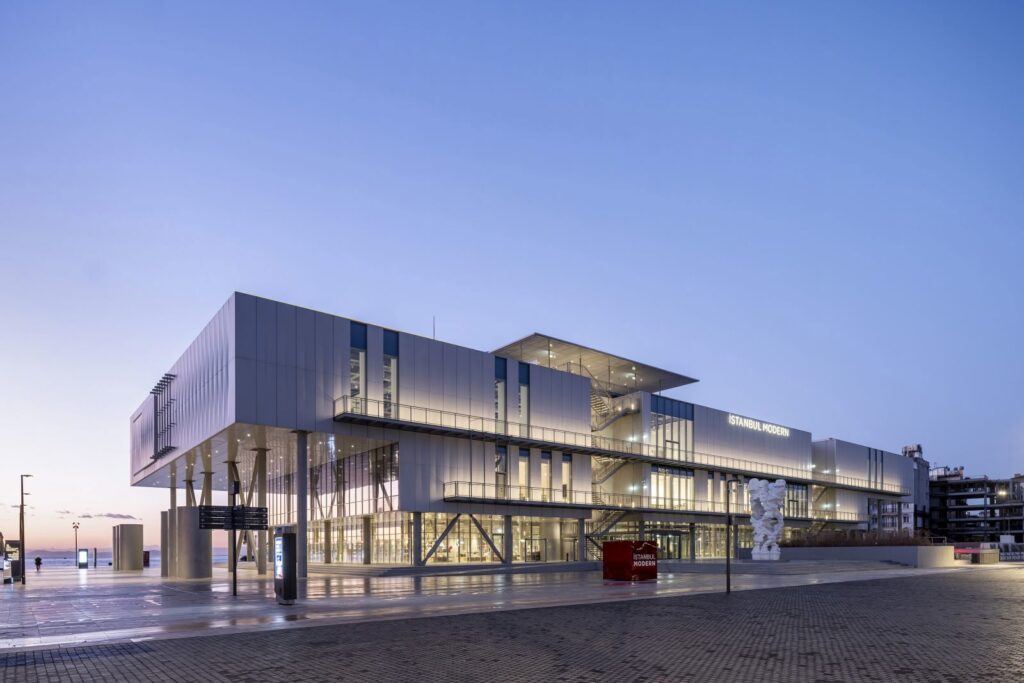
Karaköy is a haven for art enthusiasts, with numerous galleries showcasing both local and international talent, chief among them the Istanbul Modern Art Museum, which first opened on the waterfront in 2004 as Turkey’s first museum for modern and contemporary art.
After a five-year hiatus, the new and improved Istanbul Modern has reopened its doors in a spectacular building by Pritzker Prize-winning architect Renzo Piano. The Istanbul Museum of Painting and Sculpture is also just steps away.
However, Karaköy is best known for its bars and restaurants, with crowds descending on its fairy light-lit alleyways each night for cloudy thimbles of raki, a local aniseed liquor, and plates of steaming midyecisi, utterly addictive steamed mussels stuffed with black squid ink rice.
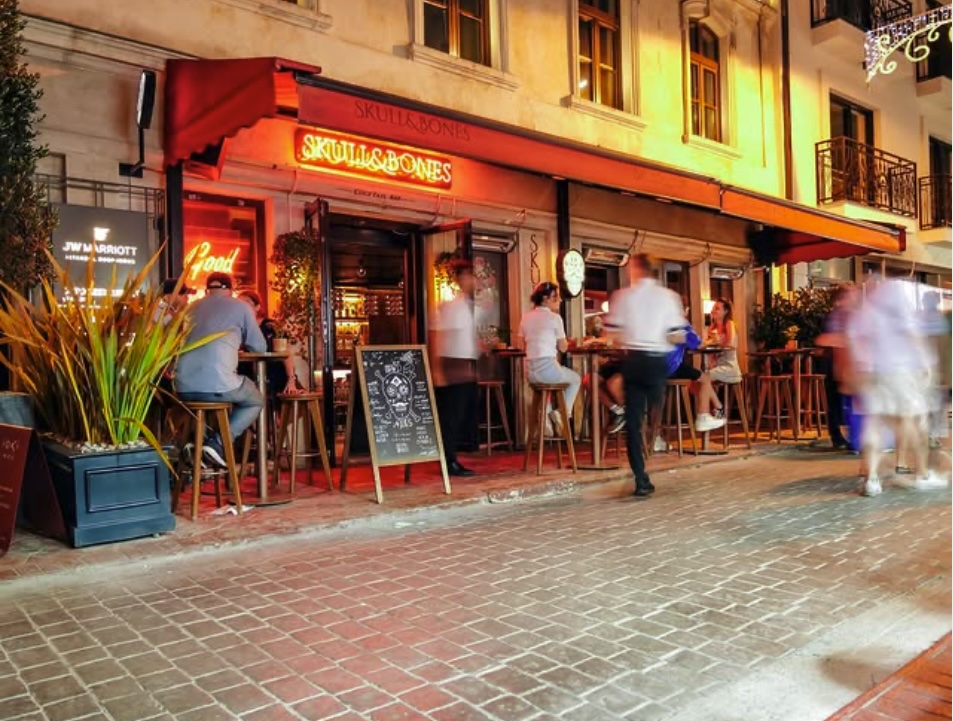
There are venues for everyone here, from crowd-friendly pubs – the best are found along Nevizade, a narrow lane lined with meyhanes or taverns – to contemporary kitchens like Karaköy Brasserie, home to French riffs on classic Turkish dishes, and a host of luxurious new spots at the cruise terminal, including Roka Istanbul and Vandal Galataport. I’d also suggest, if it’s a special occasion, you book ahead for a coveted spot at Gallada, at The Peninsula Istanbul, where renowned chef Fatih Tutak showcases Asian-Turkish influences.
Finish the night off at Finn, a seductive cocktail bar that serves up sublime mixes laced with homemade syrups and infusions. Alternatively, head to Skull & Bones, which is famed for its extensive gin selection, before making your way to your hotel – top choices in Karaköy include the indulgent Peninsula, the JW Marriott Istanbul Bosphorus and The Artisan Hotel Istanbul – MGallery Collection.
You’ll also find more of the city’s best hotels in Beşiktaş, in my mind the best neighborhood to stay in Istanbul, because it’s a little away from the (sometimes maddening) crowds. Splurge on a stay at the stunning Çırağan Palace Kempinski, which is housed in a former palace and which recently relaunched its Sanitas Spa & Wellness spa, the perfect afternoon destination for travellers looking for an authentic Hammam experience.
Balat – A Kaleidoscope of Colours
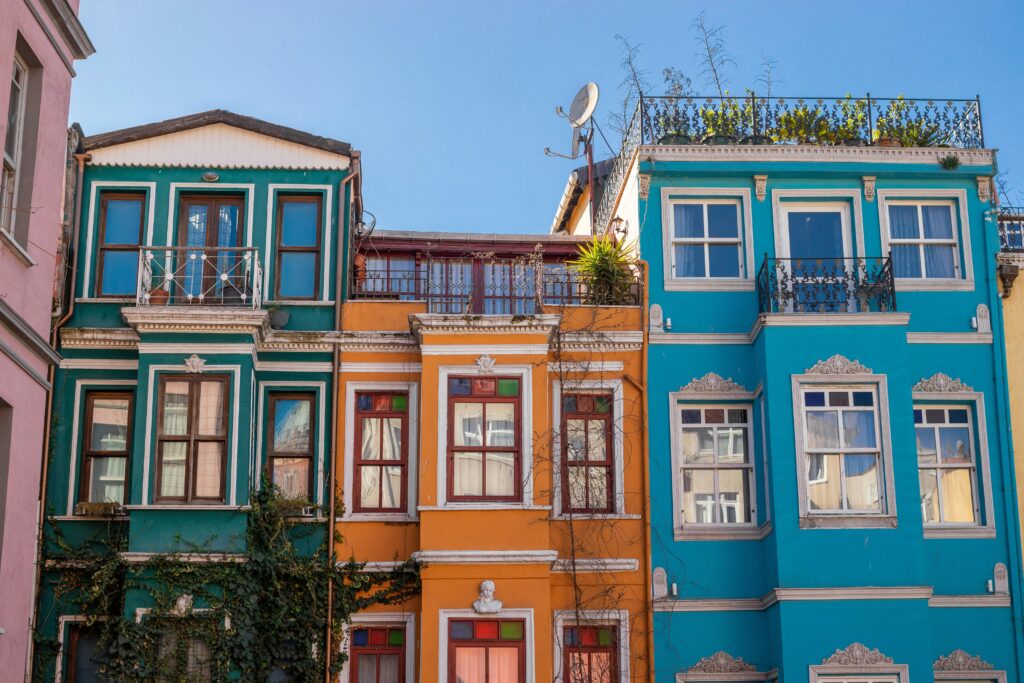
With its vibrant facades and narrow alleys, Balat is another of my favourite Istanbul neighbourhoods, mainly because it’s a fascinating juxtaposition of the city’s past and present.
Balat, located on the west side of the Golden Horn, on the lower flanks of Eminönü, offers a visual feast that captures the essence of Istanbul’s cultural diversity – it has played home to Jewish, Greek, Armenian communities and more recently has welcomed Kurdish families.
Renowned for its colourful houses, eclectic antique shops, narrow lanes and authentic take on life in the city, Balat, a short tram ride from Galata Bridge, is a photographer’s dream and a haven for those seeking off-the-beaten-path experiences.
While this little neighbourhood has enjoyed gentrification (some at the hands of UNESCO), it’s managed to maintain its rustic, homely vibe and is now the place for hip cafes, fascinating galleries, and ethnic restaurants, many of which rub shoulders with weathered synagogues, Greek basilica and Byzantine churches.
Arrive early to skip the crowds of Instagrammers clambering for selfies in front of the rainbow-hued houses of Kiremit Street, on the neighbourhood’s narrow cobbled streets and the umbrella-shrouded laneway of Renkli Merdivenler, and, after a robust Turkish coffee at Cafe Naftalin K (try the spiced Mardin Kahvesi), visit the Chora Museum, famed for its golden mosaics.
Next, grab a bite at Köşem Pastanesi – home to some of the best baklava in the city – and delve into the tiny jewellery and curio shops, many located in century-old tenement basements and dilapidated Ottoman-era mansions.
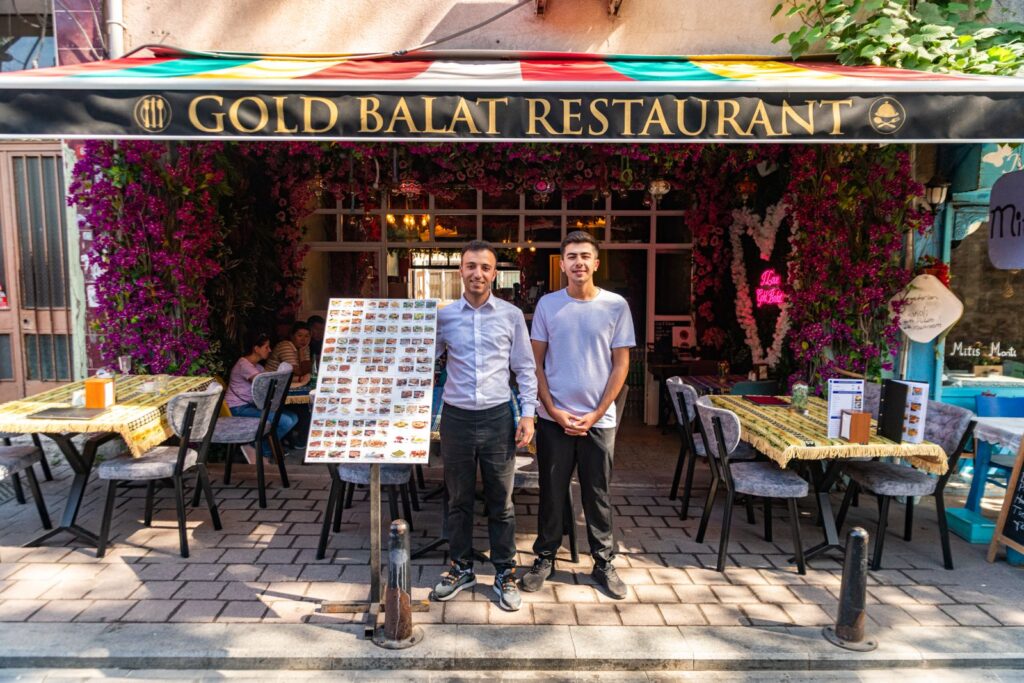
Later, soak in the street art before dining on authentic Kurdish dishes at the bustling family-run Gold Balat Restaurant.
There aren’t many hotels to choose from here, but Balat is very easy to reach by the tram that follows the course of the Bosphorus, making it a great morning outing.