

As the traditional inhabitants of Australia, the country’s First Nations peoples have spent thousands of years understanding their lands and environments while developing their own cultures.
In fact, each Aboriginal tribe has a unique culture stemming from its specific history and geography. Many of these relate to the Dreamtime, or Dreaming, a philosophy that refers to a time when the Ancestral Spirits of the Indigenous peoples created life and important geographic formations on earth. These manifest in numerous ways across the Australian outback, from incorporating ancient storytelling traditions to modern-day art and Indigenous-led tours.
Visitors can participate in many Indigenous experiences in Australia, enjoying cultural encounters that deepen their understanding of Aboriginal communities and culture, and the Traditional Country. Whether on a short visit to a gallery dedicated to Aboriginal art in Darwin or a multi-day visit to the Tiwi Islands, guests can – ethically and respectfully – learn about the country’s traditional landowners. This is especially true if you choose Indigenous operators, including tours led by elders.
Ready to explore? These are some of the best ways to experience Indigenous Australian culture.
Explore the East Alligator River
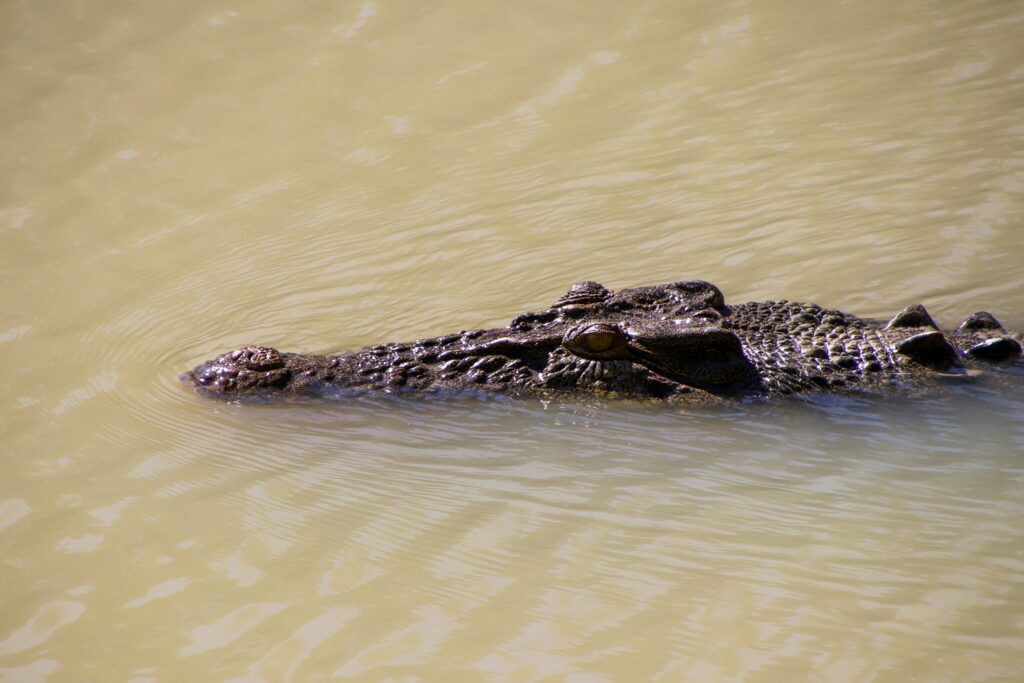
In Australia’s Northern Territory, the heritage-listed East Alligator River separates Kakadu National Park from Arnhem Land, the traditional home of the Indigenous Yolngu peoples. The region holds significant cultural and spiritual meaning for the Yolngu, and it figures prominently in their Dreamtime stories, hunting practices, and sacred rituals.
One of the best ways to experience the region (and a must for any Australian outback itinerary) is on a Guluyambi Cultural Cruise operated by the Yolngu, which offers visitors a deep dive into the local Aboriginal culture. These two-hour journeys take guests on an immersive experience to learn about the local culture, from exploring ancient rock galleries like Ubirr, which feature rock paintings that date back some 20,000 years – learning about traditional lifestyle practices and hunting techniques, and hearing interpretations of sacred sites. There are also plenty of opportunities to spot native saltwater crocodiles and catch incredible sunsets.
For those of an active bent, you can explore the area on foot – the Manngarre Rainforest walk meanders through the monsoon forest on the fringes of the river, while the Bardedjilidji walk and Badbong Wodmeng river walk go through the region’s unique sandstone features, floodplains, and billabongs.
The best time to visit the East Alligator River is between May and September, which is the region’s dry season. Water levels are lower during this period, making cruising easier, and wildlife viewing is also at a peak with crocodiles congregating at Cahills Crossing. The region is located approximately 250km east of Darwin and 310km from Katherine. If you’re ambitious, you can also make the 1,500km trip from Alice Springs to Darwin and into Kakadu through the Red Centre.
✈️ Jetsetter Tip: Cahills Crossing is the best place to spot saltwater crocodiles in the region – come late in the dry season (July-October) when they gather to feed here.
Experience a Traditional Welcome to Country Ceremony
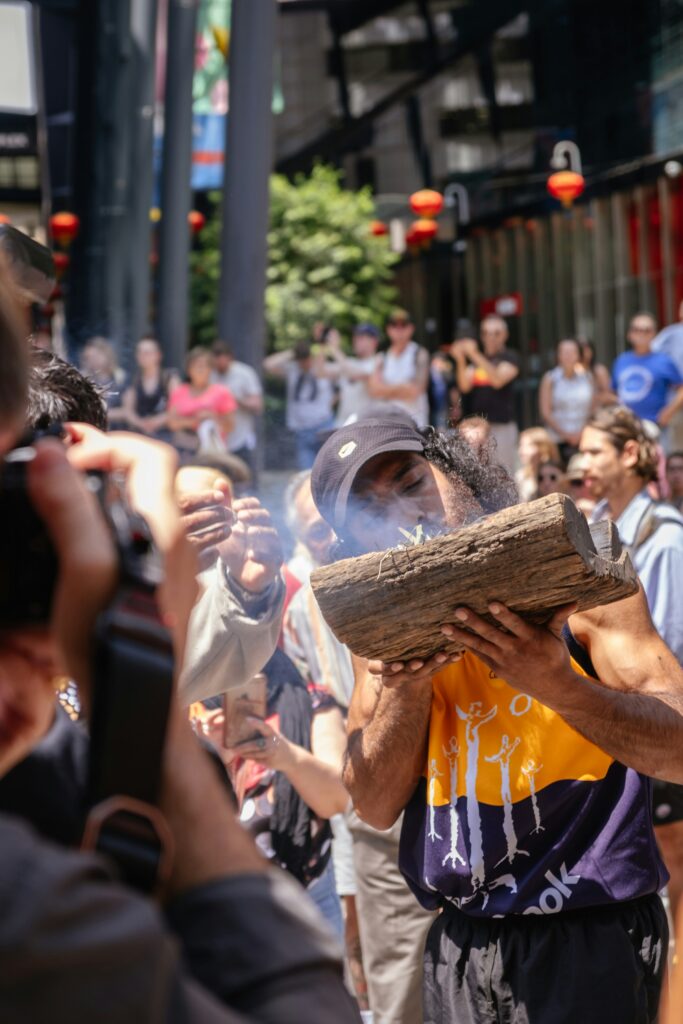
The Welcome to Country ceremony is a deeply held cultural practice and one of the integral Indigenous experiences in Australia. Although it can take different forms depending on where it occurs and which specific peoples are performing it, the intent is the same. It’s a way for the Traditional Owner of a particular land to welcome visitors into their Traditional Country. The ceremony can involve songs, dances, speeches, and smoking rituals. In modern times, Welcome to Country ceremonies are generally adapted for modern situations and are often performed at major events.
Visitors to Australia often experience the ritual when in outback regions managed by First Nations peoples. For example, guided tours of Kakadu National Park sometimes begin with a traditional Welcome to Country ceremony conducted by Wulna Aboriginal elders. Similarly, many tours that visit the Indigenous community of Wurruminyanga on Bathurst Island – part of the Tiwi Islands in the Northern Territory – might be met with a Welcome to Country ceremony involving traditional Tiwi dance. And, just a short boat trip away from Cairns, you’ll reach the Traditional Lands of the Mandingalbay Yidinji peoples, who welcome visitors with a traditional smoking ceremony.
Because it holds such significance, it’s important to respect the Welcome to Country ceremony. This means understanding its specific cultural significance and remaining attentive and quiet to show respect for the land, people, and culture. However, you should be able to experience this cultural tradition at any time you visit Indigenous outback regions of Australia – the ceremony isn’t really dependent on the weather.
✈️ Jetsetter Tip: To truly experience a full Welcome to Country ceremony, book an Indigenous-led tour in Traditional Lands.
Visit an Indigenous Festival
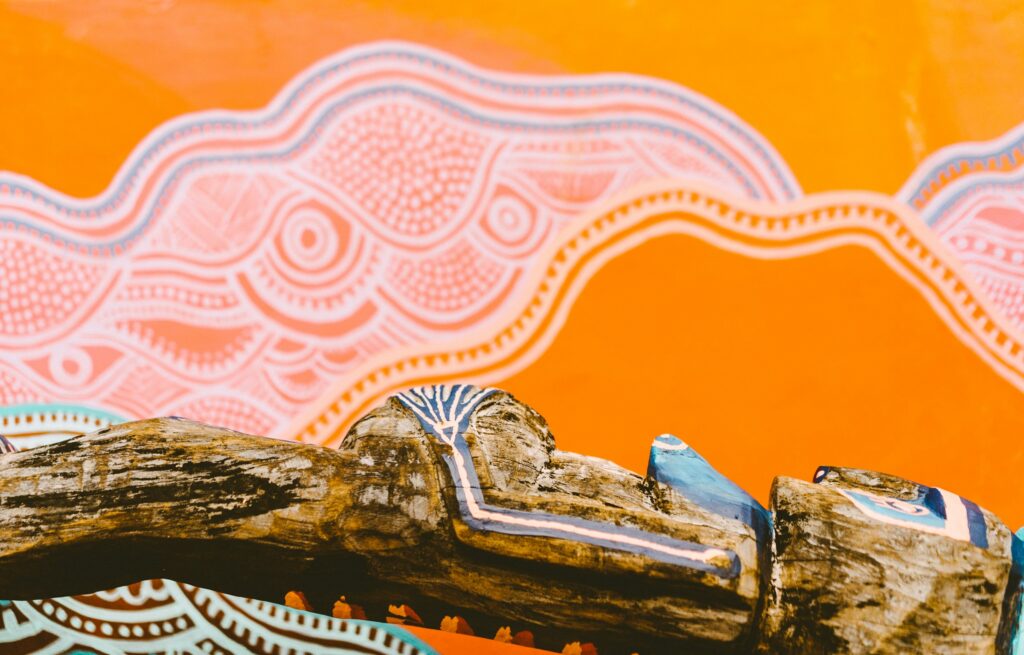
One of the best ways to engage with Indigenous Australian culture is to experience one of the many festivals across the country that embrace the culture of the First Nations peoples. While there are numerous events throughout the year, each one focused on different aspects of Aboriginal culture, you can generally expect plenty of music, food, workshops, and performances led by traditional storytellers. These festivals are a way for Australia’s Indigenous peoples to celebrate the nuances of their cultures while also allowing outsiders to participate and learn about their rich histories.
Held in northeast Arnhem Land in the Northern Territory, the Garma Festival is Australia’s largest celebration of Indigenous culture. Hosted by the Yothu Yindi Foundation, the festival promotes the life and culture of the Yolngu peoples in a four-day carnival in early August that includes traditional art (miny’tji), songs (manikay), and dance (bunggul), which serves as a contemporary expression of traditional knowledge and customs. Also in the Northern Territory, just south of Katherine, the Barunga Festival, held over three days in June, is a compelling showcase of Indigenous art, music, and even sport – over 40 teams participate in competitions of AFL (Aussie Rules football), basketball, softball, and Rugby 7s.
However, intrepid travelers can find a wealth of other Indigenous festivals throughout the year, from Parrtjima in Alice Springs (a display of First Nations music, art, and culture in the desert) and Taste of Kakadu in the eponymous national park (a 10-day smorgasbord of culinary events where local foraging experts and Indigenous chefs take centrestage) to the Darwin Aboriginal Art Fair (which showcases contemporary Indigenous art, from painting and cultures to fashion and film).
✈️ Jetsetter Tip: If you plan to attend an Indigenous festival, plan ahead to make sure you arrange tickets, transportation, and accommodation (choose from one of Australia’s most iconic luxury accommodations for a trip ‘Down Undah’ to remember).
Learn About Dot Painting

A traditional form of Indigenous art, Dot Painting is an evolution of an ancient form of artistic expression. Through it, Australia’s Aboriginal peoples present historical narratives infused with cultural, political, and spiritual views. This specific form of Indigenous art is built on other traditional forms, including body painting and ground paintings that were used in traditional ceremonies. Dot Painting incorporates symbols linked to Dreamtime stories, many of which wouldn’t be recognized by those without the specific cultural knowledge. Through these paintings, the Aboriginal peoples can pass on law, social values, and sacred stories only to those initiated in their practices.
There are many ways for visitors to engage with this form of Indigenous Australian culture, which can be found in abundance through Australia’s Central and Western Desert regions. In Yulara, near Uluru-Kata Tjuta National Park, Maruku Arts offers a Dot Painting experience workshop where local artists walk participants through the traditional practice and its history, and its symbols and tools, before allowing them to try their hand at creating their own works of art. Nearby, the Gallery of Central Australia brings together a wealth of Indigenous artists and their works, offering visitors another way to engage with Dot Painting. Further away, you can also find hands-on Dot Painting experiences at the Daintree’s Janbal Gallery in Queensland and the Narana Aboriginal Cultural Centre outside Melbourne.
Visitors should understand, though, that Dot Painting is a sacred practice and, as such, only Indigenous artists with the appropriate cultural knowledge can create authentic works. To engage appropriately with these artworks, it’s important to respect their history and traditional significance.
✈️ Jetsetter Tip: If you intend to buy some Dot Paintings, be sure that they conform to the Indigenous Art Code, which sets ethical standards for Indigenous art.
Delve Into the Tiwi Islands’ Unique Culture
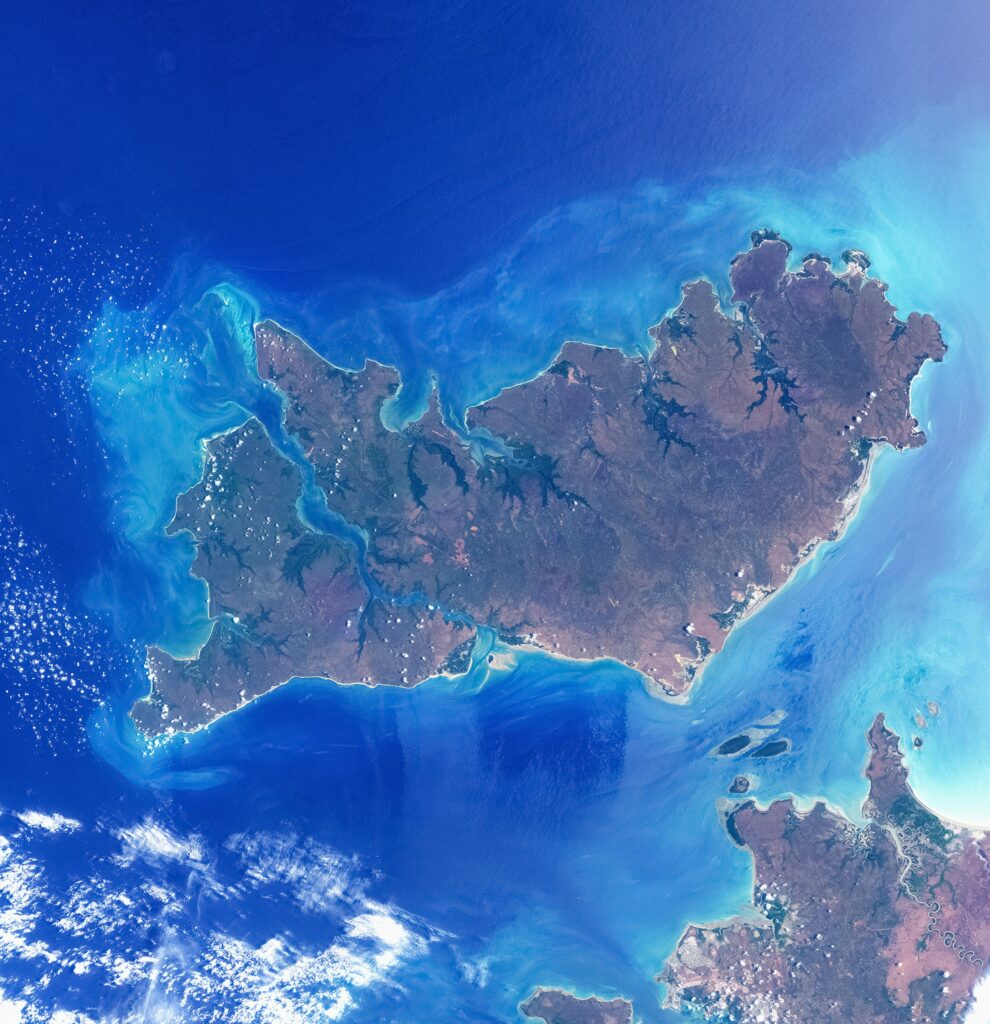
The Tiwi Islands are an archipelago of just two islands off Australia’s Northern Territory – Bathurst and Melville Islands – and home to one of the world’s oldest civilisations. This is the Traditional Land of First Nations peoples who originally settled here some 50,000 years ago and developed their own culture in significant isolation, making it unique, even among other Australian Indigenous cultures.
However, the Indigenous Tiwi population currently numbers around 2,000, and they’re making an effort to retain their cultural identity. This includes practices such as the Pukumani mortuary ceremony (which uses elaborately painted and carved poles called tutini), a separate language, singular artistic expression (particularly, intricate wood carvings), and endangered flora and fauna that can’t be found anywhere else. Since the 1930s, Aussie Rules football has also become an integral part of Tiwi culture.
Visitors can get a taste of the Tiwi Islands’ unique culture with hosted overnight visits to the islands, at places like Tarntipi Bush Camp, which is run by Indigenous elders. While here, you can participate in various activities, from collecting firewood and painting shells to learning about bush medicine and local WWI history. Another option is Tiwi Island Retreat, which aligns its experience with traditional beliefs and practices. The Retreat offers the Jilamara Fine Art Experience, which delves into the rich heritage of Tiwi art in an exclusive, personalised tour, and the Tiwi Island Retreat Traditional Owner Tour, which is an immersive experience into the surrounding mangroves where visitors learn about bush tucker, the Traditional Land, and the Tiwi peoples’ unique skills.
To get here, catch a Sealink ferry from Darwin (three hours) or a flight with Fly Tiwi (30 minutes). The best time to visit is between May and October, during the comfortable dry season weather.
✈️ Jetsetter Tip: Sports fans will want to visit in March, when the annual Tiwi Island Football Grand Final is held.
Try Some Bush Tucker
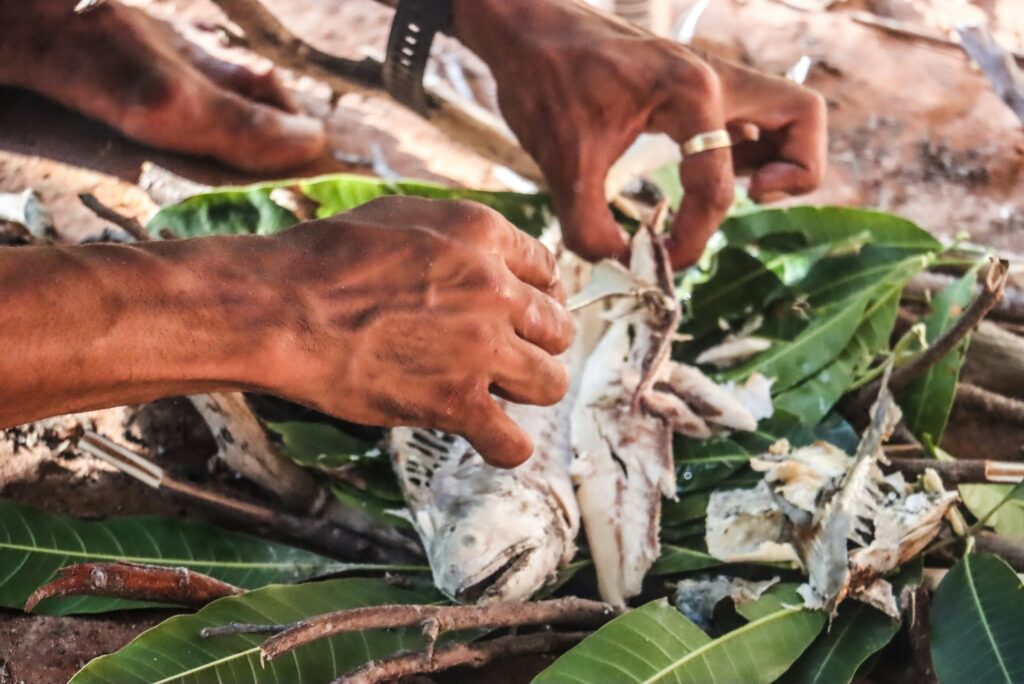
The Indigenous people of Australia have lived on their traditional lands for over 60,000 years and during that time, have developed their own form of cuisine known as bush tucker. This consists of a variety of ingredients – including animals, plants, seeds, insects, and fruits – all of which are native to Australia and have been used by the Aboriginal peoples for thousands of years. Some common ingredients include Kakadu plum, macadamia nuts, crocodile, green ants, mud crab, saltbush, and quandong. Bush tucker is usually packed with protein and fibre, making it very nutritious. Additionally, some ingredients, like the bush orange (Capparis mitchellii), are used medicinally.
But the cuisine also has profound spiritual and cultural significance for Indigenous Australians – this is even reflected in their art, where bush tucker is used to showcase their histories, environmental knowledge, and sustainable practices. And, although you’ll now find ingredients at restaurants and bars across the country, the most authentic experience of bush tucker is only available in Indigenous experiences in Australia. For example, you could try it on tours led by Aboriginal peoples in places like Uluru and the Kimberley region, and on specific cultural walks such as those on the Larapinta Trail in the Northern Territory. Generally, you’ll find native ingredients incorporated into dishes like lemon myrtle chicken, or even presented in a high tea.
It’s important to understand that because it relies on fresh native ingredients, bush tucker can vary wildly between seasons, depending on what’s available at a specific time. Visitors should also understand the traditional practices of gathering bush tucker, though guides will usually explain these.
✈️ Jetsetter Tip: Men and women traditionally use different types of tools for harvesting and preparing bush tucker – it’s worth asking about this for more perspective.
Take a Dreamtime Walk
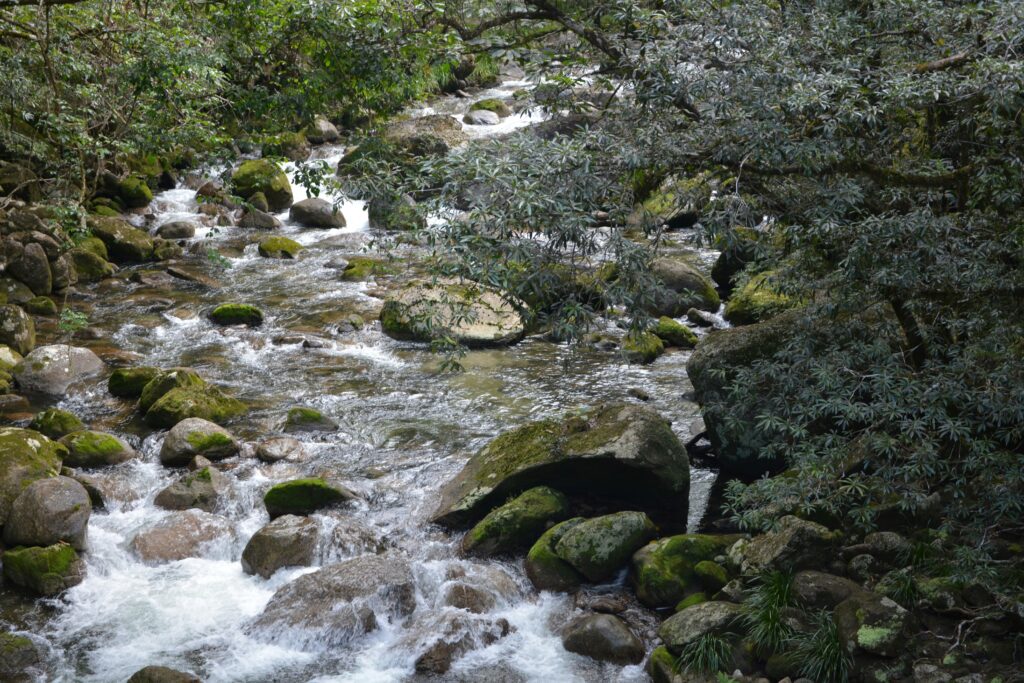
Dreamtime is the origin story of Australia’s First Nations People, and modern-day descendants remain connected to this philosophy – and by extension, their lands, animals, spirits, ancestors, and laws – through their stories, art, rituals, and songs. Crucially, this concept has no grounding in time – instead, think of it as a timeless realm between dreams and reality. However, Dreaming always accounts for the significance of a location, so you’ll often find it relates to sacred or important sights.
Visitors can embark on a Dreamtime Walk at several important sites across Australia. One of the most popular is the Ngadiku Dreamtime Walk in Mossman Gorge, within Queensland’s Daintree Forest (one of the world’s oldest ecosystems). Led by local Indigenous peoples, this guided walk begins with a traditional smoking ceremony, then explores important cultural sites and traditional bark shelters as well as the incredible natural surroundings.
Along the way, your guide will also demonstrate the use of traditional plants, identify “bush” food (local food drawn from nature), and showcase traditional crafts such as bush soaps and ochre painting, all while sharing stories from the local Kuku Yalanji culture. This is also an easily accessible Dreamtime Walk – Mossman Gorge is just a 20-minute drive from Port Douglas. Winter is the best time to experience Mossman Gorge, so try to visit between May and October.
Another way to experience this form of Indigenous Australian culture is to hike the Jatbula Trail (Katherine’s the best starting point), which traces ancient passages through the Northern Territory’s Arnhem Land escarpment and Stone Country. Along the way, you’ll see myriad ancient rock art sites connected to local Dreamtime stories, including the “Amphitheatre,” a rainforest gorge with Jawoyn Aboriginal rock art.
✈️ Jetsetter Tip: When going on a Dreamtime Walk, make sure you’re properly geared up – wear proper shoes, carry sunscreen and insect repellent, and pack a hat and windbreaker.
Explore Rock Art

Rock art is hugely significant for Australia’s Indigenous peoples and can be found in many locations across the country’s outback regions. The oldest examples of these are over 17,000 years old. Usually, rock art is found on the walls of small rock shelters – hence its name – and includes small stick figures or simple depictions of recognisable forms. It’s believed that rock art connects present First Nations generations with their ancestors, offering insights into their cultures, rituals, and environments.
There are many places where you can see rock art in Australia – many Traditional Lands have guided tours led by Indigenous peoples who can showcase the history and context of the art. If you want to explore Indigenous rock art, try visiting Wangaar-Wuri caves in northern Queensland (start from Cooktown), embarking on the Kuniya Walk at Uluru, taking a safari through Arnhem Land or Kakadu in the Northern Territory, or seeing the Mutawintji Historic Site in New South Wales (drive up from Broken Hill).
When visiting Aboriginal rock art, it’s important to be respectful as these are considered sacred sites. Don’t touch the works, and pay attention to any directives provided by signs or guides. And, while you could visit rock art sites at any time of year, you should try to visit when the region you’re interested in is at its best. For example, if you plan to go to Uluru, try visiting between May and September.
✈️ Jetsetter Tip: Pair your rock art explorations with a visit to an ochre pit – these produced the pigments used for these works and offer insight into their history. You can find ochre pits in various parts of Australia, including Bloodstone Point and Cradle Mountain National Park (both in Tasmania) or along the Larapinta Trail in the West MacDonnell Ranges.