

As the sun rises over the red dunes of the Moroccan desert, travellers bury themselves up to their necks in the sand – under strict supervision and plenty of shade. Psammotherapy, or hot sand therapy, was first practised here by the original inhabitants of North Africa and is said to help with a range of ailments, including arthritis, back pain and some skin conditions.
Such practices depend on deep local knowledge with respect to the restorative properties of specific types of sand, says Gerry Bodeker, a founding chair of the Mental Wellness Initiative at the Global Wellness Institute.
“For us, sand is sand,” says Bodeker. “But for people who live in arid zones and either in or on the edge of desert environments, sand is as diverse (to them) as forest is to us.”
Today, more refined sand bathing experiences can be found in contemporary spas like that of Raffles The Palm Dubai, where guests sink into a bed of heated alpha quartz sand. Meanwhile, at The Spa at Mandarin Oriental Emirates Palace Abu Dhabi, the sandy terrain is simulated through massages delivered on a warm bed of crushed quartz crystals.
Beyond the Hammam
Psammotherapy represents one small part of a broader renaissance in ancient healing traditions from Africa and the Middle East. Beyond henna and the hammam, beauty and wellness traditions from the wider Islamic world are spreading beyond its shores.
For instance, Traditional Arabic and Islamic Medicine (TAIM) is a 1000-year-old set of healing practices, beliefs and philosophy, first captured in the 11th Century The Canon of Medicine. Written by the Persian polymath Avicenna, it was the most influential medical textbook in the West until the 17th Century.
TAIM uses up to 250 medicinal herbs and other plants that are typically transformed into teas, syrups, infusions and ointments.
For example, black seed (Nigella sativa) is commonly used for respiratory health, immune system support and intestinal well-being.
According to the Prophet Muhammad, it can “heal every disease, except death.
Middle Eastern Wellness
TAIM also recommends dietary practices such as the consumption of honey sourced from bees that have fed on flowering sidr trees.
Other regional superfoods that have found widespread popularity include goji berries and camel’s milk, says Bodeker.
“The camel is a much-loved part of Middle Eastern culture and so milk fresh from the camel is highly valued,” he says.
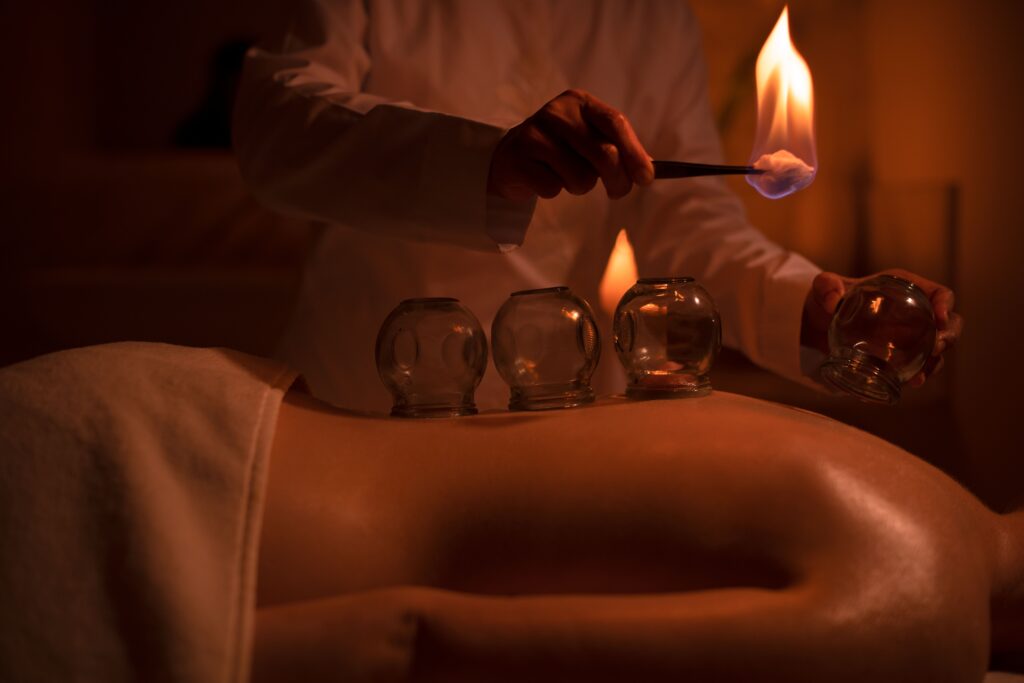
Mind-body practices, spiritual healing and applied therapies including traditional massage, hydrotherapy and cupping, are also central to TAIM.
For example, hijama or wet cupping is drawn from prophetic tradition and is recommended for up to 72 diseases, a review in the Global Journal of Health Science noted.
A range of cupping therapies combined with hands-on massage are offered at Loulou Spa, located inside the Four Seasons Resort and Residences at The Pearl-Qatar. Loulou also leans on Middle Eastern ingredients, such as organic date sugar, oud oil and organic argan oil.
Grounded in Tradition
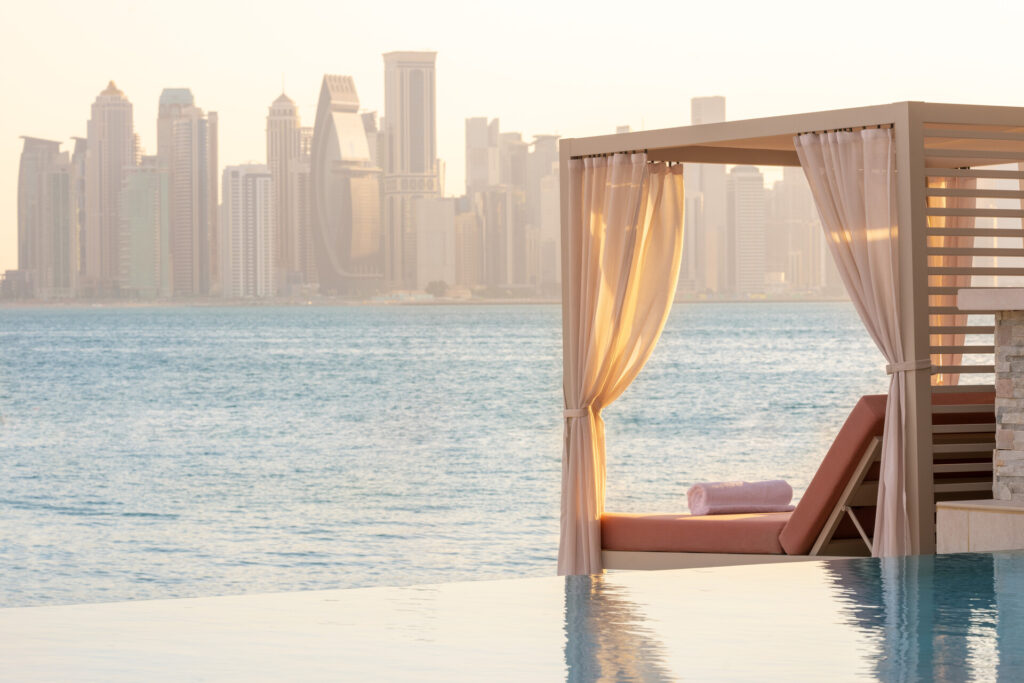
Luxury retreats such as Zulal Wellness Resort by Chiva-Som in Qatar are wholly structured around the principles of TAIM.
During my stay, I consult a TAIM specialist who prescribes herbal medicines and wrote me a three-page list of recommendations for optimal sleep, diet and movement. I also indulge in different forms of traditional massage (tadleek), including the Qatari hamiz (deep tissue) full body massage with sweet almond oil.
Other properties that focus on traditional ingredients and techniques include Qatar’s Ritz-Carlton Spa Sharq Village and Alila Jabal Akhdar resort in Oman, which harvests juniper and frankincense from its own gardens.
According to Bodeker, Islamic healing, nutritional and beauty traditions form an important but little-known body of knowledge that must be tapped. “There are a wealth of health resources that exist here,” he says.