

Between sunny days at beach clubs, balmy evenings on swanky rooftops, and chilly nights in the untouched desert, there’s an effortless glamour built into holidays in Dubai — depending on when you’re there. Fly in during high season, and you’ll be able to enjoy the best of what it has to offer.
Misplan the timing of your trip, and you could end up in the city at a time when residents are posting videos of themselves frying eggs on pavements, balconies, and the hoods of their cars. This isn’t just about using humour as a coping mechanism; we really will do anything in an attempt to capture the intensity of the heat.
While the best time to visit Dubai partially depends on your itinerary and travel personality (and goals), the verdict on this one is unanimous. Winter is rightfully peak season, but shoulder months have some perks of their own, too. Below, we’ll dissect the calendar, outlining the pros and cons of each alongside insider tips on navigating extreme temperatures, key religious occasions, and annual events that could impact your budget.
Dubai’s Climate and Seasonal Overview
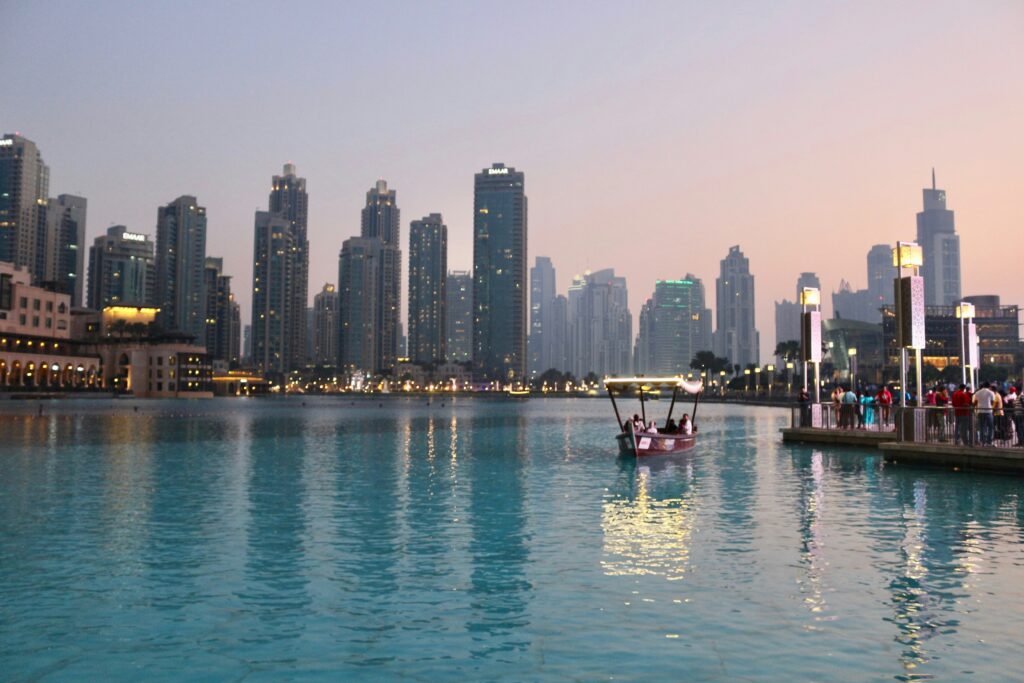
Having known the frigidity of Chicago’s winters up close, referring to Dubai as cold at any time of the year can feel like a stretch. In fact, long-time residents jokingly categorise the city’s seasons as “summer” and “summer lite”. More formally, there are two main seasons in Dubai – winter and summer – with brief transitional periods in between.
High Season (November–February)
Loosely defined, winter in Dubai runs from November to February, bringing with it pleasant daytime temperatures (an average maximum of 24-26°C) and breezy nights (as low as 15-16°C) as well as the return of seasonal offerings like outdoor markets and desert pop-ups.
Unsurprisingly, such idyllic weather translates to high season, so book your accommodation well in advance and expect hordes of tourists at prime attractions like the Museum of the Future and the Dubai Fountain, opting for skip-the-line access where possible. It’s also worth noting that the city is at its priciest during this time, as both flights and hotels are significantly more expensive. Luxury travellers will argue that the splurge is justified — Dubai, already one of the most dynamic cities on Earth, truly buzzes with activity as temperatures fall.
Bear in mind that Ramadan will be observed in winter until 2035 in accordance with the lunar calendar and, contrary to popular belief, is a great time to visit. Yes, the city’s rhythm changes drastically to reflect the solemn tone of this sacred month, but travellers who follow social etiquette are rewarded with a culturally rich trip.
Low Season (May–August)
The blistering heat of summer makes for a stark contrast, driving residents indoors and visitors out of the country. Temperatures hover over 40ºC between May and August, even surpassing 50°C on occasion. Taking over as the go-to topic for small talk, such extreme weather is guaranteed to put a literal damper on any outdoor plans — humidity as high as 90% is part and parcel of this season.
Summers once deterred tourists entirely, but kid-friendly activations as well as citywide discounts at hotels and retails (collectively held under the annual Dubai Summer Surprises festival) now draw budget-conscious travellers and families, especially when school’s out.
Shoulder Season (March–April, September–October)
Transitional weather strikes a happy medium; thinner tourist crowds and a slight dip in hotel rates help offset steadily rising temperatures — highs of over 30ºC on most days. With the GCC region highly vulnerable to the impacts of climate change, the weather from March to April and September to October is not as appealing as it once was, but events season is still in full swing. Interestingly, the Eid al-Fitr holiday will take place in March over the coming years, making the month a lot more festive than usual.
If adventures in the desert are high on your bucket list, however, you might want to reconsider travelling in March or April. Dust and sandstorms, another problem prevalent in the region, mostly occur during the spring and summer months as strong shamal winds lift large quantities of sand and dust into the atmosphere, leaving decreased visibility and corneal abrasions in their wake.
Best Time to Visit Dubai Based on Travel Goals
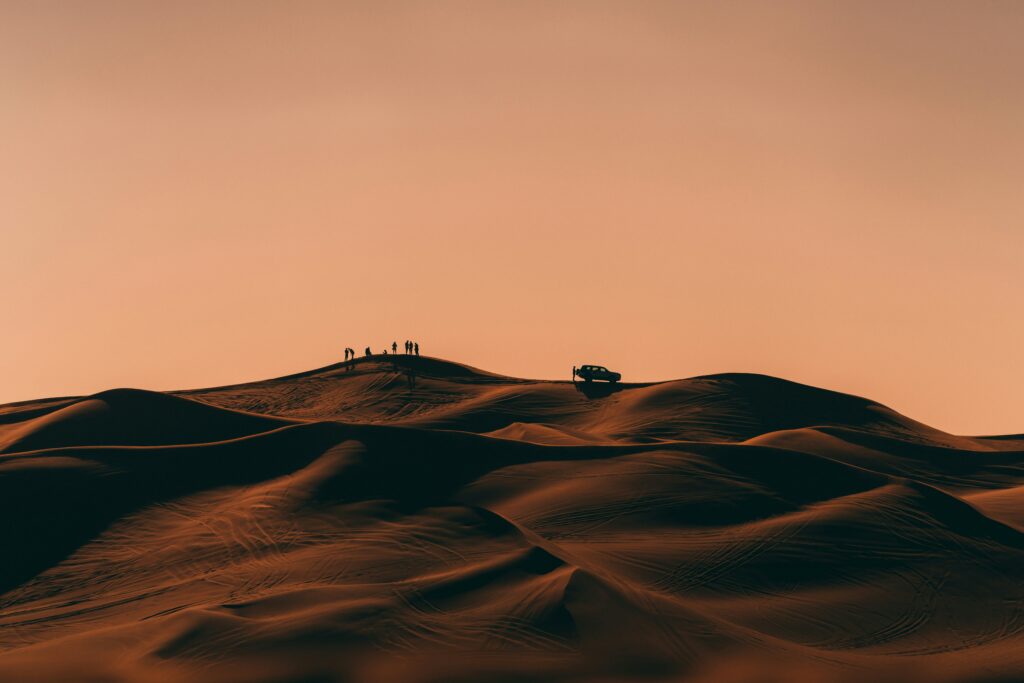
Sipping sundowners amidst the dunes, photographing the historical wind towers of Al Fahidi, jet skiing in the waters around the sail-shaped Burj Al Arab — let the image of your ideal trip to Dubai dictate the best time for you. Unsure of your travel goals? Here’s a glance at everything that captivates travellers (including first-time visitors to Dubai) and planning around it.
Beach Escapes and Pool Days
Sun seekers are at an advantage for a multitude of reasons. With the coastal city averaging less than 150mm of rain per year, sporadic showers are unlikely to disrupt any days spent poolside or under a macrame umbrella on the shore. Clear skies aside, the sea is warm enough for swimming year-round. For optimal conditions, though, your best bet is to visit during shoulder seasons, when temperatures are warm but not scorching hot — prolonged sun exposure between May and August can go from uncomfortable to unsafe. Fast.
With Dubai perpetually pushing the boundaries of luxury hospitality, there’s always a chic new beach club or waterfront resort on the scene, but they can get pricey. Luckily, loads of upscale hotels (including family-friendly hotels in Dubai) and seaside venues extend pool day deals, many of which are fully redeemable against snacks and beverages. DayPass is a reliable source of updated listings for thrifty beachgoers, too. But if you’re here for the finer things, Sirene by Gaia is where it’s at. This beachfront hotspot, like the city it calls home, goes all out when it comes to indulgence (think VIP cabanas, a temperature-controlled pool, and elevated Greek fare across a staggering 9,000 square metres of prime real estate).
Shopping, Dining and Indoor Activities
The UAE’s harsh desert environment means that just about everywhere you go will be air-conditioned, nearly 900 bus stops included. Admittedly, the country doesn’t exactly win brownie points for its climate performance, but it certainly manages to cater to visitors all year round as a result. The indoor attractions span museums, gaming, theme parks, wildlife encounters, golf simulators, escape rooms, and digital art exhibitions, so there really is something for everyone. Aim to explore whatever strikes your fancy when the heat is at its peak — 12:30 pm to 3 pm on most days.
Just as broad is the choice of dining venues, ranging from modest cafeterias and casual bistros to Michelin-starred eateries and expansive food halls. As for the common denominator? Culinary diversity. In a city where over 200 nationalities coexist, disparate cuisines and cooking techniques inevitably intersect, expanding palates in the process. Incidentally, the Dubai Food Festival is a unique opportunity to immerse oneself in this vibrancy firsthand. Typically running for a few weeks every spring, this citywide celebration is centred on a packed programme of activations, special menus, dining deals, chef collaborations, masterclasses and more. Needless to say, it makes shoulder season all the more appealing for foodies.
Shopping, meanwhile, is an extreme sport in Dubai — and the thrill of victory is never far, no matter where you are. Still, it’s worth knowing that Dubai Mall and Mall of the Emirates are best suited to tourists. Not only are both accessible by Dubai Metro, but they’re also accented with unexpected extras like an Olympic-sized skating rink and snow-covered slopes, respectively.
If you’re sold on the idea of visiting in winter, then consider flying in once the annual Dubai Shopping Festival has kicked off in early December. And don’t let the name fool you — art installations, live concerts, fireworks displays, drone shows, pop-up markets, and even car parades turn this month-long retail extravaganza into one of the liveliest events of the year. It has a summer counterpart, too, but more on that later.
Desert Adventures and Outdoor Excursions
If you’re going to chase adrenaline, do it deep in the windswept desert as winter rolls around. There’s no better time to go sandboarding, ride a camel, race a quad bike, and experience the thrills of rolling over and across rolling sand dunes in a 4×4 vehicle, all of which collectively form a standard desert safari — a must for first-timers. Repeat travellers, in contrast, are better off splurging on a hot air balloon ride by Hero Balloon Flights, a company that complements this outing at dawn with an in-flight falcon show.
Remember that nights and early mornings in the desert can get surprisingly chilly. The temperature drops as low as 10°C in winter, so pack a sweater or light jacket if you have any sunrise or sunset experiences planned. The shoulder months of September and October have an edge if you’d rather leave all those layers at home.
While taking a hot air balloon ride isn’t possible in summer (soaring temperatures and unstable air conditions make flying a risky endeavour), most tour operators insist that going on safari is just fine, as the desert is cooler than the city in the evenings. They’ll cancel any morning tours and adjust the pick-up time as mercury rises, of course, so the risk of sunburn is nonexistent. But I’ll be honest: with shortened activities, it’s far from ideal.
It’s not all that different if you’d rather stay in the city to kitesurf, parasail, skydive over Palm Jumeirah island, or live the high life, taking in views of iconic landmarks from the deck of a luxury yacht — the blue skies and breezy days that come with winter can’t be beat.
Cultural Festivals and Special Events
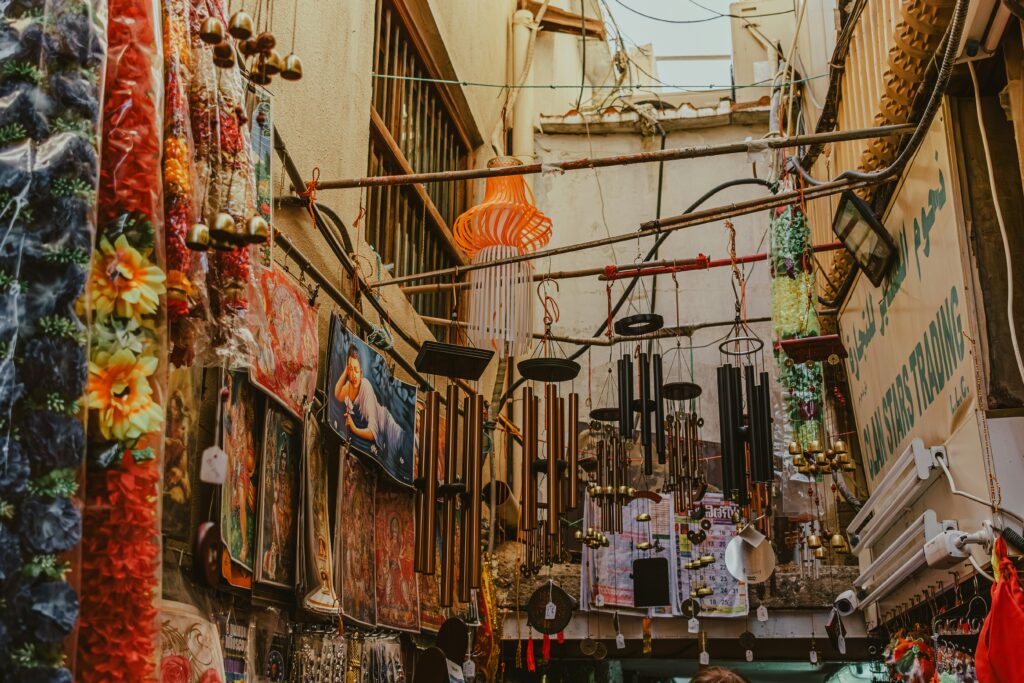
March was once the busiest time for art enthusiasts across the city — Art Dubai, World Art Dubai, Alserkal Art Week, and the Sikka Art and Design Festival all took place in a span of a month, defying the stereotype that Dubai has no culture. But with Ramadan shifting forward by about 10 days each year, they’re not lined up quite as neatly anymore. That’s not to say the city no longer caters to aesthetes. Its key cultural experiences and events are simply scattered throughout the year, interspersed with the likes of Dubai Design Week and Emirates Airline Festival of Literature.
Prefer to explore more permanent cultural institutions? The city is home to both niche and mainstream museums, art galleries, concert halls, and theatres that are open to the public all year round and, like other indoor attractions, are least crowded at the height of summer. The timings of leisure spots do vary slightly during Ramadan, so it’s worth checking any specifics beforehand. Many actually operate extended hours, a nice bonus alongside all the other pros of visiting during this holy month.
Not only is Dubai especially atmospheric come dusk, when those practising break their fast, but you’ll also gain a deeper understanding of local traditions — themed activities like calligraphy workshops, poetry performances, and communal iftars are perfect for travellers seeking cultural pursuits. Personally, some of my favourite Ramadan memories were made at places like Alserkal Avenue and Jameel Arts Centre, where, year after year, the creative community gathers over old-timey board games and experimental henna art well into the night.
Rest assured, tourist attractions are open during the day, as are most dining venues. Win-win. One caveat: You’ll have to be more mindful of your behaviour during this sacred time; dress modestly and avoid smoking, chewing gum, or consuming food and beverages in public during the day.
Unlike Ramadan, when hotels are more affordable, several annual events cause surprise price spikes. As a major economic and entertainment hub, Dubai plays host to international tech expos, travel trade shows, sports tournaments, art fairs, and F&B conventions, and even a mid-sized event can cause rates to fluctuate. A little flexibility with your dates can go a long way if you’re looking to save some cash. On that note, the city is extremely congested and exorbitantly priced on New Year’s Eve, so save yourself the hassle and watch the famed Burj Khalifa fireworks online.
When to Avoid Dubai (If At All)
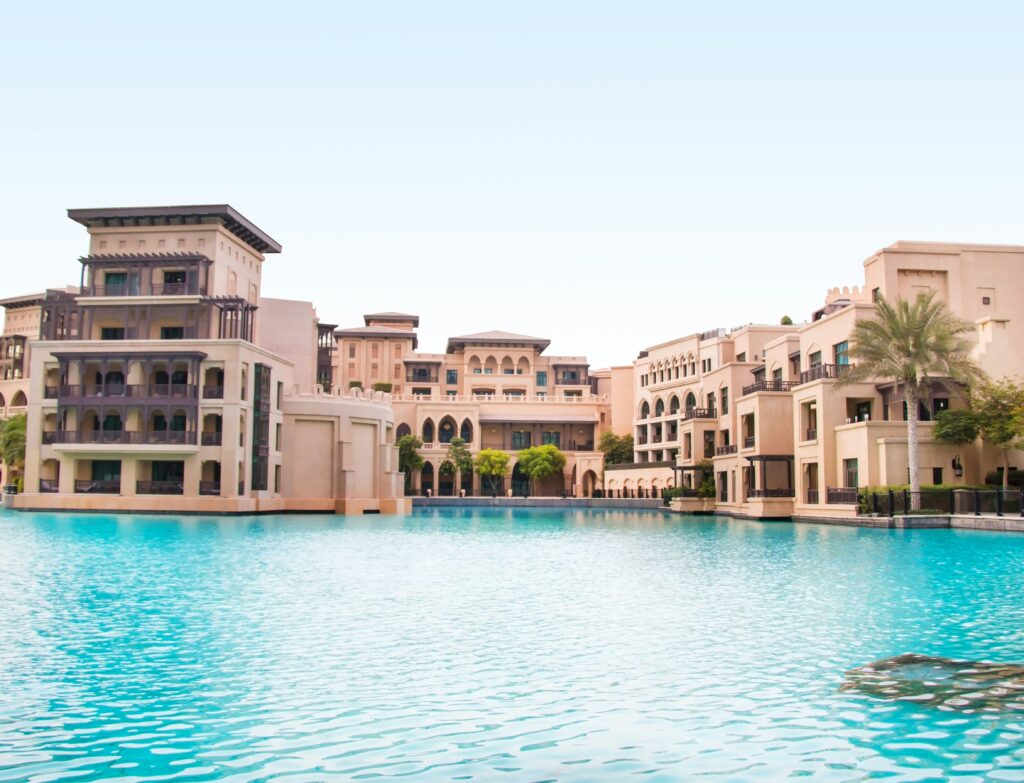
One word: summer. Steering clear of the city from May to August is a no-brainer as far as I’m concerned. Action-packed desert excursions and long, leisurely beach days – two major reasons to kick back in Dubai – are essentially off-limits, for starters. Sure, there are shorter queues at landmarks like Dubai Frame and more room to play at indoor attractions like Ski Dubai, but at what cost?
Heat and Health
Even brief exposure to the escalating temperatures and severe humidity can have dire consequences for those with a low tolerance for heat, especially as dehydration symptoms tend to sneak up without much warning. The extreme weather can also trigger everything from headaches and migraines to painful muscle spasms and even irregular heartbeats, depending on a person’s pre-existing health conditions. There’s a reason that Dubai turns into a veritable ghost town come summer.
The Great Indoors
Think you can brave peak daily temperatures averaging over 40ºC? Align your trip with Dubai Summer Surprises if your schedule is flexible — hotels, spas, and shopping malls across the city participate in this annual shopping and entertainment festival, resulting in better deals for you. Elsewhere, brunch institutions like Secret Parties and indoor theme parks such as PlayDXB host their own versions of summer promotions, only adding to the appeal of retreating indoors, where ACs run on full blast at all hours.
The Verdict: When is the Best Time to Visit Dubai?
- Best overall: Early January. The holiday crowd has left, but the Dubai Shopping Festival is still in full swing.
- Best for budget travellers: July. Dubai Summer Surprises runs throughout the course of this sweltering month, lowering the price tag of just about everything in sight.
- Best for beach holidays: Shoulder season — March, April, and November to be exact. Most of September is a little too warm for lounging.
- Best for cultural pursuits: Ramadan for gaining fascinating insights in a backdrop of idyllic weather and lower hotel rates.
- Best for desert excursions: Anytime between November and February. Pleasant afternoons lead nicely to chilly evenings spent by a bonfire under the stars.
“If you build it, they will come” is a phrase that makes me think of Dubai and its ability to morph into a year-round tourist destination, regardless of weather reports and the heat warnings that come in tow each summer.
Shopper’s paradise, adventurer’s playground, gastronomy capital, nightlife haven — having observed its growth from a humble trading hub to a place where ambition knows no bounds, I can confirm the city is what you want it to be.