

Tallest, largest, highest, deepest — Dubai is known for a lot of things, not least of all its affinity with superlatives. The city’s reputation precedes it, evoking the kind of lifestyle that screams luxury at every turn. As someone travelling to Dubai for the first time, you can begin by trying to shake off any preconceived notions.
Like any other metropolis worldwide, there are different sides to this city, attributed to its rapid transformation from a modest fishing settlement to a hub of ambition where more than 200 nationalities coexist. Needless to say, navigating its many contrasts calls for a little research and plenty of practical advice.
Unsure of where to start? Our guide to Dubai for first-time visitors spans insider tips on everything from public transportation and cultural etiquette 101 to commonly misunderstood laws and must-visit attractions to help you make the most of your trip.
Practical Travel Tips for First-Timers Visiting Dubai
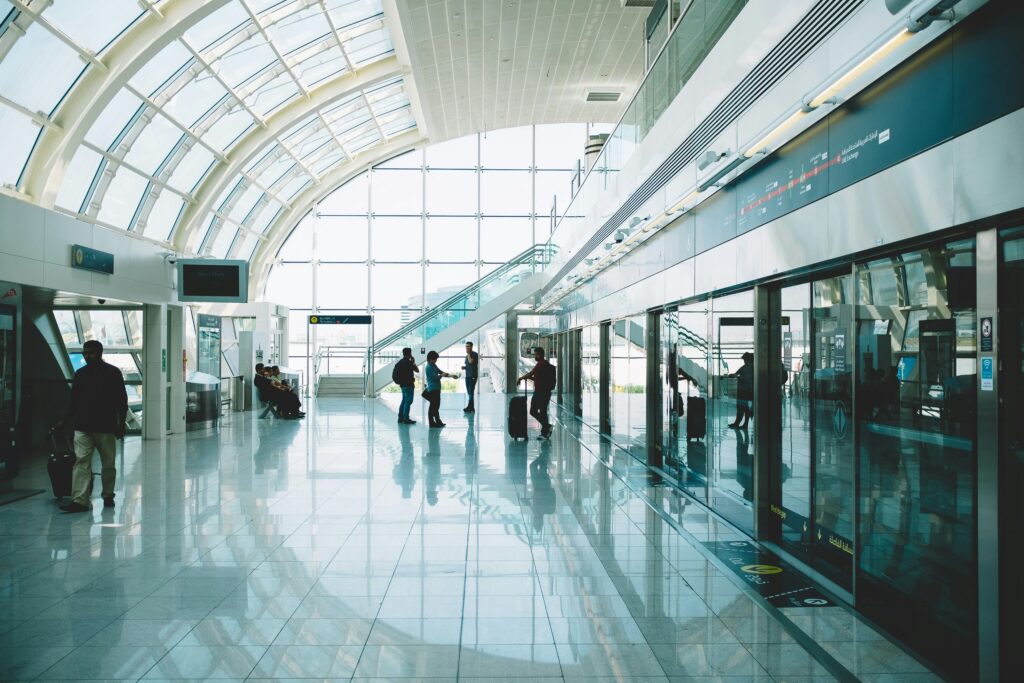
Time, cash, and a whole lot of hassle — that’s what you can save with the help of a few practical tips, especially as a first-timer. Dubai, among the fastest-growing cities in the world, is as bustling with activity as it is costly and overcrowded, leaving some feeling overwhelmed from the outset.
DXB, for starters, consistently ranks as the world’s busiest airport for international passengers, and taxi fares start with a flagfall of AED 25 (USD 6.81). Settle in and keep the following in mind.
Navigating Dubai’s Transportation System
The city is working hard on its walkability (or lack thereof), but it’ll be a while until the Dubai 2040 Urban Master Plan takes effect. In the meantime, opt for the Dubai Metro, part of the Roads and Transport Authority, when possible — the traffic-choked roads do no favours to tourists pressed for time.
And while it’s not a door-to-door service, it’s safe and efficient, made easier to navigate thanks to RTA’s journey planner. The rapid transit system not only covers the city’s key areas, but also offers direct access to tourist favourites like Burj Khalifa and Mall of the Emirates.
An interesting feature in Dubai’s transportation system is the versatility of the rechargeable Nol card: besides its function for pay-as-you-go travel on all modes of public transport (RTA taxis included), the blue, silver and gold iterations can be used at over 2,000 restaurants, pharmacies, convenience stores, and retail outlets. The red Nol card, meanwhile, is more suited to those partial to taxis or in town for a Dubai layover. Rechargeable for up to ten single journeys or five daily passes, it starts at a bargain AED 2 (USD 0.54).
Regardless, you’ll eventually need a taxi as many of your plans won’t align with Dubai Metro’s network, so download the Careem app ahead of your trip. This is where you’ll select the ‘Hala Taxi’ option to book an RTA taxi, a more affordable alternative to using Uber.
Understanding Currency and Tipping Etiquette
Abbreviated as AED (official) or DHS (unofficial), the UAE dirham has been pegged at a rate of 3.6725 against the US dollar since 1997, making it one of the most stable currencies globally.
As of recently, it’s also represented by a symbol that’s yet to be added to Unicode (two horizontal lines with curved ends superimposed on the Latin letter D), but already in use at ATMs, POS systems, and in-store displays.
Both Visa and Mastercard, along with Apple Pay, typically work fine across Dubai, but carrying tenners comes recommended if you plan to tip. While there are no set rules, the service industry is composed almost entirely of migrant workers who are putting in long hours, far from home, so think of tipping as customary, not compulsory.
What to Pack
What you pack for your Dubai itinerary should be driven largely by the Emirates’ unofficial dress code (but more on that soon). Insiders will tell you that it never gets cold — in fact, we categorise the two seasons as “summer” and “summer lite”. Desert nights, however, can get surprisingly chilly.
The temperature drops as low as 10°C (50°F) in winter, so pack a sweater or light jacket if glamping or stargazing is on the itinerary. There’s something to suit every budget in case you’ve forgotten something, but sunglasses, loose clothing, and a high SPF are essentials, as is a travel adapter if you’re coming from a country where Type G plugs aren’t used.
Cultural Etiquette and Local Customs
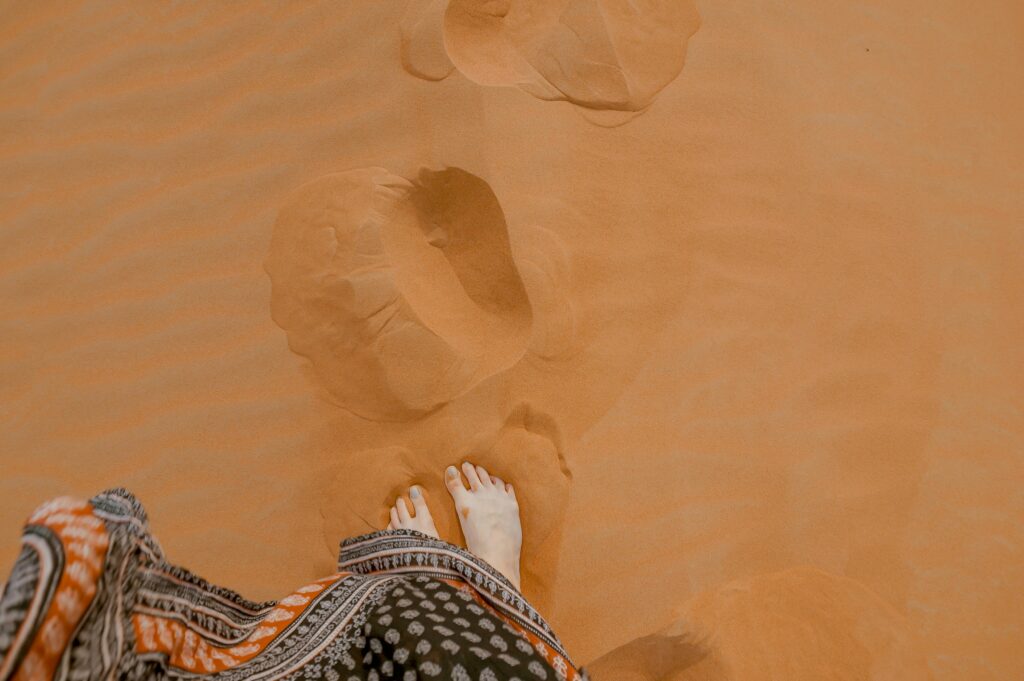
It’s a predictable scenario when people begin to make plans to visit Dubai — questions around how to dress, where to drink legally, and laws that could potentially land them “in trouble” steer the conversation. And while most holidays go off with a hitch, my advice to first-timers unfailingly starts with: “Err on the side of caution.”
The city, while liberal in comparison to its peers across the GCC region, is conservative according to Western standards, as the official religion of Islam has a profound influence on local culture.
Understanding Dress Codes
In the absence of an official, legally enforced dress code, the city’s cosmopolitan nature is often misconstrued. In fact, the revealing outfits now prevalent at malls and theme parks not only take first-time visitors by surprise, but are also increasingly in the discourse.
It’s best to follow the basic guidelines on modesty – covered shoulders and knees at the very least – in public spaces and government buildings. Mosques, meanwhile, call for arms and legs to be fully covered up.
Women are also asked to put on a scarf upon entering. In contrast, public beaches and private beach clubs are lax about swimwear, but topless bathing is strictly prohibited.
Navigating Public Behaviour and Social Norms
Beyond your clothing choices, you can exhibit respect for the UAE’s customs by how you behave in public. With a high number of expats (92% of the population, to be exact), English is the most commonly spoken language in Dubai, but locals will appreciate the effort if you greet them with a simple “as-salaam alaikum”.
As for what to avoid? Public displays of affection, heterosexual or otherwise. Holding hands is fine, but steer clear of anything more intimate to avoid drawing unwanted attention or, worse, ending up with a fine — this applies to married couples, too.
Cursing aloud and online is also a no-no, much like debating politics or human rights with people you’ve just met. Long story short, discretion is key.
Ramadan: What Visitors Should Know
The most sacred month in the Islamic calendar, Ramadan drastically changes the everyday rhythm of Dubai, making for a culturally rich visit — seasonal offerings such as henna sessions, poetry performances, and themed iftar buffets really bring the city to life come dusk, and everyone’s invited (whether they’re fasting or not).
As a tourist, however, you’ll have to be more mindful of what’s appropriate. While most dining venues and major tourist attractions are open during the day, it’s considered disrespectful to openly smoke, chew gum, or consume food and beverages in public during the day.
Top Attractions and Experiences in Dubai
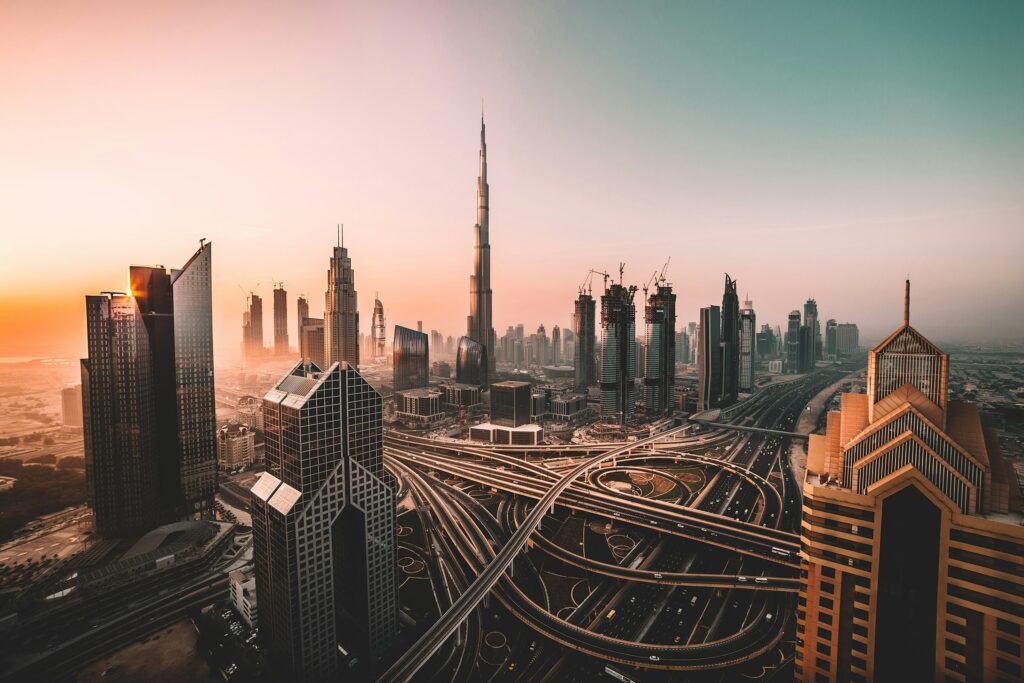
Dubai lures first-timers and repeat travellers with its architectural marvels and glamorous tourist offerings, but as both groups realise soon enough, there’s plenty to discover beyond its glossy facade — you’ll be surprised how many parts of the city still echo its humble roots as a fishing village. Both sides are equally worth exploring, but with traffic and time constraints, it helps to focus only on the highlights.
Must-Visit Landmarks
Social media posts repeatedly frame Dubai as a futuristic metropolis where ambition thrives, and here, it isn’t a case of Instagram vs reality.
The Burj Khalifa
Start at Burj Khalifa, an architectural marvel you have to see to believe. At a height of 828 metres, it’s not just the world’s tallest building — its innovative buttressed core makes it a feat of engineering, too.
Whether you’re there to geek out over its construction or take in unparalleled views of the city from a sky-high observation deck, this one’s a must-do. Just be sure to book your tickets to Burj Khalifa’s At The Top online so you can bypass the queues and maximise your time.
Dubai Mall
Back on the ground, Dubai Mall is the ultimate address for retail therapy, but so much more. Over 1,200 stores aside, it houses an ice rink, an aquarium, a full-fledged Chinatown, and the world’s largest indoor VR park.
Do yourself a favour and store your shopping bags using the Shop and Drop service — you won’t want to lug them around the mall, which covers a staggering total area of 1.1 million square metres.
It’s also worth noting that you can claim a VAT refund on your purchases at one of the Planet Tax Free counters in the airport.
The Dubai Fountain
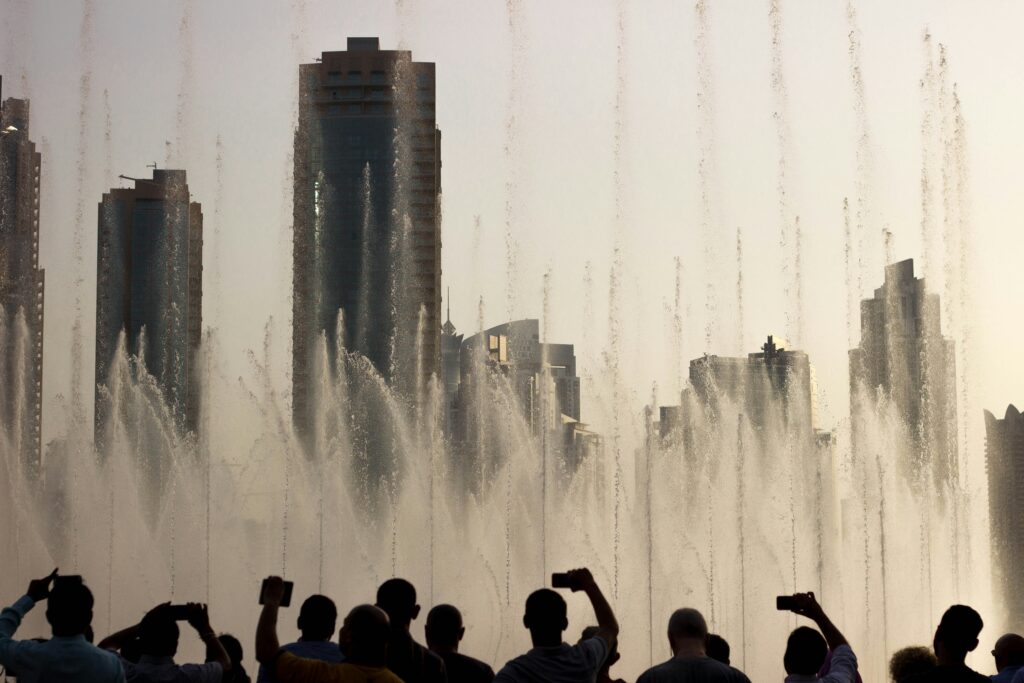
The Dubai Fountain is another reason to linger in the glitzy downtown area.
Among the largest performing fountains worldwide, it’s expected to be back in the spotlight on 1 October after an upgrade, this time dazzling curious tourists and casual passersby with improved choreography and an enhanced sound and lighting system.
The Museum of the Future
Nearby, the Museum of the Future beckons, teleporting visitors to the year 2071. Another symbol of Dubai’s progressive outlook, this torus-shaped attraction is enveloped in Arabic calligraphy across 1,024 stainless steel panels that represent the 1,024 bytes of data in a kilobyte.
Inside, immersive exhibits are spread across five zones on a fixed, self-guided path, so you can move at your own pace as you try your hand at ultrasonic therapy and voyage to Orbital Space Station Hope, 600km above Earth.
Still, it’s the museum’s strikingly engraved exterior that makes it so fascinating, so take the time to appreciate it from the viewing deck on Level 2 — the unique perspective is a photographer’s dream.
Palm Jumeirah
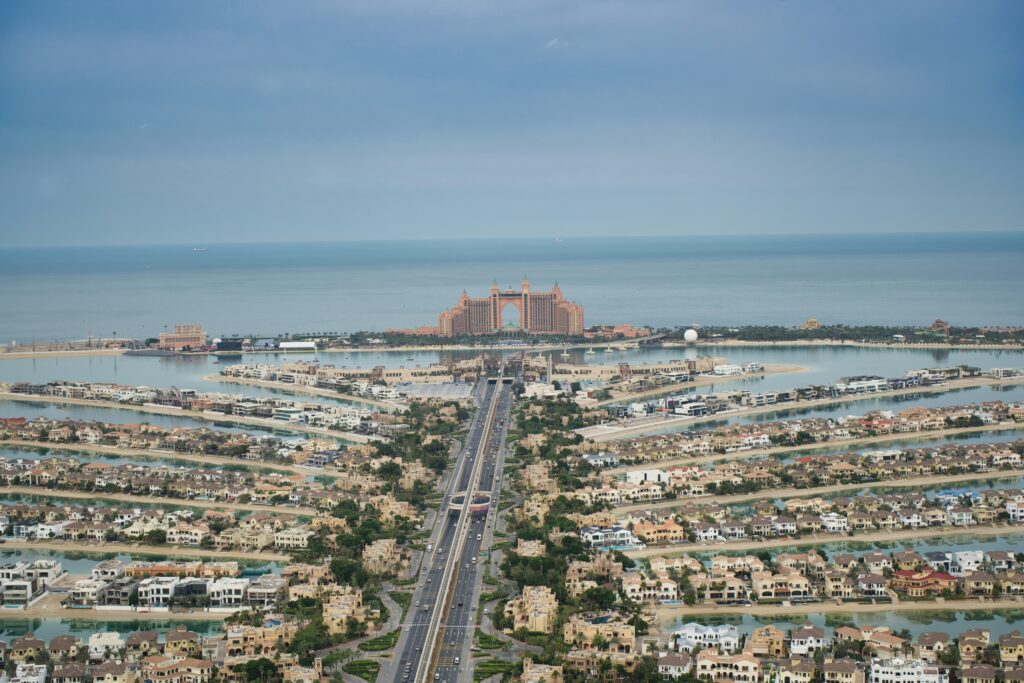
Further south, Palm Jumeirah is where the city’s well-heeled come to play, and a marvel in its own right. Shaped like a palm tree, this massive artificial island was created using sand dredged from the bottom of the Persian Gulf back in the early 2000s.
Today, it’s home to a whole host of venues popular with tourists and residents alike: Aura (the world’s highest 360° infinity pool), Aquaventure World (the world’s largest waterpark), and Trèsind Studio (the first and only Indian restaurant in the world to boast three Michelin stars).
Exploring Dubai’s Cultural Heritage
A far cry from towering skyscrapers and sprawling malls is a side of the city that long-term residents are inclined to call “the real Dubai”, with countless cultural experiences that speak to the true heart of the ‘Gulf Tiger’.
Al Fahidi Historical Neighbourhood
Any first-timer’s visit should start in the charming Al Fahidi Historical Neighbourhood, where the Sheikh Mohammed Centre for Cultural Understanding introduces tourists to the Emirati way of life through a range of cultural experiences that are more practical than preachy. The typical programme here lasts 90 minutes, leaving plenty of time to stroll unhurriedly in the labyrinthine alleys of Al Fahidi.
A key heritage site, it reveals what life in Dubai was like during the mid-19th century and, truthfully, trumps any history museum in town — the area’s authentic wind towers and ancient coral mansions are beautifully preserved.
Water Taxis Galore
Another experience that offers a glimpse into the past is riding an abra, or traditional water taxi. For AED 120 (USD 32.67), you can hop aboard one of these weathered wooden boats for a private, hour-long trip along Dubai Creek that separates Deira and Bur Dubai, two of the oldest neighbourhoods in the city.
Alternatively, you can join groups of commuters as they cross the creek for only AED 1 (USD 0.27). This natural body of water, incidentally, has played a vital role in Dubai’s origin story — it enabled trade with merchants from India and Iran long before the discovery of oil.
Explore the Souks
Head to the Deira side if hunting for treasures at a maze-like market sounds appealing. Located in close proximity, Gold Souk and Spice Souk are a collective feast for the senses, their vendors reflecting the country’s rich cultural tapestry.
Bargaining is half the fun, so whether you’re on the lookout for a nameplate necklace in Arabic or a savoury spice blend from North Africa, don’t hesitate to haggle. Hard.
Adventure and Leisure Activities
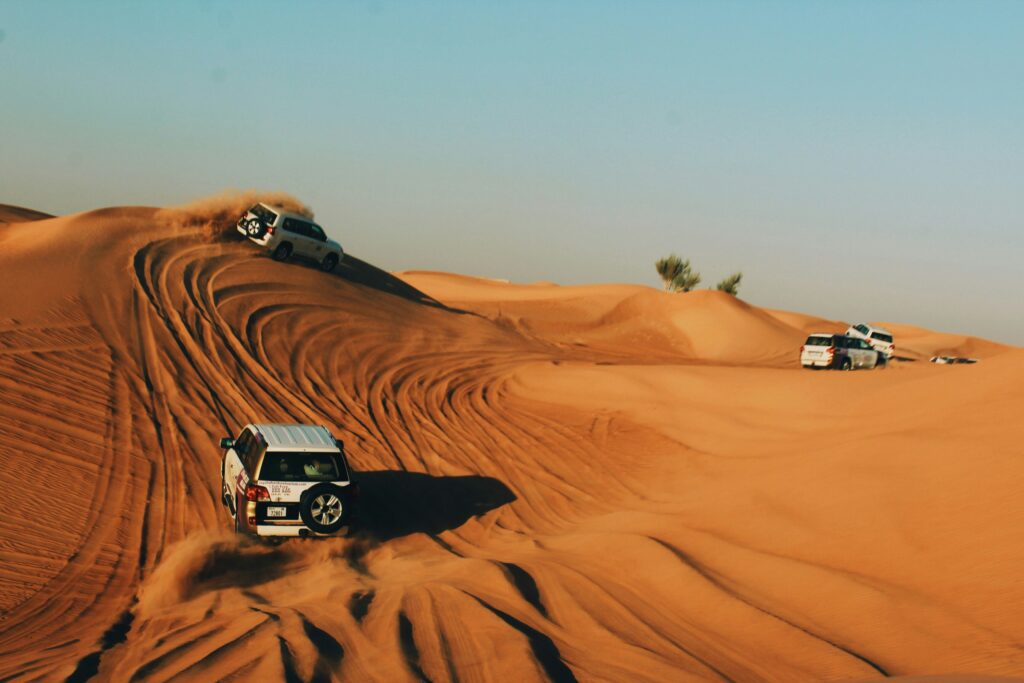
Dubai isn’t an obvious contender when it comes to leading destinations for thrill seekers, but there’s a surprising number of adventure activities on offer.
Deep Dive Dubai
True to the city’s DNA, a superlative experience awaits at Deep Dive Dubai that, as its name suggests, is the deepest dive pool in the world. Reaching an impressive depth of 60 metres, it features an abandoned sunken city, complete with submerged supercars and an underwater library.
Carefully evaluate which experience is best suited to your skill level before you take the plunge, though.
Adrenaline-Pumping Activities
Other quintessentially Dubai ways to chase adrenaline? Skydiving over Palm Jumeirah, hitting the slopes at an indoor ski resort, and taking a hot air balloon ride over the desert at dawn.
The rolling sand dunes also make for the definitive adult playground if you’re the outdoorsy type — quad biking, sandboarding, and dune bashing in a 4×4 vehicle are all on the roster when you book a desert safari.
A word to the wise: you’re in for a couple of bumpy rides, so it’s also best to avoid alcohol and heavy meals beforehand.
Beach Clubs
Hedonists, meanwhile, will fit right in at J1 Beach. While there’s no shortage of beach clubs across the coastal city, this sea-facing destination is both new and centrally located, redefining day-to-night leisure by bringing 13 upscale licensed restaurants and achingly cool beach clubs to one place.
Residents are partial to the Aegean-inspired Sirene Beach by GAIA — the affable, endlessly talented chef Izu Ani is at the helm, after all.
Dining and Accommodation
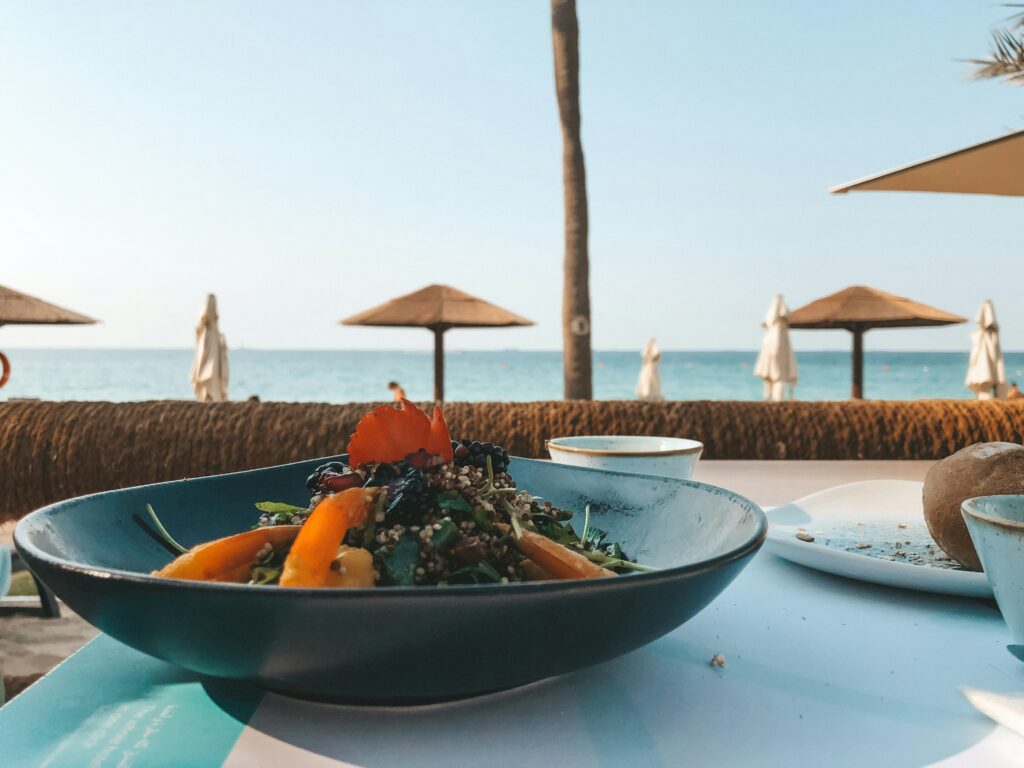
Dining in Dubai is a whirlwind of a journey through global flavours. Much like its population, the city’s culinary scene is exceptionally diverse and, contrary to popular belief, it’s not all celebrity chefs crafting tiny portions of pretentious food.
You could be queuing up for a garlicky, meaty shawarma on a sidewalk in Old Dubai one day, and slurping a bowl of shio ramen in the trendy Dubai Design District the next. Strap in and sample as much as time allows.
Where to Eat: From Street Food to Fine Dining
With the local dining scene maturing in recent years, homegrown restaurants have overtaken imported chains.
Time Out Market Dubai
Taking centre stage at Time Out Market Dubai.
Positioned just steps away from Burj Khalifa, this expansive food market is rooted in bringing the best together under one roof, with its rotating selection of 17 disparate concepts selected for their popularity in a city synonymous with fickle diners.
Collectively, they make Time Out Market Dubai a hub of culinary diversity, but Mattar is a firm favourite. The smokehouse has earned a truly devoted following for its “third culture barbecue” that echoes the multicultural upbringing of Hattem Mattar, hailed as the world’s first Arab pitmaster — his signature Pastrami Reuben wins rave reviews every time.
Dubai Souks and Creekside Food Walk
Off the tourist trail, the Dubai Souks and Creekside Food Walk by Frying Pan Adventures highlights what makes this city a melting pot by introducing participants to its oldest communities and their finest creations (think Afghan stuffed bread and an Iranian dessert doused in rose syrup).
Nostalgia is at the heart of this guided excursion, so above all, it reveals the essence of a bygone era through stories that only a lucky few are privy to. The strength and significance of the Keralite community will inevitably come up in conversation as you explore this lesser-seen side of Dubai. Immigrating in large numbers back in the early 1970s, they’re responsible for creating the UAE’s unofficial national dish: the Chips Oman sandwich.
Sold at no-frills, takeout-only cafeterias across the country for as little as AED 4 (USD 1.09), this ubiquitous wrap starts with a parotta, a staple in the Indian state of Kerala, where it’s used to mop up curries. In Dubai, however, this flaky flatbread is used to encase a scattering of crushed Chips Oman, a generous layer of processed cream cheese, and a splash of hot sauce, resulting in layers of texture and a touch of spice.
Gerbou: An Inventive Take on Emirati Cuisine
For a meal just as culturally relevant, albeit at a drastically different price tag, Gerbou interprets Emirati cuisine through a contemporary lens, embracing Khaleeji flavours and influences from across the Arab world.
Featured on TIME magazine’s World’s Greatest Places 2025 list, the fine-dining restaurant is lauded for filling a gaping hole — modern Emirati restaurants are few and far between in Dubai’s dynamic dining scene.
Where to Stay: Accommodation Options for Every Budget
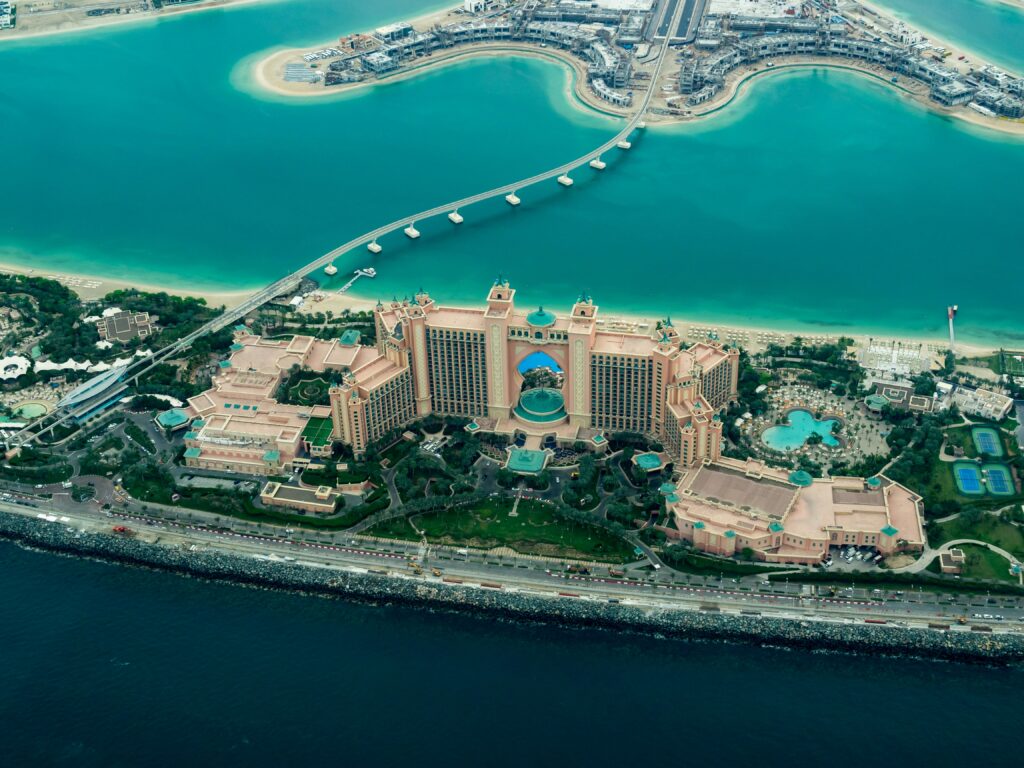
Where you stay in Dubai will depend heavily on how you plan to spend your days. Ambitious travellers armed with a checklist ought to book a hotel in centrally located areas like DIFC, Downtown Dubai, or Business Bay — all well-connected to the Dubai Metro’s Red Line.
Despite the onslaught of newcomers in this vicinity (Vida Dubai Mall and SIRO One Za’abeel included), I always recommend the 25hours Hotel One Central for its design-forward approach.
Prefer to dine extravagantly and soak up the sun? Palm Jumeirah, with its swanky beach resorts like Atlantis The Royal and One&Only The Palm, is the place to be.
Elsewhere, XVA Art Hotel is a top choice for first-timers craving a stay rooted in heritage. What this intimate property lacks in convenience, it makes up for in charm. Hidden within the winding pathways of Al Fahidi Historical Neighbourhood, it houses 15 unique rooms themed around cultural motifs.
Accommodation is arguably the biggest expense of any trip to Dubai, so consider Rove Hotels if you’re a budget-conscious traveller. The homegrown brand has an outpost in every major neighbourhood.
Safety, Health, and Practical Considerations
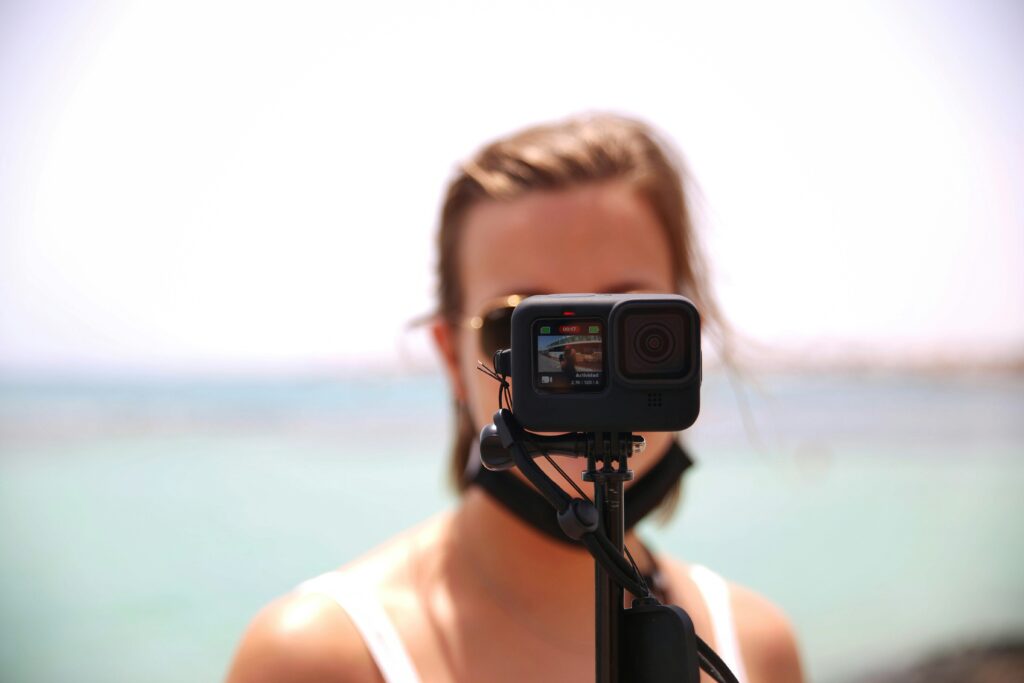
While safety, scams, language barriers, and poor hygiene are common concerns when travelling to a new place, most will diminish once you find your feet in Dubai. Having welcomed more than 18.72 million international overnight visitors in 2024, the city’s tourism sector is essentially a well-oiled machine.
Still, it pays to brush up on the basics of safety matters, health insurance, and laws that tend to catch tourists off guard.
Staying Safe in Dubai
Dubai frequently appears on lists of the world’s safest cities. Strict laws and a strong police presence bring about an impressively low crime rate, with a dedicated Tourism Police department offering support to travellers dealing with emergencies, like lost items.
Interestingly, most scammers target residents and their identity cards, leaving tourists in the clear — for the most part. If someone approaches you in the backstreets of Deira or Bur Dubai, touting some kind of herbal hair elixir or a Rolex that looks remarkably like the real deal, disengage from the conversation and walk away.
Health Precautions and Medical Services
Neither travel insurance nor specific vaccinations are required to enter Dubai, although reports on the former are contradictory. Having said that, medical costs are notoriously high, especially at private hospitals, so it’s best to protect yourself against any unforeseen events.
Additionally, bear in mind that certain medications are on the UAE’s official list of controlled substances, so determine if yours require a doctor’s prescription and/or prior approval from local authorities.
Lastly, look to the likes of British rapper Fredo and footballer Billy Hood as a cautionary tale, and abstain from bringing cannabis or CBD oil into the country, even in trace amounts — the possession of either is considered a serious crime.
Understanding Local Laws and Regulations
Again, the UAE’s laws are strict — stricter than most first-timers realise, in fact.
Be wary when using a VPN, for starters. While using one to enhance online privacy or access corporate networks is allowed, accessing prohibited or blocked content like gambling websites is illegal.
Consuming alcohol and showing signs of intoxication in public (parks, malls, or beaches, for example) is also punishable by law, so stick to refuelling only at licensed venues.
Another area where tourists often get it wrong? Photography. Between its glittering skyline and untouched deserts, Dubai is certainly photogenic, but be aware that taking photos of government buildings is against the law, as is photographing people without their consent.
Best Time to Visit Dubai
Seasonality can make or break your trip to Dubai, depending on what’s on your bucket list — are you craving leisurely days at its beach clubs and desert camps or looking to trawl its many mega malls? As a tourism hub, the city strives to be a year-round destination.
The blistering heat of summer once deterred tourists entirely, but citywide discounts and kid-friendly activations (collectively held under the Dubai Summer Surprises umbrella) now draw families, especially when school’s out. Ultimately, though, the verdict on this one is unanimous.
Ideal Seasons for Tourism
Loosely defined, winter in Dubai runs from November to February and is easily the best time to visit. Not only does it bring with it comfortable daytime temperatures and balmy nights, but also the return of beloved seasonal offerings such as Global Village, an open-air theme park inspired by the diversity of this metropolis.
Clement weather translates to high season in the city, so expect hordes of tourists at prime attractions like the Museum of the Future and the Dubai Fountain (and opt for skip-the-line access where possible).
Spontaneous travellers, take note: hotel occupancy rates rise sharply every winter despite price hikes, so last-minute bookings aren’t foolproof.
Off-Peak Travel: Pros vs Cons
Temperatures hovering over 40ºC between May and August are guaranteed to put a damper on your outdoor plans — quite literally (hello, humidity).
Select attractions pause operations come summer, and while adrenaline junkies can still skydive or ride quad bikes (at a discount, no less), dehydration symptoms tend to sneak up without much warning.
On a budget? Find a happy medium between the two extremes by visiting during a shoulder season. With the effects of climate change in full effect, the weather from March to April and September to October is not as appealing as it once was, but tolerable, pairing nicely with declining tourist crowds and accommodation prices.