
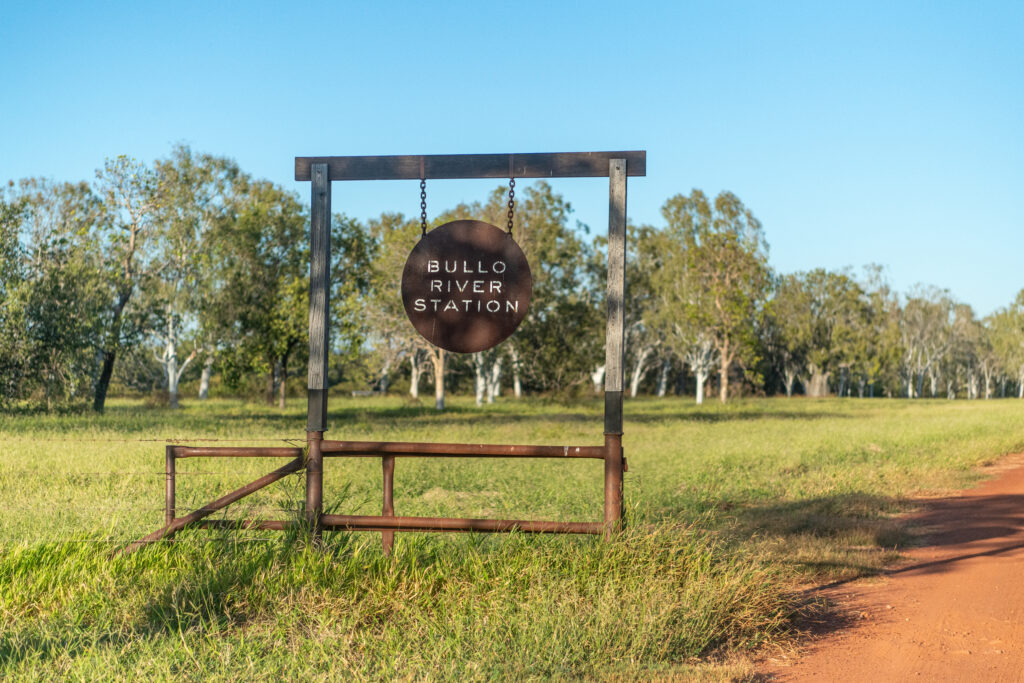
Few destinations in Australia’s Top End offer intrepid travellers the chance to delve into the country’s timeless stockman lifestyle quite like Bullo River Station.
The very epitome of the remote Outback cattle ranch, sprawling, wild, Bullo River Station, established in the mid 20th century in the depths of the Northern Territory, began welcoming guests in the early 2000s, and while it’s lost none of its frontier spirit, it now combines down-to-earth yet thoroughly comfortable accommodations and world-class dining with the unique opportunity to explore an ancient and untamed landscape, shaped by elemental forces, with experienced rangers and guides.
What’s more, with its ground-breaking collaboration with the Australian Wildlife Conservancy (AWC), travellers can now actively support the preservation of this remarkable corner of the Australian Outback for future generations.
If you’re passionate about nature or are looking for the ultimate Aussie Outback adventure, a visit to this authentic, luxury Top End station is a must.
The Spirit of Bullo River Station: A Journey Through the Land
While Bullo River Station offers plenty of creature comforts, from a chic swimming pool to an extensive wine cellar, what the property really offers is a chance to delve into the unforgettable landscapes of the Australian Top End, which stretches from the Indian Ocean in Western Australia to the Coral Sea in Queensland.
This historic corner of Australia remains a wild landscape where furnace-like summers are followed by seasonal rains that cut off cattle ranches like Bullo River Station entirely from the world beyond, and where endemic wildlife roams the land as they have for eons.
A Rugged Landscape with a Rich Connection to the Land
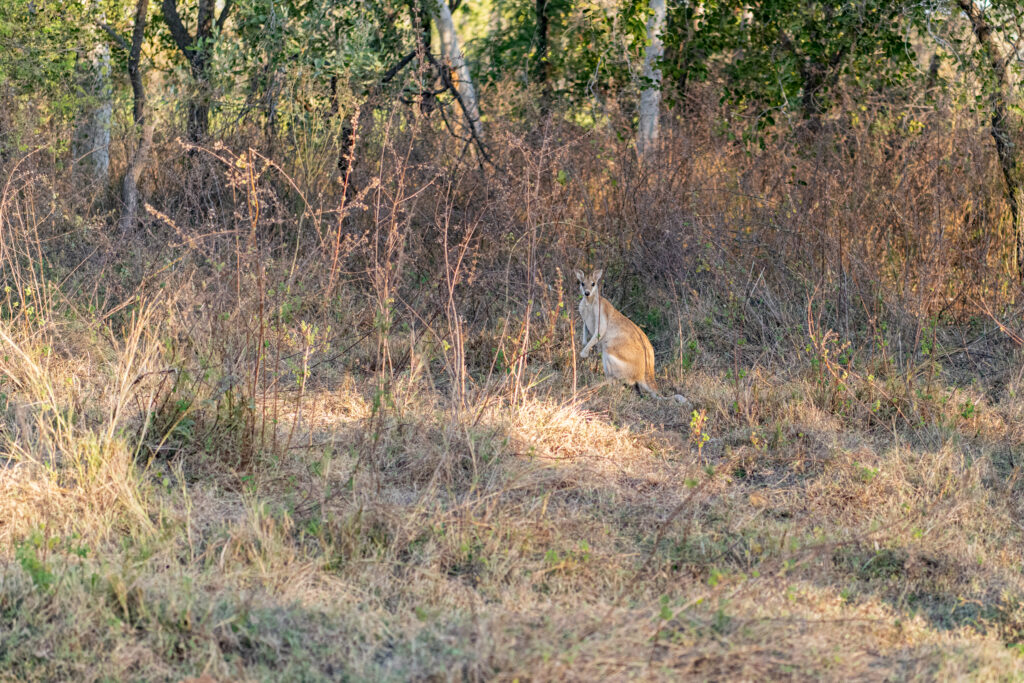
The picture-perfect Aussie cattle station, Bullo River, is as remote as it is wild (its driveway, leading from the main highway, is 79 kilometres long, making it one of the longest in the Territory) and is centred around its namesake waterway, which feeds into the equally wild (and crocodile-infested) Victoria River.
A spectacular landscape of rocky escarpments, sandstone gorges, verdant floodplains and expansive forests of gum trees and eucalypts, Bullo River Station is as beautiful as it is wild. A historic and remote property defined by the land and the seasons, with its relatively small number of cattle (just 2,500 on land that’s more than twice the size of Singapore), Bullo River Station has become a poster boy for sustainable ranching and land management.
In fact, the station’s owners, Julian and Alexandra Burt, have designated the majority of the sprawling property as a conservation zone and work hand-in-hand with the Australian Wildlife Conservancy to protect both the Bullo River, the entirety of which sits within the property’s borders, and the species that rely on its waters, including:
- Wallabies,
- Dingos,
- Saltwater crocodiles,
- The Scaly-tailed possum,
- The Short-eared Rock-wallaby,
- The little-known Chameleon Dragon, and the
- Endangered Gouldian Finch (a personal favourite of Julian’s).
The collaboration also focuses on sustainable cattle management and the eradication of invasive species, including feral cats.
The Burts have also acknowledged the Miriwoong and Gajirrawoong peoples’ role as the original sustainable custodians of the land on which the station operates and maintains crucial bush fire management processes that are little changed in a thousand years.
A Legacy of Transformation
While the first farming permits for the East Kimberley were issued in the early 20th century, it wasn’t until 1959 that the first pastoral lease for the Bullo River Valley Station (as it was then known) was granted to Raymond and Barbara Locke.
While isolated and wild, the 161,000-hectare station’s proximity to both the Bullo and Victoria rivers, which had made it a vital hunting ground for the Miriwoong and Gajirrawoong peoples, made it viable for cattle ranching.
In fact, it was Traditional Owners that made up much of the early workforce, with the Aboriginal stockhands proving to be formidable in the saddle. It was the Lockes that established the station’s landing strip, a vital addition for a property that’s 800 kilometres from Darwin, 200 kilometres from Kununurra, the nearest town, and cut off from the highway during the wet season.
Under owners Charles and Sara Henderson, the station’s infrastructure was expanded to include the Homestead, which was built by a team of Yugoslav stonemasons using locally quarried stone, as well as stockyards. After the death of Charles, Sara battled on, determined to triumph in this unforgiving terrain with a herd of 9,000 cattle, writing several books about her years of isolation and struggle, including From Strength to Strength.
It was in 2001 that Bullo River Station, then owned by Sara’s daughter Marlee and her husband Franz Ranacher, first began taking in guests seeking an authentic Outback experience, one that gave a true sense of place in one of Australia’s most awe-inspiring settings. Activities that drew well-heeled citydwellers to the Outback included spectacular Barramundi fishing, cattle mustering, and wildlife and rock art viewing, with many visitors inspired by the tales from Sara’s books.
However, it wasn’t until the current owners (who also own Voyager Estate Winery in the Margaret River) took control of Bullo River Station in 2016 that sustainable tourism really took the front seat, with the collaboration with the AWC thrusting conservation and preservation to the forefront of the tourism experience.
Together, the pastoralists and conservationists are working to keep Bullo River Station’s spirit alive while prioritising the protection of its endemic species, which include over 200 bird species.
Important Note: With sustainable tourism the new mantra, the Homestead and accommodation wing are now being renovated and expanded by MJM Studio and Sibella Court in preparation for the 2027 season and the station’s next chapter.
Living the Outback Experience at Bullo River Station
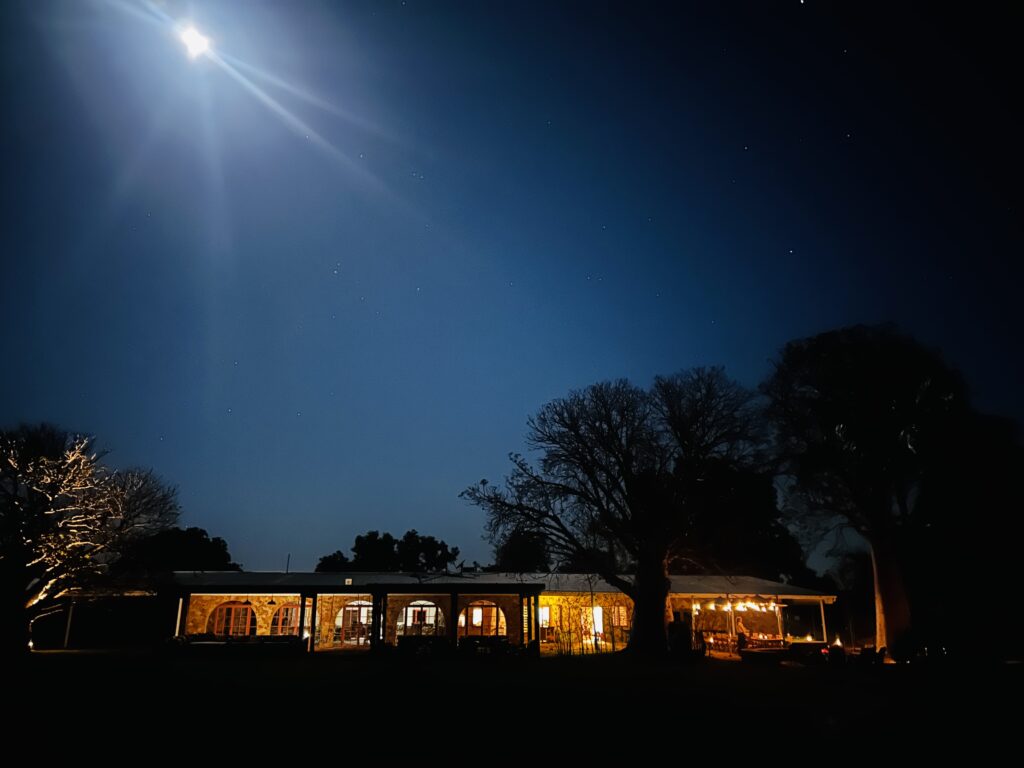
What draws travellers to this remote corner of Australia is its unique position as rough-and-ready cattle station meets contemporary luxury outback lodge, ensuring that no matter how wild the day has been, guests will always be welcomed back with authentic Aussie hospitality.
Accommodation: Where Comfort Meets Wilderness
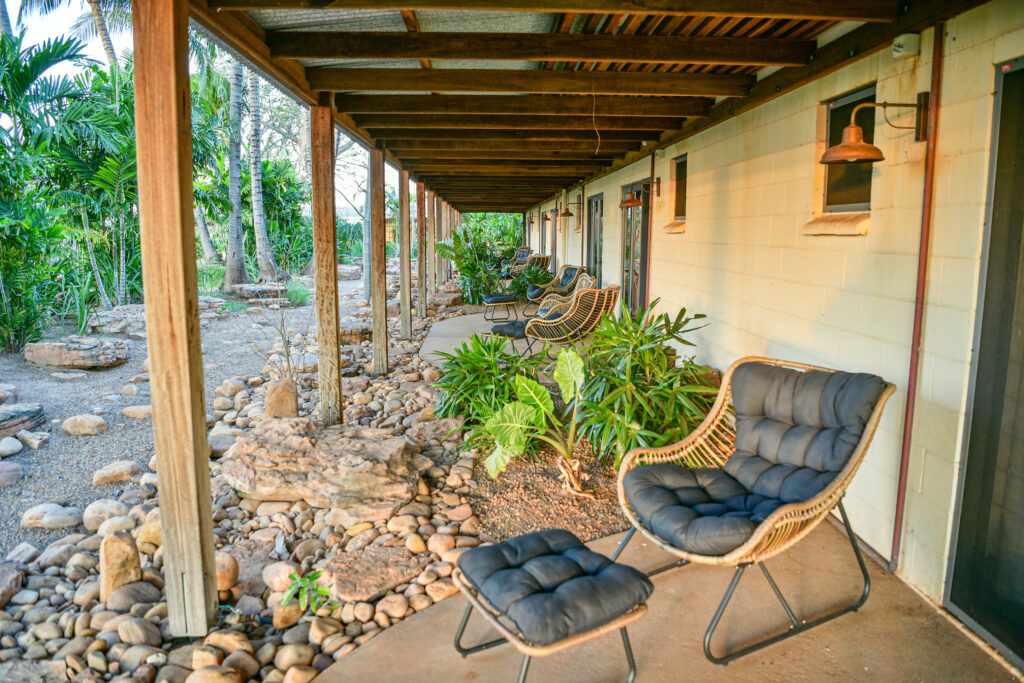
All-inclusive Bullo River Station features a total of 12 cosy guest rooms, housed in a wing adjacent to the historic homestead.
Each comfortable guest room features a spacious bathroom, a king-size bed, and warm, natural fabrics to help fend off the chilly Outback mornings. In addition, all rooms have direct access to a broad, covered patio (the armchairs are the perfect spot to laze away an afternoon with a good book) that leads on to a large swimming pool ringed by cabanas.
There’s also a guest pantry where tea and coffee, freshly baked (and rather addictive) cookies and a range of Australian beers and wines (many from the owners’ estate in the Margaret River). A laundry service and WiFi are also available.
While the current renovation won’t affect the number of guest rooms, it will offer refreshed bathrooms, a new colour palette, and a much-needed makeover for the main homestead, ensuring that while both accommodation and homestead maintain that cattle station persona, they’re ready for the next generation of luxury travellers.
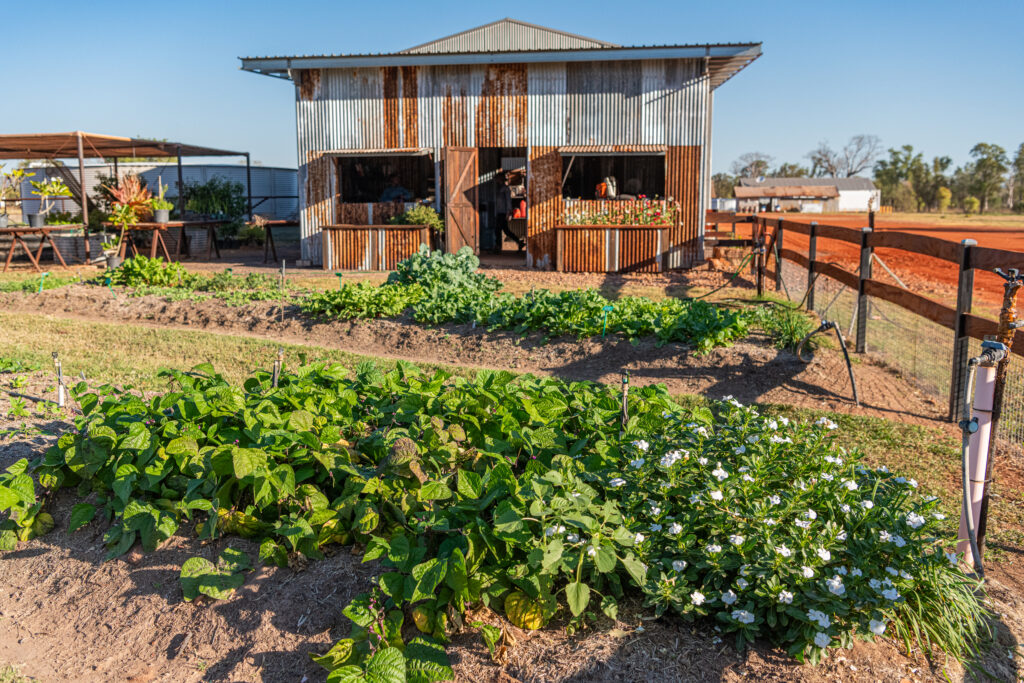
A highlight of Bullo River is the cuisine, which is remarkably varied considering how remote the property is. During our visit, brilliant New Zealand chef Travis Martin, the latest in a roster of visiting chefs, conjured up some of the best Aussie cuisine I’ve ever had, with each dish laced with Bullo River’s own beef and produce from its expansive gardens and paired with Voyager Estate wines.
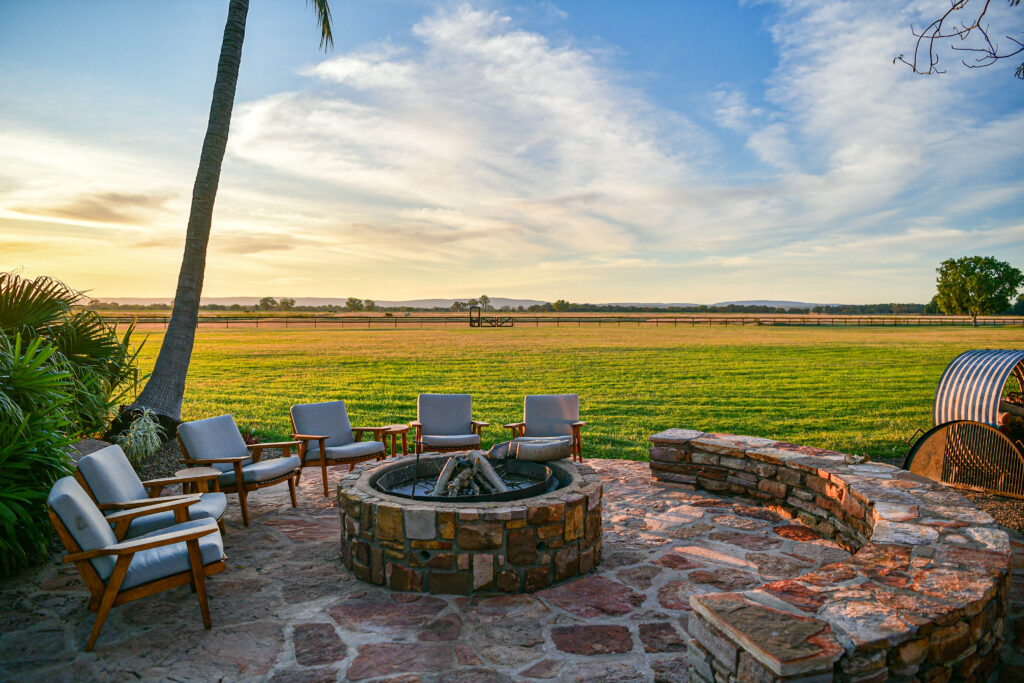
After sunset, cocktails are served around the fire pit (be sure to try some of the region’s boutique gins), guests dine at a communal table, with a weekly destination dining experience taking place beneath a towering baobab tree.
However, expect fabulous morning and afternoon teas and lunches served out in the wilds of the station, including at a pair of modern shelters constructed at the highest point of the property, and, my personal favourite, a bush barbeque followed by a dip in a serene freshwater pool called Marlee’s Bath.
✈️ Jetsetter Tip: Looking for a slower, more relaxed trip across the Australian Outback? The Ghan (originally known as the Afghan Express) is a nearly 3,000km route across Australia’s Red Centre, which you can read more about in our guide to the best luxury trains in the world.
Activities and Tailored Outback Adventures
While the Homestead is a comfortable retreat after a long day, there’s no denying that guests venture to this remote station in search of activities, and there’s plenty on offer for every kind of traveller.
Take to the sky on helicopter safaris that soar over the sun-burnt landscape, search for ancient rock art, and take a river cruise on the Bullo with a chance to spy saltwater crocodiles and to catch one of the resident barramundis (although the station maintains a strict catch and release policy).
There’s also guided stargazing sessions, 4×4 tours in search of dingos, buffalo and wallabies, and authentic cattlemen experiences with the station’s “ringers” or novice ranchers.
One of my favourite experiences was a wildlife walk to a billabong that’s been painstakingly restored by the AWC and is now home to White-bellied sea eagles, Magpie geese, herons and egrets.
The Wild Beauty Around Bullo River Station
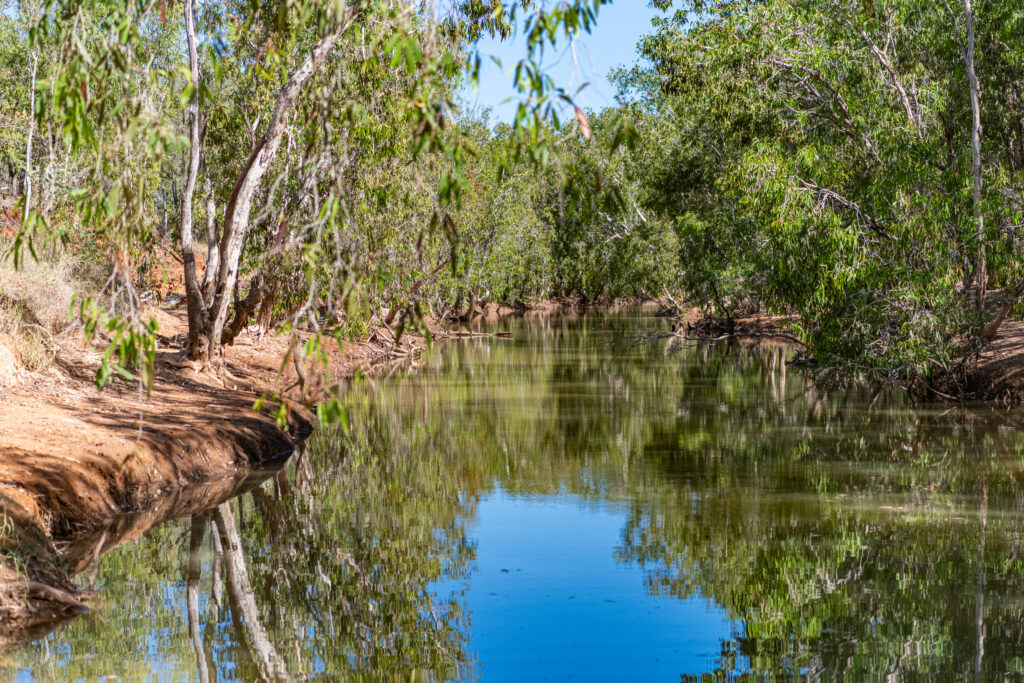
Its most coveted drawcard, Bullo River Station’s stunning, untamed natural landscape, makes it a must for nature lovers and travellers seeking an authentic Aussie Outback adventure, complete with grinning crocodiles, tumbling rivers, vibrant bird life and the spirit of the cattlemen.
The Unique Landscapes of Bullo River
While guests can dictate just how adventurous their stay at Bullo River is, most will welcome the daily activities, which are designed to bring this unique landscape to life.
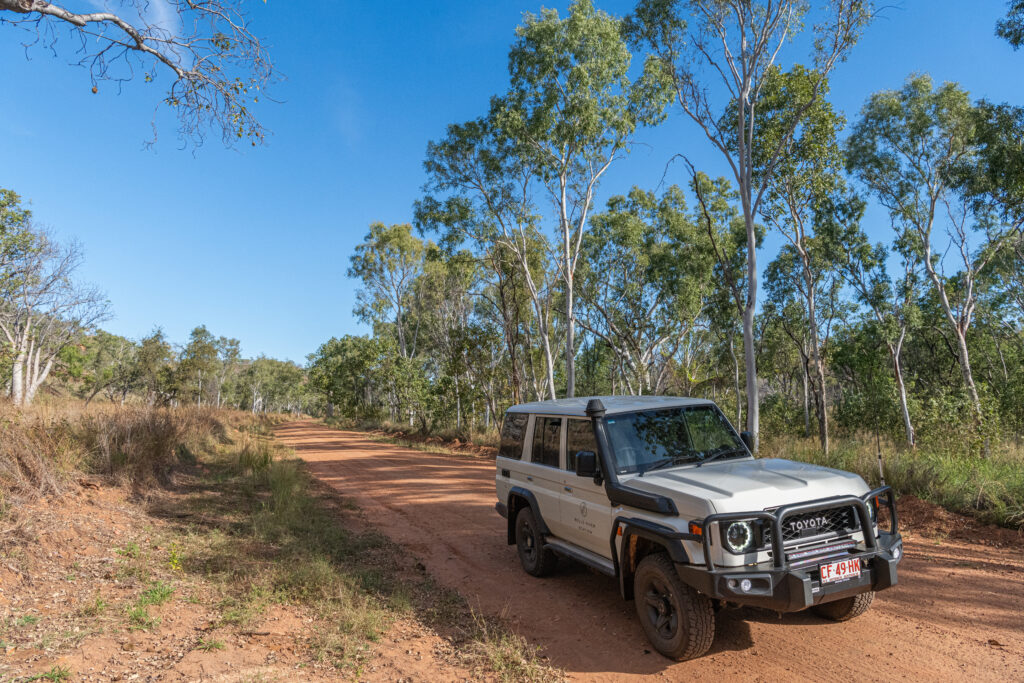
Each morning and afternoon, you’ll venture out in one of the station’s trusty Land Cruisers, in the company of a station ranger, to navigate the expansive property in search of mobs of bounding wallabies, brooding buffalo, swooping birds of prey, and often-elusive crocodiles. The rangers are a wealth of knowledge on the station’s resident wildlife, offering a fascinating insight into the various ecosystems that exist within Bullo River’s borders.
The sheer size of the station is apparent when you take to the air aboard a modern R44 helicopter, with flights soaring over waterfalls, ancient canyons, and tranquil billabongs. Helicopters offer access to the most remote corners of the station so that guests can take a dip in hidden pools, visit Aboriginal rock art, and picnic atop towering escarpments, where few have ever ventured.
Eco-Conscious Tourism: Preserving the Outback
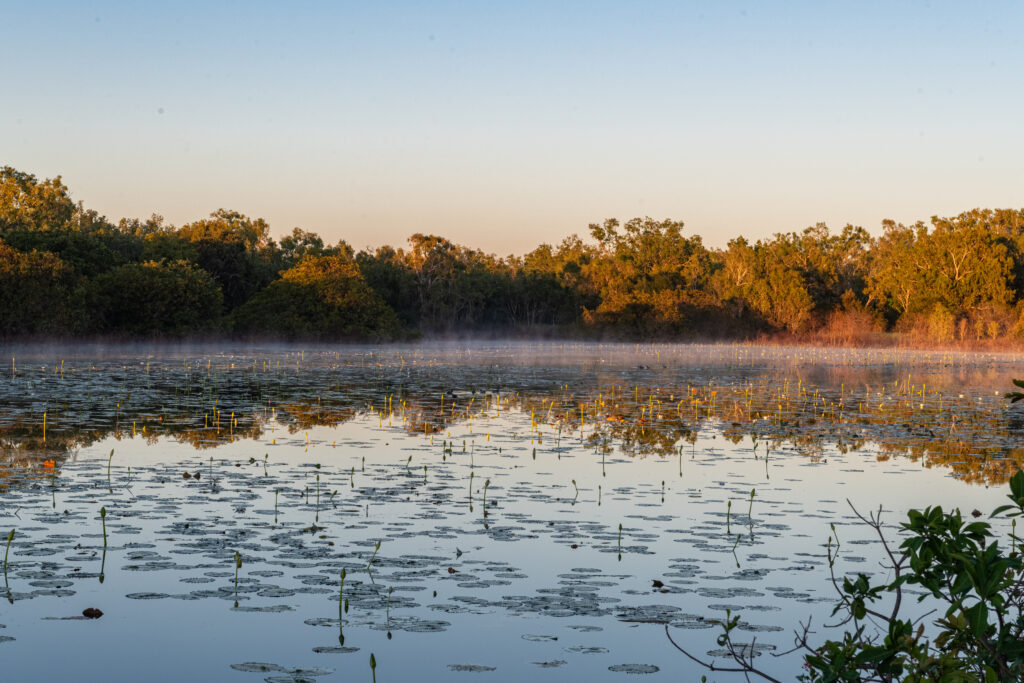
Bullo River Station’s story will always start and end with the land and its preservation. With a strong focus on slowly replacing conventional cattle rearing with sustainable eco-tourism (as we’ve seen at former cattle stations like El Questro Homestead), during 4×4 tours of the station’s gum tree forests, rocky ridgelines, and dried river beds, the Burt’s compelling conservation plan takes shape.
The rangers will point out ingenious AI-powered sensors that detect and dispatch feral cats with poisoned pellets, identify areas that were previously grazed upon and which have now been nurtured back to their original state, point out endemic species and explain the roles they play in the ecosystem, and explain the traditions of the land’s Traditional Owners, many of which are maintained today.
In addition, regular site visits by AWC researchers and volunteers encourage the opportunity for citizen science as guests join efforts to count indigenous species populations, analyse ecosystems, and identify the impact of feral species.
Travel Tips to Prepare For Your Trip to Bullo River Station
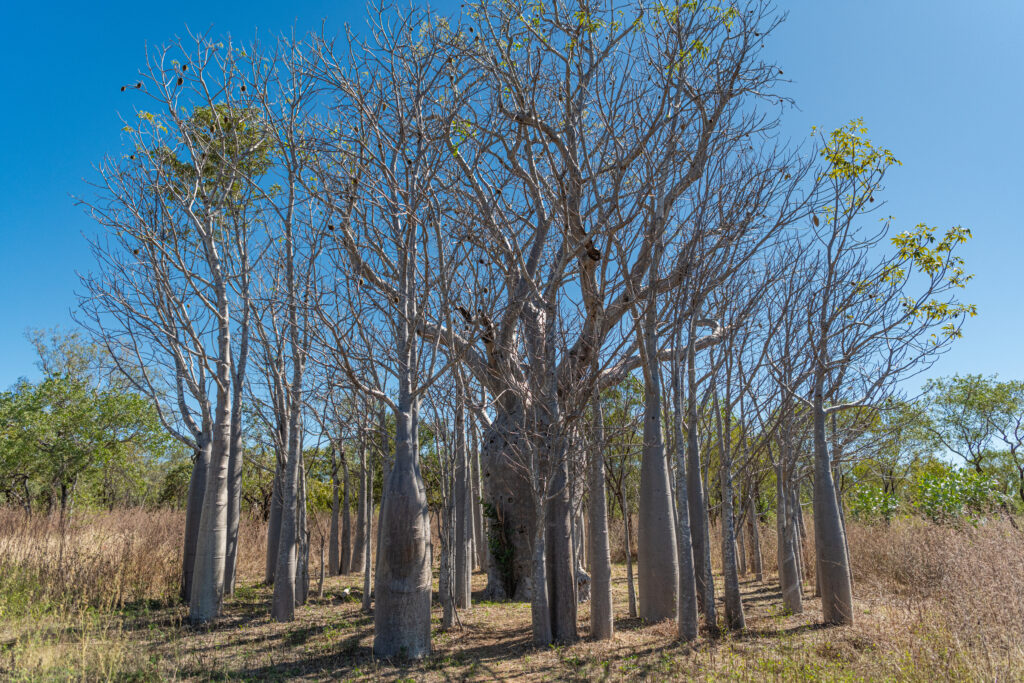
When you’re travelling to such a remote and untamed destination, it’s important to pack smart (and light) and to have all your essentials with you.
Here’s what you need to tick off your packing list.
Best Time to Visit Bullo River Station
Like all properties across Australia’s Top End, Bullo River Station is seasonal. During the wet season, the property is completely cut off from the rest of the world, with only fixed-wing access and a skeleton crew maintaining the ranch during the annual floods.
The station is open to tourists from April until September each year, coinciding with the dry season in the East Kimberley, with the months of June to August considered the optimal time to visit as the rivers and waterfalls are still full and the annual controlled burnings have not yet commenced.
During the dry season, expect warm days (low 30s Celsius) and plenty of sunshine, and chilly mornings.
Getting There and What to Pack
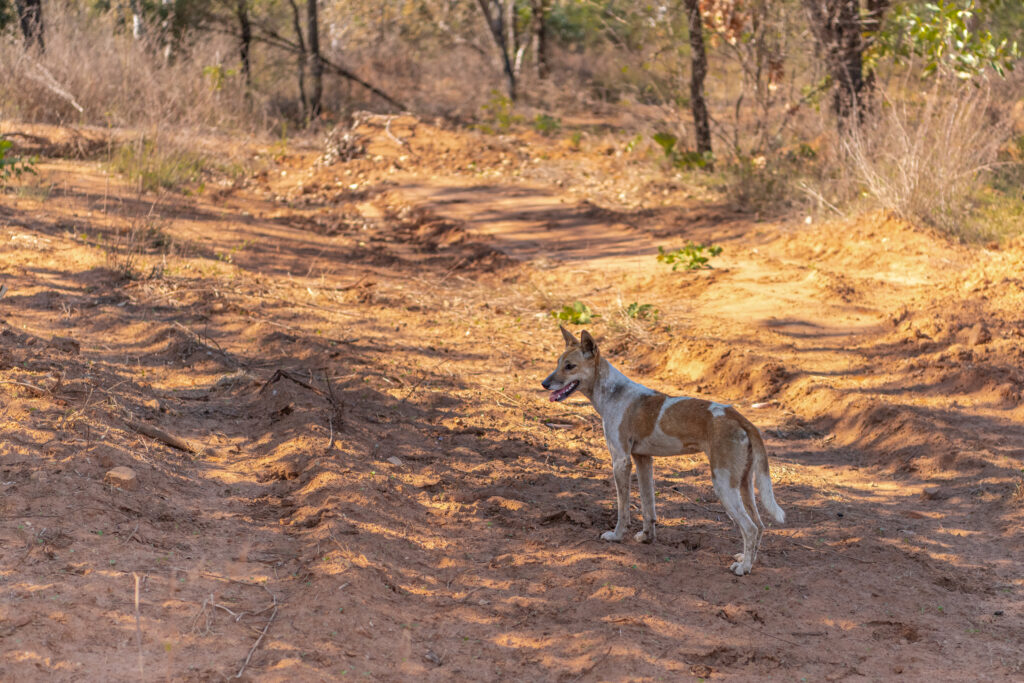
To reach Bullo River Station, you’ll need to fly to Darwin, Brisbane or Perth, before taking a domestic flight on to Kununurra.
From here, the station is a short flight by fixed-wing aircraft, or a three-and-a-half-hour drive.
Being so remote, it’s important that you pack carefully – the closest market is over three hours’ drive away!
Much like a safari, it’s important to pack for the elements, so ensure you take lightweight clothing that covers the skin and protects it from the Outback sun. A hat and sunglasses help too. A jacket or jumper is handy in the mornings, when the temperature can drop below 10 degrees Celsius. Dinners are casual affairs, but you are in the Outback, so dress to protect yourself from mosquitoes.
You’ll also need to be disciplined when it comes to luggage style and weight if you want to take the helicopter; opt for soft-sided duffle bags and keep weight to a minimum (the station offers a complimentary laundry service, so keep that in mind when packing). A small day bag is a handy thing to have on your daily outings.
It’s important to note that all powerpoints at the station are standard Type 1 230V outlets, so don’t forget to bring an international adapter (or two) as well as spare batteries for cameras and all the cables you’ll need to charge phones, tablets and laptops.
Bullo River Station provides great water bottles that you can take home with you so you won’t need to bring one with you.
Finally, don’t forget to pack any medication you won’t be able to pop out and buy anything you’re missing once you’ve left Kununurra.
Exploring More Luxury Outback Stations
While Bullo River Station is a truly unique setting, many travellers making the long journey down to Australia’s Top End will combine a visit to the station with visits to other Top End stations and lodges, each of which offers an entirely different experience.
One of the best options includes El Questro Homestead, located a 90-minute drive from Kununurra across the border in Western Australia and the closest alternative to Bullo River Station (read more about our adventures at spectacular El Questro in our Australian outback itinerary).
Another great alternative (and one of my favourites) is the Northern Territory’s Bamurru Plains, a safari-style camp on the Mary River floodplain, Australia’s answer to the Okavango Delta, where you can race across the water on airboats and spy wild Brumby horses, crocodiles and water buffalo.
Set on almost 7,000 hectares of rural bliss in New South Wales, Corynnia Station is an authentic Outback retreat and working Merino sheep farm that accommodates guests in rustic era-sensitive suites, while Queensland’s Gilberton Outback Retreat offers an all-inclusive experience that combines nature and authentic hospitality with the gold mining legacy of Mount Veteran.
Also in Queensland, Mount Mulligan Lodge is a luxurious and intimate property that offers access to the stunning landscapes of Ngarrabullgan, also known as Mount Mulligan, 160km north-west of Cairns; while in Western Australia, on the cusp of Ningaloo Reef, a popular habitat for whale sharks, Sal Salis offers 15 luxurious tents set up right on the beach.
Finally, Longitude131˚, probably Australia’s most iconic house of slumber, is a breathtaking retreat located near Uluru, in Australia’s Red Centre, that’s famed for its otherworldly landscapes and cultural immersion.