
Is there any place quite like Australia? From its sunburnt interior to its captivating coastline, the Land Down Under offers travellers a fantastic array of landscapes and experiences, and nestled within many are an equally varied range of luxury accommodations, ranging from working cattle stations and beachfront camps to idyllic island resorts and rural estates.
The best luxury accommodations in Australia, some well-established, others new to the scene, capture a sense of place, from the myths and customs of the Traditional Owners to the contemporary dining scene that makes Australia such a captivating destination.
While by no means exhaustive, we take a deep dive into some of the best luxury camps, resorts and hotels in Australia, each a fundamental component of the fabric of their destination and each offering unforgettable memories for couples, adventure travellers, foodies, and families.
Longitude 131° – Best For Soft Luxury in the Red Centre
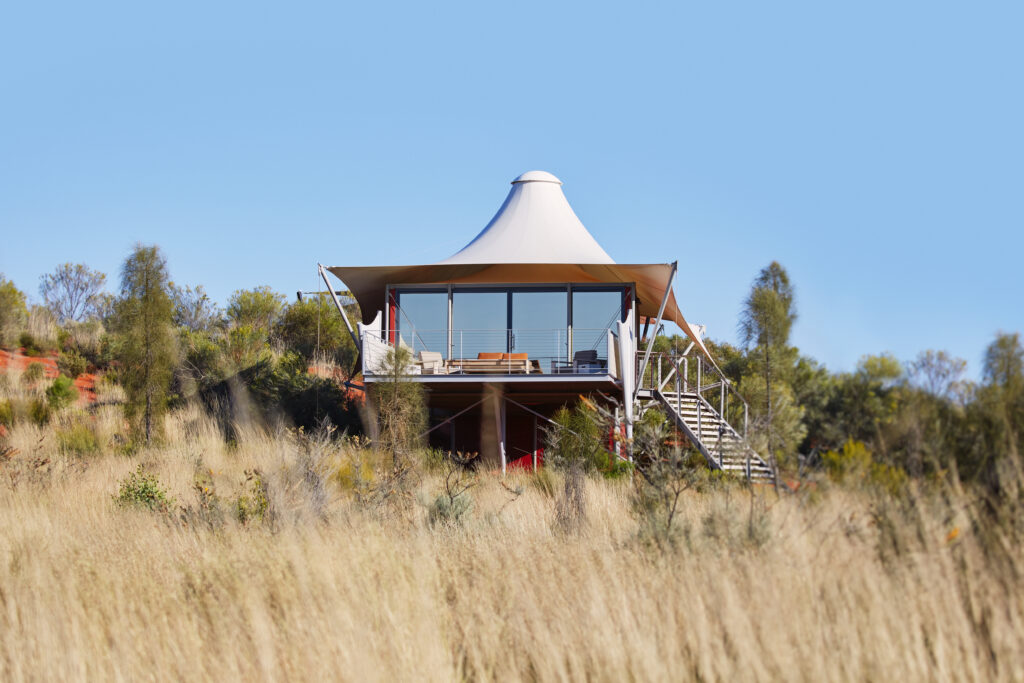
Located near Australian icon Uluru, in the heart of Australia’s remarkable Red Centre, Longitude 131° has long been the poster boy for luxury outback accommodation and adventures. Only a 15-minute drive from Ayers Rock Airport, Longitude (named for its exact map coordinates) offers an easy foray into the Red Centre, coupling modern comforts with a spectacular desert setting and UNESCO-listed attractions.
This classic outback escape consists of 15 opulent and contemporary tented suites dotted throughout the red-rust landscape (find time to reflect on your place in the cosmos from one of the suite’s chic leather Amelia tub chairs), as well as the coveted Dune Pavilion, the only accommodation in the country to offer views of both World Heritage-listed Uluru and Kata Tjuta and the only suite with its own private fire pit and plunge pool.
When you’re ready to get out of bed (and we wouldn’t blame you if you lingered a little longer), there’s plenty to keep you busy, including an Uluru sunset complete with private pop-up bar; a chance to explore artist Bruce Munro’s mesmerising Field of Light installation,
50,000 bud-like stems that bloom with light each evening, and hike through the Walpa Gorge, Kantju Gorge, Valley of the Winds, or around the Kata Tjuta. The camp also works closely with local communities and artists and boasts an artist-in-residence programme that lets guests delve into Aboriginal art like nowhere else.
You’ll also be able to tap into Australia’s world-famous dining scene at the Dune House, which, dressed in Tasmanian Blackwood with Pierre and Charlotte Julien dining tables crafted from American Oak and Armadillo floor rugs, houses the lodge’s restaurant and an outdoor terrace offering panoramic views of Uluru (art lovers should look out for Kalaya Ngura – Emu Country, a bespoke piece by Anangu artist Carlene Thompson from the Ernabella Arts Community that portrays the artist’s ancestral lands near Kanpi in the Western APY Lands).
Private dining experiences under a canopy of stars are the best way to delve into the Australian foodscape, which ranges from Cape Grim in Tasmania to barramundi from Humpty Doo.
Be sure to leave time for a visit to the Spa Kinara, which was designed to mimic a traditional Aboriginal shelter, or wiltja, and which offers both modern wellness treatments and traditional holistic journeys incorporating Aboriginal massage techniques and powerful bush medicines like scented emu bush (known as irmangka-irmangka by the Traditional Owners) used by Aboriginal ngangkari or healers.
The best times to visit are between April and September, when the temperatures that blast Australia’s centre subside – I’d suggest you time your stay to coincide with the fabulous Uluru Camel Cup (held in May) for a true insight into the outback lifestyle. Prices begin around US$3,700 for a luxury tent (dining packages and signature experiences included).
Lizard Island – Best For Tropical Bliss

One of Australia’s best-kept secrets (it’s also the country’s farthest flung island resort), the Great Barrier Reef’s Lizard Island, situated 240 km north of Cairns and 28 km off the Queensland coast, remains one of Down Under’s top island hideaways.
Measuring in at 1,000 hectares and wreathed by some of the best coral on the Great Barrier, Lizard Island, an hour’s flight from Cairns, boasts 24 powder white sand beaches and only 40 luxury rooms and suites. Interiors by Melbourne designer Hecker Guthrie draw the ocean into the Beachfront Suites, and the luxurious Oceanview Villas, which feature spacious sun-kissed verandas, Bose sound systems and spacious bathrooms.
However, guests looking to splurge can opt for the three-level, three-bedroom House, which boasts broad balconies, outdoor baths, a private swimming pool, an adjoining yoga deck, and expansive views from the rooftop.
A member of Relais & Châteaux, Lizard’s elegant Driftwood Bar and Salt Water Restaurant, with its daily changing menu of innovative seafood dishes (think flame tail snapper sashimi and Mooloolaba scallops), maintains the tropical bliss theme and provides a central hub of activity for this luxurious hideaway.
If you can drag yourself from your sun deck, be sure to hit some of the island’s spectacular dive sites (the resort often hosts citizen scientist reef surveys), including the 100-year old giant clam garden and world-famous Cod Hole, explore verdant mangrove forests in search of monitor lizards (and who were first discovered by captain James Cook when he visited in 1770) or try your hand at deep sea fishing – black marlin is in season from September – December.
Leave time for a tipple; the resort has teamed up with Wolf Lane Distillery, Cairns’ very first gin distillery, for a unique spirit experience.
Best visited between April and September, Lizard Island stays start from US$1570 per night (twin share), with prices inclusive of meals, most beverages, minibar, Wi-Fi and many activities.
Saffire Freycinet – The Best of Wild Tasmania
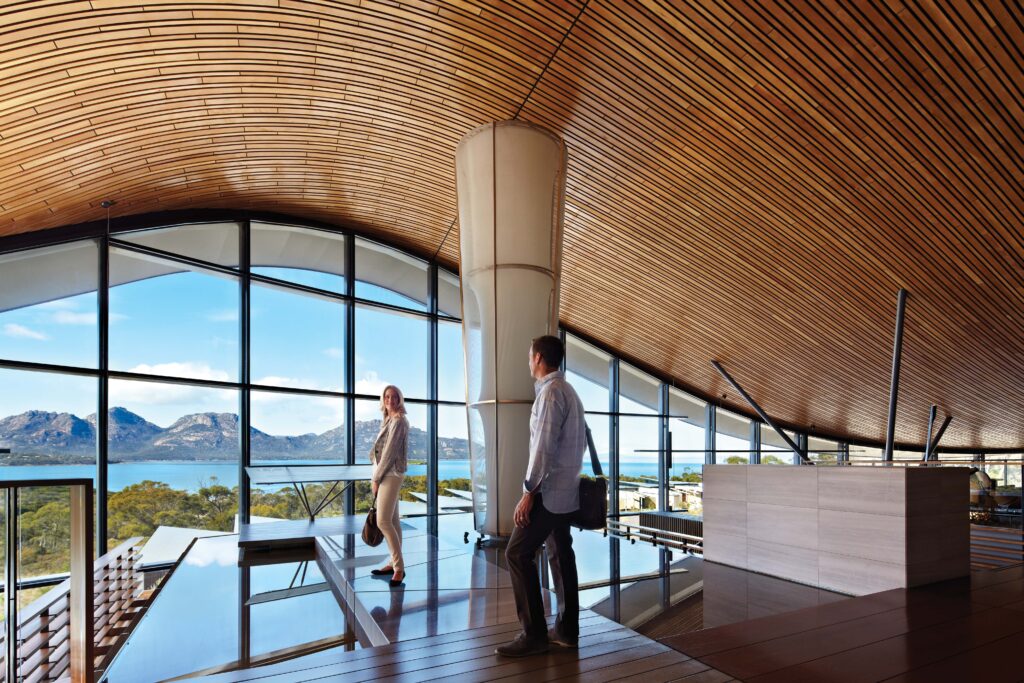
A jewel on Tasmania’s rugged east coast (one of my favourite spots in Australia), this modern luxury lodge, which marks its 15th anniversary this year, overlooks the Hazards Mountains and pristine waters of Great Oyster Bay, showcasing some of Tasmania’s most beautiful landscapes.
A 2.5-hour drive from Hobart, this remarkable lodge fuses contemporary hospitality with striking design (from the air, the main lodge building looks like a great manta ray) and the wild landscapes of eastern Tasmania.
Award-winning Saffire Freycinet, conceived by Circa Morris-Nunn Architects, boasts just 20 luxury contemporary suites, each of which boasts stunning views through floor-to-ceiling windows, 1,000-thread count linens, customised mini bars, flatscreen TVs and furniture by Charles & Ray Eames and Herman Miller.
In 2026, the lodge will open the Saffire Villa, an ultra-premium hideaway situated above the main lodge and designed for families and small groups looking for additional privacy.
Guests can enjoy the best of local produce, including Tasmanian salmon, rock lobster and King Island cheese, in the Palate restaurant, indulge in exclusive spa treatments created by celebrity facialist Marionne De Candia, delve into the untouched wilderness that wreaths the lodge, or while away the afternoon in the bath tub, complete with views to postcard perfect Wineglass Bay.
A range of signature experiences is included in the lodge’s tariff, including visits to a Freycinet oyster farm (where you’ll harvest your molluscs straight from the sea), guided walks around Great Oyster Bay (a popular spot with migrating whales and dolphins) and through Freycinet National Park, and trips to local wineries.
You can also visit Tasmanian devils in their sanctuary, bird watch and kayak through Pelican Bay, try your hand at fly fishing at one of Tasmania’s great wilderness properties, Currawong Lakes, learn the art of beekeeping, sit in with First Nations guides to learn about the ancient rhythms of the land, and even attend cooking classes with the lodge’s culinary team (85% of the ingredients used at the lodge are sourced locally).
The property also offers complimentary tours to Craigie Knowe Vineyard, the east coast’s oldest vineyards, and to Waubs Harbour Distillery, a former oyster hatchery turned single malt producer set on the edge of the ocean at Bicheno.
Saffire is a year-round destination, so the best time to visit really depends on what you’re looking to do. The peak season is December to April, when the weather is warm and the days are longer. However, the Autumn months of March to May offer milder temperatures and the best whale viewing, and winter (June-August) is ideal for couples looking to escape from the world and snuggle up by the fire.
The lodge is priced from approximately US$1,300 per night, twin share, which includes meals in the Palate Restaurant or The Lounge, complimentary minibar, and most activities.
Bamurru Plains – Best For Wildlife Viewing
Located a three-hour drive (or 40-minute flight) outside Darwin on a 30,000-hectare Northern Territory working cattle station, Bamurru Plains remains one of my favourite outback retreats (ahh, you never forget your first).
A unique alternative to the classic African safari lodge (those who have visited the Okavango Delta will feel right at home), this remote yet luxurious outpost has proven a popular spot for experiential travellers looking to get close to some of the country’s famous, and often ferocious creatures, including water buffalo, wild brumby horses, magpie geese (one of 240 resident and migratory bird species) and of course, saltwater crocodiles.
This sublime luxury wildlife lodge, which offers a Crocodile Dundee meets the Four Seasons travel experience, is located on the cusp of the Mary River, one of the region’s largest flood plains, which it has exclusive access to, and is best encountered aboard the lodge’s fleet of air boats, which skim across the flooded landscape, allowing an up-close and personal Aussie experience.
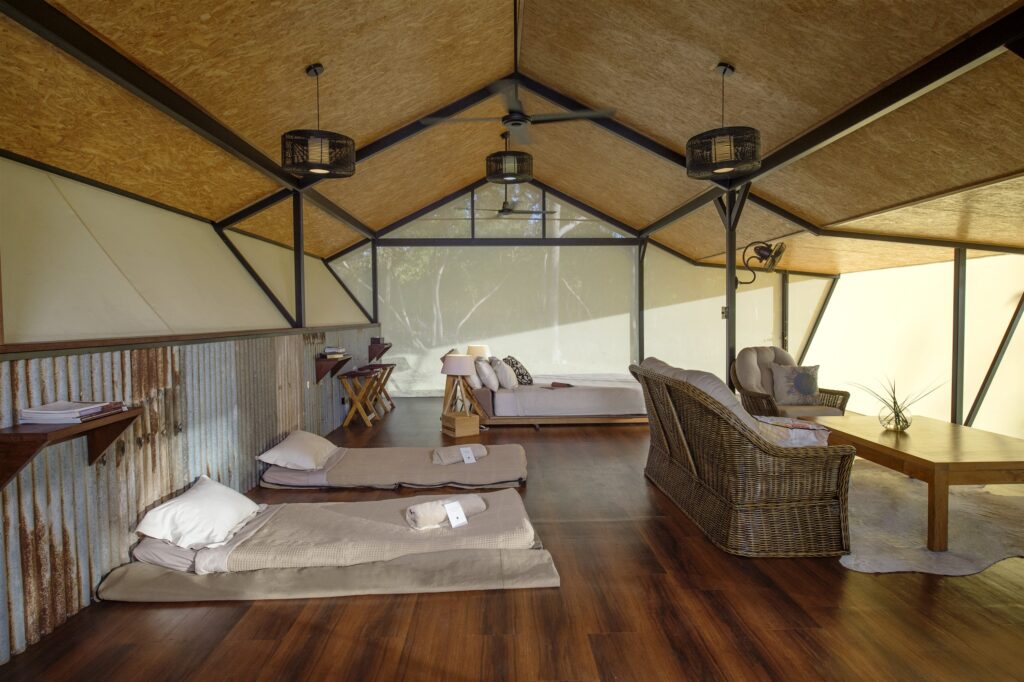
Accommodation is in one of just 10 chic stilted safari bungalows with air conditioning, elegant bathrooms, and innovative fabric-wrapped ‘viewing galleries’ (if you’re travelling with the family, I’d suggest the luxurious Jabiru Retreat, two private safari bungalows linked via a walkway to a central private plunge pool and deck area) while the chef serves contemporary takes on local ‘bush tucker’.
There are plenty of activities on offer, from those airboat adventures to guided 4×4 drives and walks to observe water buffalo, wallabies, and reptiles and to learn about medicinal plants, birdwatching (especially during migration season), and fishing on the Sampan River.
For when you’re done gallivanting across the floodplains on your twice-daily excursions, you can take a dip in the camp’s infinity-edge pool, read up on the local wildlife in the library, or commune around the firepit to share stories of your exploits.
While the best time to visit Bamurru Plains (which welcomes guests from six years of age) is July to August, the camp is open from March until October, pausing for the tumultuous wet season. A stay will cost you from US$1600 per night, and this includes all meals, including premium wines and spirits, and guided activities.
Arkaba – Best For A Historic Roam in the Flinders Ranges
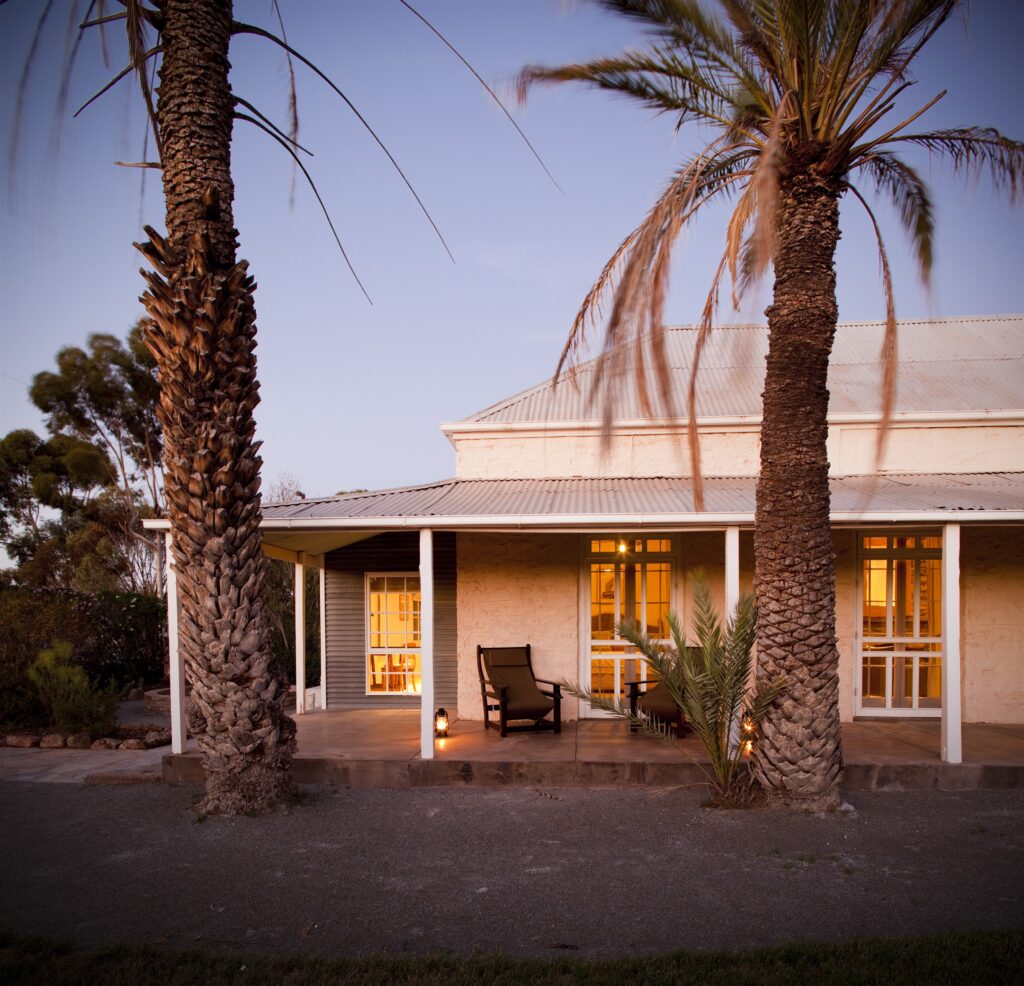
Nestled on a 25,000-hectare property set among the peaks and undulating hills of the Flinders Ranges of South Australia, home to some of Australia’s most spectacular outback scenery, intimate and historic Arkaba Homestead dates from 1851.
This former sheep station turned conservation and eco-tourism icon is perched on the edge of the Ikara-Flinders Ranges National Park, a five-hour drive north from Adelaide (or a 65-minute charter flight), with the mesmerising natural amphitheater of Wilpena Pound forming the property’s northern boundary.
Homely yet refined, Arkaba offers travellers access to the quintessential Aussie outback experience: landscapes defined by craggy sandstone bluffs and dry creek beds lined with River Red gum trees, endless open spaces accessible by a stable of horses, classic home cooking and a cast of characters there to host, entertain and teach.
Just 10 guests, most accommodated in the four-room fully-restored homestead (although I’d book ahead for the Coachman’s Cottage, which is separated from the main house and comes complete with 500-thread count linen, air conditioning and a spacious ensuite), share this remote private wildlife conservancy, which is dedicated to the conservation of Australia’s unique wildlife and birds, including native marsupial the Western Quoll (Idnya in the local Adnyamathanha language), and the Brushtail possum, which was once thought to have gone extinct.
At Arkaba (the name means “place of abundance”) you’ll wake to views across the Elder Range and the sing-song of flocks of galahs, before spending a day exploring the outback by guided 4×4, horseback, or mountain bike forays, spying red and western grey kangaroos, near-threatened yellow-footed rock wallabies, emus and some of the property’s 300 bird species along the way.
Conservation is a central theme at the Arkaba Conservancy, with the property lovingly restored from its unsustainable ranching past life to that of a protected oasis that is supporting endemic biodiversity renewal and, through its Operation Bounceback, the eradication of non-endemic species, including feral cats.
Finish the evening with storytelling over a gourmet meal by head chef Calvin Von Niebel, laced with local and native ingredients (the station has an enviable collection of South Australian wines), a swim in the infinity edge pool, or a digestif in the library.
Active types can even tackle the Arkaba Walk, an all-inclusive 45km four-day hike (the season begins in March) through the stunning outback landscape.
A stay at Arkaba, which operated mid-March to mid-October, starts at US$1,300 per night, twin share (or US$2,900 for the Arkaba Walk experience), and includes meals, selected drinks, accommodation and double-daily activities.
Sal Salis – Best For Coastal Seclusion
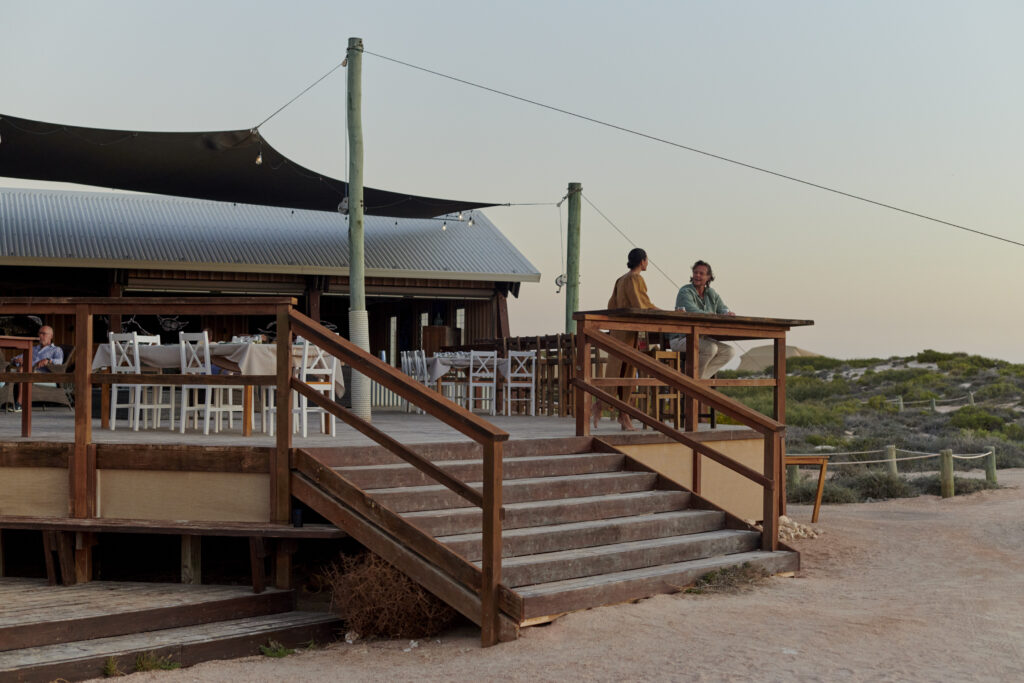
As blissfully remote as you could want, Sal Salis is a truly unique take on the Australian wilderness experience. Located on a deserted beach in Western Australia, this chic tented beach camp is hidden away in the white sand dunes of the UNESCO-listed Cape Range National Park and just steps from fellow UNESCO site Ningaloo Reef, one of Australia’s most vibrant coral reef ecosystems.
Your home away from home, an hour’s drive from Exmouth, will take the form of one of 16 glamtastic off-grid luxury safari tents (I’d suggest couples go for the Honeymoon Tent, which is positioned a little ways away from the others and is quite possibly Australia’s most romantic accommodation), each of which is camouflaged by coastal sand dunes and boasts 500-count cotton linen, an ensuite bathroom with solar-powered showers, private decks with hammocks, stunning sea views and even a pillow menu (because there’s no need to neglect the creature comforts).
You and your fellow guests will share this sublime beach locale with plenty of fascinating residents, including curious red kangaroos and Butcherbirds, while the surrounding seas are a haven for a stupendous array of marine life.
The camp’s tented suites (which are dismantled at the end of each season, leaving the beach pristine) are nested around a main camp building, which plays the role of communal dining room, cocktail bar (you can’t pass up the chance to sip cocktails made with locally-produced West Winds Gin, which incorporates indigenous ingredients like native bush tomatoes, Davidson plums, and lemon myrtle), library and assembly space and is where guests come together after excursions for stunning sundowners followed by stellar Australian cuisine with a hint of bush tucker influence at the alfresco communal table.
While you may love the rustic-chic beachfront camp, you’re here to swim with whales and whale sharks, as Ningaloo is acclaimed as one of the most reliable places in the world to do both.
Sal Salis’s sustainable and award-winning activities include humpbacks of up to 16 metres in length between June and November, when an estimated 30,000 whales migrate along the Ningaloo Coast on their way to breed in the Kimberley, and swimming with whale sharks (for which there is an additional cost), which arrive between mid-March and August annually. You can also go snorkelling (Ningaloo is also a breeding ground for loggerhead, green and Hawksbill turtles), kayaking and paddleboarding to your heart’s content.
Of course, there’s also plenty to do back on terra firma, including exploring the rugged landscapes of the Cape Range National Park, home to deep gorges, fossil-bearing limestone formations, and bird species found nowhere else, and stargazing up at the Milky Way, something that’s easy to do thanks to the camp’s artificial light restrictions.
Designed for travellers from 10 and up, Sal Salis is open from mid-March to mid-November with nightly rates starting from US$1,500 per night, twin share, inclusive of meals, alcoholic beverages, and selected activities, with 5% of the camp’s revenue going to support conservation efforts in the Cape Range National Park.
El Questro Homestead – Best For Outback Glam
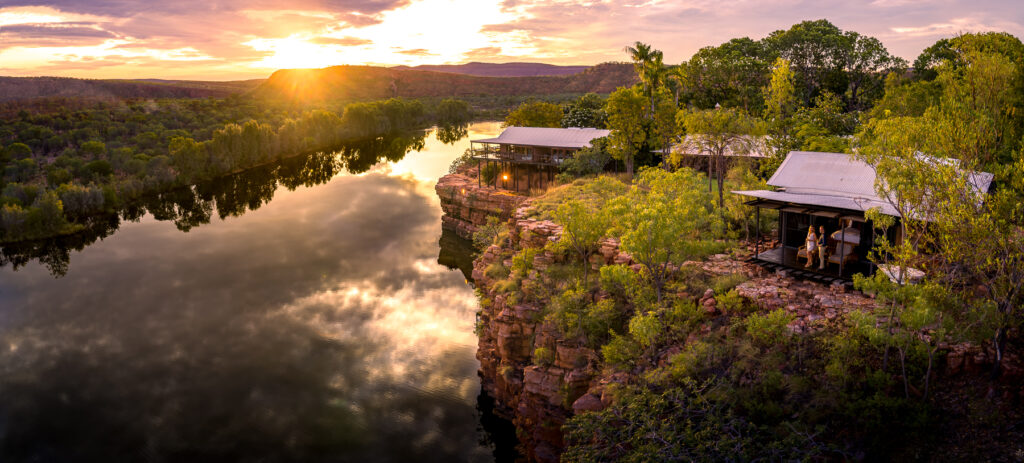
A seasonal retreat nestled within the Kimberley’s vast and ancient landscape and hidden among burnt-orange cliffs and lush, green lawns, Western Australia’s El Questro Homestead, a member of Luxury Lodges of Australia, boasts just 10 suites wreathed by frangipani trees and the still, tranquil Chamberlain River. Located an hour’s drive from the airport at Kununurra (although many guests choose to fly in directly to the station), El Questro marries a rich stockman’s heritage with the culture and timelessness of the Australian outback.
While the accommodation here is as luxurious as anything you’ll find in the eastern Kimberley – think contemporary decor, glass-encased bathrooms with spectacular views from the bathtub, complimentary minibars, local art and deep-set terraces over the water – stays at the Homestead are punctuated by complimentary excursions that bring the history and unique wildlife of the 283,000-hectare property (approximately 165,000 of which were recently returned to Traditional Owners nearly 120 years after El Questro was established as a cattle station) to life.
The sprawling former cattle ranch (which is more than twice the size of Greater London) is an awe-inspiring place of rugged ranges, towering gorges, and crystal clear waters and fascinating excursions include guided hikes up Emma and Amelia gorges, exclusive dips in the mesmerising Zebedee Thermal Springs, bird watching tours, four-wheel-drive adventures, nature and history tours, sunset cocktails atop spectacular lookout points, and cruises on the Chamberlain River in search of shy rock wallabies and elusive saltwater crocodiles.
The Homestead also offers an insightful welcome to the country, conducted by members of the Ngarinyin people, El Questro’s Traditional Owners, which gives insight into Aboriginal culture, tradition and beliefs.
There are also a host of optional adventures that explore the Kimberley, from scenic flights and hikes through the iconic Bungle Bungles to helicopter safaris that end with drinks atop the towering Mitchell Falls or to Miri Miri, a spring-fed waterfall cascading over a 50m drop.
Each day, you’ll return to the Homestead for lunches and dinners served at alfresco communal tables, although I’d suggest booking ahead for one of the coveted private dinner experiences, with the best produce of the Ord River Valley served under a canopy of stars.
The best time to visit El Questro Homestead is April and May, at the end of the wet season, when the waterfalls are flowing and the weather turns dry with clear skies and manageable temperatures. Rates start from US$2,000 per night, twin share, inclusive of meals, alcoholic beverages, and selected activities.
The Lake House – Best For Culinary Adventures
Now for something a little different. Situated on the shores of picturesque Lake Daylesford in the heart of Victoria’s spa country (it’s home to the largest concentration of natural mineral springs in Australia and the most holistic therapists), the Lake House is a village-like cluster of cream buildings nestled among 2.4 verdant hectares of manicured country gardens. Beyond, you’ll discover spring-fed creeks, waterfalls, and native bushland a’plenty.
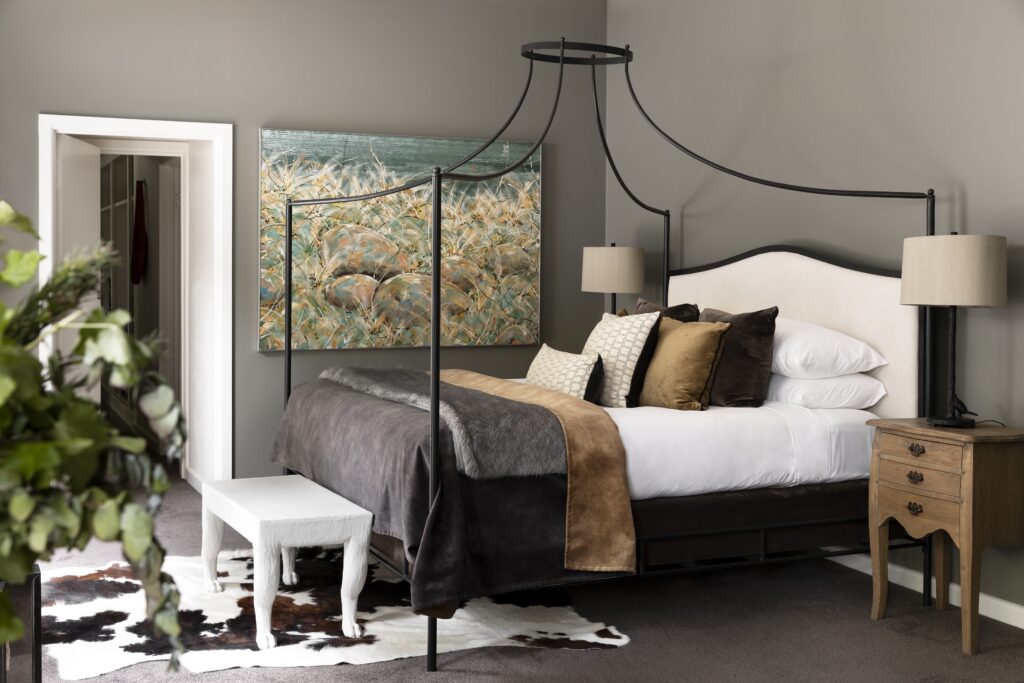
A foodie and wellness destination created by founder Alla Wolf-Tasker AM, the Lake House, a founding member of Luxury Lodges of Australia, boasts 33 sublime residential-styled suites and studios (you’ll love the Atrium Villa with its home-away-from-home vibe), dressed in custom furnishings, original art and sublime linens and featuring locally sourced minibar items, Nespresso machines, complimentary Wi-Fi, in-room movies, and Bluetooth music systems.
However, the family-run property, a 90 minute drive from Melbourne, is best known for its acclaimed restaurant, which holds two Chef Hats from the national Good Food Guide and which pairs modern, seasonal food, laced with ingredients from the property’s own Dairy Flat Farm, with the best drops from Australia’s wine belts (the cellar boasts 13,000 bottles). Be sure to book ahead for an unforgettable private dining experience in the cellar.
Guests can also opt to stay closer to the source at Dairy Flat Farm & Lodge, which accommodates 12 guests across six private King Suites surrounded by almost 20 hectares of regenerative farmland, olive groves, orchards, vineyards and beehives.
While you immerse yourself in bucolic bliss, you’ll be able to enjoy an intimate tea service in the tennis pavilion (or a round on the full-sized tennis court), evening libations in the Argyle Library Bar, farm tours at Dairy Flat, cooking classes led by executive chef (and Australian culinary icon) Alla Wolf-Tasker AM in the state-of-the-art demonstration kitchen, and spa treatments that harness the healing powers of the property’s herbs and flowers, which are infused into small batch scrubs, balms and oils.
The region also holds many attractions, from great golfing and horse riding, to beekeeping and sourdough baking classes, tai chi sessions and hot air ballooning.
Stays start from US$590, but expect to pay more for dinner in the coveted restaurant. The property is open year-round.
Arajilla Retreat – Best For Island Escapes
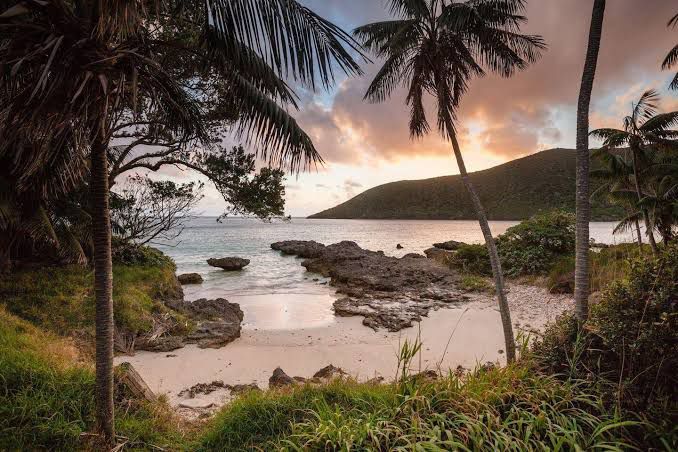
Nestled on remote Lord Howe, a carefully-controlled UNESCO-listed isle 600km northeast of Sydney, Arajilla Retreat is a luxury lodge like no other.
You could be forgiven for having never heard of Lord Howe Island, but that’s part of its charm. Measuring just 11 km long, this remote, idyllic island, which became a UNESCO-listed site in 1982, is rustic bliss at its very best.
Under siege by towering peaks, calm turquoise lagoons and some of the southernmost coral reefs in the world, Arajilla’s 12 one and two-bedroom suites (we love the two-bedroom Blue Peter Beach House) are hidden under a dense canopy of Giant Banyan trees and Kentia Palms.
The number of visitors to this tiny island is strictly limited (and there are only 350 residents), so you can spend days cycling down deserted bush tracks, feeding the ultra-friendly fish at Ned’s Beach, or climbing Mount Lidgbird, between gourmet meals served in Arajilla’s main restaurant.
The lodge, which lives up to its Aboriginal name, which means “a mystical place to rest”, is especially popular with honeymooners, artists and bird watchers, with daily tariffs inclusive of meals and pre-dinner drinks.
There’s also plenty to keep you occupied, including snorkelling on the world’s most southern coral reef, cycling the quiet paths of the Clear Place loop, hiking through the Valley of Shadows (the chefs excel at creating sumptuous picnic lunches), visiting the island’s little museum, fish feeding at Ned’s Beach, and climbing the 875 m Mount Gower for unforgettable vistas across the island.
Finish your digital detox with a treatment at the lodge’s Ayurvedic day spa, which is housed in a traditional yurt and which offers full-body massages, facials, and yoga classes.
The best time to visit Arajilla is during the southern summer (December to February) when the weather is fine and the temperatures are temperate.
A stay will cost you from US$720 per night, twin share, with a two-night minimum, and includes breakfast (rooms have fully-equipped kitchens for self-catering).
Bullo River Station – Best For Wild Bush Luxury

Hidden away in a beautifully brutal Northern Territory landscape of canyons, rivers and escarpments, Bullo River Station is a fantastic story of a working cattle station turned ground-breaking conservation sanctuary (and one of the best remote luxury stations in the Outback).
The sprawling station, perched between the Victoria and Bullo Rivers (the entirety of the latter running through the property), is a 40-minute flight from Kununurra (or a three-and-a-half-hour drive) and marries the romance of the outback’s stockman essence with contemporary yet homely hospitality.
Despite it still being an active (and off the grid I might add) cattle station, what stands Bullo River apart is that its owners have allocated the lion’s share of the massive station to conservation, partnering up with the Australian Wildlife Conservancy to eradicate feral species while protecting endemic ones, including 200 resident and migratory bird species, wallabies, wedge-tailed eagles, and saltwater crocodiles.
You’ll be able to see the fruits of the partnership’s labours on a series of insightful, guided excursions, including 4×4 drives exploring gorges and river beds (like El Questro and Bamurru Plains, Bullo River Station is seasonal and closes during the wet season), on cruises down the Bullo River, walks to revitalised billabongs, and on outings with the station’s stockmen (and women), who continue a century-old ranching legacy.
You’ll be able to return to the comfort of one of 12 suites, each featuring modern bathrooms and direct access to a large swimming pool and the historic Homestead, which was built from locally-quarried stone, and which, like the accommodations, is currently being given a refresh by MJA Studio and Australian interior designer Sibella Court in preparation for the 2027 season. When the station’s tourism operations recommence, be sure to book the new two-bedroom family suite.
Once you’ve freshened up, you’ll be able to join fellow guests around the fire pit for well-earned cocktails and an alfresco dinner that highlights the best of Bullo River Station beef (although don’t miss the chance to dine with the ‘ringers’ or novice stockmen during a captivating dinner served in the shade of a towering baobab tree.
A great adventure for couples and families with older children (and an indelible highlight for any Australian Outback itinerary), Bullo River Station reopens in May 2027, with stays starting from US$790 per night, twin share, inclusive of meals, alcoholic beverages and selected activities.
Spicers Peak Lodge – Best For Rural Escapes
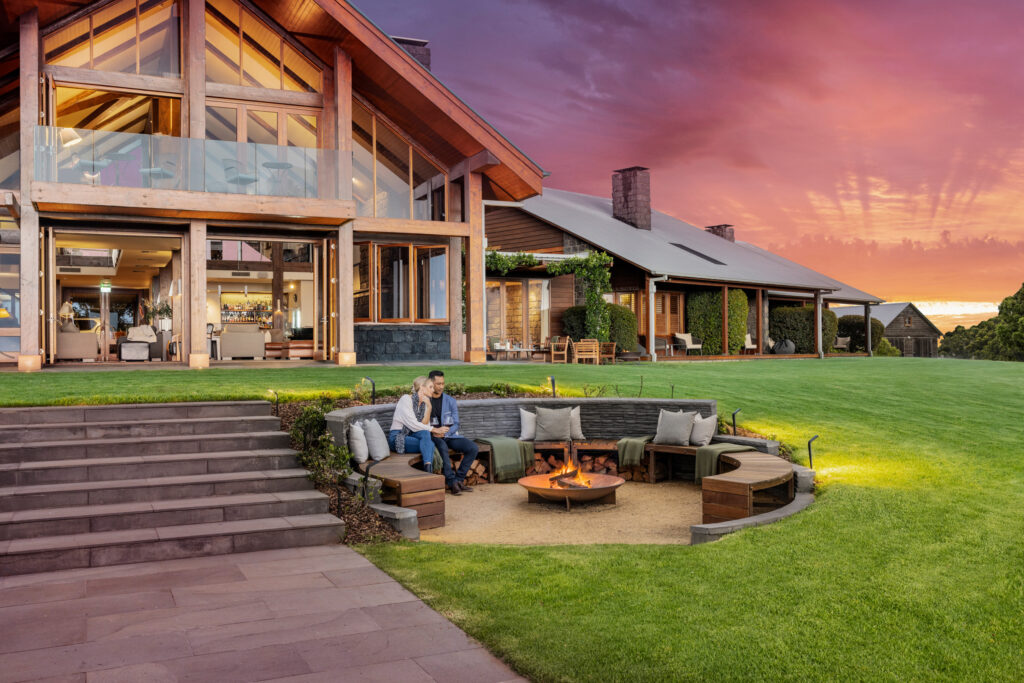
Located just two hours southwest of Brisbane, at the heart of the spectacular Scenic Rim, Spicers Peak Lodge is Queensland’s highest mountain lodge and combines sublime accommodations with verdant rural landscapes and authentic, contemporary Aussie hospitality.
Located atop Cedar Mountain, on 3,200-hectares of rustic farmland, the award-winning all-inclusive lodge, which celebrated its 20th anniversary last year, offers breathtaking vistas from its ten luxurious rooms and two Private Lodges, each of which is elegant and spacious, blending in with their natural surroundings thanks to the extensive use of stone, timber and glass, which is complemented by locally sourced artworks, including significant Indigenous pieces.
Be sure to book one of the suites with a spa for easing those post-hike muscles.
Modern technology, including Bose Bluetooth speakers, LED TVs and wireless broadband, prevails but for those looking to escape the rat race, this all-inclusive retreat offers a wide
range of activities, including rounds on the tennis court or dips in the infinity pool, rainforest walks through the World Heritage-listed Main Range National Park, mountain biking, wine tasting at the boutique wineries of the nearby Granite Belt region, and spectacular stargazing.
You can even trek across this ancient landscape on multi-day excursions, arriving at the Lodge in time for hot showers and one of executive chef Gareth Newburn’s acclaimed degustation dinners in the award-winning Peak Restaurant, considered one of the state’s best dining destinations, where dishes like Red Gum Lamb Rack, Kangaroo Island Marron and Abrolhos Island Scallops showcase the chef’s contemporary zeal.
The best time of year to visit Spicers Peak Lodge is in Autumn (March-May) and Spring (September-November) when temperatures are milder and humidity is lower. A night at the lodge starts from approximately US$755, twin share, inclusive of meals.