
A former cattle station located on the famed Gibb River Road, a challenging off-road route across the top of Western Australia, today El Questro is the quintessential Outback outpost, delivering the rugged beauty and unique natural wonders of the East Kimberley to travellers from across Australia and the globe.
An expansive property offering visitors to the Aussie Top End a plethora of unforgettable and authentic Outback experiences, this iconic station is part wildlife safari, part high-end caravan park, and part luxury lodge, with the coveted El Questro Homestead, a member of Luxury Lodges of Australia, one of the most indulgent retreats in all of Western Australia.
We journey deep into the Australian Outback to delve into this truly awe-inspiring locale, learn about the station’s rich history and meet the people helping to shape its future as a bastion of sustainable bush tourism and a must-visit for nature lovers, romantics, and travellers longing for uninterrupted horizons.
The History of El Questro Homestead
One of Australia’s most iconic destinations, and a byword for hardy souls, isolation and adventure, even among those who have never ventured this far from the beaten path, we delve into the rich history of El Questro and its evolution from cattle ranch to sustainable tourism poster boy, one that recently entered a ground-breaking new chapter in its relationship with the land’s Traditional Owners.
From Cattle Station to Luxury Lodge
In a place where wide swaths of land are often given fairly innocuous names, like Saddleback Ridge, Pentecost River, and Wyndham, it’s frequently asked where El Questro got its name from.
The truth is, no one’s really sure. As the story goes, the station, which, at 405,000 hectares, is more than double the size of Hong Kong (or almost double the size of Greater London), was established in 1903.
However, it wasn’t until 1958 that the Eastern Kimberley property was given the rather romantic name El Questro by then leasee Torrance McMicking, who operated the property as a sprawling cattle station.
By the early 1990s, El Questro was owned by Will and Celia Burrell, who recognised the dramatic beauty and nostalgia the station offered urbanites visiting this remote corner of the country, and the evolution to a cattle-tourism hybrid model began.
The property’s move towards tourism activities continued with various owners over the years, including its current leasee, the G’Day Group, and while El Questro still has 6,000 head of cattle, it remains a popular destination for Australians and international travellers alike looking to tap into the authentic cowboy culture and the postcard-perfect landscapes of the Kimberley.
The Land and Its Indigenous Significance
El Questro is so much more than the sum of its parts. At one million acres, it’s hard to get your head around the sheer size of the property, which encompasses towering escarpments, meandering rivers and verdant forests.
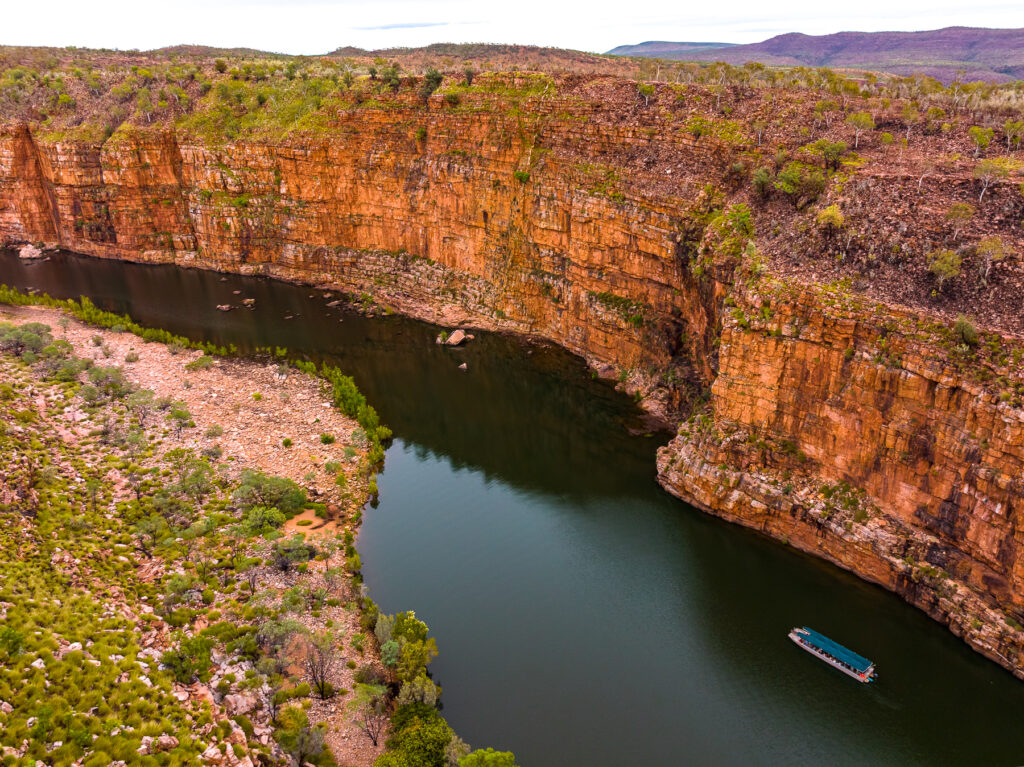
The heart of the property is the Chamberlain and Pentecost Rivers, the former running through the property (and past the Homestead), offering opportunities for fishing and scenic cruises, and the latter famed for its crocodile sightings and its important crossing, part of the dramatic Gibb River Road, which connects the port town of Wyndham to the western Kimberley town of Derby and is mainly unpaved.
Another important element of El Questro’s unique landscape is its ancient canyons, which range from the Emma Gorge, famed for its boulder-strewn hiking trail and waterfall-fed swimming pool; the Amalia Gorge, offering a challenging climb through time-weathered rock formations and seasonal waterfalls; and finally the El Questro Gorge, a hidden, fern-lined oasis.
Far from the idea of a barren dustbowl, El Questro also boasts natural springs wreathed by old growth forest, striking red rock plateaus and ranges, plummeting waterfalls, dramatic lookout points (my personal favourite is Branco’s Lookout, which offers spectacular views down the Chamberlain River to the El Questro Homestead); and access to unique flora and fauna, including tubby baobab trees, wallabies, fresh and saltwater crocodiles, goannas, and enough endemic bird species to give an ornithologist head spins.
Of course, this land has always been sacred to the Ngarinyin and Miriuwung peoples, and was the place of Dreamtime stories, rock art and tradition long before it was populated by cattle and daring frontiersmen. There is evidence of Aboriginal occupation of the Kimberley region dating back more than 40,000 years and, within the confines of El Questro Wilderness Park, the intrepid can still find sacred sites, ceremonial grounds and rock art, although much of it is now protected.
Today, the Traditional Owners of the land they call Marlabu continue to collaborate with El Questro’s owners to manage the land and maintain their timeless traditions and spirituality.
Experiencing El Questro Homestead Today
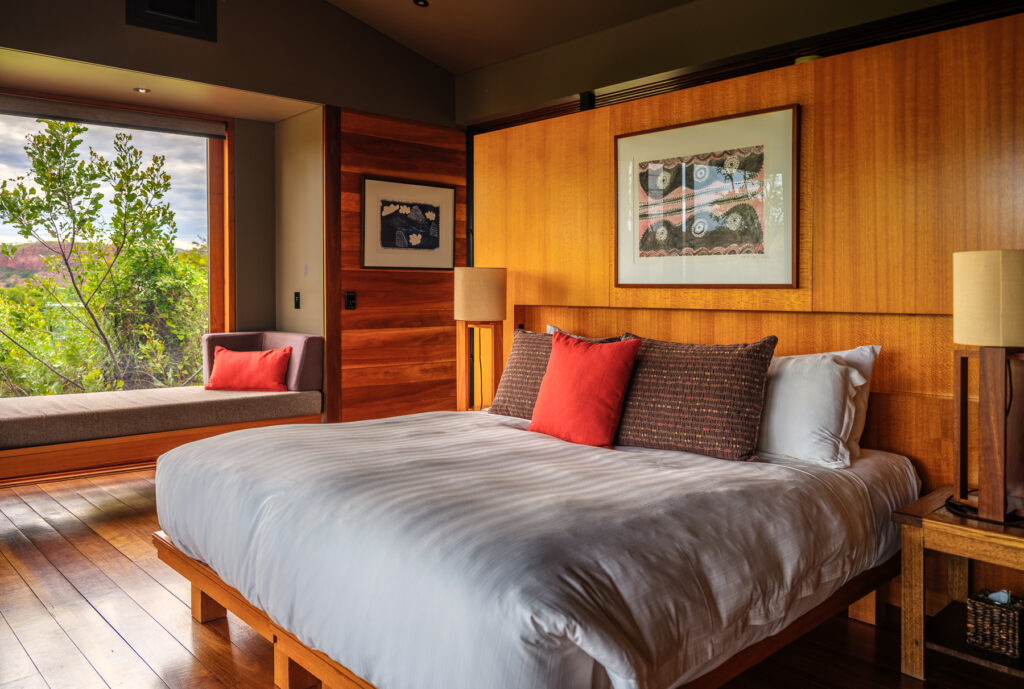
Unless you plan to rough it with the campervanning families of The Station, El Questro’s designated camping area, which caters to 800 in communal and private camp sites, or the tented suites of the Emma Gorge Resort, you’ll be staying at the Homestead, an idyllic and historic retreat wreathed by manicured lawns, lush gardens, and flowering frangipani trees, and steeped in history.
Despite its rugged surroundings, the adults-only El Questro Homestead, perched on cliffs above the calm waters of the Chamberlain River, remains one of the most luxurious and beautiful lodges in Australia, one that offers plenty of creature comforts but also a true sense of place.
Accommodation That Blends Luxury With Wilderness
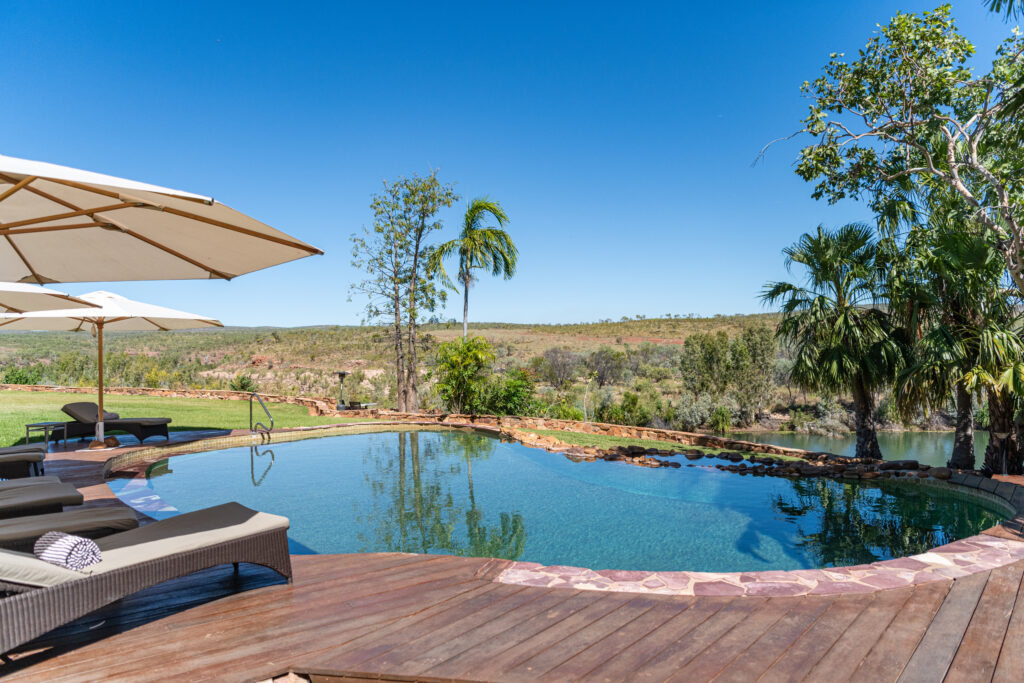
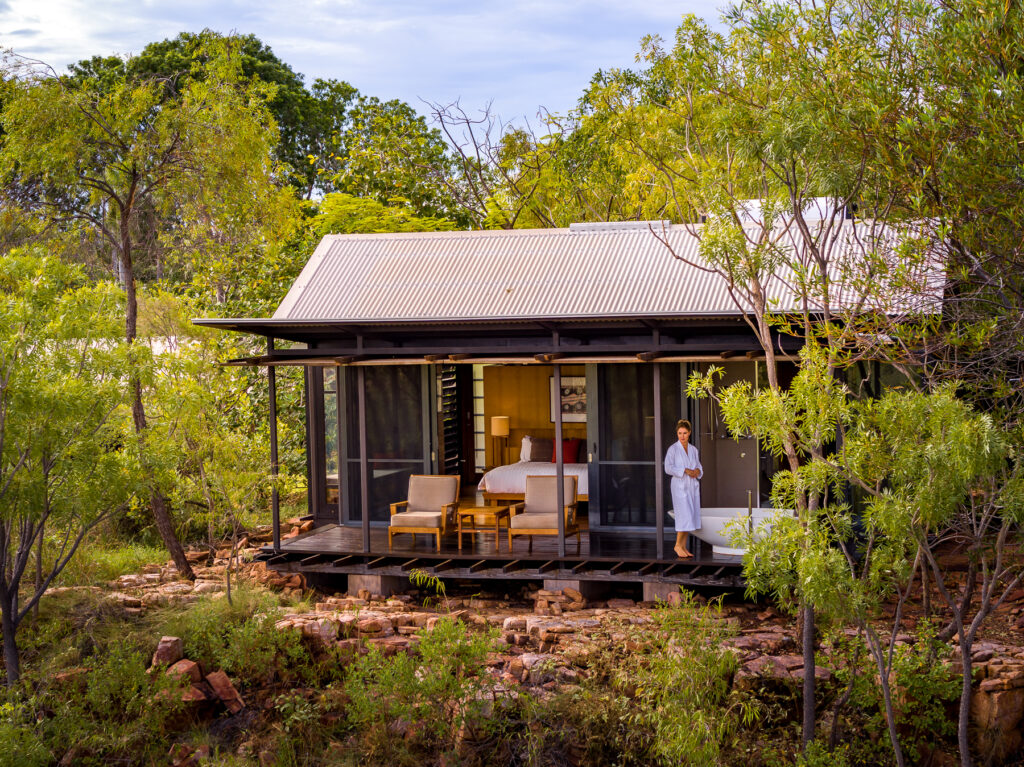
You’ll be spoiled at the Homestead, which features just ten comfortable guest suites cantilevered on the edge of burnt-orange sandstone cliffs overlooking the Chamberlain.
Each stylish room at all-inclusive El Questro Homestead, which operates from April to October each year, maintains a focus on the beauty of its surroundings, enjoyed from the glass-encased bathroom (I’ll admit to several hours spent in the bath watching life unfold on the river below) and from the broad covered patio (my favourite spot for my first coffee of each day).
For those looking to splurge, the coveted Chamberlain Suite, quite possibly the most luxurious accommodations in the Kimberley, features a wraparound verandah, dramatic river views, Australian furnishings, and floor-to-ceiling windows.
Each suite also boasts a king-size bed, AESOP bath products, a ceiling fan, an in-room Bose sound system, complementary laundry service, and an included mini bar that’s replenished daily.
A stay at El Questro Homestead also includes access to a rather impressive selection of non-alcoholic beverages as well as fine spirits, beers and wines (gin lovers will enjoy working their way through the Homestead’s brilliant collection of local small-batch spirits), while dining showcases the very best produce from Downunder.
During my visit, we were treated to delectable, contemporary fare – think citrus barramundi ceviche and slow-cooked water buffalo infused with wild thyme – with meals served by a friendly and professional international staff either under the stars at the communal table or a private dining alcove above the river for those special occasions.
Adventure Activities and Relaxation in the Outback
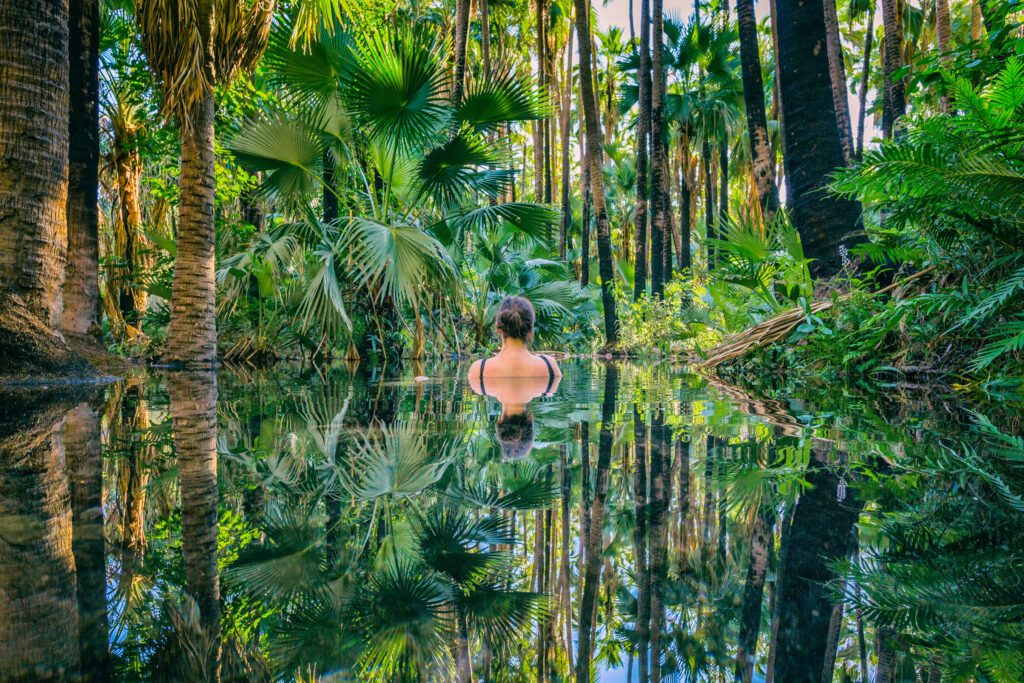
While the Homestead is a luxurious hideaway and its lingering breakfasts, sun-kissed swimming pool and deep-set leather armchairs can be hard to resist, most guests venture to this remote corner of Western Australia to explore nature, which you’ll do on a range of fascinating included and optional activities that showcase the culture and natural landscapes of El Questro.
There is a wide range of authentic experiences on offer, catering to all fitness levels and interests. The included activities range from a Bush Nature & Natives Tour, a three-hour guided adventure that explores the station’s history, river system, geology and flora and fauna, with time for morning tea along the way; and a cruise along the tranquil (but crocodile-infested) waters of the Chamberlain River in search of tiny rock wallabies, barramundi and playful Archerfish; to a champagne-laced sunset soiree atop Buddy’s Point.
Homestead guests also have access to a guided walk through some of the region’s most breathtaking gorges, including my favourite, Emma Gorge, with the chance to cool off with a dip in the waterfall-fed pool mid way; as well as designated hours at Zebedee Thermal Springs, a picturesque setting of swaying palms and pure spring waters, which emerge from the ancient rock only metres away (don’t worry, the rangers know to pack the vino).
If you feel like adding a little wonder to your Australian Outback itinerary, there’s also scenic flights departing from El Questro’s own land strip to the Mitchell Falls and the Bungle Bungle rock formations, cruises on Lake Argyle and the Ord River, and helicopter tours to the otherworldly landscapes of The Lost City rock art sites, which are otherwise inaccessible.
Immersing Yourself in Nature: The Wilderness Around El Questro
The Kimberley is one of Australia’s most dramatic and unforgettable landscapes, one of red rock, sunburnt sand, serpentine rivers, towering peaks and broad floodplains.
It’s also a major drawcard to travellers bound for El Questro looking to commune with nature in all her glory, not just in the sprawling property itself but also at other Kimberley natural attractions.
Exploring the Bungle Bungles
One of the most coveted destinations in the Kimberley region, and a popular day trip from El Questro, the Bungle Bungle Range (known simply as The Bungle Bungles) is an incredible geological formation located in Purnululu National Park, 300 km from Kununurra.
These beehive-shaped rock formations, formed over 360 million years ago by the erosion of sandstone deposits, offer a unique glimpse into Australia’s geological heritage and, with their bands of orange and black, caused by the presence of iron oxide and cyanobacteria in the rock, are a must for nature lovers and landscape photographers.
Protected as a UNESCO World Heritage Site since 2023, this dramatic landscape, which is spread across approximately 450 sq km, features hidden pools, dramatic passes – including the popular Cathedral Gorge, a natural amphitheatre – and seasonal waterways like the verdant Piccaninny Creek. Although the national park is accessible by 4×4, many El Questro Homestead guests visit the Bungle Bungles via helicopter or fixed-wing aircraft, departing directly from the station to see these remarkable formations from both the air and the ground.
Exploring Emma Gorge
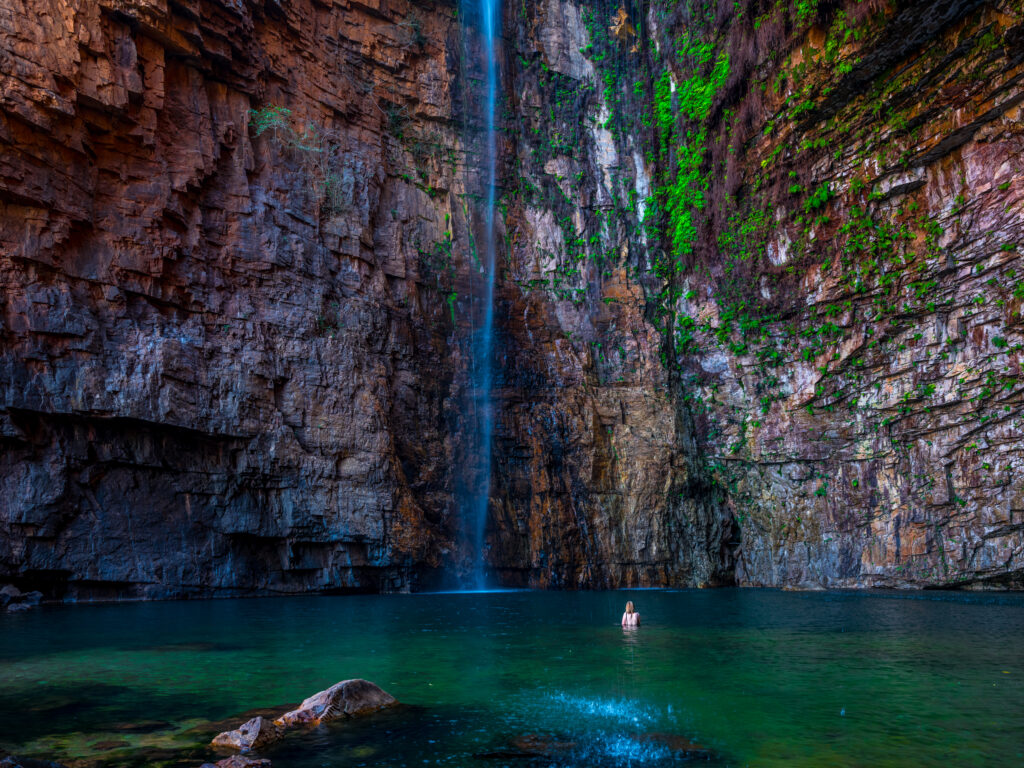
Another great activity that allows El Questro guests to delve into this remarkable natural landscape is a hike up Emma Gorge. The trail into this ancient canyon, which follows a creek that passes through the Cockburn Ranges, begins at El Questro’s sister property, Emma Gorge Resort, a 50-minute drive down the Gibb River Road from the Homestead.
The 3.2-kilometre round trip hike from the car park at Emma Gorge Resort to the pool at the base of the Gorge’s 65-metre waterfall takes approximately 1-2 hours, depending on your pace and how long you like to soak in the waterhole, which is fed by a natural spring as well as the seasonal waterfall.
I found the route to be easy enough, although hikers should expect to be scrambling over boulders and leaping across bogs as the annual flood season entirely reshapes the route every year, so pack sturdy hiking boots and wear your swimwear underneath if you want to take a cooling dip.
Also, don’t forget a camera, as the towering falls and sheer red stone cliffs plummeting into the waters below are very beautiful.
Wildlife Encounters and Conservation Efforts
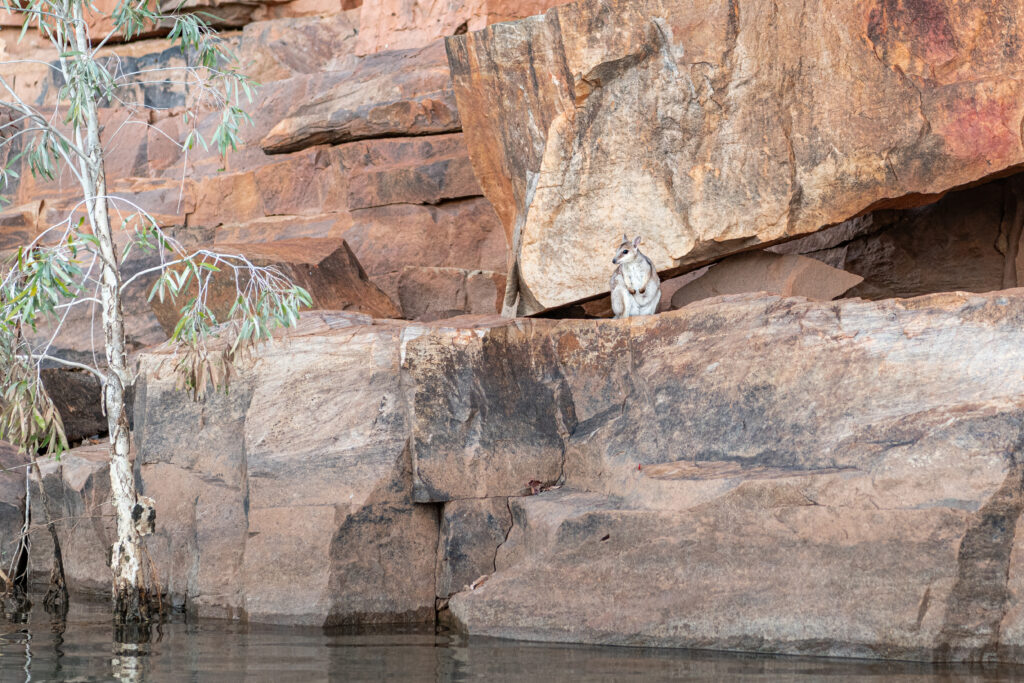
El Questro, like many other stations in the Australian Top End, is also home to a host of enthralling wildlife, much of which can be encountered on a range of guided activities.
During a cruise on the Chamberlain River, we spy shy rock wallabies and elegant White-bellied sea eagles, as well as brooding barramundi, Shark-tailed catfish and cheeky Archerfish, which have become a little used to being fed during the tourist season and use their natural adaptation of spitting jets of water at low hanging branches (they do it to dislodge unsuspecting insects) to spray visitors if they’re not fed quickly enough!
Of course, saltwater crocodiles are a huge drawcard to the Top End and it’s said the Chamberlain has at least five ‘salties’ (the station is also home to smaller freshwater crocs) for every kilometre. The ancient reptiles can often be seen lurking in the shallows or basking on the banks of the river.
El Questro is also a mecca for bird lovers, with over 100 species present on the station, including beautiful Rainbow Bee-eaters, Whistling kites, Blue-winged Kookaburras and endangered Gouldian finches.
Despite its rugged beauty, the property is carefully managed to ensure that visitors and the station infrastructure have as little impact on the natural landscapes as possible, while species populations – both endemic and intrusive – are closely monitored by the station’s team of rangers.
The Outback Culture: Engaging with Local Communities
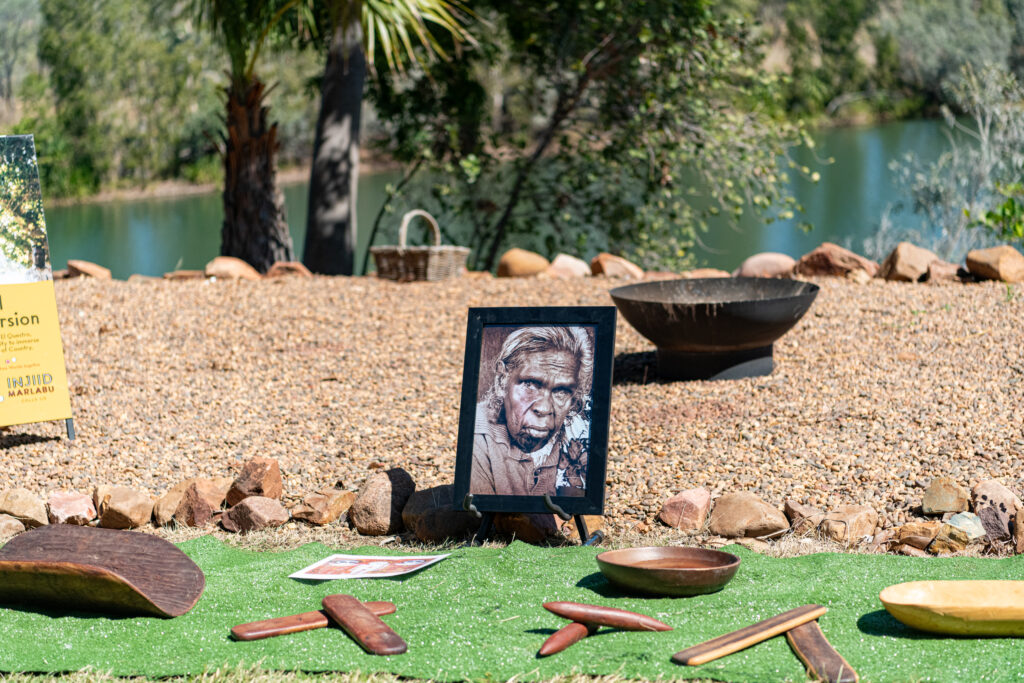
El Questro recently made headlines with a ground-breaking deal that returned the station’s pastoral leases – amounting to 165,000 hectares – to the Traditional Owners of the land, the Ngarinyin and Miriuwung peoples.
Indigenous-Led Experiences and Storytelling
This unique relationship with the Traditional Owners means that the station’s owners will not only lease the lands back for tourism purposes, but that guests can delve into the timeless traditions of the Ngarinyin and Miriuwung peoples and gain insight into their nomadic lifestyle, storytelling and mythology.
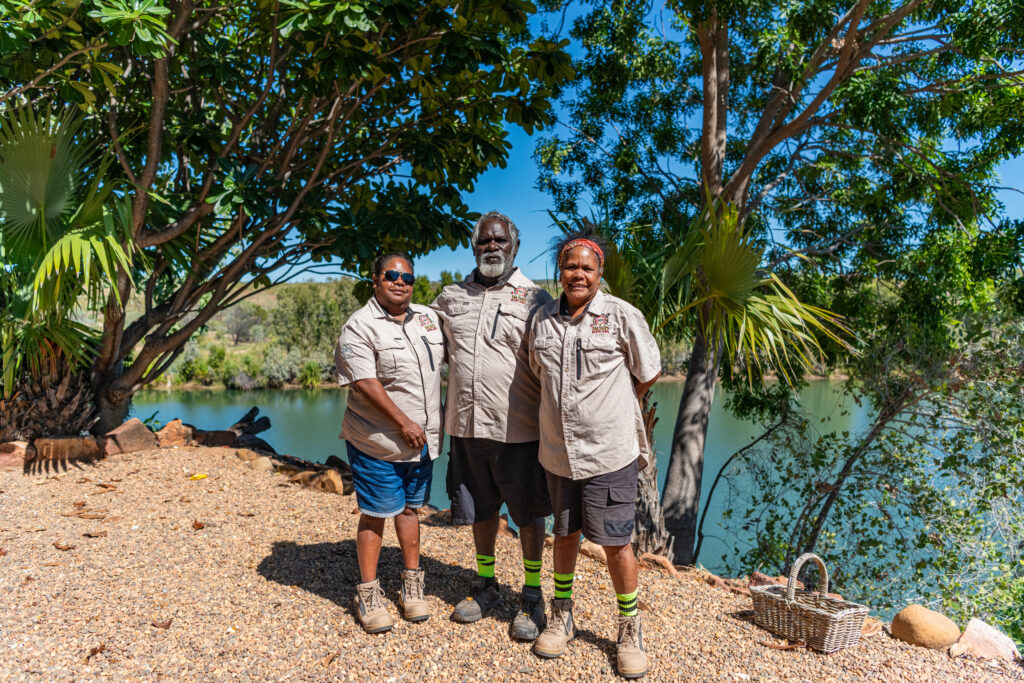
In fact, one of my favourite experiences during my visit to El Questro Homestead was the Injiid Marlabu Calls Us cultural introduction, hosted by Nelson, Mary and their daughter Chanel, members of the Ngarinyin people. During this unique session, conducted on the lawns of the Homestead, you’ll learn about the traditions and customs of the Traditional Owners (some of which will really surprise you) and delve into the station’s rich history and ancestral heritage.
This unforgettable introduction to Country ends with a smoke ceremony and a blessing that visitors will take with them.
Local Collaborations and Celebrating Heritage
The historic land deal, which technically saw the lands returned by the Western Australian government to the Ngarinyin and Miriuwung peoples, heralds a new chapter for El Questro, one of increased cooperation and recognition and a long-term strategy of sustainability and deeper connection with Traditional Owners, nearly 120 years after El Questro was established.
Under the previous pastoral lease, cattle had to be maintained on the property, but the new lease allows El Questro to continue its move from cattle ranching to sustainable tourism (including plans to operate with net zero emissions), allowing for restoration of the natural environment while also providing the local Indigenous community significant economic benefits and the opportunity to establish cultural tourism experiences like Injiid Marlabu Calls Us.
What to Know Before You Visit El Questro

As with any remote destination, you’ll want to take care when packing to ensure you have everything you need to navigate the weather and the rugged terrain of the Australian Top End.
Here are a few tips we learned from our visit.
Best Time to Visit El Questro Homestead
Like many stations in the Australian Top End, El Questro Homestead operates annually between April and October, when the dry season offers mild temperatures, low humidity and minimal rainfall, which is certainly handy if you’re tackling hiking trails like Emma Gorge.
However, it also means that the pools and rivers are full after the wet season, ensuring fantastic photography and wildlife spotting.
While the peak season for the station is June to August (coinciding with school holidays in Australia), if you prefer fewer crowds, you should aim for April-May or September-October.
Getting There and What to Pack
As if you were packing for a camping trip or a safari, you should ensure you have lightweight, easy-to-dry clothing (although the Homestead does offer complementary daily laundry service) that will protect you from the harsh Outback sunshine.
While the Homestead is luxurious, it’s still pretty casual; you might like to wear a dress or a collared shirt for dinner (and cover up if you’re loved by mosquitoes), but during the day it’s shorts and t-shirts, with plenty of sunscreen, hats, sunglasses and good, sturdy footwear. You may also want to bring a jacket for those chilly mornings.
Despite its international appeal, El Questro Homestead uses standard Type 1 240v power sockets to ensure that, in addition to a camera and batteries, you bring an adapter, preferably one with USB ports, so you can charge multiple devices simultaneously.
If you’re flying to the station via helicopter or fixed-wing aircraft, you’ll also want to pack soft-sided duffel bags and make sure you note the luggage allowance. Also, ensure you have all the medications you require, as El Questro is a 90-minute drive from the nearest pharmacy!
Other Luxury Stations in the Outback
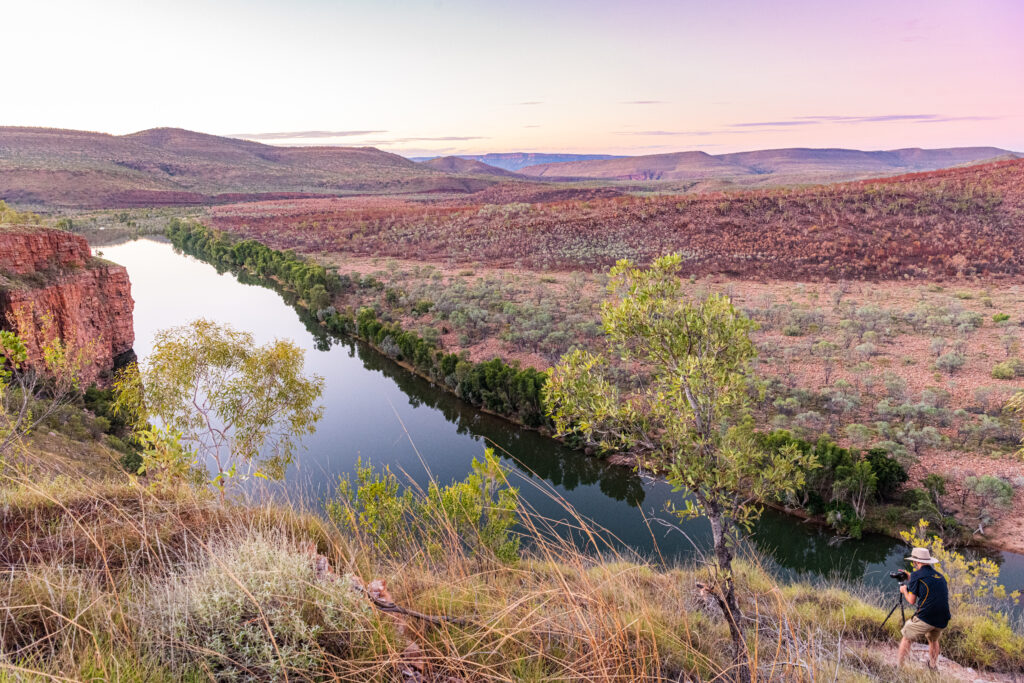
While El Questro is a fascinating station in this breathtaking corner of Australia, it can also be combined with visits to other Top End properties, each of which offers a unique experience that combines authentic Aussie hospitality with nature unlike anywhere in the world.
One of my favourites is Bullo River Station, a stunning working cattle station located a three-and-a-half-hour drive (or short helicopter or fixed-wing flight) from Kununurra. This Northern Territory station caters to just 24 guests at a time, and offers travellers the chance to experience life on an authentic cattle station, one with a rich history and a strong conservation philosophy.
Another of my favourite luxury Outback accommodations and escapes is Bamurru Plains, also located in the Northern Territory. This luxurious safari-style camp, located on the breathtaking Mary River floodplains, which have been likened to Botswana’s Okavango Delta due to their spectacular wildlife, offers guests chic tented suite accommodations, gourmet dining, and the chance to explore the flood plains via a fleet of airboats in search of salt water crocodiles, magpie geese, wild Brumby horses and water buffalo.
Offering a slightly different experience, Sal Salis, located in Western Australia’s Cape Range National Park and steps from the UNESCO-listed Ningaloo Reef, a coral wonderland rivalling the Great Barrier Reef, is a 100% solar-powered eco-retreat, with its 16 wilderness tents set among the dunes. It’s also one of the best places in Australia to snorkel with whale sharks, clownfish and manta rays. Alternatively, kayak the turquoise lagoons and join walking tours to spot emus and red kangaroos.
Set on a 28,000-hectare cattle station, three-hour drive (or a 45-minute helicopter flight) from Cairns, Queensland’s Mt Mulligan Lodge nestles beneath an 18 km sandstone escarpment, capturing the essence of Australia’s rugged Far North. This eight-suite retreat blends outback heritage and Aboriginal art with farm-to-table dining and unique wildlife encounters, from wallabies to rare birds.
You’ll also be able to explore the historic Tyrconnell Gold Mine, tackle the terrain on an ATV adventure, take a sunset hike in search of echidnas and over 100 resident bird species, or try your hand at fishing in the Hodgkinson River.
Nestled among red dunes of Central Australia, in the Northern Territory, luxurious Longitude 131° faces Uluru, a site recognised by UNESCO for its natural and cultural significance. This desert safari camp, home to just 16 indulgent tented pavilions complete with private balconies, offers a unique insight into the nature of the Outback and the timeless 60,000-year-old culture and traditions of the Anangu people.